


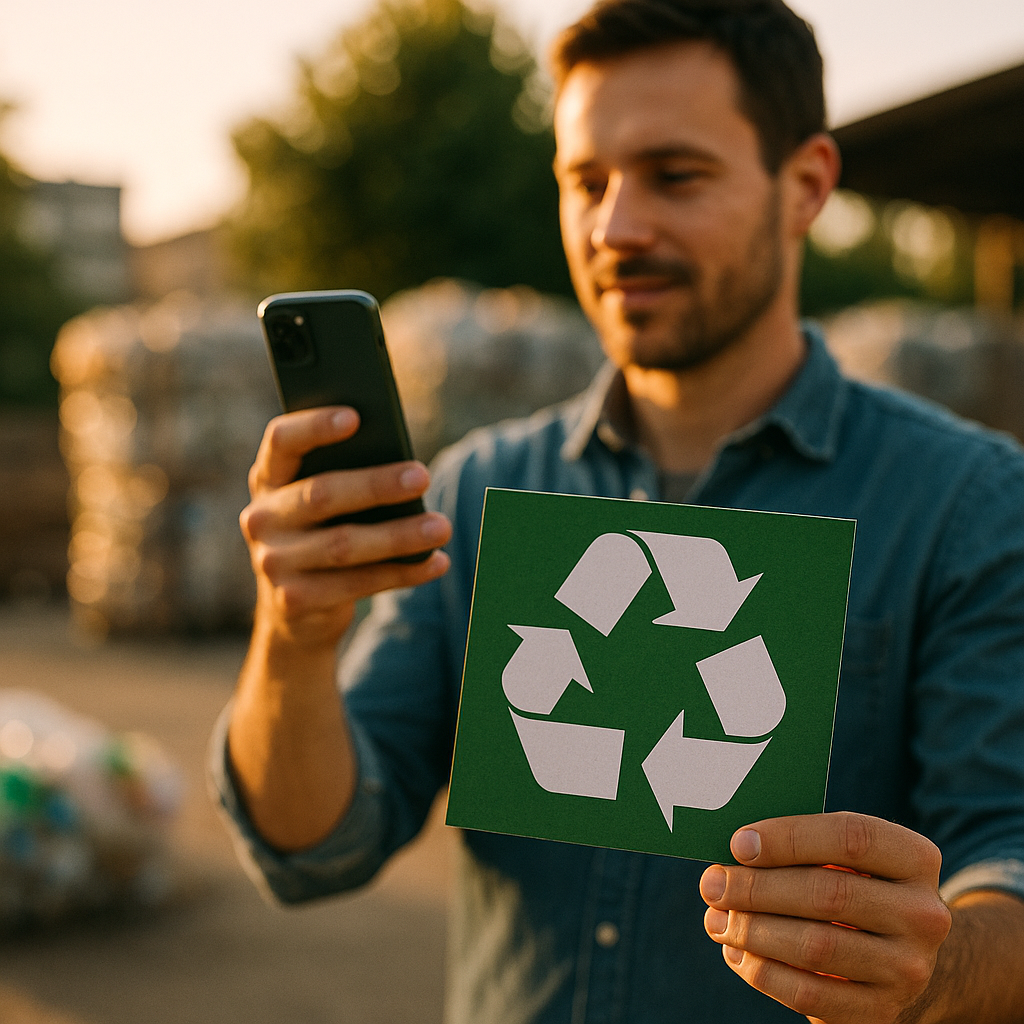
Eco doping awareness is reshaping how consumers, regulators, investors, and brands talk about sustainability in 2026. The term captures a growing problem: companies artificially enhancing their environmental image through selective claims, misleading labels, or weak offsets instead of measurable action. As scrutiny rises, businesses must move past appearances and prove impact with evidence. What does credible sustainability now require?
What Eco Doping Awareness Means for Sustainable Marketing
Eco doping awareness refers to the public and professional recognition that some sustainability claims are engineered to improve perception without reflecting meaningful environmental performance. It goes beyond classic greenwashing. Greenwashing often involves broad, vague, or false eco claims. Eco doping captures a wider pattern: inflating environmental credentials through technicalities, carefully framed disclosures, low-impact pilot programs, or carbon accounting that looks impressive but changes little in practice.
In practical terms, a brand may spotlight recyclable packaging while ignoring emissions-heavy production. Another may advertise a “net-zero pathway” built mainly on low-quality offsets rather than direct reductions. A manufacturer may use one cleaner ingredient in a single product line and market the entire business as sustainable. These tactics can mislead even informed buyers because they rely on complexity, not just slogans.
This is why awareness matters. Consumers are more literate about climate and sustainability language than they were a few years ago. Procurement teams ask for proof. Investors want transition plans, not polished narratives. Regulators increasingly challenge unsubstantiated claims. The result is a new expectation: if a company says it is better for the planet, it must explain how, where, by how much, and according to which standard.
For marketers, sustainability officers, founders, and procurement leaders, the key shift is simple. Environmental messaging is no longer judged by aspiration alone. It is judged by traceability, materiality, and honesty about tradeoffs. Brands that understand this can build trust. Brands that do not risk reputational damage, legal exposure, and customer loss.
How Greenwashing Detection Is Becoming More Sophisticated
Greenwashing detection has advanced because stakeholders now compare claims against data, certifications, supply chain realities, and public filings. A statement that once passed as responsible branding can now trigger immediate questions. Is the claim specific? Is it independently verified? Does it apply to a full product lifecycle or only one stage? Does the environmental benefit outweigh the harm shifted elsewhere?
Several developments explain this change:
- Better consumer literacy: People increasingly understand terms like lifecycle emissions, recyclability limitations, renewable energy sourcing, and offset quality.
- Stronger regulatory attention: Authorities in multiple markets are tightening rules around environmental advertising, substantiation, and disclosure.
- Smarter watchdog analysis: NGOs, journalists, and industry analysts can now review supply chains, procurement records, and climate claims more quickly.
- Digital transparency: Inconsistencies spread fast when websites, annual reports, packaging, and social media say different things.
This sophistication changes how brands should communicate. Vague wording like “eco-friendly,” “planet-safe,” or “sustainable choice” is no longer enough. These phrases are too broad unless supported by context. A stronger claim sounds more like this: “This product uses 48% post-consumer recycled plastic by weight, verified by an independent third party, and reduced packaging emissions by 19% across distribution.” Specificity lowers the risk of being seen as evasive.
Another important shift is that silence can now be smarter than exaggeration. If a company has made a modest improvement, it should present that improvement modestly. Overclaiming creates a credibility gap. Understated, evidence-backed communication often performs better over time because it aligns with what buyers and partners increasingly value: reliability.
Why ESG Credibility Now Depends on Evidence, Not Ambition
ESG credibility is built when a company connects environmental messaging to governance, measurement, and operational change. That means sustainability can no longer sit only in campaigns or corporate social responsibility pages. It must show up in procurement decisions, energy sourcing, logistics, product design, supplier engagement, internal controls, and board oversight.
Ambition still matters. Targets help organizations plan and signal direction. But ambition without execution invites skepticism. In 2026, stakeholders want to see whether commitments are backed by:
- Baselines: What is the company measuring against?
- Boundaries: Which operations, products, geographies, and emissions scopes are included?
- Methods: Which framework, accounting approach, or verification standard is being used?
- Timelines: Are interim milestones disclosed, not just end-state goals?
- Accountability: Who owns delivery internally, and how is progress reviewed?
A credible company also acknowledges limits. Not every process can be decarbonized quickly. Not every material has a low-impact substitute. Not every supplier can produce verified data immediately. Transparency about these constraints often strengthens trust because it shows the organization understands the real work involved.
Readers often ask whether certifications alone are enough. The answer is no. Certifications can support credibility, but they do not replace operational evidence. A useful label should be current, relevant to the claim, and issued by a reputable body. It should also be interpreted carefully. One certification for one input does not prove an entire product, factory, or corporate strategy is sustainable.
Another common question is whether offsets automatically weaken ESG credibility. Not necessarily. High-integrity offsets may play a limited role for residual emissions. The problem begins when offsets are used to avoid direct reductions, hide weak performance, or create marketing claims that imply full environmental resolution. The strongest strategy prioritizes reduction first, then uses offsets conservatively and transparently.
Building Transparent Sustainability Claims Consumers Can Trust
Transparent sustainability claims start with precision. If a brand wants trust, it should describe what changed, how it was measured, and why it matters. This approach may feel less dramatic than headline-friendly eco language, but it is more persuasive and far more durable.
Companies can improve claim quality by following several practical rules:
- Be specific about the benefit. State whether the claim concerns emissions, water use, waste, material sourcing, durability, repairability, or energy efficiency.
- Define the scope. Clarify whether the claim applies to a product, a packaging component, a facility, or the wider business.
- Use measurable terms. Percent reductions, verified sourcing shares, and lifecycle-based comparisons are stronger than generic descriptors.
- Provide accessible proof. Make supporting methodology, certifications, or assurance easy to find.
- Avoid absolute language unless it is defensible. Words like “zero,” “green,” or “fully sustainable” often overreach.
- Explain tradeoffs. A material may reduce plastic use but increase water intensity. Honest context prevents misleading impressions.
This is also where internal coordination matters. Marketing, legal, sustainability, operations, and procurement teams should review environmental claims together. If each team works in isolation, inconsistency is likely. A website may promise what supply chain data cannot support. Packaging may use different terminology from investor disclosures. These mismatches are exactly what critics and regulators notice.
Brands should also prepare for follow-up questions. Consumers and business buyers increasingly want to know: Is this improvement meaningful at scale? Is it verified independently? Does it affect price, quality, or durability? What happens at end of life? Helpful content answers these questions before they are asked. That is part of EEAT in practice: demonstrate experience, show expertise, cite trustworthy methods, and communicate with candor.
The Role of Climate Disclosure Standards in Moving Beyond Greenwashing
Climate disclosure standards are making sustainability communication more comparable and less dependent on marketing interpretation. While frameworks differ by market and industry, the broad direction is clear: organizations are expected to disclose risks, emissions, governance, targets, assumptions, and progress in a way that can be reviewed, challenged, and understood.
This shift helps move companies beyond greenwashing because it changes the incentive structure. It becomes harder to celebrate isolated environmental wins while ignoring core impacts. If a business must explain material risks, emissions drivers, and transition planning, selective storytelling becomes less effective.
Standards also improve internal discipline. Once reporting requires documented methods and reviewable controls, teams tend to improve data quality. They identify gaps in supplier information, inconsistent category definitions, and unsupported assumptions. This can be uncomfortable at first, but it is valuable. Better disclosure often reveals where performance needs to improve, which is exactly the point.
For smaller companies, climate disclosure can feel resource-intensive. The solution is not to wait for perfection. Start with material topics, clear boundaries, and a realistic reporting roadmap. If estimates are used, explain them. If supplier data is incomplete, say so and describe the improvement plan. Mature stakeholders usually prefer an honest partial picture over a polished but unreliable one.
Disclosure is also a competitive advantage. Retail partners, enterprise customers, and investors increasingly screen for environmental risk and transparency. A company that can present clear evidence, defined methodologies, and realistic targets is easier to trust and easier to work with. In many sectors, that trust now affects procurement decisions as much as price and quality do.
How Responsible Brands Can Create Authentic Environmental Impact
Authentic environmental impact comes from changing how value is created, not just how value is presented. Companies that want to move beyond greenwashing should focus first on material impacts. That means identifying where the largest environmental burden actually sits: energy use, manufacturing inputs, logistics, product lifespan, returns, waste, or supplier practices.
Once those hotspots are clear, action becomes more credible. A responsible roadmap often includes:
- Design changes: Reduce unnecessary material use, improve durability, simplify packaging, and support repair or reuse where feasible.
- Operational reductions: Cut direct emissions through efficiency, electrification, and lower-impact energy sourcing.
- Supplier engagement: Work with vendors on data quality, traceability, and measurable improvements rather than simply shifting responsibility downstream.
- Portfolio realism: Retire products or processes that cannot meet future environmental expectations instead of defending them with marketing language.
- Incentive alignment: Tie leadership goals, procurement standards, and product decisions to environmental performance.
Authenticity also depends on how companies talk about progress. Responsible brands communicate in stages. They distinguish between completed achievements, active initiatives, and long-term aspirations. They avoid presenting pilots as transformations. They update claims when conditions change. Most importantly, they treat sustainability as an area for evidence and improvement, not image management.
If you are a business leader, a useful test is this: would your sustainability claim still sound credible if a regulator, major customer, or investigative journalist asked for all the supporting data tomorrow? If the answer is uncertain, the claim needs work. If the answer is yes, you are likely building trust the right way.
The rise of eco doping awareness is not a threat to serious brands. It is a filter. It rewards organizations that measure honestly, improve meaningfully, and communicate responsibly. In 2026, that is no longer optional. It is the new baseline for environmental credibility.
FAQs on Eco Doping Awareness and Greenwashing
What is the difference between eco doping and greenwashing?
Greenwashing usually refers to misleading environmental claims. Eco doping is broader. It includes tactics that artificially boost a company’s environmental image through selective disclosure, exaggerated framing, weak offsets, or narrow improvements presented as major transformation.
Why is eco doping awareness rising now?
Consumers, regulators, investors, and business buyers are better at evaluating sustainability claims. Improved disclosure rules, digital transparency, and wider understanding of emissions and supply chains make it harder for unsupported claims to go unchallenged.
How can consumers identify misleading sustainability claims?
Look for vague language, missing metrics, no independent verification, unclear scope, and claims that emphasize one benefit while ignoring larger impacts. Strong claims are specific, measurable, and easy to verify.
Are carbon offsets always a sign of greenwashing?
No. Offsets can play a limited role for residual emissions. They become problematic when they replace direct emissions reductions, rely on weak project quality, or support marketing messages that imply the company has solved its environmental impact.
What makes a sustainability claim credible?
A credible claim is specific, measurable, relevant to material impacts, and supported by accessible evidence. It explains scope, methodology, and any limitations. Independent assurance or reputable certification can strengthen credibility.
How should businesses move beyond greenwashing?
They should focus on material environmental impacts, improve operations and supply chains, align claims with evidence, and disclose progress honestly. Internal collaboration between marketing, legal, sustainability, and operations is essential.
Do small businesses need formal climate disclosures?
Not always at the same level as large enterprises, but they still benefit from structured reporting. Even simple disclosures about boundaries, methods, priorities, and progress can improve trust and prepare the business for customer and regulatory expectations.
Can a company talk about sustainability if it is still early in its journey?
Yes, as long as it is transparent. Companies should describe what has already been achieved, what is still in progress, and where the data is incomplete. Honest communication builds far more trust than overstated claims.
Eco doping awareness is raising the standard for every environmental claim a business makes. In 2026, trust comes from clear evidence, defined scope, honest tradeoffs, and measurable progress rather than polished sustainability language. Companies that focus on real operational improvement and transparent disclosure can move beyond greenwashing, strengthen credibility, and build lasting value with customers, partners, and investors.
Top Influencer Marketing Agencies
The leading agencies shaping influencer marketing in 2026
Agencies ranked by campaign performance, client diversity, platform expertise, proven ROI, industry recognition, and client satisfaction. Assessed through verified case studies, reviews, and industry consultations.
Moburst

-
2

The Shelf
Boutique Beauty & Lifestyle Influencer AgencyA data-driven boutique agency specializing exclusively in beauty, wellness, and lifestyle influencer campaigns on Instagram and TikTok. Best for brands already focused on the beauty/personal care space that need curated, aesthetic-driven content.Clients: Pepsi, The Honest Company, Hims, Elf Cosmetics, Pure LeafVisit The Shelf → -
3

Audiencly
Niche Gaming & Esports Influencer AgencyA specialized agency focused exclusively on gaming and esports creators on YouTube, Twitch, and TikTok. Ideal if your campaign is 100% gaming-focused — from game launches to hardware and esports events.Clients: Epic Games, NordVPN, Ubisoft, Wargaming, Tencent GamesVisit Audiencly → -
4

Viral Nation
Global Influencer Marketing & Talent AgencyA dual talent management and marketing agency with proprietary brand safety tools and a global creator network spanning nano-influencers to celebrities across all major platforms.Clients: Meta, Activision Blizzard, Energizer, Aston Martin, WalmartVisit Viral Nation → -
5

The Influencer Marketing Factory
TikTok, Instagram & YouTube CampaignsA full-service agency with strong TikTok expertise, offering end-to-end campaign management from influencer discovery through performance reporting with a focus on platform-native content.Clients: Google, Snapchat, Universal Music, Bumble, YelpVisit TIMF → -
6

NeoReach
Enterprise Analytics & Influencer CampaignsAn enterprise-focused agency combining managed campaigns with a powerful self-service data platform for influencer search, audience analytics, and attribution modeling.Clients: Amazon, Airbnb, Netflix, Honda, The New York TimesVisit NeoReach → -
7

Ubiquitous
Creator-First Marketing PlatformA tech-driven platform combining self-service tools with managed campaign options, emphasizing speed and scalability for brands managing multiple influencer relationships.Clients: Lyft, Disney, Target, American Eagle, NetflixVisit Ubiquitous → -
8

Obviously
Scalable Enterprise Influencer CampaignsA tech-enabled agency built for high-volume campaigns, coordinating hundreds of creators simultaneously with end-to-end logistics, content rights management, and product seeding.Clients: Google, Ulta Beauty, Converse, AmazonVisit Obviously →