


You Have Less Time Than You Think
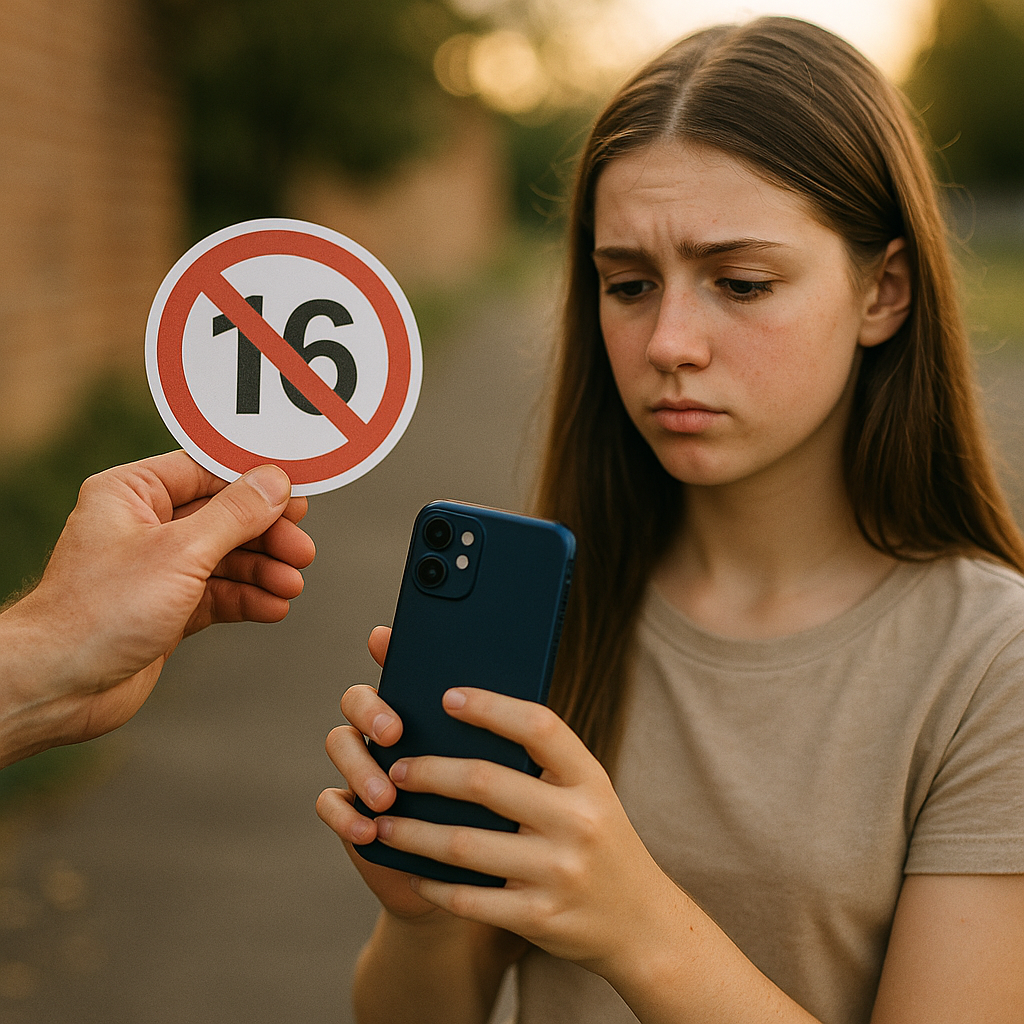
Roughly 9 million UK users under 16 currently engage with social platforms that will be legally required to block them by spring 2027. If your brand sells skincare, games, or fashion and you haven’t started restructuring your creator campaign architecture, you are already behind on UK under-16 social media ban compliance planning.
What the Regulation Actually Requires (And What It Doesn’t Say)
The Children’s Safety Online provisions underpinning the ban require platforms to verify user ages and enforce access restrictions for under-16s. What the legislation does not spell out in granular detail is exactly how brands advertising through creator content bear liability when a piece of sponsored content reaches a minor through a non-compliant platform or an adjacent channel.
That ambiguity is operationally dangerous. Brands in beauty, gaming, and youth fashion have historically leaned hard into TikTok, Instagram Reels, and YouTube Shorts precisely because those formats skew young. The ICO’s enforcement posture on children’s data has already signaled that it will hold brands — not just platforms — accountable for foreseeable reach into underage audiences.
Read our detailed breakdown of TikTok and UK under-16 ban compliance for a platform-specific analysis of where brand liability currently sits.
Three Sectors. Three Very Different Exposure Profiles.
Beauty brands face the most immediate reputational and regulatory crossfire. Creators in the skincare and makeup space routinely attract audiences where 25–40% of followers are under 18, according to data aggregated by influencer analytics platforms like Traackr and Modash. If your hero campaign for a new SPF range is built on a 22-year-old with 800k followers, and her audience skews 13–17, you have a structural compliance problem that no disclosure tweak will fix.
Gaming brands operate in a different but equally fraught environment. Twitch, YouTube Gaming, and Discord sit partially outside the direct scope of the ban — but branded content appearing on those platforms still touches UK minors at scale. Sponsored streams, in-game creator integrations, and affiliate codes distributed through young-skewing creators all need fresh legal and operational review.
Youth fashion brands arguably face the most complex restructuring challenge. Their creative briefs are often built around cultural relevance with Gen Z, and the very creators who deliver that relevance tend to attract the youngest audiences. Pulling back bluntly risks brand irrelevance. The solution isn’t a blanket retreat from youth culture — it’s surgical audience architecture.
The brands that will navigate this regulation most effectively aren’t the ones who stop marketing to young people. They’re the ones who build compliance into their targeting logic before enforcement forces a crisis response.
Restructuring Creator Campaign Architecture
Start with your creator roster segmentation. Every creator on a retainer or framework agreement tied to UK campaigns needs an audience demographics audit. Specifically: what percentage of their UK-based followers are under 16, and what percentage are under 18? Those are different thresholds with different risk profiles.
Tools like Sprout Social, HypeAuditor, and Modash all offer audience age breakdowns at the follower level. The problem is data accuracy: creator-reported demographics often diverge from platform-reported data, and platform-reported data often diverges from modeled third-party estimates. Build your compliance case on the most conservative figure available, not the most favorable.
For brands using managed service platforms like Influencer Marketing Hub or Grin, build a custom compliance flag into your campaign setup workflow. Any creator whose UK under-16 audience estimate exceeds a defined threshold — say, 15% — should trigger an automatic review gate before content briefing begins. This is a process change, not a technology problem.
Consider the creator approval workflow frameworks already used for brand safety: the same logic applies here. Age-audience risk is a brand safety issue, and it should sit inside your existing governance architecture, not in a separate compliance silo.
Age-Targeting Logic: Paid, Organic, and the Gray Zone Between Them
Here’s where many brands will be caught off guard. Paid social targeting to 18+ is table stakes and most teams already do it. The genuine exposure lies in organic creator content that is not boosted and therefore not subject to the same platform-level targeting controls.
When a creator posts a sponsored piece of content and their audience is largely under 16, the brand has no targeting lever to pull. The content is just… out there. This is the structural gap that the UK ban creates for creator marketing specifically, as opposed to traditional digital advertising.
Several approaches are worth modeling now:
- Creator content age-gating by design: Brief creators to publish content on platform profiles that have age restrictions enabled, where available. On YouTube, this is a functional tool. On TikTok and Instagram, the controls are less robust.
- Platform selection reweighting: LinkedIn, podcasts, and long-form YouTube content naturally skew older. For gaming brands especially, Twitch subscriber communities tend to be older than the platform average. Prioritize these formats for UK-facing campaigns.
- Dark post and boosted content shift: Move more creator content into the paid amplification stack where platform targeting controls can be applied. This costs more per impression but dramatically reduces age-compliance exposure.
- Geographic content partitioning: Some brands are building UK-specific creator briefs that differ from global briefs precisely to enable tighter audience controls. This adds operational overhead but creates a cleaner compliance audit trail.
The age restriction compliance guide for influencer brands covers several of these mechanics in more detail, including how geo-partitioning intersects with existing ASA obligations.
Content Approval Workflows: Building the Audit Trail Before You Need It
Regulatory enforcement doesn’t typically happen at the point of publication. It happens 12 to 18 months later when someone files a complaint and a regulator starts pulling records. What documentation does your team have today that would demonstrate due diligence on minor-audience exposure for a campaign that ran last quarter?
For most brands, the honest answer is: not enough.
Revise your content approval templates now to include an age-audience attestation step. This should require the campaign manager to confirm that audience demographics for each UK-activated creator have been reviewed and that the content has been cleared against a defined age-compliance threshold. Record the data source, the date pulled, and the approving signatory. This sounds bureaucratic because it is — and that paper trail is exactly what protects you in an enforcement scenario.
Update your creator MSAs to include explicit representations from creators about their known audience demographics and an obligation to notify you of material changes. Our coverage of creator MSA contract clauses offers a structural template you can adapt for age-compliance representations specifically.
Also worth reviewing: how your agency partners manage this on your behalf. If your influencer agency is briefing creators and approving content without running it through your compliance gate, you have a process gap. The creator program governance frameworks covered here apply directly to this scenario.
Your content approval workflow is your evidence. In a regulatory review, a well-documented process with a few imperfect decisions looks far better than a perfect campaign with no paper trail at all.
The Window Is Closing. Start With These Three Actions.
Don’t wait for platform-level enforcement mechanisms to be finalized before moving. The global compliance implications of the UK under-16 ban are already rippling into campaign planning conversations at major beauty and gaming conglomerates. Regulators elsewhere are watching the UK model closely, which means the architecture you build now for UK compliance will likely need to extend globally within 18 to 24 months.
Three concrete actions for the next 30 days:
- Pull audience demographic reports for every creator active on UK-facing campaigns. Flag anyone where under-16 or under-18 UK estimates exceed your defined threshold.
- Revise your content approval checklist to include a mandatory age-audience review step with documented sign-off.
- Brief your legal and commercial teams on creator MSA amendment requirements so that renewals and new agreements signed this quarter include age-compliance representations.
The brands that treat this as a compliance sprint rather than a structural rebuild will find themselves retrofitting under pressure when enforcement begins. Start the structural work now.
Frequently Asked Questions
What does the UK under-16 social media ban actually prohibit for brands?
The ban requires platforms to prevent users under 16 from accessing social media services, but brands face indirect liability through the ICO’s broader children’s data enforcement posture. Specifically, brands whose sponsored creator content foreseeably reaches under-16 audiences at scale may face scrutiny even if the brand itself is not the platform. Brands should treat foreseeable minor reach as a compliance risk regardless of whether they are the named party in the platform enforcement action.
Which social platforms are in scope for the UK under-16 ban?
The ban broadly targets user-to-user services, which includes TikTok, Instagram, Snapchat, and X (formerly Twitter). YouTube sits in a partially different regulatory category due to its video-on-demand classification, but YouTube Shorts and community features bring it closer to scope. Discord and Twitch are under active regulatory review. Brands should assume that any platform with significant UK under-16 usage will face enforcement pressure, regardless of its precise classification at the time of writing.
How should beauty and fashion brands adjust their creator selection criteria?
Brands should add a UK under-16 audience threshold to their creator vetting criteria alongside existing brand safety checks. Any creator whose estimated UK under-16 audience exceeds a defined percentage — many legal teams are currently working with 10–15% as a provisional threshold — should require additional review before briefing. Tools like HypeAuditor, Modash, and Traackr provide audience age breakdowns that can be integrated into your existing approval workflow.
Does the ban affect paid social advertising targeted to 18+ audiences?
Paid social campaigns targeted to 18+ using platform-level age controls carry significantly lower compliance risk than organic creator content, because platform targeting mechanisms provide a documented layer of intent. However, brands should not assume paid targeting entirely eliminates exposure — particularly if campaign creatives are visually designed to appeal to minors or if the creator’s profile is strongly associated with a young audience. The creative brief and targeting setup both need to be defensible.
What contractual changes should brands make to creator agreements now?
Brands should add age-audience representation clauses to creator MSAs, requiring creators to disclose their known audience demographics and to notify the brand of material changes during the agreement period. Agreements should also include a compliance warranty covering minor-audience exposure for UK-facing content. These clauses should be introduced on all new agreements and renewals signed ahead of the enforcement window. Existing agreements should be reviewed for amendment opportunities at the next scheduled revision point.
Top Influencer Marketing Agencies
The leading agencies shaping influencer marketing in 2026
Agencies ranked by campaign performance, client diversity, platform expertise, proven ROI, industry recognition, and client satisfaction. Assessed through verified case studies, reviews, and industry consultations.
Moburst

-
2

The Shelf
Boutique Beauty & Lifestyle Influencer AgencyA data-driven boutique agency specializing exclusively in beauty, wellness, and lifestyle influencer campaigns on Instagram and TikTok. Best for brands already focused on the beauty/personal care space that need curated, aesthetic-driven content.Clients: Pepsi, The Honest Company, Hims, Elf Cosmetics, Pure LeafVisit The Shelf → -
3

Audiencly
Niche Gaming & Esports Influencer AgencyA specialized agency focused exclusively on gaming and esports creators on YouTube, Twitch, and TikTok. Ideal if your campaign is 100% gaming-focused — from game launches to hardware and esports events.Clients: Epic Games, NordVPN, Ubisoft, Wargaming, Tencent GamesVisit Audiencly → -
4

Viral Nation
Global Influencer Marketing & Talent AgencyA dual talent management and marketing agency with proprietary brand safety tools and a global creator network spanning nano-influencers to celebrities across all major platforms.Clients: Meta, Activision Blizzard, Energizer, Aston Martin, WalmartVisit Viral Nation → -
5

The Influencer Marketing Factory
TikTok, Instagram & YouTube CampaignsA full-service agency with strong TikTok expertise, offering end-to-end campaign management from influencer discovery through performance reporting with a focus on platform-native content.Clients: Google, Snapchat, Universal Music, Bumble, YelpVisit TIMF → -
6

NeoReach
Enterprise Analytics & Influencer CampaignsAn enterprise-focused agency combining managed campaigns with a powerful self-service data platform for influencer search, audience analytics, and attribution modeling.Clients: Amazon, Airbnb, Netflix, Honda, The New York TimesVisit NeoReach → -
7

Ubiquitous
Creator-First Marketing PlatformA tech-driven platform combining self-service tools with managed campaign options, emphasizing speed and scalability for brands managing multiple influencer relationships.Clients: Lyft, Disney, Target, American Eagle, NetflixVisit Ubiquitous → -
8

Obviously
Scalable Enterprise Influencer CampaignsA tech-enabled agency built for high-volume campaigns, coordinating hundreds of creators simultaneously with end-to-end logistics, content rights management, and product seeding.Clients: Google, Ulta Beauty, Converse, AmazonVisit Obviously →