


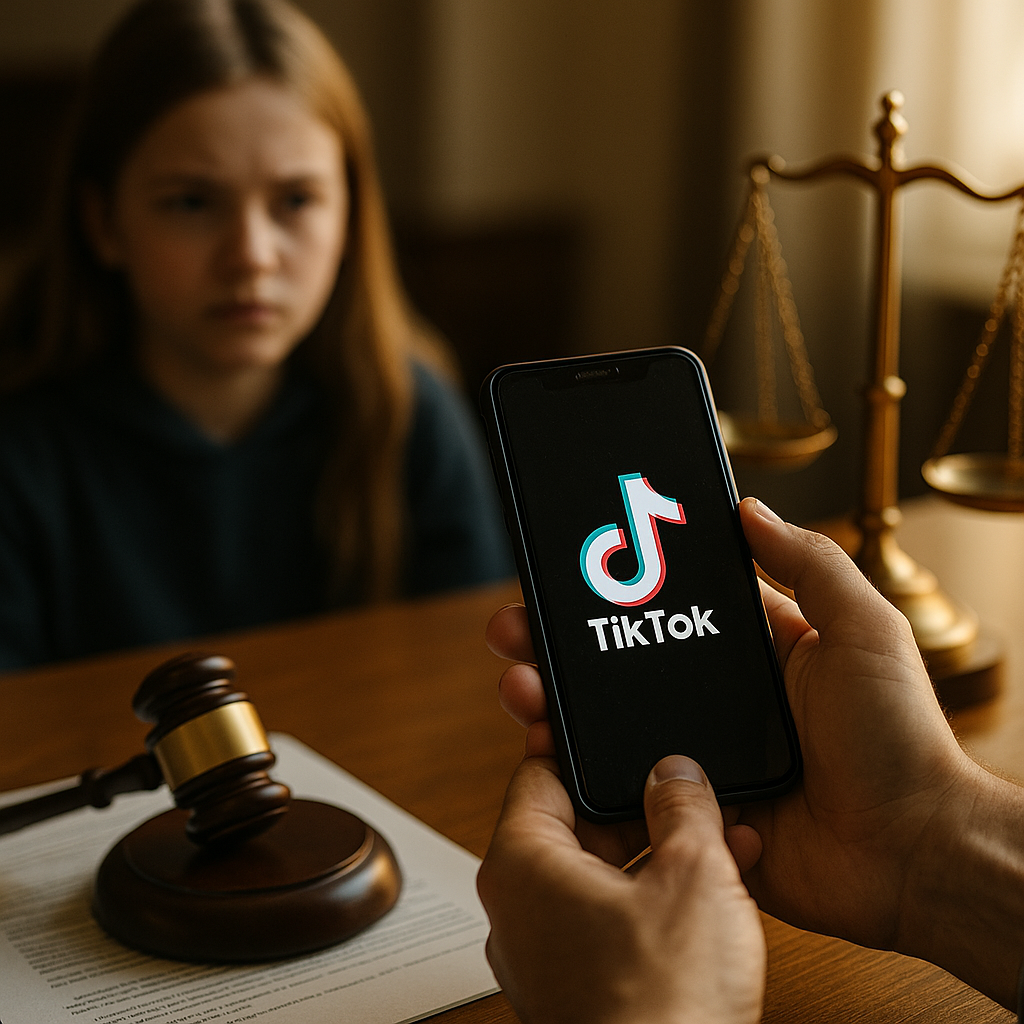
Two regulatory actions, one U.S. state and one sovereign government, are quietly redrawing the legal boundaries of influencer marketing. If your brand runs campaigns on TikTok or targets audiences that include anyone under 16, the compliance window is narrowing faster than most legal teams realize. Here is what the convergence of Florida’s TikTok lawsuit and the UK’s under-16 social media ban means for your campaign architecture today.
The Regulatory Collision That Brand Teams Missed
Florida’s attorney general filed suit against TikTok alleging the platform knowingly exposed minors to harmful content and addictive design features, citing violations of the state’s child protection statutes. Simultaneously, the UK’s Online Safety Act framework has operationalized its under-16 social media prohibition, requiring platforms to implement age assurance mechanisms that actually work, not checkbox consent flows. These are not isolated events. They represent a coordinated global signal: regulators are no longer satisfied with platform self-governance, and brands running campaigns on these platforms are increasingly within the blast radius.
The practical consequence for marketing teams is that “we relied on the platform’s age verification” is no longer a viable legal defense. Courts and regulators are beginning to examine the full campaign supply chain, including the brands that fund the content, the agencies that place it, and the creators who distribute it.
Regulatory enforcement is moving up the supply chain. Brands that assumed platform-level compliance shielded them from liability are now discovering that assumption was always incorrect.
What Florida’s Lawsuit Actually Targets (and Why It Matters for Advertisers)
The Florida action goes beyond platform architecture. The complaint includes allegations about algorithmic amplification of content to underage users, specifically content that was brand-sponsored. That framing is significant. It positions advertisers as indirect participants in the harm chain, not neutral parties buying inventory on a platform that happened to have compliance failures.
Brands in categories like food and beverage, gaming, apparel, and personal care should treat this as a category-level alert. According to Statista, TikTok’s U.S. user base skews heavily toward the 18-24 bracket, but independent research has consistently shown that a meaningful percentage of active users are younger and that algorithmic delivery does not respect declared age parameters. If your campaign targeting includes “broad” or “interest-based” delivery without explicit age floors, you have an exposure problem that needs to be documented and remediated before it becomes a discovery problem.
For a structured approach to platform-level risk, the TikTok creator approval workflow framework published here covers the vetting checkpoints brands need before any creator goes live on the platform.
The UK Ban: Not Just a UK Problem
The under-16 social media ban is being watched by regulators in Australia, Canada, France, and several U.S. states. The UK’s Information Commissioner’s Office has signaled that enforcement will extend to brands and advertisers, not just platforms, where sponsored content reaches underage audiences. Australia’s eSafety Commissioner has already issued guidance using similar logic.
What this creates for global brands is a patchwork of age-adjacent obligations that cannot be managed with a single policy. A campaign running simultaneously in the UK, U.S., and Australia now carries three distinct compliance frameworks, and those frameworks are not aligned. The UK under-16 ban compliance guide on this site breaks down the specific documentation brands need to demonstrate age-appropriate content safeguards in each market.
Auditing Your Campaign Architecture
Start with the inventory question: which active campaigns could reasonably reach users under 16, even if that is not your intent? This is not a targeting review. It is a delivery review. Targeting parameters tell you who you are trying to reach. Delivery data tells you who actually saw the content. Those two numbers are rarely the same.
Pull your audience delivery reports from the last 90 days across TikTok, Instagram Reels, and YouTube Shorts. Look specifically at the 13-17 declared age cohort and any undeclared-age impressions. Then map that against your content categories. If you are in food, gaming, beauty, or any category with documented youth appeal, you need to flag those campaigns for enhanced documentation regardless of your targeting intent.
Four audit checkpoints every brand legal team should run right now:
- Targeting floor verification: Confirm that every active campaign has a hard age floor of 18 or 16 (jurisdiction-dependent) applied at the ad set level, not just the campaign level.
- Creator audience demographics: Require creators to provide platform analytics screenshots showing audience age distribution. If a creator’s audience skews under 16, that creator cannot carry brand content in regulated markets without additional documentation.
- Content category mapping: Cross-reference your active creator roster against the UK ICO’s “likely to be accessed by children” content category definitions.
- Platform placement exclusions: Verify that your DSP or platform ad settings exclude placements algorithmically associated with under-16 content verticals (educational content, gaming tutorials, teen entertainment).
The age restriction compliance guide on this site covers the specific legal thresholds by market and category.
Updating Creator Agreements Before Regulators Do It for You
Most creator agreements in active use were drafted before age verification became an enforcement priority. That means they likely contain no representations from the creator about their audience demographics, no warranties about the platform compliance status at the time of posting, and no indemnification language covering regulatory actions triggered by youth exposure.
That is a significant gap. Updating your creator MSA templates is not optional at this point. The new clauses you need include: audience age representation warranties (with required screenshot documentation at the time of contracting), a compliance certification requirement tied to each deliverable, a right to suspend or terminate without penalty if a regulatory action is filed that implicates that creator’s content, and a geographic restriction clause that automatically applies UK and Australian age-compliance rules to any content capable of reaching those markets.
The FTC has also been expanding its guidance on youth-targeted advertising, and while its primary focus remains disclosure, the intersection of age compliance and disclosure obligations is tightening. A creator who fails to disclose a sponsorship to an underage audience now carries dual regulatory exposure: FTC disclosure violation and potential child protection statute violation.
A creator agreement that does not include audience age warranties is an unpriced liability. The cost of adding that clause today is a legal hour. The cost of not having it during a regulatory investigation is considerably higher.
Youth-Adjacent Compliance Documentation: Building the Paper Trail
Regulators investigating brand conduct in child protection cases look for one of two things: evidence that the brand took reasonable precautions, or evidence that it did not. The documentation you build now determines which side of that line you land on.
“Youth-adjacent” is a term worth adopting internally. It captures campaigns that are not explicitly youth-targeted but that exist in content ecosystems, platforms, or categories where under-16 users are statistically present. Youth-adjacent compliance documentation should include: a written campaign classification that explicitly addresses the youth-adjacency determination; the audience delivery data that informed that determination; the targeting and exclusion parameters applied; creator audience verification records; and a sign-off from a named legal or compliance reviewer.
This documentation set needs to be campaign-specific, not policy-level. A generic “we follow platform guidelines” memo is not going to satisfy a state AG in discovery. For brands operating in the Gen Alpha space at all, the Gen Alpha compliance framework here provides a structured approach to categorizing and documenting campaigns that touch this cohort.
Global brands should also review the Virginia geolocation amendment compliance framework, which addresses how state-level location-based restrictions interact with national campaign targeting, a dynamic that closely mirrors the Florida TikTok exposure.
Agencies and in-house teams looking for regulatory context on age assurance implementation should bookmark the ICO’s Children’s Code guidance and the FTC’s COPPA compliance resources as the two anchor documents for U.S.-UK parallel compliance work. For the Australian dimension, the eSafety Commissioner’s advertiser guidance is the equivalent reference.
The Enforcement Timeline Is Shorter Than You Think
Florida’s lawsuit is in active litigation. The UK’s ICO enforcement posture has shifted from guidance to investigation mode. Australia’s age restriction law is operational. The window for “we are updating our processes” as a defense is measured in months, not years.
Prioritize the audit first, the contract updates second, and the documentation framework third. That sequence matters because the audit tells you which contracts are most urgent to update, and the documentation framework needs to reflect the actual state of your campaigns, not a hypothetical best practice.
If your legal team has not yet briefed your media and creator teams on the Florida and UK developments, that briefing needs to happen this week. Campaign decisions being made right now are creating the paper trail that regulators will examine if enforcement expands.
Frequently Asked Questions
Does Florida’s TikTok lawsuit directly expose brands running TikTok campaigns to liability?
Not directly, at this stage. The Florida suit targets TikTok as a platform. However, the complaint’s framing around algorithmically amplified brand-sponsored content to minors creates a legal theory that could be extended to advertisers in future actions or as part of settlement discovery. Brands should treat this as a forward-looking risk, not a current direct liability, and document their compliance posture accordingly.
What does the UK under-16 social media ban require from brands specifically?
The UK’s Online Safety Act framework, as operationalized by the ICO, requires that brands running sponsored content on platforms subject to the ban implement reasonable safeguards to prevent that content from reaching under-16 users. This includes age-appropriate content design, targeting floor requirements, and documentation demonstrating that the brand took affirmative steps, not just that it relied on the platform’s age verification.
What creator agreement clauses do we need to add immediately?
At minimum: audience age representation warranties requiring creators to provide platform analytics showing audience demographics; a compliance certification tied to each deliverable; a right to suspend or terminate without penalty if a regulatory action implicates the creator’s content; and a geographic restriction clause applying UK and Australian age-compliance rules to any content accessible in those markets.
How should we classify a campaign as “youth-adjacent”?
A campaign is youth-adjacent if it runs on a platform with documented under-16 user presence, targets interest categories with youth appeal (gaming, music, food, fashion, personal care), or uses creators whose audience demographics include a statistically significant under-16 cohort. The classification should be made in writing at the campaign planning stage and reviewed against actual delivery data post-campaign.
Are these regulations limited to TikTok and UK markets?
No. Australia, Canada, France, and multiple U.S. states are implementing or considering analogous age-restriction frameworks. Instagram, YouTube Shorts, and Snapchat are all within scope of various national implementations. Brands should build a multi-jurisdiction compliance architecture rather than platform-specific or market-specific fixes.
Top Influencer Marketing Agencies
The leading agencies shaping influencer marketing in 2026
Agencies ranked by campaign performance, client diversity, platform expertise, proven ROI, industry recognition, and client satisfaction. Assessed through verified case studies, reviews, and industry consultations.
Moburst

-
2

The Shelf
Boutique Beauty & Lifestyle Influencer AgencyA data-driven boutique agency specializing exclusively in beauty, wellness, and lifestyle influencer campaigns on Instagram and TikTok. Best for brands already focused on the beauty/personal care space that need curated, aesthetic-driven content.Clients: Pepsi, The Honest Company, Hims, Elf Cosmetics, Pure LeafVisit The Shelf → -
3

Audiencly
Niche Gaming & Esports Influencer AgencyA specialized agency focused exclusively on gaming and esports creators on YouTube, Twitch, and TikTok. Ideal if your campaign is 100% gaming-focused — from game launches to hardware and esports events.Clients: Epic Games, NordVPN, Ubisoft, Wargaming, Tencent GamesVisit Audiencly → -
4

Viral Nation
Global Influencer Marketing & Talent AgencyA dual talent management and marketing agency with proprietary brand safety tools and a global creator network spanning nano-influencers to celebrities across all major platforms.Clients: Meta, Activision Blizzard, Energizer, Aston Martin, WalmartVisit Viral Nation → -
5

The Influencer Marketing Factory
TikTok, Instagram & YouTube CampaignsA full-service agency with strong TikTok expertise, offering end-to-end campaign management from influencer discovery through performance reporting with a focus on platform-native content.Clients: Google, Snapchat, Universal Music, Bumble, YelpVisit TIMF → -
6

NeoReach
Enterprise Analytics & Influencer CampaignsAn enterprise-focused agency combining managed campaigns with a powerful self-service data platform for influencer search, audience analytics, and attribution modeling.Clients: Amazon, Airbnb, Netflix, Honda, The New York TimesVisit NeoReach → -
7

Ubiquitous
Creator-First Marketing PlatformA tech-driven platform combining self-service tools with managed campaign options, emphasizing speed and scalability for brands managing multiple influencer relationships.Clients: Lyft, Disney, Target, American Eagle, NetflixVisit Ubiquitous → -
8

Obviously
Scalable Enterprise Influencer CampaignsA tech-enabled agency built for high-volume campaigns, coordinating hundreds of creators simultaneously with end-to-end logistics, content rights management, and product seeding.Clients: Google, Ulta Beauty, Converse, AmazonVisit Obviously →