


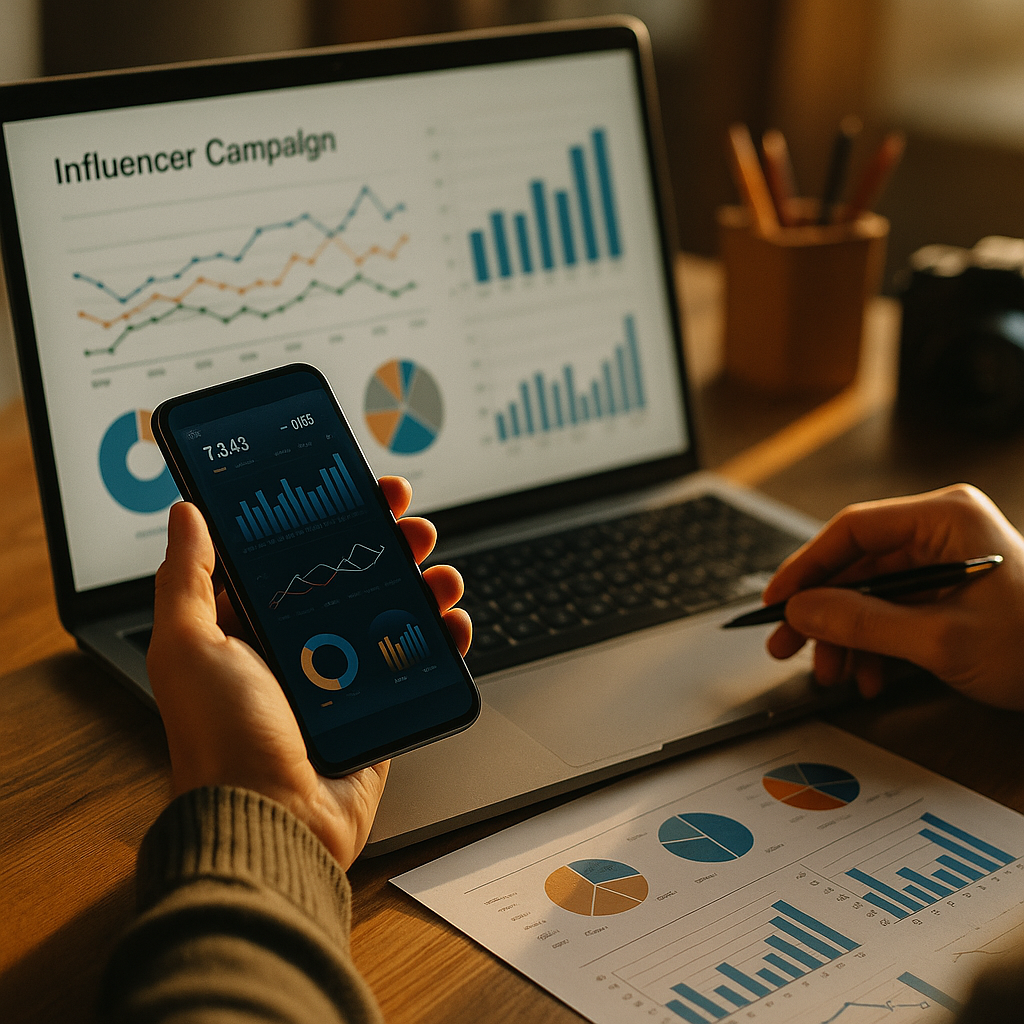
Brands collectively spent over $35 billion on influencer marketing last year, yet the majority still measure it with vanity metrics they would never tolerate from a Google Ads campaign. That disconnect is the core problem this article addresses, and fixing it starts with influencer campaign measurement infrastructure.
The Attribution Gap Is a Budget Credibility Problem
Ask any CFO whether they’d approve $2 million in programmatic display spend based on “impressions and estimated reach” and you’ll get a short, uncomfortable meeting. Ask the same CFO to approve $2 million in influencer spend backed by the same metrics, and somehow it still happens. Routinely.
The reason is historical. Influencer marketing grew up inside PR and social teams where soft metrics were the norm. Engagement rates, earned media value, and share-of-voice were accepted proxies because no better plumbing existed. That era is over. The data infrastructure to hold influencer spend accountable now exists at every price point, and the brands not using it are making a governance error, not a measurement limitation.
This isn’t a tactical upgrade. It’s a structural reclassification of what influencer spend actually is: a paid distribution channel that should be measured, optimized, and reported on exactly like paid search.
What “Attribution Rigor” Actually Means for Creator Campaigns
Paid search and programmatic display operate inside closed-loop systems. Every dollar produces a traceable click, conversion, or revenue event tied back to a specific creative, audience, and placement. The question for influencer teams isn’t whether creator content can produce the same traceability. It can. The question is whether your tech stack is configured to capture it.
The minimum viable measurement stack for a properly accountable influencer program includes:
- UTM parameters and campaign-level tracking URLs built at the creator level, not the campaign level. Every creator gets a unique URL string so performance is isolatable.
- Pixel-based post-view attribution configured via Meta’s branded content tools or TikTok’s Creator Marketplace API, capturing users who viewed but didn’t click.
- First-party data capture events at landing pages built specifically for influencer traffic, distinct from your general acquisition pages.
- Creator-specific promo codes as a last-touch backup for dark social conversions that don’t pass referral data cleanly.
- Media Mix Modeling (MMM) integration that ingests influencer spend as a discrete channel variable, not a bundled “social” line item.
Brands that have implemented this stack correctly report influencer CPAs converging toward, and in some verticals beating, their paid social benchmarks. That’s not a coincidence. It’s what happens when you optimize a channel instead of just spending on it. For a detailed look at how creator performance floors work in practice, the benchmarking methodology translates directly into this attribution framework.
Brands running creator content through whitelisted ad accounts see CPA reductions of 30–50% compared to organic-only influencer posts. The creative is identical. The measurement and targeting infrastructure is what changes the economics.
Rebuilding the Reporting Layer
Most influencer teams report up to CMOs with decks built from native platform analytics. Instagram Insights. TikTok Creator Marketplace dashboards. These are fine for creator-side metrics. They are insufficient for board-level budget defense.
The reporting layer needs to mirror how performance media is reported: cost per acquisition by creator tier, return on ad spend by content format, payback period by campaign type, and incremental lift versus control groups. If your finance team can’t read your influencer report the same way they read your Google Ads report, the infrastructure is incomplete.
Tools like HubSpot‘s attribution reporting, Rockerbox, and Northbeam all support custom influencer channel inputs that allow multi-touch attribution models to include creator touchpoints. The configuration work is non-trivial but it’s a one-time investment that pays back in budget defensibility across every future campaign cycle. The reporting framework that proves ROI to finance should be your template here.
The Whitelisting Lever Most Brands Underuse
One of the fastest structural improvements a brand can make is negotiating whitelisting rights into creator contracts as standard terms. Whitelisting allows you to run creator content as paid ads from the creator’s handle, unlocking full paid media targeting and conversion tracking while preserving the authenticity of the original post format.
The performance delta is significant. Negotiating whitelisting terms correctly can cut CPA by 30 to 50 percent compared to organic influencer placements because you’re layering your audience data and bidding strategy on top of proven creative. This is where influencer spend stops being a “brand awareness” line item and starts behaving like a performance media asset.
The operational implication: your influencer contracts need to be written by people who understand both creator relationships and paid media architecture. Most brand contracts still don’t include usage rights broad enough to enable this. Fix the contract template before the next campaign cycle starts.
Programmatic Distribution Changes the Math Entirely
The creator economy’s data-rich distribution era isn’t just about better tracking on Instagram. It’s about the fact that creator content now flows through programmatic pipes into CTV, DOOH, and display environments where it can be measured with the same impression-to-conversion frameworks applied to any other programmatic creative.
When a 60-second creator video runs as a pre-roll on connected TV, it generates viewability data, frequency data, brand lift study integration points, and household-level conversion matching through clean room integrations. That’s not influencer marketing in the traditional sense. That’s performance media with a human face. The brands getting ahead of this are already building programmatic creator content distribution workflows that treat top-performing organic posts as creative inputs for paid amplification across every channel.
The economic case is straightforward: instead of producing expensive studio creative for CTV, you identify your top three to five creator posts from the quarter, license the usage rights, and run them programmatically. The creative is already market-tested. The audience has already validated it. You’re just extending reach with known-good assets.
The most expensive mistake in creator marketing isn’t paying too much for talent. It’s paying for content distribution once, then letting assets expire. Treating influencer content as a reusable media asset multiplies the ROI on every creator relationship.
Budget Allocation That Reflects Channel Maturity
A properly measured influencer channel earns a budget allocation that reflects its actual contribution to revenue, not a fixed percentage of social spend. That shift requires building the measurement infrastructure first, demonstrating performance against accountable KPIs, and then presenting finance with an optimization case rather than a brand equity argument.
The sequencing matters. Brands that try to scale influencer budgets before the measurement infrastructure is in place end up with a credibility gap when performance reviews come around. The phased activation approach that satisfies finance involves running a smaller, fully instrumented pilot, proving the attribution model works, then scaling with the confidence of real performance data.
Budget modeling should also account for the full cost of the channel: creator fees, content production, licensing, platform distribution costs, and the technology stack that makes measurement possible. eMarketer data consistently shows that brands treating influencer as a discrete paid media channel with full cost accounting outperform brands that bury influencer spend inside broader social budgets, because the former group actually optimizes.
For always-on programs specifically, the budget allocation model needs to separate baseline investment in creator relationships from incremental activation budgets, much like the separation between audience development and campaign spend in search.
The Compliance Layer You Can’t Skip
Attribution infrastructure without compliance infrastructure creates legal exposure. The FTC’s endorsement guidelines and parallel frameworks from the UK’s ICO on data use in marketing both impose requirements that intersect directly with how you track and attribute creator-driven conversions. Pixel placement, cookie consent, and data processing agreements with creators aren’t optional additions to your measurement stack. They’re prerequisites.
Brands running creator content through whitelisted accounts need to ensure data processing agreements cover both the creator’s audience data and any retargeting pools built from influencer traffic. This is a legal and data privacy review, not just a marketing operations task.
The brands getting this right are treating influencer measurement the same way they treat any other paid media channel from a data governance perspective: consent frameworks reviewed, DPAs in place, audience data segregated by source, and attribution models documented for audit purposes.
The next step is concrete: audit your current influencer tech stack against the minimum viable measurement requirements listed above, identify the specific gaps, and assign ownership to close them before the next campaign goes live. Measurement infrastructure that isn’t built before a campaign launches can’t be retrofitted after the fact.
FAQs
What is influencer campaign measurement infrastructure?
It refers to the full technology and process stack used to track, attribute, and report on influencer marketing performance. This includes UTM-based tracking URLs at the creator level, pixel-based post-view attribution, first-party landing pages, creator-specific promo codes, and integration with media mix modeling tools so influencer spend is treated as a discrete, accountable paid media channel.
Why should influencer marketing be measured like paid search?
Because it is paid distribution of brand content. When influencer spend is treated as a soft brand awareness cost, it avoids the performance accountability applied to other channels. Applying the same attribution rigor as paid search forces optimization, surfaces real CPAs, and produces the data finance teams need to approve and scale budgets with confidence.
What is whitelisting and why does it improve attribution?
Whitelisting means running creator content as paid advertising from the creator’s own social handle. It unlocks full paid media targeting and conversion tracking, allowing brands to apply their audience data and bidding strategy to proven creative. This typically reduces CPA by 30–50% compared to organic influencer posts because the attribution infrastructure of paid social is fully engaged.
How does programmatic distribution change influencer measurement?
When creator content is distributed programmatically across CTV, DOOH, and display, it becomes subject to the same viewability, frequency, and conversion measurement frameworks as any other programmatic creative. This enables brand lift studies, household-level conversion matching, and impression-to-conversion reporting that significantly improves the quality of influencer attribution data.
What compliance requirements apply to influencer attribution tracking?
FTC endorsement guidelines govern disclosure requirements for sponsored creator content. Data privacy regulations, including those enforced by the UK ICO and GDPR frameworks, apply to pixel placement, cookie consent, and audience data processing. Brands running whitelisted creator ads must have data processing agreements in place covering both audience tracking and retargeting pools built from influencer-driven traffic.
Top Influencer Marketing Agencies
The leading agencies shaping influencer marketing in 2026
Agencies ranked by campaign performance, client diversity, platform expertise, proven ROI, industry recognition, and client satisfaction. Assessed through verified case studies, reviews, and industry consultations.
Moburst

-
2

The Shelf
Boutique Beauty & Lifestyle Influencer AgencyA data-driven boutique agency specializing exclusively in beauty, wellness, and lifestyle influencer campaigns on Instagram and TikTok. Best for brands already focused on the beauty/personal care space that need curated, aesthetic-driven content.Clients: Pepsi, The Honest Company, Hims, Elf Cosmetics, Pure LeafVisit The Shelf → -
3

Audiencly
Niche Gaming & Esports Influencer AgencyA specialized agency focused exclusively on gaming and esports creators on YouTube, Twitch, and TikTok. Ideal if your campaign is 100% gaming-focused — from game launches to hardware and esports events.Clients: Epic Games, NordVPN, Ubisoft, Wargaming, Tencent GamesVisit Audiencly → -
4

Viral Nation
Global Influencer Marketing & Talent AgencyA dual talent management and marketing agency with proprietary brand safety tools and a global creator network spanning nano-influencers to celebrities across all major platforms.Clients: Meta, Activision Blizzard, Energizer, Aston Martin, WalmartVisit Viral Nation → -
5

The Influencer Marketing Factory
TikTok, Instagram & YouTube CampaignsA full-service agency with strong TikTok expertise, offering end-to-end campaign management from influencer discovery through performance reporting with a focus on platform-native content.Clients: Google, Snapchat, Universal Music, Bumble, YelpVisit TIMF → -
6

NeoReach
Enterprise Analytics & Influencer CampaignsAn enterprise-focused agency combining managed campaigns with a powerful self-service data platform for influencer search, audience analytics, and attribution modeling.Clients: Amazon, Airbnb, Netflix, Honda, The New York TimesVisit NeoReach → -
7

Ubiquitous
Creator-First Marketing PlatformA tech-driven platform combining self-service tools with managed campaign options, emphasizing speed and scalability for brands managing multiple influencer relationships.Clients: Lyft, Disney, Target, American Eagle, NetflixVisit Ubiquitous → -
8

Obviously
Scalable Enterprise Influencer CampaignsA tech-enabled agency built for high-volume campaigns, coordinating hundreds of creators simultaneously with end-to-end logistics, content rights management, and product seeding.Clients: Google, Ulta Beauty, Converse, AmazonVisit Obviously →