


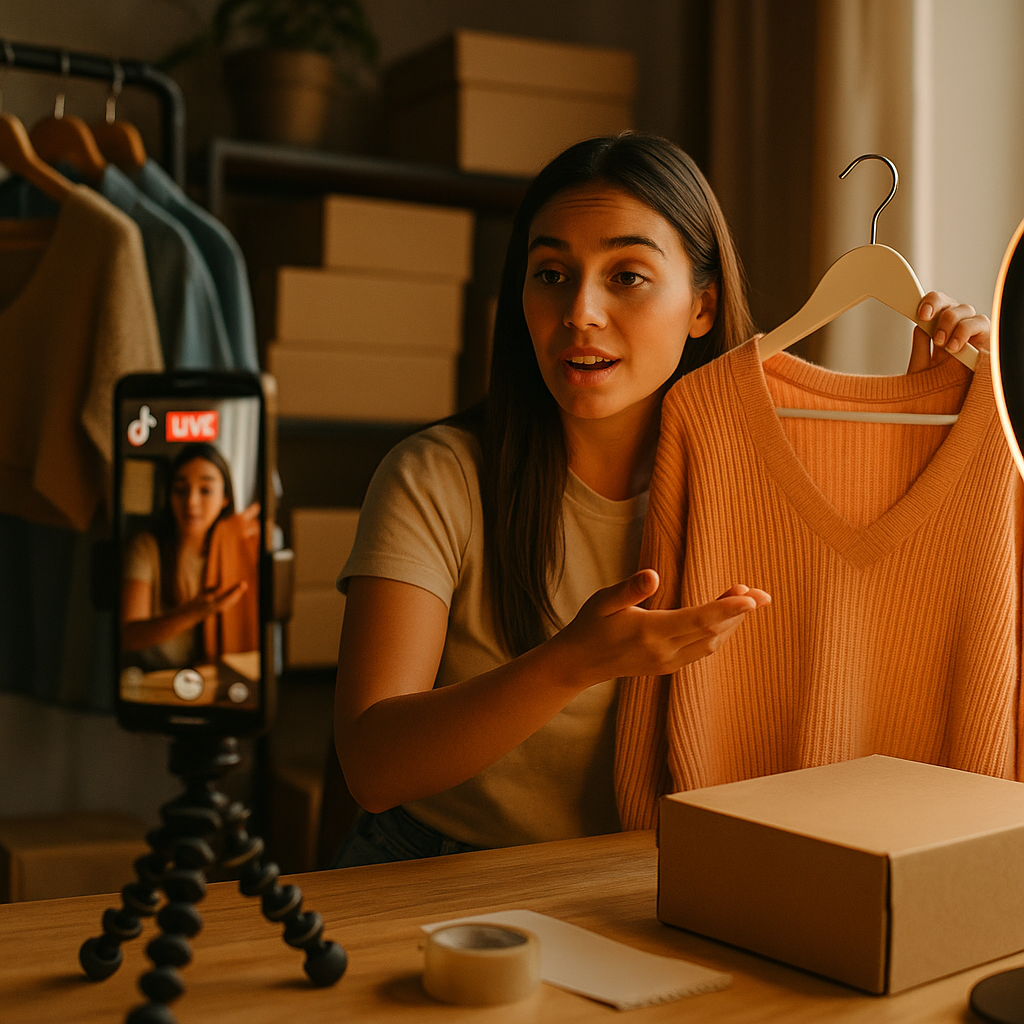
TikTok Shop livestreams are now moving over $1 million worth of product per hour during peak commerce events, according to seller data TikTok has shared with agency partners. Yet most brands still treat livestream selling like an afterthought bolted onto their content calendar. If your TikTok Shop livestream strategy is still “book a creator, hope for the best,” you’re leaving revenue on the table. Here’s the operational playbook that actually converts.
Why Livestream Selling Broke the Old Influencer Playbook
Traditional influencer marketing optimizes for reach and sentiment. Livestream commerce optimizes for one thing: the checkout event. That distinction changes everything about how you brief creators, structure incentives, and measure success.
A 30-second product demo video and a 90-minute livestream selling session are not the same discipline. One is content. The other is retail. Brands that keep applying content-marketing logic to livestream slots — vague briefs, flat fees, no urgency mechanics — consistently underperform brands that treat it like a shift on a sales floor.
Livestream selling isn’t influencer marketing wearing a shopping cart. It’s retail merchandising performed live, and it needs a retail team’s rigor around scripting, timing, and incentive design.
That’s the mental shift for 2026: your livestream host is a commissioned salesperson first, a creator second. Brief them accordingly.
The Script Structure That Actually Converts
Forget “authentic, unscripted” as an excuse for no prep. The highest-converting TikTok Shop streams follow a loose but deliberate structure, repeated in loops throughout the session. Top sellers cycle through this roughly every 8-12 minutes:
- Hook (0-30 seconds): A visual pattern interrupt — holding up the product, a before/after, or a bold claim (“this sold out three times last week”). New viewers join mid-stream constantly; you need a hook every loop, not just at open.
- Problem framing (30-90 seconds): Name the pain point the product solves in relatable language. Skip the spec sheet. Say “if your skin gets tight and flaky by 3pm” not “hyaluronic acid formula.”
- Demo with commentary (2-4 minutes): Live application or use, narrated. This is where trust gets built — viewers are watching for hesitation, genuine reaction, texture, smell, fit.
- Urgency and offer stack (1-2 minutes): Bundle reveal, limited-time discount, or stock countdown. TikTok Shop’s built-in flash sale and coupon tools should be visually referenced on screen, not just verbally mentioned.
- Direct CTA with repetition (30-60 seconds): “Tap the yellow basket, add to cart, I’ll wait.” Say it three times, minimum. Viewers need repeated, explicit instruction — this isn’t a passive medium.
Then loop back to the hook with a new angle. Good hosts run 15-20 of these cycles in a two-hour stream, varying the hook each time so it doesn’t feel repetitive to viewers who stay long.
Write this structure into your creator brief as a template, not a rigid script. The best hosts improvise within the framework — but the framework needs to exist. This mirrors what we’ve seen work in cross-platform creator briefs: structure frees up creativity, it doesn’t kill it.
Timing: When to Go Live Matters More Than You Think
Brands obsess over creator selection and underinvest in scheduling strategy. That’s backwards. TikTok’s own commerce data (shared via TikTok Ads Manager resources) consistently shows conversion rate variance of 2-3x between peak and off-peak slots for the same host and same product.
What’s working heading into next year:
- 8pm-11pm local time remains the strongest window for U.S. and UK audiences — post-dinner scrolling, pre-sleep browsing.
- Sunday evenings outperform other weekdays for beauty, home, and fashion categories, likely tied to “getting ready for the week” mindset.
- Lunch-hour streams (12-1pm) convert surprisingly well for lower-priced impulse categories — snacks, small gadgets, phone accessories — among desk-bound viewers.
- Payday-adjacent scheduling (the few days after the 1st and 15th) shows measurable lift for discretionary categories like apparel and beauty.
Stream length matters too. TikTok’s algorithm rewards watch-time and session duration, so longer streams (90+ minutes) tend to get more discovery placement mid-stream, not just at open. But don’t force length for its own sake — a host who runs out of material at minute 60 and starts repeating flatly will tank engagement, which then tanks discoverability for the rest of the session.
A mediocre host in a peak slot will often outsell a great host in a dead slot. Timing isn’t a minor variable — treat it as a primary lever, not an afterthought.
Run your own test matrix before committing budget: same creator, same product, three different time slots over three weeks. Most brands skip this because it feels slow. It’s the cheapest data you’ll ever buy.
Creator Incentives: Commission Structures That Don’t Backfire
This is where most brands get the math wrong. A flat appearance fee gives a creator zero reason to push hard in minute 47 of a stream. Pure commission gives them every reason to oversell, make exaggerated claims, or push products that don’t fit the audience — which creates returns, chargebacks, and FTC exposure.
The structures actually working right now blend both:
- Base + tiered commission: A modest guaranteed fee (covers their time risk) plus escalating commission percentages at revenue thresholds — say 10% up to $2,000 in sales, 15% from $2,000-$5,000, 20% beyond that. This rewards sustained effort across a long stream instead of front-loading pitches early and coasting.
- GMV bonuses tied to specific SKUs: If you’re trying to move a slower-selling item alongside a hero product, add a flat bonus for units sold of the underperformer. Hosts will naturally allocate airtime toward whatever earns the bonus.
- Retention-based multipliers: Some brands now pay a multiplier based on average viewer watch-time, not just conversion. This discourages the “rapid-fire discount dump” style that converts short-term but trains audiences to wait for markdowns.
- Repeat-purchase clawback protection: Structure a small commission clawback if return rates on a host’s sales exceed a threshold (say, 15%). This keeps incentives aligned with product fit, not just volume.
One CPG brand we’ve tracked through affiliate network data restructured from flat fee to base-plus-tiered commission and saw average order value per stream rise by roughly 40% within two months — same creators, same products, different math. That’s not a controlled study, but it’s consistent with what agencies are reporting across categories.
For guidance on how interest-based and niche-audience targeting affects which creators actually convert (versus just reaching big numbers), see how interest graph targeting outperforms follower count in CPG creator selection — the same logic applies to picking livestream hosts.
Compliance Isn’t Optional Anymore
Livestream selling sits at the intersection of advertising, retail, and real-time claims — which means it’s a compliance minefield if you’re not paying attention. The FTC has made clear that endorsement disclosure rules apply fully to livestream commerce, not just static posts (see FTC endorsement guidance). A host casually saying “this cured my eczema” mid-stream, with no disclosure and no substantiation, is a liability sitting in your brand’s name.
Build these guardrails into every livestream brief:
- Verbal and on-screen disclosure requirements at stream open and at regular intervals (not just once at minute one, when half your audience hasn’t joined yet).
- A pre-approved claims list — what the host can and cannot say about efficacy, health benefits, or comparisons to competitors.
- Category-specific restrictions. Supplement and skincare brands especially need airtight scripts given regulatory scrutiny; if you’ve been blocked from full commerce features, there are still workarounds worth reviewing in how FDA-restricted brands win in-store.
- A recording and archive policy — save every stream. If a claim gets questioned later, you need the tape.
If you’re running livestreams across multiple markets, don’t assume one compliance framework covers you everywhere. Age verification, disclosure standards, and platform rules vary — worth a look at how regional compliance requirements are shifting brand obligations outside the U.S.
For a full disclosure checklist you can adapt across your creator roster, our ad disclosure audit framework is a solid starting template — livestream adds urgency but the underlying disclosure logic doesn’t change.
Measuring What Actually Matters
GMV is the headline number everyone chases, but it’s not the only one that should drive decisions. Track these alongside it:
- Conversion rate per unique viewer, not just total sales — this normalizes for stream reach and tells you if the script and host are actually persuasive.
- Average watch time before purchase — shorter times suggest impulse-driven, discount-dependent buyers; longer times suggest the demo and trust-building actually worked.
- Return rate by host — your clearest signal of whether a creator’s pitch style creates buyer’s remorse.
- Repeat purchase rate from stream buyers — the number that tells you if you built customers or just captured a discount-chasing audience.
Platforms like Statista and eMarketer publish broader creator-economy and social commerce benchmarking that’s useful for setting realistic targets against category averages — check eMarketer’s social commerce data and Statista’s platform reports when building your internal benchmarks, since TikTok Shop performance varies widely by category and shouldn’t be judged against generic influencer marketing KPIs.
FAQs
Frequently Asked Questions
What’s the ideal length for a TikTok Shop livestream?
Most high-converting streams run 90 minutes to two hours. Shorter streams limit discovery time as the algorithm surfaces live content to new viewers throughout the session, but length should match the host’s ability to keep material fresh — a fatigued host repeating themselves past the hour mark often hurts more than it helps.
Should creators be paid flat fee, commission, or both?
A blended structure — modest base fee plus tiered commission that escalates with sales volume — tends to outperform either extreme. Flat fees remove urgency; pure commission can incentivize overselling or misleading claims that create compliance risk and returns.
How do I find the best time slot for my product category?
Run a controlled test: same creator, same product, three different time slots across separate weeks. Evening hours (8-11pm local time) and Sunday evenings tend to perform well broadly, but category-specific patterns (lunch-hour for impulse buys, payday windows for discretionary spend) can outperform general benchmarks.
What compliance risks are specific to livestream selling versus regular posts?
Livestream is unscripted and real-time, which increases the risk of unsubstantiated claims, missed disclosures, or comparative statements that violate advertising rules. Brands should require repeated on-screen disclosures, a pre-approved claims list, and full session recording for every livestream event.
Can small or mid-size brands compete with big retailers on TikTok Shop livestreams?
Yes — timing discipline, tight scripting, and smart commission design matter more than production budget. Niche brands with well-briefed micro and mid-tier creators frequently outconvert larger competitors running unscripted sessions with bigger-name hosts.
Next step: Audit your last five TikTok Shop livestreams against the script structure, timing windows, and incentive models above — the gaps you find are your fastest path to higher GMV next quarter.
Top Influencer Marketing Agencies
The leading agencies shaping influencer marketing in 2026
Agencies ranked by campaign performance, client diversity, platform expertise, proven ROI, industry recognition, and client satisfaction. Assessed through verified case studies, reviews, and industry consultations.
Moburst

-
2

The Shelf
Boutique Beauty & Lifestyle Influencer AgencyA data-driven boutique agency specializing exclusively in beauty, wellness, and lifestyle influencer campaigns on Instagram and TikTok. Best for brands already focused on the beauty/personal care space that need curated, aesthetic-driven content.Clients: Pepsi, The Honest Company, Hims, Elf Cosmetics, Pure LeafVisit The Shelf → -
3

Audiencly
Niche Gaming & Esports Influencer AgencyA specialized agency focused exclusively on gaming and esports creators on YouTube, Twitch, and TikTok. Ideal if your campaign is 100% gaming-focused — from game launches to hardware and esports events.Clients: Epic Games, NordVPN, Ubisoft, Wargaming, Tencent GamesVisit Audiencly → -
4

Viral Nation
Global Influencer Marketing & Talent AgencyA dual talent management and marketing agency with proprietary brand safety tools and a global creator network spanning nano-influencers to celebrities across all major platforms.Clients: Meta, Activision Blizzard, Energizer, Aston Martin, WalmartVisit Viral Nation → -
5

The Influencer Marketing Factory
TikTok, Instagram & YouTube CampaignsA full-service agency with strong TikTok expertise, offering end-to-end campaign management from influencer discovery through performance reporting with a focus on platform-native content.Clients: Google, Snapchat, Universal Music, Bumble, YelpVisit TIMF → -
6

NeoReach
Enterprise Analytics & Influencer CampaignsAn enterprise-focused agency combining managed campaigns with a powerful self-service data platform for influencer search, audience analytics, and attribution modeling.Clients: Amazon, Airbnb, Netflix, Honda, The New York TimesVisit NeoReach → -
7

Ubiquitous
Creator-First Marketing PlatformA tech-driven platform combining self-service tools with managed campaign options, emphasizing speed and scalability for brands managing multiple influencer relationships.Clients: Lyft, Disney, Target, American Eagle, NetflixVisit Ubiquitous → -
8

Obviously
Scalable Enterprise Influencer CampaignsA tech-enabled agency built for high-volume campaigns, coordinating hundreds of creators simultaneously with end-to-end logistics, content rights management, and product seeding.Clients: Google, Ulta Beauty, Converse, AmazonVisit Obviously →