


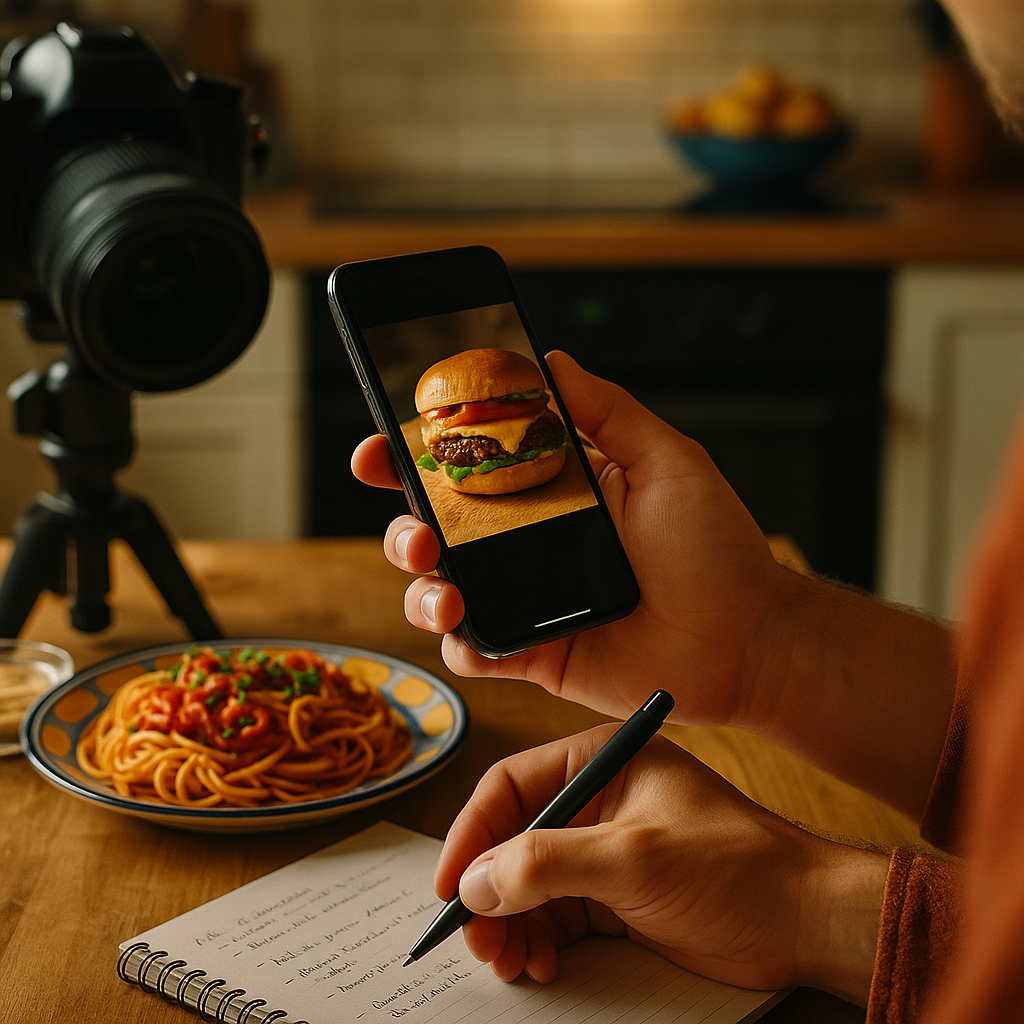
Recipe remix videos rack up billions of views a year, yet most branded versions flop by minute one. Why? Because the brief made the product the point instead of the twist. The recipe remix format only works when the product disappears into the dish, not when it’s bolted on like a sponsor slide.
Food brands love this format because it looks cheap and performs huge. A creator takes a nostalgic dish, grandma’s lasagna, a diner grilled cheese, and “remixes” it with a modern technique, a fusion twist, or a shortcut. Audiences watch for the reveal. Brands want in because the format has built-in retention and a natural hook for product integration. But there’s a wide gap between a remix video that goes viral and one that actually moves units.
Why the Format Works (and Why Brands Keep Getting It Wrong)
Recipe remixes borrow credibility from nostalgia. Viewers already trust the base dish, so the creator only has to earn trust for the twist. That’s a much lower lift than convincing someone to try something totally new. It’s the same psychological shortcut that makes before-and-after formats so effective: familiar setup, satisfying payoff.
Where brands go wrong is treating the remix as a commercial with extra steps. They ask for the product to appear five times, insist on a scripted taste reaction, and demand the packaging stay in frame for the whole video. The result feels like an infomercial wearing a food-blog costume. Audiences smell it instantly, and completion rates tank.
The best recipe remix briefs treat the product as a technique, not a topic. If the brand could be swapped out and the video still makes sense, the integration wasn’t real.
Compare that to a remix where the product solves an actual cooking problem inside the dish, a sauce that replaces a three-step reduction, a spice blend that fixes a flavor gap in the classic recipe. That’s integration a viewer can’t skip past, because it’s load-bearing. Remove it and the remix falls apart.
What a Strong Brief Actually Contains
Most food brand briefs are ingredient lists dressed up as creative direction. They tell the creator what to say about the product but never explain the job the product needs to do inside the recipe. Fix that first.
- The classic dish, named specifically. “Comfort food” is not a brief. “1990s baked ziti” or “diner-style patty melt” gives the creator a clear cultural reference to riff against.
- The one functional or flavor problem the product solves. Does it cut prep time, add umami, replace a hard-to-source ingredient, or fix a common mistake home cooks make? Pick one. Trying to sell three benefits in one remix dilutes all three.
- The moment of integration, not the frequency. Instead of “show product 4 times,” specify “product appears at the substitution moment and once in the final plating shot.” Fewer, more meaningful appearances beat repetition.
- Freedom on the remix itself. Brands should own the product’s role, not the creative twist. Let the creator decide whether the remix is a flavor fusion, a technique shortcut, or a dietary swap.
- A clear disclosure instruction. Every paid or gifted remix needs a compliant disclosure per FTC endorsement guidelines, placed early and legibly, not buried in a caption wall.
This is the same discipline that makes product-as-character content work: give the product a job inside the story, then get out of the way creatively.
Brief the Problem, Not the Punchline
Here’s a test every brand marketer should run before sending a brief: does it explain what problem the product solves in the dish, or just where the product should appear on screen? If it’s the latter, rewrite it. Creators are better at punchlines than brand teams will ever be. Give them the functional setup and trust them to land the joke, the twist, or the reveal.
A sauce brand briefing a “remixed carbonara” shouldn’t script “creator holds jar and says it’s easier.” Instead: “our sauce replaces the egg-tempering step that trips up 80% of home cooks attempting carbonara, per our own customer research.” Now the creator has a real narrative tension to build the remix around, the classic dish’s hardest step, solved.
Casting Matters More Than the Recipe
Recipe remix content splits into two creator archetypes, and food brands frequently cast the wrong one for the job. Technique-driven cooking creators (think chef-trained accounts doing precise remixes) build trust through mastery. Chaos-and-comfort creators (home-style, messy-kitchen energy) build trust through relatability. A product that’s about precision, a specialty oil, a technique-enabling gadget, needs the first type. A product that’s about ease and accessibility, a shortcut sauce, a meal kit, needs the second.
Mismatch the two and the remix rings false. A precision chef awkwardly hyping a “5-minute hack” reads as condescending. A chaos creator fumbling through a technical French remix reads as forced. Brief casting requirements as clearly as creative requirements, and review a creator’s last 10 videos before locking the deal, not just their follower count or average views.
Recipe remix engagement lives or dies on trust transfer. The wrong creator archetype for your product category breaks that transfer even with perfect scripting.
Structure the Remix Like a Story, Not a Tutorial
Straight recipe tutorials are utility content. Remixes are entertainment with a utility bonus. That distinction should shape the brief’s structure:
- Cold open on the classic dish, establishing what everyone already knows and loves about it.
- Introduce the twist as a problem-solution beat, where the product enters naturally at the moment it’s needed.
- Show the remix coming together, ideally with quick-cut pacing; this is where hyper-lapse techniques can compress a 40-minute cook into 20 punchy seconds without losing craveability.
- The payoff, plating, first bite, reaction. This has to be genuine, not performative. Audiences can tell the difference between a real “oh, that’s good” and an actor’s read.
- A soft CTA, ideally embedded in dialogue (“linking the sauce below if you want to try it”) rather than a hard sell tacked onto the end.
Notice that product mentions cluster around steps two and four. That’s intentional. Recipe remix content that spreads product mentions evenly across the runtime feels like an ad; content that clusters mentions around narrative beats feels like a recommendation.
Platform Shapes the Remix, Too
TikTok and Instagram Reels favor fast remixes under 60 seconds, heavy on jump cuts, plating shots, and trending audio. YouTube Shorts audiences will tolerate a slightly longer build if the technique payoff is bigger. Long-form YouTube supports the full remix arc, including ingredient sourcing and technique explanation, which works well for higher-consideration products like specialty cookware or premium ingredients.
Briefs should specify platform-native pacing rather than asking a creator to cut one long video into three formats. According to Sprout Social’s platform research, food and cooking content sees some of the highest save-and-share rates on Instagram and TikTok, which makes the final plating shot arguably the most important frame in the whole remix, since it’s what gets screenshotted and sent to friends. Brief for that shot specifically: good lighting, clean plate, product visible but not staged like a catalog photo.
Captions matter more than most food brands assume, too. A growing share of recipe remix content gets watched with sound off, especially in-feed on Instagram. Borrowing structure from sound-off caption design means briefing on-screen text for ingredient callouts and measurement swaps, not just relying on voiceover.
Measurement: What Actually Counts as ROI Here
Views are the least useful metric for recipe remix content. Saves and shares matter more, because they predict whether someone will actually attempt the recipe later, which is when purchase intent peaks. Track save rate against your category benchmark, and treat comment sentiment (specifically, comments asking where to buy the product or asking for the full recipe) as a leading indicator worth reporting to leadership.
Retail-adjacent brands should also track a lag metric: search lift for the product name in the 48 hours after a remix posts. eMarketer’s consumer research has repeatedly shown food-related social content driving direct search and grocery-list behavior, which matters more for CPG food brands than immediate link clicks. If your measurement stack only tracks click-through, you’re missing most of the format’s actual commercial impact.
For brands running recurring remix programs, benchmark performance the way you’d benchmark any recurring format in your content format taxonomy, rather than judging every video in isolation. A remix series builds compounding trust; one-off remixes rarely do.
Compliance deserves one more note. Taste and health claims inside recipe content (“this is healthier,” “this cuts sugar by half”) fall under the same scrutiny as any functional claim. Review the FTC compliance guidance on functional claims before approving any script that implies a nutritional or health benefit, even casually, in a remix voiceover.
Run one pilot remix, measure saves and search lift rather than views alone, then scale the creator archetype and platform combination that actually moved product.
FAQs
What makes a recipe remix different from a standard cooking video?
A standard cooking tutorial teaches a process start to finish. A recipe remix reinvents a dish audiences already know, using a twist, shortcut, or fusion element as the entertainment hook, with the payoff being the reveal of the new version rather than instruction alone.
How many times should a product appear in a recipe remix video?
Fewer than brands assume. Two to three meaningful appearances tied to actual narrative beats (the substitution moment and the final plating shot) outperform five or six generic product shots spread evenly through the video.
Which creators should food brands cast for recipe remix content?
Match the creator archetype to the product’s value proposition. Precision-driven products need technique-focused cooking creators; convenience-driven products need relatable, home-kitchen creators. Mismatching the two undermines trust transfer and makes the integration feel forced.
What metrics matter most for recipe remix content?
Save rate, share rate, comment sentiment around purchase intent, and search lift for the product name matter more than raw view counts, since they better predict whether viewers will actually buy or attempt the recipe.
How do brands stay FTC compliant in recipe remix content?
Disclosures need to appear early and legibly, not buried in captions, and any taste or health claim should be reviewed against FTC endorsement and functional claims guidance before the video is approved for posting.
FAQs
What makes a recipe remix different from a standard cooking video?
A standard cooking tutorial teaches a process start to finish. A recipe remix reinvents a dish audiences already know, using a twist, shortcut, or fusion element as the entertainment hook, with the payoff being the reveal of the new version rather than instruction alone.
How many times should a product appear in a recipe remix video?
Fewer than brands assume. Two to three meaningful appearances tied to actual narrative beats (the substitution moment and the final plating shot) outperform five or six generic product shots spread evenly through the video.
Which creators should food brands cast for recipe remix content?
Match the creator archetype to the product’s value proposition. Precision-driven products need technique-focused cooking creators; convenience-driven products need relatable, home-kitchen creators. Mismatching the two undermines trust transfer and makes the integration feel forced.
What metrics matter most for recipe remix content?
Save rate, share rate, comment sentiment around purchase intent, and search lift for the product name matter more than raw view counts, since they better predict whether viewers will actually buy or attempt the recipe.
How do brands stay FTC compliant in recipe remix content?
Disclosures need to appear early and legibly, not buried in captions, and any taste or health claim should be reviewed against FTC endorsement and functional claims guidance before the video is approved for posting.
Top Influencer Marketing Agencies
The leading agencies shaping influencer marketing in 2026
Agencies ranked by campaign performance, client diversity, platform expertise, proven ROI, industry recognition, and client satisfaction. Assessed through verified case studies, reviews, and industry consultations.
Moburst

-
2

The Shelf
Boutique Beauty & Lifestyle Influencer AgencyA data-driven boutique agency specializing exclusively in beauty, wellness, and lifestyle influencer campaigns on Instagram and TikTok. Best for brands already focused on the beauty/personal care space that need curated, aesthetic-driven content.Clients: Pepsi, The Honest Company, Hims, Elf Cosmetics, Pure LeafVisit The Shelf → -
3

Audiencly
Niche Gaming & Esports Influencer AgencyA specialized agency focused exclusively on gaming and esports creators on YouTube, Twitch, and TikTok. Ideal if your campaign is 100% gaming-focused — from game launches to hardware and esports events.Clients: Epic Games, NordVPN, Ubisoft, Wargaming, Tencent GamesVisit Audiencly → -
4

Viral Nation
Global Influencer Marketing & Talent AgencyA dual talent management and marketing agency with proprietary brand safety tools and a global creator network spanning nano-influencers to celebrities across all major platforms.Clients: Meta, Activision Blizzard, Energizer, Aston Martin, WalmartVisit Viral Nation → -
5

The Influencer Marketing Factory
TikTok, Instagram & YouTube CampaignsA full-service agency with strong TikTok expertise, offering end-to-end campaign management from influencer discovery through performance reporting with a focus on platform-native content.Clients: Google, Snapchat, Universal Music, Bumble, YelpVisit TIMF → -
6

NeoReach
Enterprise Analytics & Influencer CampaignsAn enterprise-focused agency combining managed campaigns with a powerful self-service data platform for influencer search, audience analytics, and attribution modeling.Clients: Amazon, Airbnb, Netflix, Honda, The New York TimesVisit NeoReach → -
7

Ubiquitous
Creator-First Marketing PlatformA tech-driven platform combining self-service tools with managed campaign options, emphasizing speed and scalability for brands managing multiple influencer relationships.Clients: Lyft, Disney, Target, American Eagle, NetflixVisit Ubiquitous → -
8

Obviously
Scalable Enterprise Influencer CampaignsA tech-enabled agency built for high-volume campaigns, coordinating hundreds of creators simultaneously with end-to-end logistics, content rights management, and product seeding.Clients: Google, Ulta Beauty, Converse, AmazonVisit Obviously →