


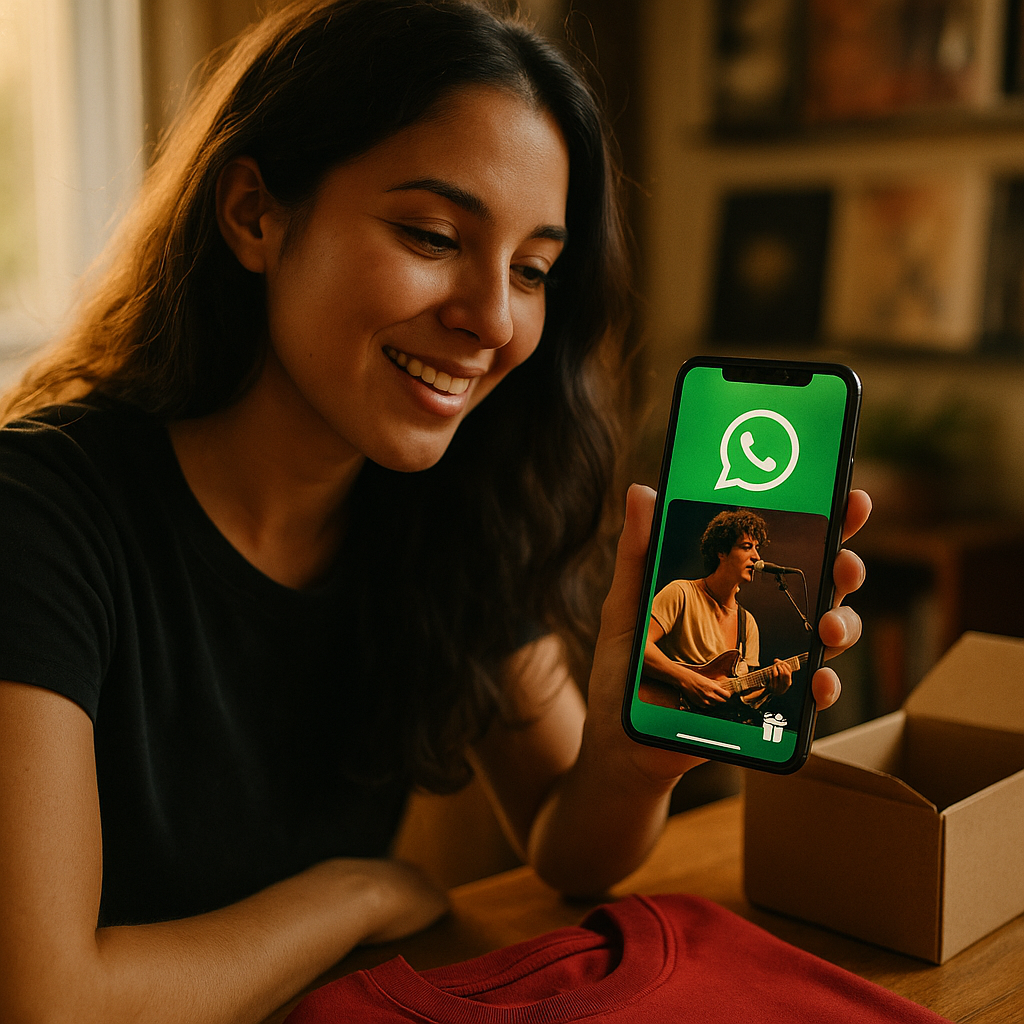
Open rates on WhatsApp Channels routinely clear 60-70%, while your brand’s email list limps along at 20%. That gap isn’t a fluke. It’s a signal that the WhatsApp Channels playbook your competitors are quietly building deserves your attention before the channel gets crowded and noisy like everywhere else.
Superfans don’t want another algorithm deciding whether they see your content. They want a direct line. WhatsApp Channels — the one-way broadcast feature sitting inside the world’s most-used messaging app — gives brands exactly that, without the group-chat chaos or the platform’s usual ad tax.
Why This Format Deserves a Real Strategy, Not a Side Project
WhatsApp has over 3 billion monthly active users globally, and Channels launched as a broadcast-only layer specifically so businesses and creators could push updates without triggering the reply-all mess that killed WhatsApp Broadcast Lists years ago. Followers can’t see each other. They can’t hijack your thread with complaints. They just get your message, react with an emoji, and move on.
For brands running creator programs, this matters more than it looks. A creator with a WhatsApp Channel isn’t renting attention from a feed algorithm. They own a direct, permission-based relationship with the exact audience segment most likely to buy. That’s a retention asset, not a vanity metric.
A WhatsApp Channel is the closest thing to an owned-media list that still feels native to social — no algorithm gatekeeping, no ad auction, just a subscriber who opted in and stayed.
Compare that to Instagram, where reach depends entirely on how the platform decides to score your creator partnerships. If you’ve followed how Instagram’s algorithm exposes sloppy creator targeting, you already know the frustration of building an audience you don’t actually control. Channels flip that dynamic. The list is yours, or your creator’s, and it stays that way regardless of platform mood swings.
What Makes a Broadcast “One-Way” and Why That’s a Feature
Followers can’t reply directly to the channel. They can react with emojis and vote in polls, but they can’t flood the thread with comments or DM the whole list. This constraint is deliberate, and it’s the entire reason engagement rates stay high. No noise means every message actually gets read, not scrolled past in a sea of replies.
This is also why Channels function more like a newsletter than a group chat. Structuring content should follow the same discipline you’d apply to email: cadence, segmentation, and a clear reason to open every single message.
Structuring the Broadcast Calendar So It Doesn’t Feel Like Spam
Here’s where most brands mess it up. They treat the Channel like another content dump — reposting Instagram captions, cross-posting TikToks, hoping volume equals engagement. It doesn’t. Superfans subscribed for something they can’t get anywhere else.
A working cadence structure looks like this:
- Exclusive drops first. Product previews, restock alerts, or early-access codes that never appear on public feeds.
- Behind-the-scenes fragments. Voice notes, short videos, or photos that feel unscripted — the opposite of a polished ad.
- Polls for micro-decisions. Let the list vote on packaging colors or which product ships next. It’s cheap market research disguised as engagement.
- Scarcity-driven CTAs. “First 50 people to reply get X” — even though replies aren’t visible to others, the reaction counter creates social proof.
- Silence between drops. Two or three messages a week beats daily noise. Superfans stay superfans when they’re not annoyed.
Frequency discipline is the single biggest lever here. Sprout Social’s engagement research consistently shows that over-posting collapses response rates across nearly every messaging format, and WhatsApp is no exception — Sprout Social’s platform benchmarks back this up across channels. Treat every broadcast like it costs something to send, because attention is the actual cost.
Segmentation Without a CRM
WhatsApp Channels don’t offer native audience segmentation the way email platforms do. That’s a real limitation, and brands need to work around it rather than pretend it doesn’t exist. The workaround: run multiple Channels tied to different creator tiers or product categories, rather than one all-purpose broadcast trying to serve everyone.
A skincare brand, for example, might run separate Channels for its dermatologist-partner content versus its influencer-styled tutorials. Followers self-select based on what they actually want, and open rates stay high because relevance stays high.
Creator Compensation: Paying for Loyalty, Not Just Reach
This is the part brand teams tend to underbuild. If a creator’s Channel becomes a genuine sales driver, the compensation model needs to reflect that — not treat it as a bonus perk bolted onto a standard sponsorship deal.
Three models are working right now for agencies structuring these deals:
- Flat retainer plus performance kicker. Base fee for channel management, with a bonus tied to click-throughs on trackable links shared in broadcasts.
- Affiliate-style commission. Unique promo codes distributed only through the Channel, letting brands isolate exactly how much revenue the format drives.
- Co-owned channel equity. Brand and creator jointly manage a Channel under a shared handle, splitting both content duties and revenue. Riskier, but it deepens the creator’s incentive to keep the list warm.
Whichever model you choose, track it the same way you’d track Instagram Broadcast Channels for repeat purchase — because the operational logic is nearly identical. Both formats reward brands that treat one-way broadcasts as retention infrastructure, not another content bucket in the media plan.
Compliance Isn’t Optional Here
WhatsApp Business Platform has strict opt-in requirements, and Meta enforces them. Followers must actively subscribe to a Channel; brands can’t import contact lists and auto-enroll people the way some tried with early SMS marketing. Violate this and you risk account suspension, which for a brand running commerce through the channel means real revenue exposure, not just a slap on the wrist.
Regulatory scrutiny on messaging consent has only intensified. The FTC has been explicit about consent standards for commercial messaging, and the same logic that governs FTC guidance on marketing disclosures applies here: if a creator is compensated to promote your product through their Channel, that relationship needs disclosure, just as it would on any other platform.
Treat WhatsApp Channel compliance the same way you’d treat sponsored disclosure anywhere else — because regulators increasingly do.
Build a simple compliance checklist into every creator brief: opt-in only, clear #ad or #sponsored language when compensation is involved, and no scraped contact imports. It’s not glamorous work, but it’s cheaper than a suspended account mid-campaign.
Measuring What Actually Matters
Vanity metrics don’t work here the way they do on Instagram or TikTok. Follower count on a Channel is almost meaningless without engagement context, because WhatsApp doesn’t expose granular analytics the way ad platforms do. Brands need to build their own measurement layer.
What to actually track:
- Reaction rate per broadcast — the WhatsApp equivalent of an open rate proxy.
- Link click-through via UTM-tagged URLs in every message.
- Promo code redemption tied specifically to Channel-only codes.
- Follower retention over time — are people leaving after the initial hype, or staying subscribed for months?
eMarketer’s ongoing research into messaging-app commerce has flagged retention as the metric that actually predicts lifetime value, more than reach ever did — check eMarketer’s messaging commerce data for the broader trend line. A Channel that holds 80% of its subscribers after three months is worth more than one that doubled in size and lost half of them.
This measurement discipline mirrors what’s happening across other creator-owned formats. The same retention logic drives strategies in Discord server monetization, where paid tiers only work if the community actually stays engaged month over month. WhatsApp Channels are the free, lower-friction cousin of that same idea.
Where This Fits in the Broader Creator Stack
WhatsApp Channels shouldn’t replace your existing creator program — they should sit alongside it as the retention layer. Use TikTok and Instagram for discovery and reach. Use the Channel for the follow-through: turning a one-time buyer into someone who shows up for every drop.
Brands running affiliate programs elsewhere, like the ones detailed in TikTok Shop affiliate commission tiers, should think of WhatsApp Channels as the retention bridge between that first affiliate-driven purchase and the fifth repeat one. Discovery platforms bring people in. Channels keep them.
Is this format right for every brand? Not necessarily. If your customer base skews heavily toward markets where WhatsApp isn’t dominant, like large parts of the domestic US market outside diaspora communities, the ROI math shifts. But in Latin America, India, the Middle East, and much of Europe, WhatsApp isn’t a secondary app. It’s the primary one. Structuring a Channel there isn’t optional innovation, it’s table stakes.
FAQs
Frequently Asked Questions
What’s the difference between a WhatsApp Channel and a WhatsApp Group?
Groups allow two-way conversation among all members; Channels are strictly one-way broadcasts from the admin to followers. Followers can react and vote in polls but can’t message the channel or see other subscribers.
How many followers does a Channel need before it’s worth a brand’s investment?
Follower count matters less than engagement rate. A Channel with 5,000 highly engaged superfans reacting to every broadcast often outperforms one with 50,000 passive subscribers. Focus budget on creators whose audiences actually open and act on messages.
Can brands run their own WhatsApp Channel without a creator?
Yes, through the WhatsApp Business Platform. Many brands run branded Channels directly, then layer creator-hosted Channels on top for categories where a personal voice builds more trust than a corporate handle.
How do you track ROI without native WhatsApp analytics?
Use UTM-tagged links in every broadcast, unique promo codes per Channel, and manual reaction-rate tracking. Treat it like early email marketing before robust dashboards existed — the fundamentals still apply.
Is creator disclosure required on WhatsApp Channel broadcasts?
Yes. If a creator is compensated to promote a product through their Channel, standard sponsored-content disclosure rules apply, consistent with FTC guidance on endorsements across any platform.
Start small: pick one creator partner, launch a single Channel with a two-message-a-week cadence, and track reaction rate for 60 days before scaling budget. The brands winning superfan loyalty right now aren’t the loudest on WhatsApp — they’re the most disciplined about frequency and exclusivity.
Top Influencer Marketing Agencies
The leading agencies shaping influencer marketing in 2026
Agencies ranked by campaign performance, client diversity, platform expertise, proven ROI, industry recognition, and client satisfaction. Assessed through verified case studies, reviews, and industry consultations.
Moburst

-
2

The Shelf
Boutique Beauty & Lifestyle Influencer AgencyA data-driven boutique agency specializing exclusively in beauty, wellness, and lifestyle influencer campaigns on Instagram and TikTok. Best for brands already focused on the beauty/personal care space that need curated, aesthetic-driven content.Clients: Pepsi, The Honest Company, Hims, Elf Cosmetics, Pure LeafVisit The Shelf → -
3

Audiencly
Niche Gaming & Esports Influencer AgencyA specialized agency focused exclusively on gaming and esports creators on YouTube, Twitch, and TikTok. Ideal if your campaign is 100% gaming-focused — from game launches to hardware and esports events.Clients: Epic Games, NordVPN, Ubisoft, Wargaming, Tencent GamesVisit Audiencly → -
4

Viral Nation
Global Influencer Marketing & Talent AgencyA dual talent management and marketing agency with proprietary brand safety tools and a global creator network spanning nano-influencers to celebrities across all major platforms.Clients: Meta, Activision Blizzard, Energizer, Aston Martin, WalmartVisit Viral Nation → -
5

The Influencer Marketing Factory
TikTok, Instagram & YouTube CampaignsA full-service agency with strong TikTok expertise, offering end-to-end campaign management from influencer discovery through performance reporting with a focus on platform-native content.Clients: Google, Snapchat, Universal Music, Bumble, YelpVisit TIMF → -
6

NeoReach
Enterprise Analytics & Influencer CampaignsAn enterprise-focused agency combining managed campaigns with a powerful self-service data platform for influencer search, audience analytics, and attribution modeling.Clients: Amazon, Airbnb, Netflix, Honda, The New York TimesVisit NeoReach → -
7

Ubiquitous
Creator-First Marketing PlatformA tech-driven platform combining self-service tools with managed campaign options, emphasizing speed and scalability for brands managing multiple influencer relationships.Clients: Lyft, Disney, Target, American Eagle, NetflixVisit Ubiquitous → -
8

Obviously
Scalable Enterprise Influencer CampaignsA tech-enabled agency built for high-volume campaigns, coordinating hundreds of creators simultaneously with end-to-end logistics, content rights management, and product seeding.Clients: Google, Ulta Beauty, Converse, AmazonVisit Obviously →