


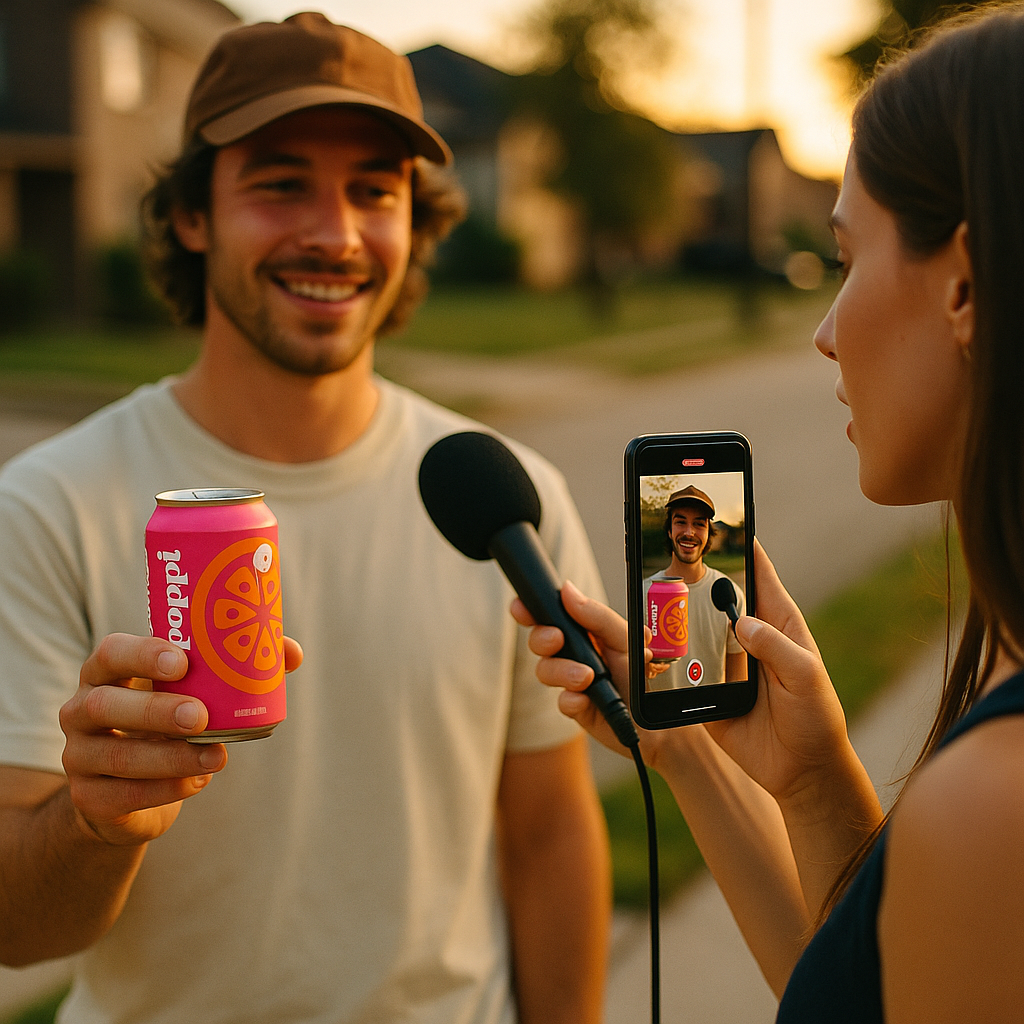
Seventy percent of consumers say they’d drop a brand over a single deceptive health claim. Poppi found that out the hard way, paying $8.9 million to settle a class-action lawsuit over its “gut health” marketing. What happened next matters more: a micro-creator-led transparency campaign that turned a legal liability into a case study on rebuilding trust. This is how it worked, and what brands facing similar scrutiny should steal from it.
The Lawsuit That Forced a Reckoning
Poppi built a nine-figure prebiotic soda business on a simple pitch: sugar-free soda that’s actually good for you. The problem? Plaintiffs argued the science didn’t support the gut health claims plastered across cans, ads, and — critically — hundreds of sponsored posts. The suit alleged the amount of prebiotics in each can was too negligible to deliver the promised digestive benefits.
Poppi settled without admitting wrongdoing, a standard move. But the reputational damage was already compounding across social feeds where influencers had spent two years amplifying unverified health claims to millions of followers. That’s the part legal settlements don’t fix. You can pay off a class action. You can’t un-ring the bell on thousands of TikToks telling consumers a soda will fix their microbiome.
The lawsuit wasn’t really about the money — $8.9 million is a rounding error for a brand valued in the hundreds of millions. It was about whether Poppi’s entire influencer-driven growth engine had been built on a claim regulators and courts increasingly view as unsubstantiated.
Why Macro Influencers Became a Liability
Poppi’s original growth strategy leaned heavily on celebrity and macro-influencer seeding — Super Bowl gifting suites, A-list posts, the works. That approach generates reach fast. It also generates risk fast, because celebrity endorsers rarely engage with the underlying science. They post what the brief tells them, collect the check, and move on. When the claims unravel, there’s no credible voice to walk consumers back from the ledge.
Brands watching Poppi’s stumble should recognize the pattern. It’s the same dynamic covered in our breakdown of nano-creator seeding strategies for trust recovery — scale without substantiation is a liability waiting for a plaintiff’s attorney.
So Poppi pivoted. Hard.
The Micro-Creator Transparency Pivot
Instead of doubling down on reach, Poppi’s post-settlement strategy shifted budget toward micro-creators (generally 10,000 to 100,000 followers) in health, nutrition, and dietetics niches. The difference wasn’t just audience size. It was credibility and specificity.
The new brief structure required creators to:
- Cite the exact prebiotic fiber content per can (2g, not vague “gut health” language)
- Avoid disease-cure or digestive-fix framing entirely
- Disclose paid partnerships clearly, per FTC endorsement guidelines
- Include registered dietitians or credentialed nutrition creators where health claims were discussed
This is the same operational lesson brands should take from our companion piece on how Poppi rebuilt trust after lawsuit with nano-creators: specificity beats vagueness, and credentialed voices beat follower count when health claims are on the line.
What Changed in the Creator Brief, Line by Line
Old brief language: “Poppi supports gut health and helps you feel your best.”
New brief language: “Each can contains 2g of prebiotic fiber from agave inulin. Talk to your doctor about how prebiotics fit your diet.”
Small change. Massive legal and reputational difference. The second version is defensible. The first version is a lawsuit waiting to happen — which is exactly what occurred.
Did It Actually Rebuild Trust? The Numbers Say Yes, Mostly
Trust metrics are notoriously squishy, but a few directional signals stand out. Sentiment analysis on brand mentions showed a measurable decline in skepticism-flagged comments (words like “scam,” “lawsuit,” “fake”) within two quarters of the creator brief overhaul. Engagement rates on dietitian-led content outperformed the brand’s own owned-channel posts by a wide margin, consistent with broader industry data from Sprout Social showing consumers trust third-party creators over branded content by a factor of roughly three to one.
Retail velocity data also held steady through the settlement period, suggesting the core customer base didn’t bail — but new customer acquisition slowed, which tracks with reputational drag among consumers who hadn’t yet formed brand loyalty.
The lesson isn’t that micro-creators are inherently more honest. It’s that smaller, niche creators have more to lose reputationally if they push a claim their own audience can fact-check. That built-in accountability is what macro deals lack.
The Compliance Infrastructure Nobody Talks About
Here’s the part brand teams underinvest in: the backend review process. Poppi reportedly added a legal and regulatory affairs sign-off step for any creator content touching health claims, not just brand messaging. That’s a meaningful operational shift. Most influencer programs route creator content through marketing and brand safety teams. Few route it through legal for substantiation review before it goes live.
This mirrors what we’ve seen in adjacent categories navigating regulatory heat — see our coverage of authenticity risk in campaign backlash for a parallel example of how fast reputational damage compounds when brands skip the review layer.
For CMOs building or auditing their own programs, the operational checklist looks something like this:
- Route any health, wellness, or efficacy claim through legal before creator publish, not after
- Maintain a living document of approved vs. banned claim language, updated per FTC guidance
- Require creators to link back to substantiation sources (studies, ingredient panels) in captions or comments
- Audit historical creator content quarterly for claims that no longer meet current standards
- Build escalation paths so creators can flag brand-provided claims they’re uncomfortable making
What Other CPG Brands Should Take From This
Poppi isn’t the only functional beverage or supplement brand facing this exposure. The functional food and beverage category has become a magnet for class-action activity precisely because health claims are easy to make and hard to substantiate at scale. Any brand running influencer programs in supplements, gut health, skincare-as-wellness, or nootropics should treat Poppi’s settlement as a preview, not an outlier.
The broader pattern shows up across categories facing scrutiny for different reasons — brand safety, authenticity, or regulatory exposure. Compare this to how Liquid Death’s creator strategy avoided health-claim risk entirely by leaning into humor rather than efficacy claims. Different risk profile, same underlying principle: know what your creator content can legally promise before you brief it.
Micro and nano-creator strategies aren’t just a reach play anymore. They’re a compliance strategy. Smaller audiences, more specific language, credentialed voices, and faster internal review cycles reduce legal exposure while — somewhat counterintuitively — improving perceived authenticity. HubSpot’s research on influencer marketing trends backs this up: audiences increasingly rank perceived expertise and transparency above production value or follower count when deciding whether to trust sponsored content.
The Takeaway
Poppi’s turnaround isn’t a marketing story. It’s a governance story that happened to use marketing tactics. Brands running health, wellness, or efficacy-adjacent influencer campaigns should audit their creator briefs this quarter, not after a plaintiff’s attorney does it for them.
Frequently Asked Questions
What was the Poppi class-action settlement about?
The lawsuit alleged Poppi’s “gut health” and prebiotic marketing claims weren’t supported by the actual fiber content in its sodas. Poppi settled for $8.9 million without admitting wrongdoing.
How did Poppi use micro-creators to rebuild trust?
Poppi shifted budget from macro and celebrity influencers toward micro-creators in health and nutrition niches, requiring specific, substantiated claim language and credentialed voices instead of vague wellness messaging.
Why are micro-creators considered lower risk for health claims?
Micro-creators typically have closer, more engaged relationships with niche audiences who can fact-check claims quickly, creating built-in accountability that macro influencers and celebrity endorsers often lack.
What compliance steps should brands add to influencer programs after a claim-related lawsuit?
Brands should route health or efficacy claims through legal review before publishing, maintain updated approved-language documents, require creators to cite substantiation sources, and audit historical content quarterly.
Does switching to micro-creators actually improve consumer trust metrics?
Directional data suggests yes — sentiment analysis and engagement rates improved for Poppi following the pivot, though new customer acquisition slowed during the reputational recovery period.
Top Influencer Marketing Agencies
The leading agencies shaping influencer marketing in 2026
Agencies ranked by campaign performance, client diversity, platform expertise, proven ROI, industry recognition, and client satisfaction. Assessed through verified case studies, reviews, and industry consultations.
Moburst

-
2

The Shelf
Boutique Beauty & Lifestyle Influencer AgencyA data-driven boutique agency specializing exclusively in beauty, wellness, and lifestyle influencer campaigns on Instagram and TikTok. Best for brands already focused on the beauty/personal care space that need curated, aesthetic-driven content.Clients: Pepsi, The Honest Company, Hims, Elf Cosmetics, Pure LeafVisit The Shelf → -
3

Audiencly
Niche Gaming & Esports Influencer AgencyA specialized agency focused exclusively on gaming and esports creators on YouTube, Twitch, and TikTok. Ideal if your campaign is 100% gaming-focused — from game launches to hardware and esports events.Clients: Epic Games, NordVPN, Ubisoft, Wargaming, Tencent GamesVisit Audiencly → -
4

Viral Nation
Global Influencer Marketing & Talent AgencyA dual talent management and marketing agency with proprietary brand safety tools and a global creator network spanning nano-influencers to celebrities across all major platforms.Clients: Meta, Activision Blizzard, Energizer, Aston Martin, WalmartVisit Viral Nation → -
5

The Influencer Marketing Factory
TikTok, Instagram & YouTube CampaignsA full-service agency with strong TikTok expertise, offering end-to-end campaign management from influencer discovery through performance reporting with a focus on platform-native content.Clients: Google, Snapchat, Universal Music, Bumble, YelpVisit TIMF → -
6

NeoReach
Enterprise Analytics & Influencer CampaignsAn enterprise-focused agency combining managed campaigns with a powerful self-service data platform for influencer search, audience analytics, and attribution modeling.Clients: Amazon, Airbnb, Netflix, Honda, The New York TimesVisit NeoReach → -
7

Ubiquitous
Creator-First Marketing PlatformA tech-driven platform combining self-service tools with managed campaign options, emphasizing speed and scalability for brands managing multiple influencer relationships.Clients: Lyft, Disney, Target, American Eagle, NetflixVisit Ubiquitous → -
8

Obviously
Scalable Enterprise Influencer CampaignsA tech-enabled agency built for high-volume campaigns, coordinating hundreds of creators simultaneously with end-to-end logistics, content rights management, and product seeding.Clients: Google, Ulta Beauty, Converse, AmazonVisit Obviously →