


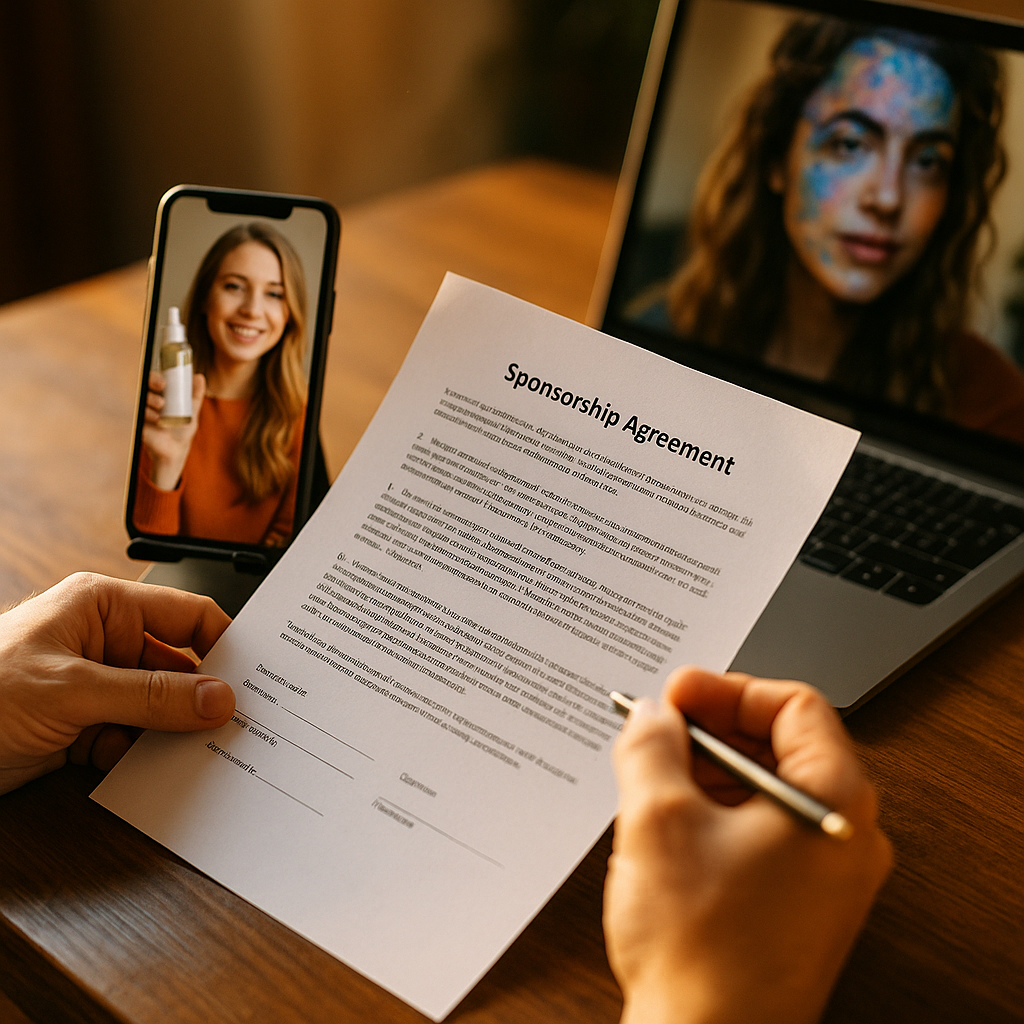
A creator posts a disclosed #ad. Weeks later, TikTok’s remix tools splice it into a duet, strip the caption, and feed it to a new audience with zero sponsorship label. Who’s liable now? If your creator contracts don’t answer that question in writing, the answer defaults to “your brand” — and the compliance gap in AI-remixed sponsored content is now the FTC’s problem to solve at your expense.
This isn’t a hypothetical edge case anymore. It’s the standard lifecycle of platform-native content.
Why Platform Remix Features Broke the Old Disclosure Model
FTC disclosure rules were built around a simple assumption: one creator, one post, one disclosure, one audience. That assumption collapsed the moment TikTok and Instagram started algorithmically transforming content after it goes live.
Think about what actually happens to a sponsored post today. TikTok’s remix and “Green Screen” features let other users rebuild a creator’s video with new audio or visuals layered on top. Instagram’s Reels remix does something similar, and Meta’s AI-driven content recommendations increasingly reframe, trim, or repackage clips into Reels sequences the original creator never approved. None of these transformations preserve the original disclosure language by default. The #ad tag, the verbal “this is sponsored” callout, the paid partnership label — all of it can vanish in the remix.
The FTC doesn’t care whether a human or an algorithm stripped the disclosure. It cares whether the consumer viewing the ad understood it was an ad. That’s a brand liability question, not a platform engineering question.
Brands that treat this as Meta’s or TikTok’s technical quirk are misreading the risk. Regulators evaluate the net impression left on consumers, not the intent of the platform’s remix algorithm. If your paid content ends up in front of consumers without a disclosure, the FTC’s Endorsement Guides still apply, remix or not.
We’ve covered how this plays out mechanically in algorithmic remix disclosure liability, but the contract-drafting side deserves its own playbook, because most brand legal teams are still working from templates written before remix tools existed.
Where Standard Creator Contracts Fall Silent
Pull up almost any influencer agreement signed before this year. You’ll find disclosure language that reads something like: “Creator agrees to include #ad or #sponsored in accordance with FTC guidelines.” Clean, simple, and completely useless once a platform’s recommendation engine remixes the post six weeks later.
Three gaps show up consistently:
- No post-publication scope. Most clauses cover the moment of posting, not what happens to the asset afterward. Once TikTok’s algorithm repackages it, the contract has nothing to say.
- No remix definition. “Sponsored content” is defined, but “algorithmically transformed content” isn’t. Without a definition, disputes over whether a remix even counts as the same ad become unresolvable.
- No responsibility assignment. Even where remix is anticipated, contracts rarely say who has to monitor for it or who eats the fine if disclosure disappears. Silence defaults to brand exposure, because brands are the advertiser of record under FTC doctrine.
This mirrors a pattern we’ve flagged before in creator contract audits: AI clause gaps don’t announce themselves. They sit quietly until a remix, a duet, or an algorithmic re-edit turns them into a live compliance incident.
The Clause Structure That Actually Assigns Responsibility
Fixing this isn’t about adding one sentence. It requires a layered clause structure that covers definition, monitoring, remediation, and indemnification separately. Here’s how to build it.
1. Define “Algorithmic Transformation” Explicitly
Don’t rely on vague terms like “modification” or “derivative use.” Spell out what counts: platform remix features, duet/stitch functions, AI-generated summaries or recaps, auto-translated or auto-dubbed versions, and algorithmic re-cuts distributed through recommendation feeds. If TikTok Shop’s live shopping features are in play, tie this back to your existing livestream compliance audit language, since remix and live commerce risks often overlap.
2. Assign Monitoring Duty, Not Just Disclosure Duty
This is the clause most brands skip. Disclosure obligations mean nothing if nobody is watching for remix events. Language should specify who monitors for algorithmic transformations of sponsored content, how frequently, and using what tooling (brand-side social listening, creator-side platform notifications, or a shared third-party monitoring vendor).
A workable structure splits duty by capability: creators monitor their own account notifications for remix/duet activity involving their original post, while brands or their agency of record run periodic sweeps using social listening tools for their top campaigns. Neither party should assume the other is watching.
3. Build a Remediation Window With Teeth
Once a remix without disclosure is discovered, someone has to act, fast. Include a defined remediation window (48-72 hours is reasonable) during which the creator or brand must request platform removal, add a comment disclosure, or flag the content to the platform’s ad review team. Missing that window should trigger the indemnification clause below, not vague “best efforts” language that collapses under scrutiny.
4. Indemnification Tied to Who Had Notice
This is the clause that actually assigns liability rather than just describing a problem. Indemnification should hinge on notice and control, not on who technically posted first. A workable formulation: the party with actual knowledge of an undisclosed algorithmic remix, and the practical ability to remediate it within the window, bears responsibility for resulting regulatory exposure. If the platform’s algorithm acts without either party’s knowledge and neither had reasonable means to detect it, liability defaults to a shared-cost model rather than falling entirely on the brand.
Courts and regulators increasingly ask “who could have known and acted,” not “who technically caused it.” Draft your indemnification clause around that standard, and you’ll survive scrutiny that a boilerplate mutual indemnification clause won’t.
5. Require Platform-Native Disclosure Persistence Settings
Both TikTok and Instagram offer creator tools to flag content as a paid partnership at the platform level, not just in caption text. That metadata tag is more likely to persist through remix and duet transformations than a caption-based hashtag. Contracts should require creators to use the platform’s branded content tools or TikTok’s disclosure settings as a baseline, with caption disclosure as a redundant secondary layer, not the only one.
What This Looks Like in Practice
Say a fashion brand runs a campaign with a mid-tier TikTok creator. The original post is properly disclosed, checks every FTC box. Three weeks later, another user duets it, TikTok’s algorithm serves the duet into a wider For You feed, and the paid partnership label doesn’t carry over. A follower complaint reaches the FTC.
Under a well-drafted clause, the brand’s monitoring sweep (run via its agency’s social listening dashboard) should have caught the duet within the remediation window. If it did and the brand acted, the indemnification clause protects the brand from creator-side claims and demonstrates good-faith compliance to regulators. If the brand’s monitoring process was never built into the contract in the first place, there’s no defense, just exposure.
This is the same logic underlying FTC-compliant escalation logs: documentation of a functioning process is often what separates a warning letter from an NAD referral.
Don’t Forget Cross-Border Complications
If your creator roster spans multiple markets, remix risk compounds. Japan’s stealth marketing rules, covered in our piece on the stealth marketing law two years in, don’t carve out exceptions for algorithmic transformation, meaning a remix that strips disclosure in a Japanese market campaign carries the same exposure as an original undisclosed post. Similarly, the UK’s evolving stance under the Advertising Standards Authority increasingly scrutinizes algorithmic ad placement, a trend we detailed in our coverage of ASA algorithmic ad placement rules.
If your contract template is US-only, you’re drafting for one regulatory environment while running campaigns in several.
Building This Into Your Renewal Cycle
Retrofitting every active contract isn’t realistic overnight. Prioritize by renewal date and campaign scale. Use your next renewal cycle to introduce the remix definition and monitoring clauses, and lean on a structured disclosure compliance scorecard to flag which creators and campaigns carry the highest remix exposure based on platform mix and content format. High-remix-risk formats (duet-friendly TikTok content, Reels-native trends) should move to the front of the renewal queue.
Industry data backs the urgency here. Sprout Social’s own research on social media trends shows remix and duet engagement continuing to outpace static post engagement, meaning the volume of at-risk content is only growing, not shrinking.
FAQs
Frequently Asked Questions
What is the compliance gap in AI-remixed sponsored content?
It’s the liability void created when platforms like TikTok or Instagram algorithmically transform a sponsored post after publication, often stripping the original disclosure, without any contract clause specifying who is responsible for catching and fixing it.
Can a brand be held liable for a remix it didn’t create?
Yes. The FTC evaluates the net impression left on consumers, not who technically produced the final version. If a brand’s paid content reaches audiences without disclosure, the brand carries exposure regardless of whether a platform’s algorithm or a third-party user created the remix.
Should creators or brands be responsible for monitoring remixes?
Both, with defined roles. Creators are best positioned to monitor duet and remix notifications tied to their own accounts, while brands or their agencies should run periodic social listening sweeps on flagship campaigns. Contracts should specify both duties rather than assuming either party will catch it alone.
What should a remediation window look like in a contract?
A defined 48-72 hour window from discovery of an undisclosed remix, during which the responsible party must request platform removal, add a disclosure comment, or flag it for platform review. Missing that window should trigger indemnification consequences.
Do platform-native disclosure tools solve this problem?
They help but don’t fully solve it. Branded content tags on Meta and TikTok’s paid partnership settings are more likely to persist through remix transformations than caption hashtags, but neither is guaranteed to survive every algorithmic transformation. Use both as redundant layers.
Does this apply outside the United States?
Yes. Markets with stealth marketing rules, like Japan, and evolving algorithmic ad placement scrutiny, like the UK, apply the same disclosure logic to remixed content as to original posts. Global creator contracts need remix clauses that account for multiple jurisdictions, not just US FTC standards.
Next step: Pull your top five creator contracts by spend, check whether they define “algorithmic transformation” and assign monitoring duty, and if they don’t, get the remix clause into your next renewal draft before your next campaign hits a duet-heavy platform cycle.
Top Influencer Marketing Agencies
The leading agencies shaping influencer marketing in 2026
Agencies ranked by campaign performance, client diversity, platform expertise, proven ROI, industry recognition, and client satisfaction. Assessed through verified case studies, reviews, and industry consultations.
Moburst

-
2

The Shelf
Boutique Beauty & Lifestyle Influencer AgencyA data-driven boutique agency specializing exclusively in beauty, wellness, and lifestyle influencer campaigns on Instagram and TikTok. Best for brands already focused on the beauty/personal care space that need curated, aesthetic-driven content.Clients: Pepsi, The Honest Company, Hims, Elf Cosmetics, Pure LeafVisit The Shelf → -
3

Audiencly
Niche Gaming & Esports Influencer AgencyA specialized agency focused exclusively on gaming and esports creators on YouTube, Twitch, and TikTok. Ideal if your campaign is 100% gaming-focused — from game launches to hardware and esports events.Clients: Epic Games, NordVPN, Ubisoft, Wargaming, Tencent GamesVisit Audiencly → -
4

Viral Nation
Global Influencer Marketing & Talent AgencyA dual talent management and marketing agency with proprietary brand safety tools and a global creator network spanning nano-influencers to celebrities across all major platforms.Clients: Meta, Activision Blizzard, Energizer, Aston Martin, WalmartVisit Viral Nation → -
5

The Influencer Marketing Factory
TikTok, Instagram & YouTube CampaignsA full-service agency with strong TikTok expertise, offering end-to-end campaign management from influencer discovery through performance reporting with a focus on platform-native content.Clients: Google, Snapchat, Universal Music, Bumble, YelpVisit TIMF → -
6

NeoReach
Enterprise Analytics & Influencer CampaignsAn enterprise-focused agency combining managed campaigns with a powerful self-service data platform for influencer search, audience analytics, and attribution modeling.Clients: Amazon, Airbnb, Netflix, Honda, The New York TimesVisit NeoReach → -
7

Ubiquitous
Creator-First Marketing PlatformA tech-driven platform combining self-service tools with managed campaign options, emphasizing speed and scalability for brands managing multiple influencer relationships.Clients: Lyft, Disney, Target, American Eagle, NetflixVisit Ubiquitous → -
8

Obviously
Scalable Enterprise Influencer CampaignsA tech-enabled agency built for high-volume campaigns, coordinating hundreds of creators simultaneously with end-to-end logistics, content rights management, and product seeding.Clients: Google, Ulta Beauty, Converse, AmazonVisit Obviously →