


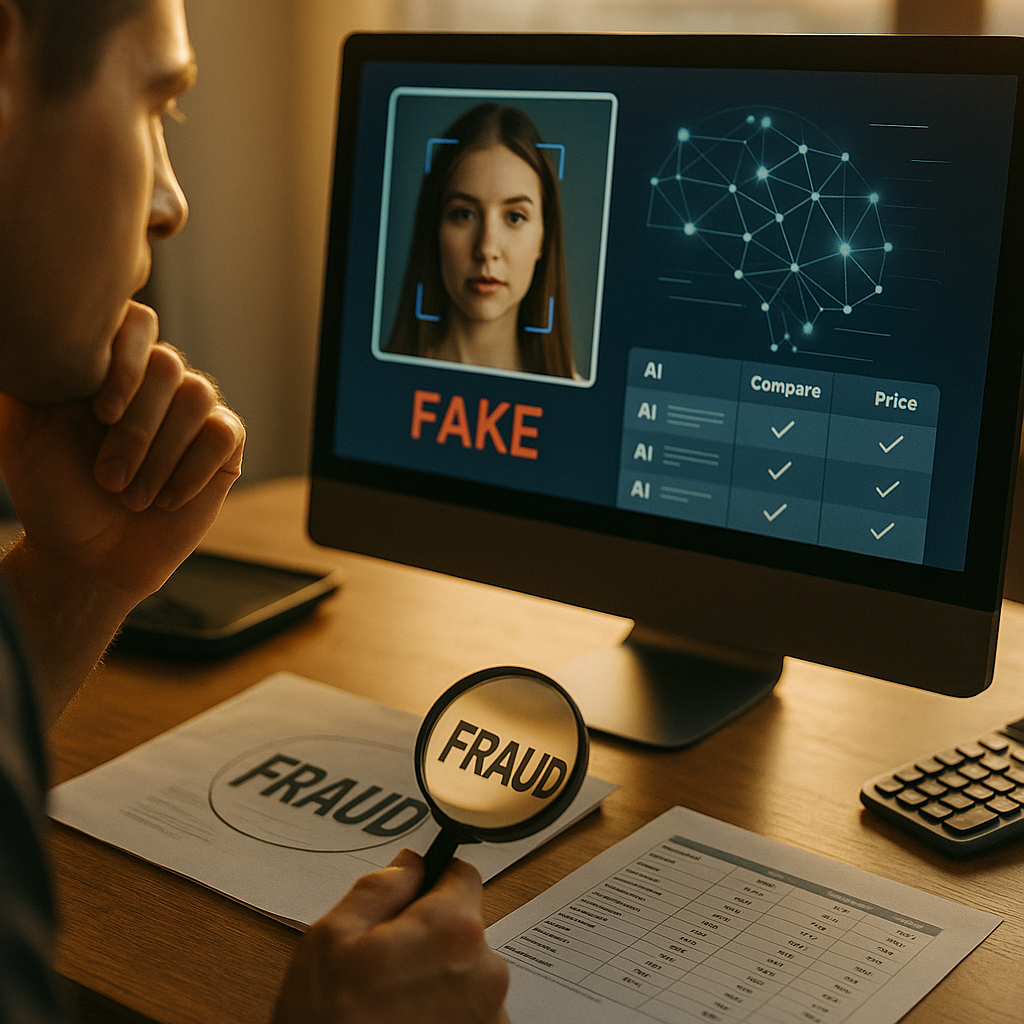
Roughly 49% of Instagram influencers with over 100,000 followers use some form of fake engagement, according to research cited by marketing fraud analysts. If your team is still vetting creators with a spreadsheet and a gut check, you’re bleeding budget. AI-powered fraud detection has gone from “nice to have” to table stakes for any brand running influencer programs at scale — but the vendor landscape is crowded, pricing is inconsistent, and feature claims don’t always survive contact with real campaign data.
This piece breaks down what actually matters when evaluating these platforms, what you should expect to pay, and where the marketing claims tend to outrun the product.
Why Manual Vetting Stopped Working
Five years ago, a marketing coordinator could eyeball an engagement rate, check for follower spikes, and call it due diligence. That approach doesn’t scale, and it never really worked against sophisticated fraud rings anyway. Bot farms now mimic human behavior patterns — variable posting times, realistic comment cadence, even geographically distributed IP pools that dodge basic detection.
The fraud economy has also gotten more specialized. There are now dedicated services that sell “engagement pods,” comment-for-comment exchanges, and follower boosts timed to avoid platform detection algorithms. A creator with genuinely engaged followers and a creator running a well-disguised bot network can look nearly identical on the surface. That’s the gap AI vetting tools are built to close.
Brands that skip automated fraud detection on creator partnerships report wasting an estimated 15-30% of influencer budgets on inflated or fake audiences, based on industry benchmarks from fraud-detection vendors themselves — a number that should make any CMO uncomfortable.
The catch: vendor-reported numbers are self-serving by design. That’s exactly why a rigorous, criteria-based comparison matters more than a sales deck.
What “Good” Fraud Detection Actually Looks Like
Not all fraud detection is created equal. Some platforms only flag obvious bot accounts. Others go deeper, modeling audience authenticity, engagement velocity, comment sentiment, and cross-platform consistency. When you’re evaluating vendors, insist on clarity in these areas:
- Detection depth: Does the tool analyze follower quality, or just follower count anomalies? Surface-level checks miss the sophisticated fraud that actually costs you money.
- Historical data range: A snapshot audit tells you less than a 6-12 month trend line. Sudden follower spikes matter more in context.
- Cross-platform coverage: Creators run TikTok, Instagram, YouTube, and increasingly niche platforms simultaneously. A tool that only covers one channel leaves blind spots.
- Explainability: Can the platform show you why a creator was flagged, or does it just spit out a risk score? Opaque scoring makes it hard to defend decisions internally or to the creator in question.
- False positive rate: Aggressive fraud flagging that penalizes legitimately fast-growing creators wastes good partnerships. Ask vendors directly for their false positive benchmarks.
This is where a lot of buying decisions go sideways. Teams get dazzled by dashboard aesthetics and skip the harder question: does the underlying model actually catch fraud that a human analyst would miss? For a broader look at how these platforms stack up on core mechanics, our AI fraud-detection platforms comparison digs into the technical differentiators vendor by vendor.
The Pricing Landscape: What You’re Actually Paying For
Pricing models vary wildly, and that’s partly because vendors are still figuring out how to package this. Broadly, you’ll encounter three structures:
Per-creator audit pricing. You pay a flat fee, often $2-15, per creator vetted. This works for brands running occasional campaigns with a handful of partners. It gets expensive fast if you’re vetting hundreds of creators for a large-scale ambassador program.
Subscription tiers based on volume. Most mid-market and enterprise vendors have moved here. Expect entry tiers around $500-2,000/month covering a few hundred creator checks, scaling to $5,000-20,000/month for agencies running continuous vetting across large rosters. Enterprise contracts with custom SLAs and dedicated support push well past that.
Platform bundles. Some influencer marketing platforms (think CreatorIQ, Grin, Upfluence) now bake fraud detection into their core offering rather than selling it standalone. This can be cost-effective if you’re already paying for the platform, but the fraud module is often less sophisticated than a dedicated point solution.
A practical note: vendors rarely publish real pricing on their websites. Expect a sales call, and expect the quoted number to depend heavily on your negotiating leverage and contract length. Push for a pilot period before committing to an annual contract — any vendor confident in their detection accuracy should be willing to prove it on a sample of your actual creator roster.
Feature Comparison: Where Vendors Actually Differ
Strip away the marketing language and most fraud detection platforms compete on five dimensions: detection accuracy, integration depth, reporting speed, API access, and compliance documentation.
Detection accuracy is the hardest to verify independently, since vendors control their own benchmarking. Ask for third-party audits or case studies with named brands, not just aggregate stats. Integration depth matters more than most buyers initially realize — if the fraud tool doesn’t plug into your existing identity resolution stack or CRM, you’re manually reconciling data across systems, which defeats the point of automation.
Reporting speed is underrated. Some platforms take 24-48 hours to return a full audit; others deliver real-time scoring via API as soon as you input a creator handle. If you’re running rapid-fire campaigns or reactive influencer outreach (say, riding a trending moment), a two-day turnaround is a dealbreaker.
API access is increasingly the differentiator for agencies managing multiple client accounts. A vendor with a robust API lets you build fraud checks directly into your creator CRM workflow, rather than running manual lookups one creator at a time. This mirrors the broader shift toward embedded intelligence we’ve covered in how CRM-native AI agents are restructuring martech spend generally — fraud detection is following the same trajectory from standalone tool to embedded feature.
Compliance Documentation Is the Sleeper Feature
Here’s something that doesn’t show up in most vendor comparison charts but should: does the platform generate audit-ready documentation for your legal and finance teams?
Regulatory scrutiny on influencer marketing has intensified. The FTC has ramped up enforcement on undisclosed partnerships and inflated audience claims, and in the UK, the ICO has flagged data practices around influencer audience tracking as an area of concern. If your fraud detection vendor can’t produce a clean, exportable report showing you performed reasonable diligence before signing a creator contract, you’re carrying legal exposure that a $15 audit fee should have eliminated.
This connects to a bigger shift happening across martech broadly: risk and compliance functions are pulling AI vendor decisions into their orbit, not just leaving them to marketing ops. We’ve seen this play out with identity resolution decisions moving to the board level, and creator fraud vetting is heading the same direction. If your CFO or general counsel hasn’t asked about your fraud detection vendor yet, they will.
The best fraud detection vendors treat compliance documentation as a core product feature, not an afterthought. If a vendor can’t show you a sample audit-trail report during the sales process, that’s a red flag worth weighing as heavily as detection accuracy.
Build vs. Buy: Is a Standalone Tool Even Worth It?
Some brands ask whether they should just build internal fraud scoring using publicly available social data APIs. For most, this is a mistake. Detection models need constant retraining against evolving fraud tactics, something a dedicated vendor does at scale across thousands of client accounts. A single brand’s internal team, however talented, is training on a much smaller dataset with much less exposure to emerging fraud patterns.
The exception is large agencies or platforms with genuine data science resources and enough creator volume to justify the investment. Even then, most opt for a hybrid: license a third-party detection API and layer proprietary business rules on top, rather than building detection models from scratch. This mirrors the broader “suite vs. best-of-breed” tension playing out across the martech stack — worth reading alongside our AI marketing suite audit framework if you’re weighing a similar build decision elsewhere in your stack.
One more consideration: vendor lock-in. If a fraud detection platform’s scoring methodology is a black box and you’ve built creator eligibility rules around its output, switching vendors later means re-vetting your entire roster. Negotiate data portability terms upfront. It’s a small clause in the contract that saves a massive headache eighteen months from now.
A Practical Evaluation Checklist
Before you sign anything, run each shortlisted vendor through this list:
- Request a live audit on 10-15 creators you already have data on, so you can sanity-check results against known performance.
- Ask for the false positive rate and how it’s calculated.
- Confirm cross-platform coverage matches where your creators actually post.
- Get a sample compliance/audit-trail report before signing.
- Clarify data portability and export rights in the contract.
- Test actual API response time under realistic query volume, not the vendor’s demo environment.
- Compare total cost at your actual creator volume, not the entry-tier price quoted on the first call.
Reference platforms worth including in a shortlist conversation typically include HypeAuditor, Modash, and IZEA’s fraud modules, alongside fraud-specific point solutions that plug into broader creator CRM systems. Pricing and accuracy claims shift often enough that a fresh comparison every renewal cycle is worth the time investment. Industry benchmarking from firms like eMarketer and Statista can help contextualize vendor-reported fraud statistics against independent estimates.
Don’t treat this as a one-time procurement decision either. Fraud tactics evolve, vendor models get retrained, and pricing shifts as the category matures. Build a habit of re-benchmarking your fraud detection vendor every 12-18 months, the same way you’d revisit any other significant martech line item.
Next Step
Run a paid pilot with two shortlisted vendors against the same 20-creator sample before committing budget — the discrepancies in their risk scores will tell you more than any feature comparison chart.
Frequently Asked Questions
How much does AI fraud detection for creator vetting typically cost?
Pricing ranges from $2-15 per individual creator audit for occasional use, to $500-20,000+ monthly subscription tiers depending on creator volume and whether you need enterprise SLAs. Platform bundles that include fraud detection as part of a broader influencer marketing suite often cost less but offer shallower detection.
Can these tools guarantee zero fake followers or engagement?
No credible vendor guarantees zero fraud detection failures. Sophisticated bot networks evolve constantly, and even the best models carry a false positive and false negative rate. The goal is risk reduction, not elimination — ask vendors for their accuracy benchmarks rather than absolute guarantees.
Do fraud detection platforms cover TikTok, Instagram, and YouTube equally well?
Coverage varies significantly by vendor. Some platforms built their detection models primarily on Instagram data and have added other platforms later, with less mature detection there. Always confirm coverage depth for the specific platforms your creator roster actually uses.
Is it worth building an in-house fraud detection model instead of buying a vendor tool?
For most brands, no. Detection models require continuous retraining against a large, diverse dataset that only vendors serving many clients can realistically maintain. Building in-house makes sense mainly for large agencies or platforms with substantial data science resources and creator volume.
What compliance documentation should a fraud detection vendor provide?
Look for exportable audit-trail reports that document when a creator was vetted, what risk score they received, and what data informed that score. This documentation matters for defending your influencer program against regulatory scrutiny from bodies like the FTC.
How often should brands re-evaluate their fraud detection vendor?
Every 12-18 months is a reasonable cadence, given how quickly both fraud tactics and vendor capabilities evolve. Treat it as a recurring martech review rather than a one-time procurement decision.
Frequently Asked Questions
How much does AI fraud detection for creator vetting typically cost?
Pricing ranges from $2-15 per individual creator audit for occasional use, to $500-20,000+ monthly subscription tiers depending on creator volume and whether you need enterprise SLAs. Platform bundles that include fraud detection as part of a broader influencer marketing suite often cost less but offer shallower detection.
Can these tools guarantee zero fake followers or engagement?
No credible vendor guarantees zero fraud detection failures. Sophisticated bot networks evolve constantly, and even the best models carry a false positive and false negative rate. The goal is risk reduction, not elimination — ask vendors for their accuracy benchmarks rather than absolute guarantees.
Do fraud detection platforms cover TikTok, Instagram, and YouTube equally well?
Coverage varies significantly by vendor. Some platforms built their detection models primarily on Instagram data and have added other platforms later, with less mature detection there. Always confirm coverage depth for the specific platforms your creator roster actually uses.
Is it worth building an in-house fraud detection model instead of buying a vendor tool?
For most brands, no. Detection models require continuous retraining against a large, diverse dataset that only vendors serving many clients can realistically maintain. Building in-house makes sense mainly for large agencies or platforms with substantial data science resources and creator volume.
What compliance documentation should a fraud detection vendor provide?
Look for exportable audit-trail reports that document when a creator was vetted, what risk score they received, and what data informed that score. This documentation matters for defending your influencer program against regulatory scrutiny from bodies like the FTC.
How often should brands re-evaluate their fraud detection vendor?
Every 12-18 months is a reasonable cadence, given how quickly both fraud tactics and vendor capabilities evolve. Treat it as a recurring martech review rather than a one-time procurement decision.
Top Influencer Marketing Agencies
The leading agencies shaping influencer marketing in 2026
Agencies ranked by campaign performance, client diversity, platform expertise, proven ROI, industry recognition, and client satisfaction. Assessed through verified case studies, reviews, and industry consultations.
Moburst

-
2

The Shelf
Boutique Beauty & Lifestyle Influencer AgencyA data-driven boutique agency specializing exclusively in beauty, wellness, and lifestyle influencer campaigns on Instagram and TikTok. Best for brands already focused on the beauty/personal care space that need curated, aesthetic-driven content.Clients: Pepsi, The Honest Company, Hims, Elf Cosmetics, Pure LeafVisit The Shelf → -
3

Audiencly
Niche Gaming & Esports Influencer AgencyA specialized agency focused exclusively on gaming and esports creators on YouTube, Twitch, and TikTok. Ideal if your campaign is 100% gaming-focused — from game launches to hardware and esports events.Clients: Epic Games, NordVPN, Ubisoft, Wargaming, Tencent GamesVisit Audiencly → -
4

Viral Nation
Global Influencer Marketing & Talent AgencyA dual talent management and marketing agency with proprietary brand safety tools and a global creator network spanning nano-influencers to celebrities across all major platforms.Clients: Meta, Activision Blizzard, Energizer, Aston Martin, WalmartVisit Viral Nation → -
5

The Influencer Marketing Factory
TikTok, Instagram & YouTube CampaignsA full-service agency with strong TikTok expertise, offering end-to-end campaign management from influencer discovery through performance reporting with a focus on platform-native content.Clients: Google, Snapchat, Universal Music, Bumble, YelpVisit TIMF → -
6

NeoReach
Enterprise Analytics & Influencer CampaignsAn enterprise-focused agency combining managed campaigns with a powerful self-service data platform for influencer search, audience analytics, and attribution modeling.Clients: Amazon, Airbnb, Netflix, Honda, The New York TimesVisit NeoReach → -
7

Ubiquitous
Creator-First Marketing PlatformA tech-driven platform combining self-service tools with managed campaign options, emphasizing speed and scalability for brands managing multiple influencer relationships.Clients: Lyft, Disney, Target, American Eagle, NetflixVisit Ubiquitous → -
8

Obviously
Scalable Enterprise Influencer CampaignsA tech-enabled agency built for high-volume campaigns, coordinating hundreds of creators simultaneously with end-to-end logistics, content rights management, and product seeding.Clients: Google, Ulta Beauty, Converse, AmazonVisit Obviously →