


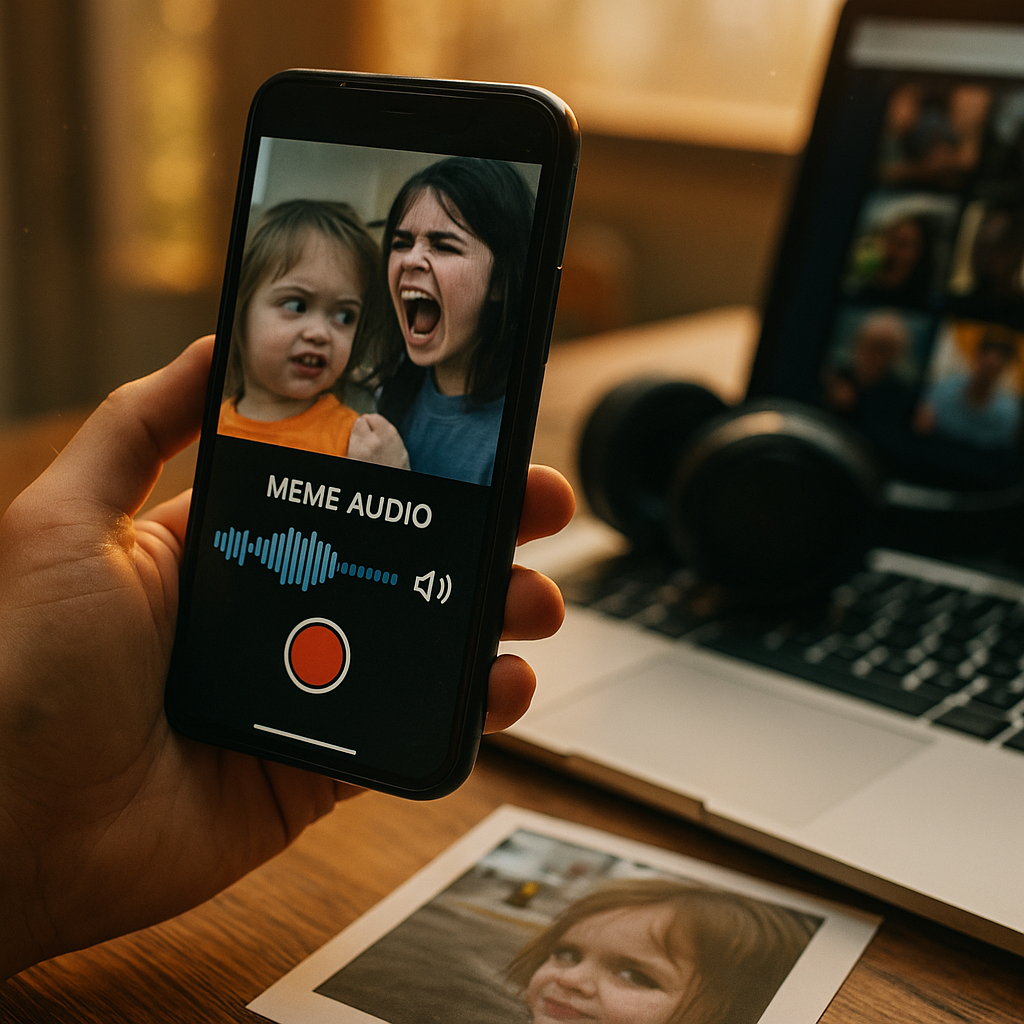
Sounds go viral in under 48 hours. Most brand approval chains take five days. That gap is why 90% of trend jacking attempts show up dead on arrival, stitched to audio nobody remembers. A meme audio trend brief closes that gap, giving creators a same-day green light without exposing the brand to copyright claims, platform takedowns, or a cease and desist from a rights holder who never licensed the clip for commercial use.
Marketing teams love trending sounds because they’re free reach. Legal teams hate them because nobody can say who owns the underlying track, the sample buried in it, or the voice clip that made it funny in the first place. Both sides are right. The fix isn’t choosing speed over safety. It’s building a brief format tight enough to move fast and clean enough to survive a compliance review.
Why Most Trend Jacking Attempts Fail Before They Publish
Trend windows for meme audio are brutal. Data from Sprout Social and platform engagement studies consistently show that audio trends peak within three to five days of breakout, then collapse in relevance almost as fast as they rose. By the time a typical brand brief clears three rounds of internal review, the sound is already stale. Worse, the creative team often discovers late that the audio includes a sampled song, a copyrighted movie line, or a creator’s own voice used without a release, and the whole asset gets shelved.
That’s the real cost of slow trend jacking. It’s not just missed reach. It’s wasted production budget on content that legal kills at the finish line.
Brands that build a standing meme audio approval process cut time to publish from an average of four days down to under 24 hours, because the legal review happens once, at the framework level, not per asset.
The teams that consistently win the trend jacking game aren’t necessarily faster creatives. They’ve just removed the guesswork from the legal side ahead of time. That’s the entire premise of a trend audio brief: pre-clear the categories of risk so individual pieces of content don’t need a lawyer’s sign off every single time.
If you’re already building fast turnaround formats elsewhere in your creator program, this fits the same operating logic as same day voiceover ad briefs, tight guardrails that let creative move without a bottleneck.
What a Meme Audio Trend Brief Actually Contains
A trend brief is not a creative brief in the traditional sense. It’s a rapid decision document, built to be filled out and approved in under an hour. Strip out anything that requires deliberation. Here’s the skeleton that works across most consumer categories:
- Audio source and origin. Where did the sound come from? Original creator, movie clip, song snippet, remix, or AI generated voice? This single field determines almost everything downstream.
- Licensing status. Is it cleared through the platform’s commercial music library (TikTok Commercial Music Library, Meta Sound Collection), or is it user generated audio with unclear rights?
- Brand fit filter. Does the meme’s original context conflict with brand values, involve controversy, or reference anything politically sensitive?
- Talent usage rights. If a creator’s voice or likeness is part of the meme, does the brand have rights to reuse or amplify that specific clip in paid media?
- Turnaround window. A hard deadline, usually 24 to 72 hours, after which the brief expires and the trend gets shelved regardless of creative quality.
- Approval tier. A pre-agreed sign off level, so organic posts might need only one marketing lead’s approval while paid amplification triggers legal review.
Notice what’s missing: extended creative direction, tone documents, brand voice guides. Those live in your evergreen brand playbook. A meme audio brief only needs to answer one question fast: can we use this, and how far can we push it?
The Licensing Trap Most Marketers Don’t See Coming
Here’s the part that trips up even experienced social teams. A sound being available inside a platform’s native audio library doesn’t automatically mean it’s cleared for brand commercial use in every format. TikTok’s Commercial Music Library, for instance, covers certain in-feed organic posts but has separate terms for paid ads. Use a trending song without checking that distinction, and you can find your ad pulled mid flight, or worse, hit with a claim after it’s already spent budget.
The Federal Trade Commission has also made clear it treats influencer content, including audio driven memes, as commercial speech subject to disclosure rules when there’s a material connection to a brand. A funny stitch with trending audio is still an ad if a brand paid for it or gifted product for it. Skip the disclosure and you’re not just risking a takedown, you’re risking an FTC inquiry.
Add in international campaigns and the picture gets messier. The UK’s Information Commissioner’s Office and equivalent EU bodies have their own expectations around data and consent when creator content includes any personal likeness, especially in remixed or AI voice cloned formats. A trend brief built only for the US market will miss these requirements entirely.
Roughly one in three brand takedown incidents tied to influencer content trace back to unclear music or audio rights, not the visual creative itself.
Building the Fast Lane: A Three Tier Approval Model
Speed without structure is chaos. Structure without speed is why you missed the trend in the first place. The workaround is a tiered approval system that matches review depth to actual risk exposure.
Tier one: organic, unpaid, brand social only. Lowest risk. If the audio is platform native and licensed for standard use, a single social lead can approve within the hour. No legal touch required.
Tier two: creator partnership, gifted or seeded product. Medium risk. Requires a quick disclosure check and a confirmation that the creator’s own account terms allow branded use of the sound. This is where most creator partnership approval workflows already have infrastructure you can borrow.
Tier three: paid amplification or whitelisting. Highest risk. Legal review mandatory, focused specifically on music licensing terms and talent release scope. This tier should have a fallback: if legal can’t clear it within the trend window, the brief dies. That’s a feature, not a failure. Chasing every trend past its expiration date is how brands end up looking desperate rather than culturally fluent.
The tiering matters because it stops legal from becoming a universal bottleneck. Most memes never touch paid media. Routing tier one and two through non legal approvers is what actually delivers the speed brands want from trend jacking in the first place.
Where AI Voice Clones Complicate the Picture
AI generated meme audio, cloned celebrity voices, synthetic remixes of viral sound bites, is now a meaningful share of what goes viral. It’s also legally murkier than user generated content. Several high profile disputes over unauthorized voice cloning have made clear that platforms and courts are still catching up to the technology. If your trend brief doesn’t have a specific field for “is this audio AI generated, and if so, whose voice or likeness does it reference,” you’re leaving a gap that traditional music licensing checklists don’t cover.
This is closely related to work already happening in synthetic influencer creative briefs, where consistency and rights management have to be baked into the process from day one rather than bolted on after a legal scare. Treat AI cloned meme audio as its own risk category, not a subset of standard trending sound.
Measuring Whether the Framework Is Actually Working
A trend jacking framework is only worth the operational overhead if it moves real numbers. Track three things:
- Time to publish, from trend identification to live asset. If it’s still averaging over 48 hours, your approval tiers need tightening.
- Kill rate, the percentage of briefs that die in legal review. A healthy program sees this shrink over time as your pre-cleared audio library grows.
- Takedown or claim rate, the number of published assets flagged, muted, or pulled post launch. This is your true risk indicator, and it should trend toward zero as the framework matures.
Brands running consistent trend audio programs often build an internal “cleared sounds” library, a running list of platform native audio confirmed safe for commercial use across markets. That library becomes more valuable than any single viral hit, because it compounds. Every cleared sound reduces future review time to nearly zero.
Pair this with lightweight formats that already assume speed as a constraint, like silent first editing standards or caption driven video formats, and the whole trend response pipeline gets faster without adding headcount.
FAQs
Frequently Asked Questions
What is a meme audio trend brief?
It’s a short, standardized approval document that lets marketing and legal teams pre-clear the risk categories around a trending sound, so creative can move within hours instead of days. It focuses on audio source, licensing status, and talent rights rather than creative direction.
How fast should a trend jacking approval process actually be?
Most viral audio trends peak within three to five days, so the goal is same-day or next-day approval for organic content. Paid amplification can take slightly longer due to mandatory legal review, but should still clear within 48 hours to stay relevant.
Is platform native trending audio always safe for commercial use?
No. Libraries like TikTok’s Commercial Music Library have different terms for organic posts versus paid ads. Always confirm the specific license tier before using trending audio in whitelisted or paid content.
Do FTC disclosure rules apply to meme audio content?
Yes. If a brand paid for, gifted product for, or otherwise had a material connection to the content, standard disclosure rules apply regardless of how casual or meme-driven the format looks.
How should brands handle AI generated or cloned voice audio in trends?
Treat it as a distinct risk category with its own review field. Confirm whose voice or likeness is referenced and whether any release or license covers commercial reuse, since traditional music clearance checklists don’t account for synthetic voice content.
What’s the biggest mistake brands make with trend jacking?
Routing every piece of trend content through the same heavy legal review, regardless of actual risk level. A tiered approval model matched to exposure (organic, gifted, paid) is what actually delivers speed.
Start by auditing your last five trend jacking attempts: how long did approval actually take, and where did it stall? Build your tiered brief around that bottleneck first, not a hypothetical worst-case scenario, and you’ll ship your next viral moment while it’s still viral.
Top Influencer Marketing Agencies
The leading agencies shaping influencer marketing in 2026
Agencies ranked by campaign performance, client diversity, platform expertise, proven ROI, industry recognition, and client satisfaction. Assessed through verified case studies, reviews, and industry consultations.
Moburst

-
2

The Shelf
Boutique Beauty & Lifestyle Influencer AgencyA data-driven boutique agency specializing exclusively in beauty, wellness, and lifestyle influencer campaigns on Instagram and TikTok. Best for brands already focused on the beauty/personal care space that need curated, aesthetic-driven content.Clients: Pepsi, The Honest Company, Hims, Elf Cosmetics, Pure LeafVisit The Shelf → -
3

Audiencly
Niche Gaming & Esports Influencer AgencyA specialized agency focused exclusively on gaming and esports creators on YouTube, Twitch, and TikTok. Ideal if your campaign is 100% gaming-focused — from game launches to hardware and esports events.Clients: Epic Games, NordVPN, Ubisoft, Wargaming, Tencent GamesVisit Audiencly → -
4

Viral Nation
Global Influencer Marketing & Talent AgencyA dual talent management and marketing agency with proprietary brand safety tools and a global creator network spanning nano-influencers to celebrities across all major platforms.Clients: Meta, Activision Blizzard, Energizer, Aston Martin, WalmartVisit Viral Nation → -
5

The Influencer Marketing Factory
TikTok, Instagram & YouTube CampaignsA full-service agency with strong TikTok expertise, offering end-to-end campaign management from influencer discovery through performance reporting with a focus on platform-native content.Clients: Google, Snapchat, Universal Music, Bumble, YelpVisit TIMF → -
6

NeoReach
Enterprise Analytics & Influencer CampaignsAn enterprise-focused agency combining managed campaigns with a powerful self-service data platform for influencer search, audience analytics, and attribution modeling.Clients: Amazon, Airbnb, Netflix, Honda, The New York TimesVisit NeoReach → -
7

Ubiquitous
Creator-First Marketing PlatformA tech-driven platform combining self-service tools with managed campaign options, emphasizing speed and scalability for brands managing multiple influencer relationships.Clients: Lyft, Disney, Target, American Eagle, NetflixVisit Ubiquitous → -
8

Obviously
Scalable Enterprise Influencer CampaignsA tech-enabled agency built for high-volume campaigns, coordinating hundreds of creators simultaneously with end-to-end logistics, content rights management, and product seeding.Clients: Google, Ulta Beauty, Converse, AmazonVisit Obviously →