


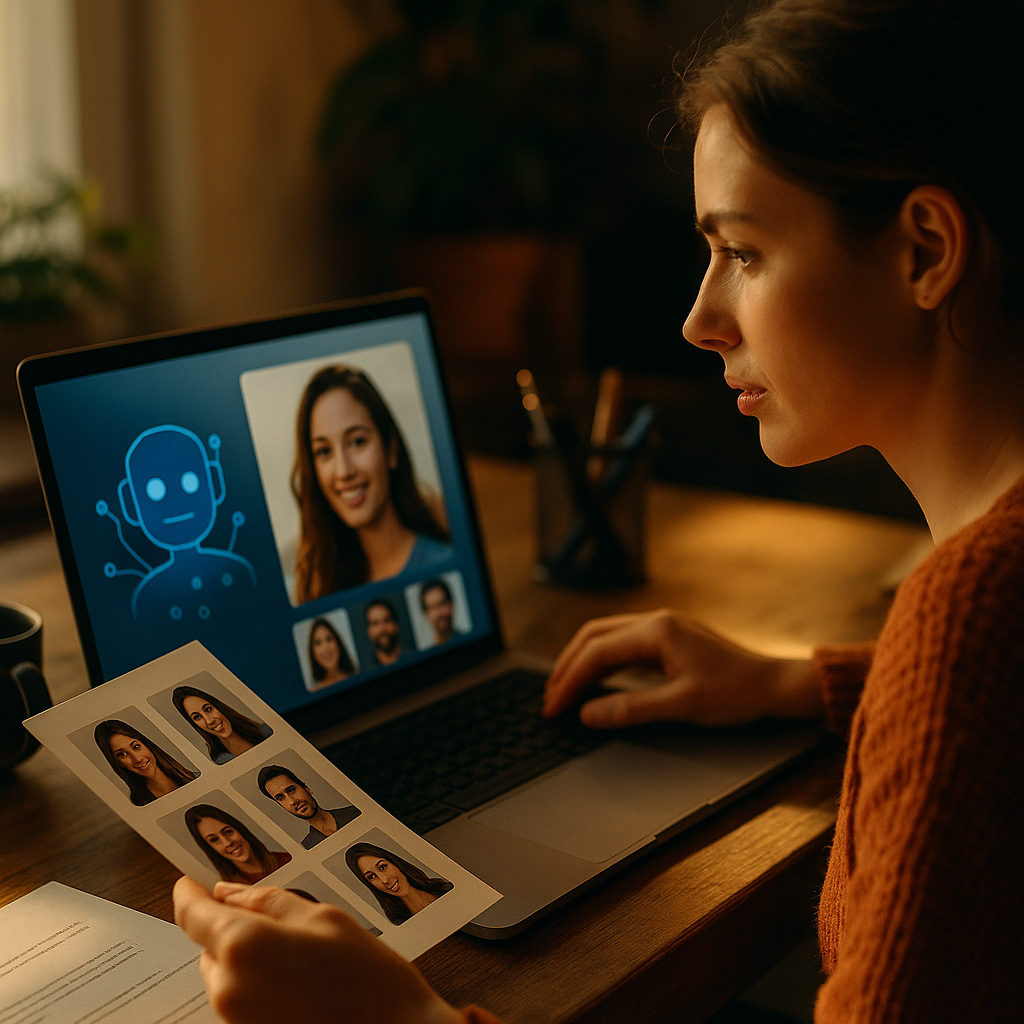
Seventy-two percent of marketers say finding the right creator is still their biggest influencer marketing bottleneck, according to recent industry surveys. Yet a growing wave of platforms claims to solve this in minutes, not weeks. AI-powered creator discovery is no longer a nice-to-have add-on — it’s becoming the default entry point for brands building programs at scale. The question isn’t whether to use it. It’s whether the matching is actually good enough to trust.
The Manual Vetting Bottleneck Nobody Wants to Admit
Ask any brand manager how they used to find creators, and you’ll hear some version of the same story: spreadsheets, Instagram hashtag rabbit holes, DMs that go unanswered for a week, and a gut-check call with an agency partner. It worked, sort of. It also took forever.
A mid-size beauty brand running a 50-creator campaign might spend three to four weeks on discovery alone before a single contract gets signed. Multiply that across quarterly campaigns and multiple product lines, and discovery becomes a full-time job for someone on the team — often the least scalable part of the entire program.
Manual vetting also has a bias problem. Recruiters and marketers gravitate toward creators they already know, or ones surfaced by algorithmic feeds that reward existing popularity. That’s how the same 200 mid-tier lifestyle influencers end up in every beauty brand’s campaign. Niche audiences — a 12,000-follower home-brewing account with a fiercely engaged community, say — get overlooked because nobody’s manually searching that deep.
What AI-Powered Discovery Engines Actually Do
Modern discovery platforms don’t just search hashtags. They ingest audience demographic data, engagement patterns, content themes, brand affinity signals, and historical performance data, then run it through matching models trained to predict fit against a brief. Tools like CreatorIQ, Upfluence, Grin, and Traackr have all layered in AI-driven scoring in the past two years, and newer entrants are building discovery-first products from scratch rather than bolting AI onto legacy databases.
The pitch is straightforward: feed the engine a target demographic (women 25-34, urban, interested in sustainable fashion) plus a niche descriptor (thrifting, capsule wardrobes, slow fashion), and it returns a ranked list of creators whose audience composition and content history actually match — not creators who simply used the right hashtag once.
The real shift isn’t speed. It’s that AI discovery engines can evaluate audience quality signals — comment sentiment, follower authenticity, niche relevance — at a scale no human vetting team could match manually.
This matters because audience demographics on social platforms are notoriously self-reported and unreliable. AI models cross-reference behavioral signals — who engages, when, with what kind of comment language — to build a more accurate audience profile than platform-reported data alone. That’s a meaningfully different capability than a human scrolling a profile and eyeballing the follower count.
Niche Matching Is Where the Real Value Lives
Broad demographic targeting was always achievable manually, if tediously. The harder problem — and where AI genuinely earns its keep — is niche-based matching. Think: finding creators whose content specifically resonates with people managing type 1 diabetes, or plant-based meal preppers training for triathlons, or parents of neurodivergent kids searching for sensory-friendly product recommendations.
These micro-niches often have creators with modest followings but extraordinary trust and engagement within their community. Manual research tools simply can’t surface them efficiently. AI models trained on natural language processing of captions, comments, and video transcripts can identify thematic clusters humans would miss entirely, or would take days to compile.
A supplement brand targeting perimenopausal women, for instance, can now query a discovery engine for creators discussing hormonal health, hot flashes, and midlife fitness — pulling in accounts a manual search built around “women’s health” hashtags would never surface. This is the same shift covered in our piece comparing AI creator discovery against manual vetting, where conversion data increasingly favors algorithmic matching for narrow verticals.
Where Automated Matching Still Falls Short
None of this means human judgment is obsolete. AI models are pattern-matchers, not brand strategists. They can’t assess whether a creator’s tone fits a brand’s voice, whether their past brand deals create conflict-of-interest concerns, or whether their audience sentiment has shifted after a controversy that hasn’t yet been reflected in training data.
There’s also a data lag problem. Most discovery platforms refresh creator data on a rolling basis — daily to weekly, depending on the vendor — which means a creator embroiled in a PR crisis this morning might still show up with a pristine trust score this afternoon. Brands that skip the human review step entirely are gambling with brand safety, and the stakes are higher than a wasted budget line. This is a related risk to what we’ve flagged in our fraud detection vendor evaluations — automated tools are only as good as their refresh cycles and underlying data pipelines.
Fake follower networks and engagement pods have also gotten more sophisticated, and some are specifically designed to game the audience-quality algorithms these platforms rely on. A discovery engine that scores authenticity purely on engagement ratio can be fooled by a well-run pod. The smartest platforms now combine multiple signal types — comment language analysis, follower growth velocity, cross-platform consistency — specifically to counter this. But it’s an arms race, not a solved problem.
Evaluating a Discovery Platform: What Actually Matters
Not all “AI-powered” discovery tools deserve the label. Some are glorified keyword search with a marketing veneer. Here’s what separates the genuinely useful platforms from the rebadged databases:
- Audience verification depth — does the platform analyze follower authenticity beyond simple bot-detection ratios, including comment sentiment and engagement timing patterns?
- Niche taxonomy granularity — can you search for “gluten-free meal prep for athletes” or are you stuck with broad categories like “food” and “fitness”?
- Data refresh frequency — daily updates matter enormously for brand safety; weekly or monthly refreshes create real exposure windows.
- Cross-platform coverage — creators increasingly build audiences across TikTok, Instagram, YouTube Shorts, and newer platforms simultaneously; single-platform tools miss the full picture.
- Explainability — does the tool show you why a creator matched (specific audience data, content themes) or just hand you a black-box score?
- Historical performance integration — can it show past brand partnership outcomes, not just follower stats?
That last point deserves emphasis. A discovery engine that can’t tell you how a creator’s past sponsored content actually performed — engagement rate versus organic content, conversion signals, audience retention — is only solving half the problem. Discovery without performance context is just a fancier directory.
The Governance Question Brands Keep Skipping
Automated matching introduces a new category of risk that manual vetting never had to worry about: algorithmic bias in creator selection. If a discovery engine’s training data over-indexes on certain follower demographics or platform types, it will systematically under-recommend creators outside that pattern — including, ironically, some of the most authentic niche voices brands are trying to reach.
Brands running high-volume creator programs should treat discovery platform outputs the way they’d treat any automated decisioning system: with an audit trail, human sign-off on final selections, and periodic bias checks. This isn’t paranoia; it’s the same governance discipline covered in our AI governance charter framework for marketing teams deploying automated tools with real budget consequences.
There’s also a compliance angle that’s easy to overlook. If a discovery tool is making recommendations that materially affect who gets paid brand deals, some regulatory frameworks increasingly expect transparency into how that determination was made — echoing broader disclosure expectations under FTC guidance on endorsements and, in the EU, obligations under the EU AI Act’s labeling requirements.
Where the ROI Actually Shows Up
The business case for AI discovery isn’t just speed — though a discovery cycle that shrinks from three weeks to three days is nothing to dismiss. The bigger win is scale economics. A team that could manually vet 200 creators a quarter can now evaluate thousands, which means more granular audience segmentation and more test-and-learn cycles per campaign.
Data from eMarketer shows creator marketing budgets continuing to climb as brands shift spend from broad-reach influencers toward micro and nano creators — a shift that’s only operationally feasible if discovery costs come down. Manually vetting enough nano-creators to replace one macro-influencer’s reach was never economical before automated matching made bulk evaluation possible.
There’s a measurement dividend too. Because AI discovery platforms tag creators with structured metadata (niche category, audience demo breakdown, historical engagement benchmarks), the resulting campaign data feeds much more cleanly into attribution and mix-modeling work downstream — the kind of analysis detailed in our guide to marketing-mix modeling for influencer spend. Messy, manually-sourced creator rosters make that kind of analysis painful. Structured discovery data doesn’t.
None of this replaces strategic judgment about brand fit, creative direction, or long-term creator relationships. What it does is compress the search space so human strategists spend their time on the decisions that actually require human judgment, rather than on scrolling through profile after profile hoping to strike gold.
Next Step
Before adopting any discovery platform, run a 30-day pilot against your current manual process on a single campaign, comparing time-to-shortlist, audience-match accuracy, and campaign performance side by side — then let that data, not the vendor’s sales deck, decide your workflow going forward.
FAQs
How accurate is AI creator discovery compared to manual vetting?
Accuracy depends heavily on the platform’s data refresh rate and audience-verification methodology. Leading tools now match or exceed manual vetting accuracy for demographic and niche fit, but they still lag on brand-safety judgment calls that require human context, like recent controversies not yet reflected in training data.
Can AI discovery tools detect fake followers and engagement pods?
Most reputable platforms combine engagement ratio analysis with comment sentiment, follower growth velocity, and cross-platform consistency checks. This catches more fraud than manual review alone, but sophisticated pod networks specifically designed to evade these signals remain a persistent challenge.
Do smaller brands benefit from AI discovery engines, or is this only useful at scale?
Smaller brands often see the biggest relative time savings, since they typically lack a dedicated discovery team. The main tradeoff is cost: many platforms price around campaign volume, so brands running only one or two campaigns a year may not see proportional ROI.
What’s the biggest risk of relying entirely on automated creator matching?
Algorithmic bias in creator recommendations and data lag on brand-safety issues. Brands should keep a human review step for final creator selection, particularly for high-visibility campaigns, and periodically audit whether the platform is systematically under-recommending certain creator segments.
How do discovery platforms verify audience demographic data?
They cross-reference platform-reported audience data with behavioral signals like comment language, engagement timing, and follower network overlap, since self-reported platform demographics are often incomplete or inaccurate.
Top Influencer Marketing Agencies
The leading agencies shaping influencer marketing in 2026
Agencies ranked by campaign performance, client diversity, platform expertise, proven ROI, industry recognition, and client satisfaction. Assessed through verified case studies, reviews, and industry consultations.
Moburst

-
2

The Shelf
Boutique Beauty & Lifestyle Influencer AgencyA data-driven boutique agency specializing exclusively in beauty, wellness, and lifestyle influencer campaigns on Instagram and TikTok. Best for brands already focused on the beauty/personal care space that need curated, aesthetic-driven content.Clients: Pepsi, The Honest Company, Hims, Elf Cosmetics, Pure LeafVisit The Shelf → -
3

Audiencly
Niche Gaming & Esports Influencer AgencyA specialized agency focused exclusively on gaming and esports creators on YouTube, Twitch, and TikTok. Ideal if your campaign is 100% gaming-focused — from game launches to hardware and esports events.Clients: Epic Games, NordVPN, Ubisoft, Wargaming, Tencent GamesVisit Audiencly → -
4

Viral Nation
Global Influencer Marketing & Talent AgencyA dual talent management and marketing agency with proprietary brand safety tools and a global creator network spanning nano-influencers to celebrities across all major platforms.Clients: Meta, Activision Blizzard, Energizer, Aston Martin, WalmartVisit Viral Nation → -
5

The Influencer Marketing Factory
TikTok, Instagram & YouTube CampaignsA full-service agency with strong TikTok expertise, offering end-to-end campaign management from influencer discovery through performance reporting with a focus on platform-native content.Clients: Google, Snapchat, Universal Music, Bumble, YelpVisit TIMF → -
6

NeoReach
Enterprise Analytics & Influencer CampaignsAn enterprise-focused agency combining managed campaigns with a powerful self-service data platform for influencer search, audience analytics, and attribution modeling.Clients: Amazon, Airbnb, Netflix, Honda, The New York TimesVisit NeoReach → -
7

Ubiquitous
Creator-First Marketing PlatformA tech-driven platform combining self-service tools with managed campaign options, emphasizing speed and scalability for brands managing multiple influencer relationships.Clients: Lyft, Disney, Target, American Eagle, NetflixVisit Ubiquitous → -
8

Obviously
Scalable Enterprise Influencer CampaignsA tech-enabled agency built for high-volume campaigns, coordinating hundreds of creators simultaneously with end-to-end logistics, content rights management, and product seeding.Clients: Google, Ulta Beauty, Converse, AmazonVisit Obviously →