


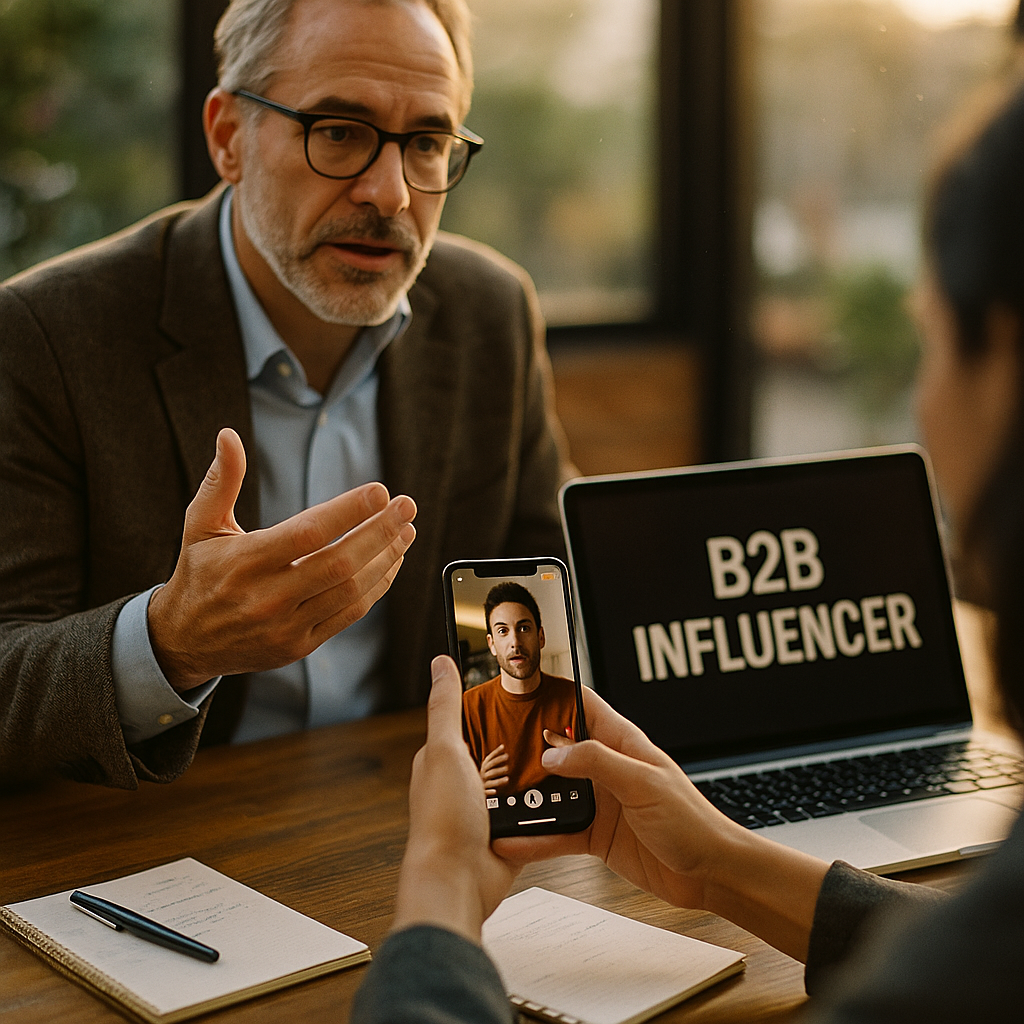
Sixty-seven percent. That’s the share of B2B buyers who now say they trust an independent expert’s take over anything coming from a brand’s own marketing team. If your creator casting brief still leads with follower count, you’re optimizing for the wrong decade. The trust signal LinkedIn just handed the industry should be rewriting how marketing leaders pick B2B creators, starting now.
This isn’t a soft PR stat. It’s a structural shift in how buyers filter noise in crowded feeds, and it has direct implications for budget allocation, casting workflows, and how you measure creator ROI in account-based marketing motions.
What LinkedIn’s Data Actually Says
LinkedIn’s research, drawn from its ongoing work on the creator economy and B2B content trust, found that buyers weight expert commentary far above sponsored or corporate-branded content when evaluating vendors. The 67% figure specifically measures trust in “independent expert insight” versus branded thought leadership on the same topic, same platform, same format.
That gap matters because B2B buying committees are larger and more risk-averse than ever. Gartner has long noted that B2B purchases involve six to ten stakeholders, each doing their own research before a vendor conversation even starts. Those stakeholders aren’t scrolling for polish. They’re scanning for someone who’s actually done the job, made the mistake, and can speak to it credibly.
Follower count answers “how many people see this.” Trust signals answer “how many people believe this.” For B2B, only one of those questions moves pipeline.
Why Follower Count Was Always a Proxy Metric
Let’s be honest about why reach became the default casting filter: it’s easy to pull from a dashboard, easy to benchmark, and easy to defend in a budget meeting. None of that makes it the right proxy for B2B influence.
Reach measures distribution. It says nothing about whether the audience receiving the message is the audience that signs the contract, or whether they’ll act on what they see. In consumer influencer marketing, this gap is forgivable because purchase cycles are short and impulse-driven. In B2B, where deal cycles stretch six to eighteen months, a mismatch between “who sees this” and “who buys this” is expensive. You’re not just wasting impressions. You’re burning budget on creators who can’t move a buying committee, no matter how big their number looks on a media kit.
This is the same recalibration we’ve seen play out on the consumer side, where sub-20K creators now claim a growing share of influencer spend precisely because smaller, more credible voices convert better than mega-reach accounts. B2B is catching up to a lesson the DTC world already learned the hard way.
The New Casting Criteria: Credibility Over Celebrity
If trust is the metric that matters, casting criteria need to change accordingly. Here’s what should replace (or at minimum outrank) follower count in your creator scorecards:
- Domain-specific tenure. Has this person worked inside the function they’re commenting on, or are they a generalist content creator who pivoted to B2B because the CPMs looked good?
- Engagement quality, not volume. Are comments substantive discussions from peers in the target industry, or generic “great post!” filler from engagement pods?
- Citation behavior. Do other credible voices in the space reference this creator’s takes? Being quoted by peers is a stronger trust signal than being liked by strangers.
- Platform-native authority. LinkedIn authority doesn’t automatically transfer to YouTube or newsletter authority. Casting should be platform-specific, not portfolio-wide.
- Disclosure history. A creator with a clean, consistent record of disclosing paid partnerships builds more durable trust than one who’s been called out for blurred lines.
That last point isn’t a compliance afterthought, it’s a trust multiplier. Buyers who catch an undisclosed sponsorship don’t just distrust that one post, they discount everything that creator says going forward. The FTC’s endorsement guidance exists precisely because disclosure failures erode the exact signal brands are trying to buy. Influencers Time has covered how widespread this problem still is: 68% of YouTube affiliate videos violate FTC disclosure rules, and there’s no reason to assume LinkedIn or B2B-focused creators are meaningfully cleaner.
Micro and Mid-Tier Experts Are the Real Inventory
Here’s the uncomfortable part for anyone who’s spent years building relationships with big-name B2B influencers: the trust data increasingly favors mid-tier and niche experts over recognizable “thought leader” names. A VP of Sales Ops with 4,000 highly relevant followers and a track record of specific, tactical posts often outperforms a 200,000-follower keynote circuit regular when it comes to actually shifting buyer sentiment.
This mirrors what’s happening across the creator economy generally. The creator middle class is growing 22 percent, outpacing macro deal volume, because brands are realizing depth beats breadth for conversion-driven goals. B2B marketers casting for a product launch or an ABM campaign should treat this as directly applicable: smaller, sharper, more credible voices should be getting a bigger slice of the budget, not a smaller one.
It also changes the economics. Micro and mid-tier B2B experts are dramatically cheaper per engagement than celebrity thought leaders, and negotiating leverage is shifting in their favor as demand rises. The pricing dynamics playing out with micro-creator rate cards surging on the consumer side are showing up in B2B creator negotiations too. Budget holders should expect rate cards to firm up over the next few quarters as this becomes common knowledge.
Operationalizing Trust: What Changes in Your Casting Workflow
Knowing the data is one thing. Building it into a repeatable casting process is another. A few concrete changes worth making this quarter:
- Add a credibility score to your creator brief template. Alongside reach and engagement rate, score creators on tenure, citation frequency, and disclosure consistency. Weight it at least as heavily as reach.
- Audit for AI-generated commentary. As more “expert” content gets ghostwritten or AI-assisted, buyers are getting sharper at spotting generic, non-specific takes. Trust erodes fast when content sounds interchangeable. This is closely tied to the broader trend of AI ad trust falling even as brand spend rises — audiences are getting more skeptical, not less.
- Build long-term retainers, not one-off posts. Trust compounds. A creator who talks about your category consistently over months builds more credibility than someone doing a single sponsored post. This tracks with the shift toward retainers over one-off gigs that’s already reshaping creator economics elsewhere.
- Test message-market fit before scaling spend. Run a small pilot with two or three credible voices, measure pipeline influence (not just impressions), then scale the ones that move the needle.
- Track sentiment in the comments, not just the count. A thread full of skeptical pushback from your actual buyer persona is more valuable diagnostic data than a thread full of vague praise.
None of this means reach becomes irrelevant. A credible voice with zero distribution still won’t move enough people to matter. But reach should be the tiebreaker, not the primary filter, when trust is the thing buyers say actually drives their decisions. LinkedIn’s own business platform resources increasingly emphasize this exact framing for B2B marketers building content strategy around creators and subject-matter experts.
Where This Intersects With Broader Platform Shifts
It’s worth zooming out. Trust-weighted discovery isn’t unique to LinkedIn. TikTok has publicly leaned into a trust-based algorithm that forces brands to rethink reach, and the pattern is showing up across platforms as they compete for user attention in an increasingly skeptical environment. Platforms are realizing that trust-weighted signals produce better retention than pure reach-weighted ones. Expect LinkedIn to keep pushing product features (comment quality signals, creator credibility badges, expanded newsletter tools) that reinforce this shift, not walk it back.
For B2B marketers, that means the casting playbook you build now has a longer shelf life than a typical platform trend. This isn’t an algorithm quirk to game. It’s a buyer behavior shift that platforms are simply catching up to and formalizing into their ranking systems.
Next Step
Pull your last two quarters of creator casting decisions and score each one against credibility criteria, not reach. If your top-performing pipeline-driving creators skew toward niche expertise over follower count, that’s your signal to rewrite the brief for every campaign going forward.
Frequently Asked Questions
What does the 67% trust statistic from LinkedIn actually measure?
It measures the share of B2B buyers who say they trust independent expert commentary more than branded or sponsored thought leadership on the same topic and platform. It’s a comparative trust metric, not a general satisfaction score.
Should brands stop using follower count in creator casting entirely?
No. Reach still matters as a tiebreaker once credibility is established. The shift is about sequencing: screen for expertise and trust signals first, then use reach to decide between qualified candidates.
How do you measure a B2B creator’s credibility beyond follower count?
Look at domain tenure, whether peers cite or reference their commentary, the substance of comment threads (not just volume), platform-specific authority, and a clean disclosure history on past sponsored content.
Are micro and mid-tier B2B experts really more effective than big-name influencers?
Data across the creator economy suggests smaller, niche-focused voices often drive stronger conversion and trust outcomes than high-reach generalists, particularly in long B2B sales cycles where specificity matters more than visibility.
Does disclosure compliance actually affect trust scores?
Yes. Buyers who identify undisclosed sponsorships tend to discount all future content from that creator, not just the flagged post. Consistent, clear disclosure is a durable trust asset, not just a legal requirement.
Visible FAQ (duplicate block per instructions)
Frequently Asked Questions
What does the 67% trust statistic from LinkedIn actually measure?
It measures the share of B2B buyers who say they trust independent expert commentary more than branded or sponsored thought leadership on the same topic and platform. It’s a comparative trust metric, not a general satisfaction score.
Should brands stop using follower count in creator casting entirely?
No. Reach still matters as a tiebreaker once credibility is established. The shift is about sequencing: screen for expertise and trust signals first, then use reach to decide between qualified candidates.
How do you measure a B2B creator’s credibility beyond follower count?
Look at domain tenure, whether peers cite or reference their commentary, the substance of comment threads (not just volume), platform-specific authority, and a clean disclosure history on past sponsored content.
Are micro and mid-tier B2B experts really more effective than big-name influencers?
Data across the creator economy suggests smaller, niche-focused voices often drive stronger conversion and trust outcomes than high-reach generalists, particularly in long B2B sales cycles where specificity matters more than visibility.
Does disclosure compliance actually affect trust scores?
Yes. Buyers who identify undisclosed sponsorships tend to discount all future content from that creator, not just the flagged post. Consistent, clear disclosure is a durable trust asset, not just a legal requirement.
Top Influencer Marketing Agencies
The leading agencies shaping influencer marketing in 2026
Agencies ranked by campaign performance, client diversity, platform expertise, proven ROI, industry recognition, and client satisfaction. Assessed through verified case studies, reviews, and industry consultations.
Moburst

-
2

The Shelf
Boutique Beauty & Lifestyle Influencer AgencyA data-driven boutique agency specializing exclusively in beauty, wellness, and lifestyle influencer campaigns on Instagram and TikTok. Best for brands already focused on the beauty/personal care space that need curated, aesthetic-driven content.Clients: Pepsi, The Honest Company, Hims, Elf Cosmetics, Pure LeafVisit The Shelf → -
3

Audiencly
Niche Gaming & Esports Influencer AgencyA specialized agency focused exclusively on gaming and esports creators on YouTube, Twitch, and TikTok. Ideal if your campaign is 100% gaming-focused — from game launches to hardware and esports events.Clients: Epic Games, NordVPN, Ubisoft, Wargaming, Tencent GamesVisit Audiencly → -
4

Viral Nation
Global Influencer Marketing & Talent AgencyA dual talent management and marketing agency with proprietary brand safety tools and a global creator network spanning nano-influencers to celebrities across all major platforms.Clients: Meta, Activision Blizzard, Energizer, Aston Martin, WalmartVisit Viral Nation → -
5

The Influencer Marketing Factory
TikTok, Instagram & YouTube CampaignsA full-service agency with strong TikTok expertise, offering end-to-end campaign management from influencer discovery through performance reporting with a focus on platform-native content.Clients: Google, Snapchat, Universal Music, Bumble, YelpVisit TIMF → -
6

NeoReach
Enterprise Analytics & Influencer CampaignsAn enterprise-focused agency combining managed campaigns with a powerful self-service data platform for influencer search, audience analytics, and attribution modeling.Clients: Amazon, Airbnb, Netflix, Honda, The New York TimesVisit NeoReach → -
7

Ubiquitous
Creator-First Marketing PlatformA tech-driven platform combining self-service tools with managed campaign options, emphasizing speed and scalability for brands managing multiple influencer relationships.Clients: Lyft, Disney, Target, American Eagle, NetflixVisit Ubiquitous → -
8

Obviously
Scalable Enterprise Influencer CampaignsA tech-enabled agency built for high-volume campaigns, coordinating hundreds of creators simultaneously with end-to-end logistics, content rights management, and product seeding.Clients: Google, Ulta Beauty, Converse, AmazonVisit Obviously →