


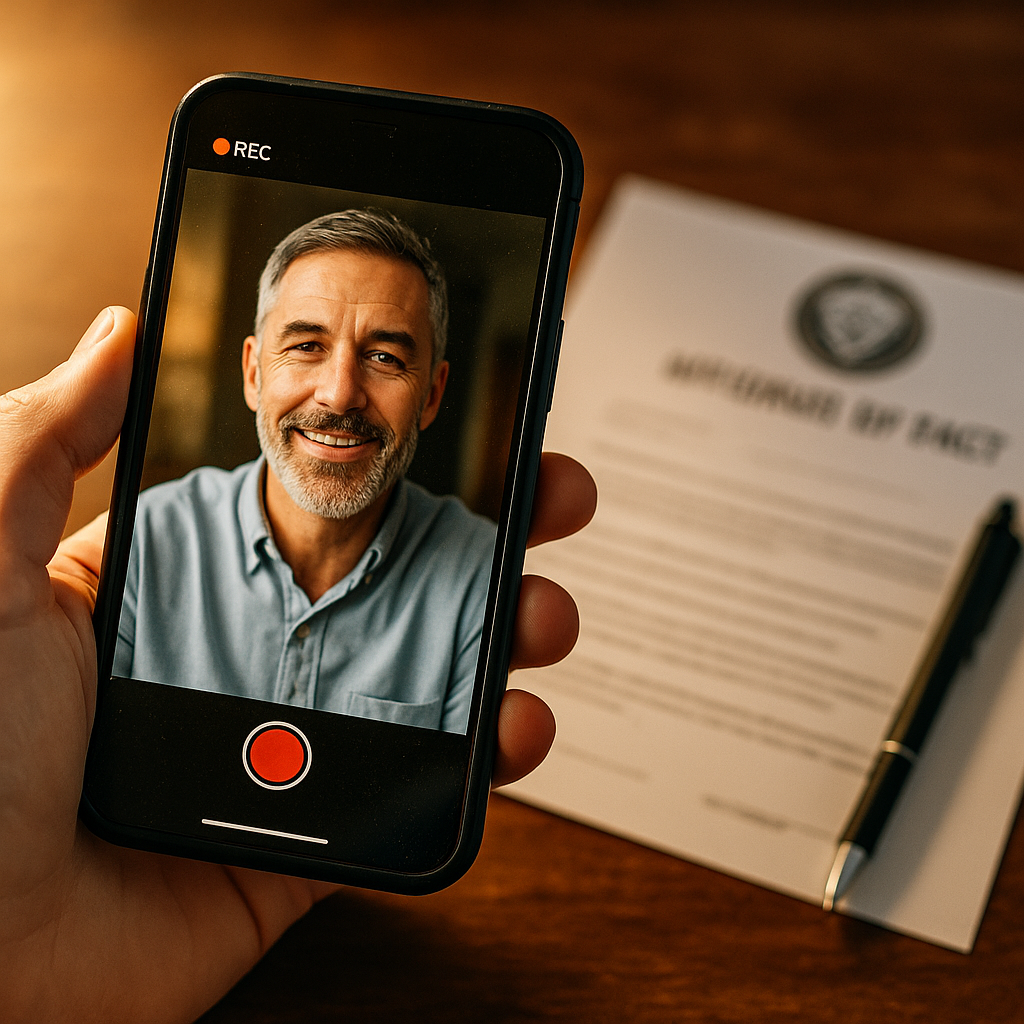
Only 34% of consumers trust brand-created content, according to Sprout Social‘s ongoing trust research, yet audiences still binge unboxings, hotel walkthroughs, and “day in my trial” videos by the millions. The gap is the real-experience video format: creator content built from an actual stay, actual trial, actual use, not a scripted read of brand talking points. Get the brief right, and it converts like a review. Get it wrong, and it looks like an ad wearing a disguise.
What Is the Real-Experience Video Format?
Strip away the jargon and it’s simple: a creator genuinely experiences your product or service, on their own timeline, and documents it honestly. Think a travel creator’s unfiltered three-night hotel stay, a skincare creator’s real 30-day trial, or a SaaS reviewer working inside your platform for a week before recording anything. No teleprompter. No pre-approved script. The brand supplies the access; the creator supplies the truth.
This isn’t the same as a founder-led product demo, which is inherently brand-narrated. It’s closer to earned media wearing a paid-partnership disclosure. That distinction matters legally, creatively, and financially, and it’s why the brief for this format looks nothing like a standard ad brief.
The real-experience format only works if the brand gives up narrative control at the exact moment most marketing teams instinctively tighten their grip.
The Trust Math Behind Guest and Trial Content
Why does this format outperform scripted content on conversion metrics? Three reasons, and they’re all operational, not mystical.
- Imperfection reads as proof. A creator noting the Wi-Fi was spotty in one hotel room, or that a product’s default settings needed adjusting, makes the positive parts of the review believable by contrast.
- Duration signals commitment. A three-day stay or a two-week trial takes real time out of a creator’s life. Audiences intuitively weight that time investment as evidence of sincerity.
- Discovery beats delivery. Viewers watch a creator find a feature rather than be told about it. That single shift, from “here’s what it does” to “oh wait, look at this,” is the difference between an ad and a testimonial.
HubSpot’s state of marketing research has repeatedly flagged authenticity and relatability as the top drivers of influencer content performance, ahead of production polish. That’s the whole business case for this format in one line: spend less on gloss, more on genuine access.
Building the Brief: Five Non-Negotiables
A real-experience brief fails the moment it starts dictating what to say. Instead, it should dictate conditions, access, and disclosure, and leave the narrative to the creator. Here’s the structure that holds up under legal review and still performs.
- Define the experience window, not the script. Specify the length of stay or trial period (minimum three days for hospitality, minimum two weeks for consumable or software trials) rather than talking points.
- Set capture requirements, not content requirements. Ask for raw footage of check-in, first use, mid-experience, and a final reflection. Let the edit come later, ideally with creator autonomy over final cut.
- Bake in disclosure at the brief stage. Every piece of this content is a paid or gifted partnership under FTC endorsement guidelines, and the disclosure language belongs in the contract, not left to creator discretion after the fact.
- Pre-clear the honesty clause. Legal teams often flinch here, but the brief should explicitly permit creators to mention minor negatives. A brief that bans criticism produces content that reads as scripted, which defeats the format’s entire value proposition.
- Plan the usage rights conversation before the shoot. Decide upfront whether this becomes paid ad inventory later. Building that into the initial agreement avoids the renegotiation scramble that kills timelines, a lesson covered in depth in usage-rights-ready video briefs.
This is also where the format overlaps with customer takeover briefs, another handoff-of-control format. The operational lesson is the same: the brand’s job shifts from writing copy to managing risk boundaries.
Where This Format Breaks
Real experience content fails for predictable reasons, and most of them trace back to a brand refusing to let go.
The most common failure mode: over-briefing. A creator handed a five-page do’s-and-don’ts document produces content that feels like a script anyway, just a script performed with worse lighting. If your legal team’s redlines start dictating adjectives, you’ve already lost the authenticity premium you paid for.
The second failure mode is timing mismatch. Rushing a “three-day stay” review to publish within 48 hours of checkout doesn’t leave room for genuine reflection, and audiences notice when a review feels assembled rather than lived. Build editorial buffer into the production calendar. Three days of experience plus two to three days of edit time is a reasonable floor.
The third, and most expensive, failure mode is compliance drift. A creator posts the honest review, then a paid usage extension gets negotiated weeks later, and somewhere in that gap the disclosure language falls off the repurposed cut. This is precisely the scenario that FTC-safe creator content frameworks are built to prevent, and it’s worth building a compliance checkpoint into every repurposing step, not just the original post.
If your brief requires a creator to say something they didn’t actually experience, you’re not briefing a real-experience video. You’re briefing an ad that will get flagged as one.
Scaling It Without Losing the Realness
One authentic stay video is a nice case study. Ten of them, run in parallel, is a program, and programs need structure. This is where multi-creator testing waves become useful: run a small cohort of creators through the same experience brief, compare which honest angles resonate before committing paid media budget, then scale the winning format.
Practical scaling checklist:
- Standardize the experience conditions (same length of stay, same trial period) across creators so performance comparisons are apples to apples.
- Vary the creator profile (different niches, audience sizes, regions) while holding the experience constant.
- Track engagement rate and saves, not just views. eMarketer data consistently shows saves and shares correlate more tightly with purchase intent than raw view counts for this content type.
- Feed top performers into paid amplification once usage rights are cleared, following a cross-platform amplification structure so one shoot funds multiple placements.
Measuring What Actually Matters
Vanity metrics mislead here more than almost any other format, because a “boring” honest video can quietly outperform a flashy scripted one on the metric that pays the bills: conversion. Track view-through rate against watch completion (real-experience content tends to run longer, so drop-off points matter more than raw view count), comment sentiment (look for questions about specific details the creator mentioned, that’s buying intent), and assisted conversions if the content gets tagged with shoppable links or promo codes.
Statista’s creator economy tracking has shown steady growth in branded content spend allocated to “authentic” or “unscripted” formats year over year, a signal that budget owners are already voting with dollars. The brief just needs to catch up to where the money’s going.
Get the Handoff Right, and Move On
Draft a brief that specifies access and disclosure, not dialogue. Give creators a real stay or real trial, protect their room to be honest, and let the conversion data do the arguing for you next quarter.
FAQs
What makes real-experience video content different from standard influencer content?
Real-experience content documents a creator’s genuine, unscripted use of a product or service over a defined period, rather than a scripted endorsement. The creator controls the narrative; the brand controls access and disclosure terms.
How long should a trial or stay period be for this format to feel authentic?
Hospitality experiences generally need a minimum of three nights, and product or software trials need at least two weeks. Shorter windows tend to produce content that reads as rushed or staged.
Do creators need to disclose paid or gifted real-experience content?
Yes. Any material connection between a brand and creator, including a comped stay or free trial, requires clear disclosure under FTC endorsement guidelines, and that language should be built into the brief and contract upfront.
Can brands ask creators to avoid mentioning negatives in this format?
No, and doing so undermines the entire value of the format. Allowing minor honest criticism is what makes the positive claims in the content believable to viewers.
How should brands measure ROI on real-experience creator content?
Prioritize watch completion rate, comment sentiment quality, and assisted conversions from tagged links over raw view counts, since this format tends to convert quietly rather than go viral loudly.
Top Influencer Marketing Agencies
The leading agencies shaping influencer marketing in 2026
Agencies ranked by campaign performance, client diversity, platform expertise, proven ROI, industry recognition, and client satisfaction. Assessed through verified case studies, reviews, and industry consultations.
Moburst

-
2

The Shelf
Boutique Beauty & Lifestyle Influencer AgencyA data-driven boutique agency specializing exclusively in beauty, wellness, and lifestyle influencer campaigns on Instagram and TikTok. Best for brands already focused on the beauty/personal care space that need curated, aesthetic-driven content.Clients: Pepsi, The Honest Company, Hims, Elf Cosmetics, Pure LeafVisit The Shelf → -
3

Audiencly
Niche Gaming & Esports Influencer AgencyA specialized agency focused exclusively on gaming and esports creators on YouTube, Twitch, and TikTok. Ideal if your campaign is 100% gaming-focused — from game launches to hardware and esports events.Clients: Epic Games, NordVPN, Ubisoft, Wargaming, Tencent GamesVisit Audiencly → -
4

Viral Nation
Global Influencer Marketing & Talent AgencyA dual talent management and marketing agency with proprietary brand safety tools and a global creator network spanning nano-influencers to celebrities across all major platforms.Clients: Meta, Activision Blizzard, Energizer, Aston Martin, WalmartVisit Viral Nation → -
5

The Influencer Marketing Factory
TikTok, Instagram & YouTube CampaignsA full-service agency with strong TikTok expertise, offering end-to-end campaign management from influencer discovery through performance reporting with a focus on platform-native content.Clients: Google, Snapchat, Universal Music, Bumble, YelpVisit TIMF → -
6

NeoReach
Enterprise Analytics & Influencer CampaignsAn enterprise-focused agency combining managed campaigns with a powerful self-service data platform for influencer search, audience analytics, and attribution modeling.Clients: Amazon, Airbnb, Netflix, Honda, The New York TimesVisit NeoReach → -
7

Ubiquitous
Creator-First Marketing PlatformA tech-driven platform combining self-service tools with managed campaign options, emphasizing speed and scalability for brands managing multiple influencer relationships.Clients: Lyft, Disney, Target, American Eagle, NetflixVisit Ubiquitous → -
8

Obviously
Scalable Enterprise Influencer CampaignsA tech-enabled agency built for high-volume campaigns, coordinating hundreds of creators simultaneously with end-to-end logistics, content rights management, and product seeding.Clients: Google, Ulta Beauty, Converse, AmazonVisit Obviously →