


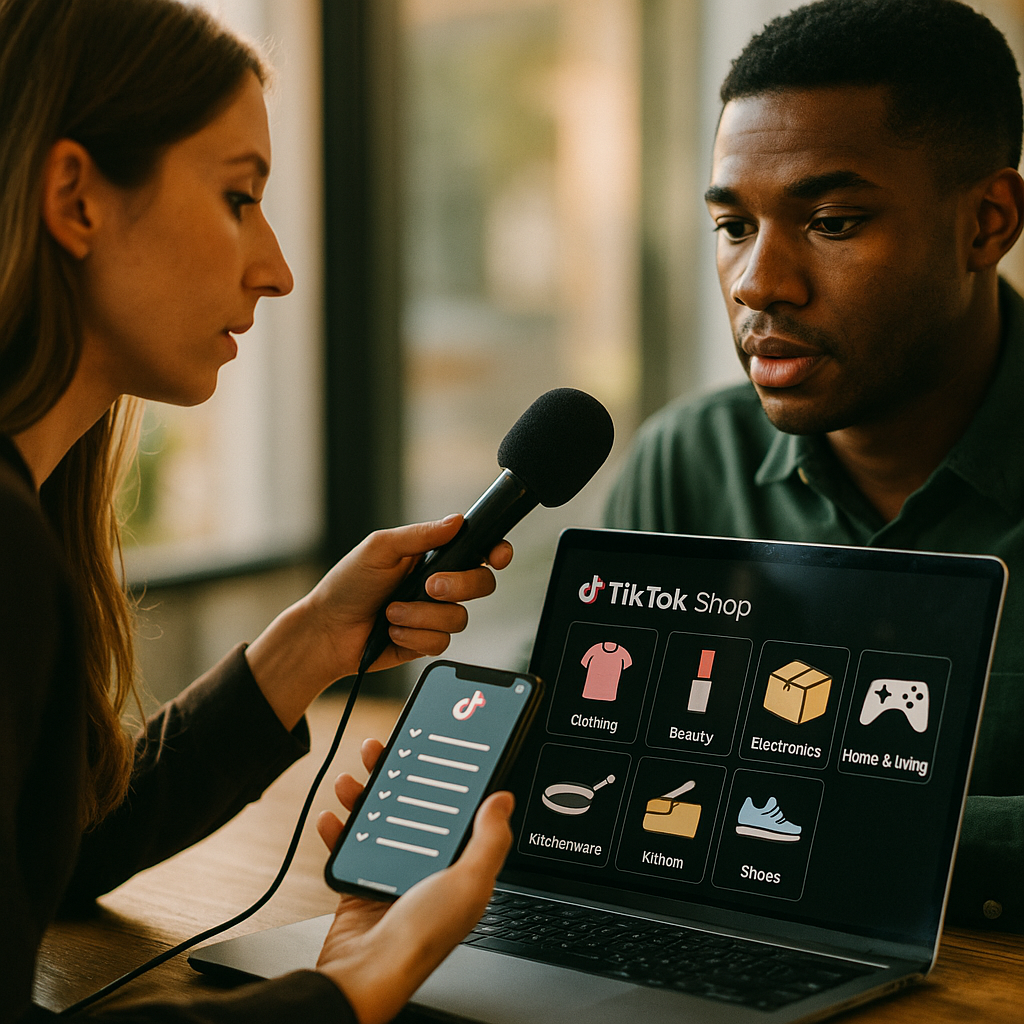
TikTok Shop now routes a growing share of GMV through category-specific playbooks, not a single platform-wide algorithm. That single structural shift means the creators who got your brand featured last quarter might be invisible next quarter, unless your TikTok Shop Category Operations strategy accounts for it. TikTok has quietly assigned dedicated category managers to verticals like beauty, home, and fashion, and that org chart change is now dictating who gets discovered, boosted, and paid.
What a TikTok Shop Category Manager Actually Does
Think of category managers as the merchandisers of TikTok’s commerce arm. Each one owns a vertical, beauty, apparel, electronics, wellness, and is responsible for GMV growth, seller quality, and creator supply within that lane. They set the priorities that feed into GMV Max allocation, decide which affiliate campaigns get platform-level promotion, and flag sellers or creators whose content underperforms category benchmarks.
That’s a meaningfully different system than the flat, algorithm-only model brands got used to during TikTok Shop’s early growth phase. Previously, a strong hook and a decent conversion rate could get almost any product surfaced. Now, category managers are actively shaping which listings and creators get organic lift, based on vertical-specific performance thresholds that aren’t fully public.
If your recruiting brief still treats TikTok Shop as one undifferentiated algorithm, you’re optimizing for a system that no longer exists.
Category Priorities Now Drive Creator Discovery
Here’s the practical consequence: a beauty brand’s affiliate creators are now competing inside a beauty-specific supply pool that TikTok’s category team actively curates. Home goods creators face different content format expectations, different watch-time benchmarks, and different commission norms than fashion creators do. Brands recruiting across multiple product categories can no longer run one blanket creator brief and expect it to perform evenly.
This mirrors a broader shift the platform has been signaling for a while. As engagement density has replaced raw follower count as the dominant discovery signal, category-level curation adds a second filter on top: not just how engaged is this creator’s audience, but how well does this creator’s content match what converts inside this specific vertical.
For brands running affiliate programs across several TikTok Shop categories, that means your creator sourcing criteria need a category layer baked in from day one, not bolted on after a campaign underperforms.
The New Recruiting Playbook
What should actually change in how brands recruit? Start with vertical-specific casting instead of platform-wide casting. A skincare brand shouldn’t be pulling from the same creator shortlist as a kitchen gadget brand, even if both are technically “TikTok Shop affiliates.” Category managers reward creators who demonstrate consistent, category-relevant conversion behavior, so brands need to prioritize creators with a proven track record in that specific vertical over creators with impressive but unrelated engagement metrics.
- Audit existing affiliate rosters by category performance, not just overall follower count or GMV contribution.
- Build category-specific briefs that reflect the content formats each vertical’s category manager appears to reward (demo-heavy for beauty, unboxing for electronics, styling for apparel).
- Track creator performance against category benchmarks, not platform averages, since a “good” conversion rate in fashion may be mediocre in beauty.
- Reserve budget for testing new creators inside categories where you lack an established affiliate bench, since category managers seem to favor supply diversity over concentration.
Brands still leaning on manual sourcing for this level of granularity are going to struggle. The category layer adds real operational complexity, and that’s exactly where structured onboarding processes like the ones outlined in micro influencer onboarding frameworks start paying for themselves. Vetting at scale, category by category, is not a spreadsheet problem anymore.
Does This Change Affiliate Commission Strategy?
Yes, and probably more than most brands have adjusted for. Category managers appear to have influence over commission bands and GMV Max bid dynamics within their verticals, which means the “competitive” commission rate in beauty this quarter might look underwhelming in three months if the category team shifts its growth targets. Brands that set a static commission structure and walk away are effectively gambling on category stability that TikTok hasn’t promised anyone.
A more defensible approach: review commission competitiveness against category norms quarterly, not annually. Pair that with performance-tiered commission structures that reward your top category-relevant creators with better rates, rather than flat pricing across your entire affiliate base. This isn’t dramatically different from how TikTok search ad bidding already requires ongoing recalibration, just applied to organic affiliate economics instead of paid placements.
Compliance Risk Shifts to the Category Level
There’s a compliance angle here that brand legal and marketing teams should not overlook. When TikTok assigns category-specific oversight, it typically comes with category-specific content rules, particularly in regulated verticals like health, wellness, and supplements. A category manager overseeing beauty and wellness products has direct incentive to enforce disclosure standards and claims accuracy more aggressively than a platform-wide moderation team might, simply because vertical GMV growth depends on maintaining seller and creator trust within that category.
That raises the bar for how brands vet creator content before it goes live. The FTC’s endorsement guidance already requires clear, conspicuous disclosure of paid or affiliate relationships, and category-level enforcement on TikTok Shop is likely to make violations more visible, and more costly, faster than platform-wide moderation ever did. Brands operating in regulated categories should treat this as a reason to tighten content review workflows, not just a platform quirk to monitor.
Where Agencies Fit Into This Shift
Recruiting the right creators for a specific TikTok Shop category, then vetting their content for compliance before it publishes, is exactly the kind of layered operational work that’s pushing more brands toward specialist partners rather than in-house generalists. Moburst, a global full-service digital marketing agency that has worked with over 900 clients including Samsung, Reddit, and Calm, runs an influencer marketing partners practice built around creator recruitment, vetting, and campaign management, the same category-by-category discipline that TikTok Shop’s new structure now demands. That kind of dedicated vetting infrastructure is becoming less of a nice-to-have and more of a baseline requirement for brands running affiliate programs across multiple verticals.
What This Means for Budget Allocation
Category-level curation also changes how brands should think about spend distribution across TikTok Shop verticals. Categories where TikTok’s category manager is actively pushing growth (often signaled by increased GMV Max promotion, seasonal campaign pushes, or new creator incentive programs) represent short-term windows of amplified organic reach. Brands that can identify and move budget into those windows quickly will outperform competitors running static, quarter-locked allocation plans.
According to eMarketer’s ongoing coverage of social commerce, platform-driven promotional cycles are becoming a bigger factor in short-term GMV swings across TikTok Shop and similar marketplaces, reinforcing that brands need faster budget reallocation cycles than traditional quarterly planning allows. Pair that agility with Sprout Social’s broader social commerce benchmarking to sanity-check whether a category surge is TikTok-specific or part of a wider seasonal trend before over-committing budget.
A Format Problem, Too
Category managers don’t just influence which creators get discovered, they seem to shape which content formats get rewarded within each vertical. Beauty categories favor demo-first formats, home goods favor before-and-after transformations, and apparel favors try-on hauls. Brands recruiting creators without briefing them on category-preferred formats are leaving discoverability on the table. This connects directly to the kind of cross-platform format thinking covered in niche video ROI playbooks, where format-market fit matters as much as creator selection.
Beauty brands in particular should be watching this closely, since category-level curation tends to hit fast-moving, trend-driven verticals hardest. The kind of early-testing discipline described in the beauty brand testing playbook applies just as well here: don’t wait for a category shift to fully materialize before adjusting your creator mix.
None of this means TikTok Shop has become harder to win on. It means the game moved from platform-wide optimization to vertical-specific operations, and brands still running one-size-fits-all creator recruiting are going to feel that gap widen every quarter it goes unaddressed. Audit your affiliate roster by category performance this month, not next quarter, and rebuild your briefs around what each category manager appears to actually reward.
FAQs
What is a TikTok Shop category manager?
A category manager is a TikTok Shop team member responsible for GMV growth, seller quality, and creator supply within a specific product vertical, such as beauty, apparel, or home goods, rather than the platform as a whole.
How does the category manager role affect creator recruiting?
It means creator discovery and promotion increasingly depend on vertical-specific performance benchmarks, so brands need category-specific briefs, vetting criteria, and commission strategies instead of one blanket recruiting approach across all products.
Do commission rates vary by TikTok Shop category?
Yes, category managers appear to influence commission bands and GMV Max bidding dynamics within their verticals, so competitive commission rates can shift quarter to quarter depending on category growth priorities.
Does this change compliance requirements for brands?
Regulated categories like health and wellness are likely to see tighter enforcement of disclosure and claims standards at the category level, making thorough content review before publishing more important than ever.
Should smaller brands worry about this shift?
Smaller brands with limited affiliate rosters may actually benefit from category-level curation if it rewards content quality and conversion relevance over sheer follower count, but only if their recruiting and vetting process adapts to category-specific standards.
Top Influencer Marketing Agencies
The leading agencies shaping influencer marketing in 2026
Agencies ranked by campaign performance, client diversity, platform expertise, proven ROI, industry recognition, and client satisfaction. Assessed through verified case studies, reviews, and industry consultations.
Moburst

-
2

The Shelf
Boutique Beauty & Lifestyle Influencer AgencyA data-driven boutique agency specializing exclusively in beauty, wellness, and lifestyle influencer campaigns on Instagram and TikTok. Best for brands already focused on the beauty/personal care space that need curated, aesthetic-driven content.Clients: Pepsi, The Honest Company, Hims, Elf Cosmetics, Pure LeafVisit The Shelf → -
3

Audiencly
Niche Gaming & Esports Influencer AgencyA specialized agency focused exclusively on gaming and esports creators on YouTube, Twitch, and TikTok. Ideal if your campaign is 100% gaming-focused — from game launches to hardware and esports events.Clients: Epic Games, NordVPN, Ubisoft, Wargaming, Tencent GamesVisit Audiencly → -
4

Viral Nation
Global Influencer Marketing & Talent AgencyA dual talent management and marketing agency with proprietary brand safety tools and a global creator network spanning nano-influencers to celebrities across all major platforms.Clients: Meta, Activision Blizzard, Energizer, Aston Martin, WalmartVisit Viral Nation → -
5

The Influencer Marketing Factory
TikTok, Instagram & YouTube CampaignsA full-service agency with strong TikTok expertise, offering end-to-end campaign management from influencer discovery through performance reporting with a focus on platform-native content.Clients: Google, Snapchat, Universal Music, Bumble, YelpVisit TIMF → -
6

NeoReach
Enterprise Analytics & Influencer CampaignsAn enterprise-focused agency combining managed campaigns with a powerful self-service data platform for influencer search, audience analytics, and attribution modeling.Clients: Amazon, Airbnb, Netflix, Honda, The New York TimesVisit NeoReach → -
7

Ubiquitous
Creator-First Marketing PlatformA tech-driven platform combining self-service tools with managed campaign options, emphasizing speed and scalability for brands managing multiple influencer relationships.Clients: Lyft, Disney, Target, American Eagle, NetflixVisit Ubiquitous → -
8

Obviously
Scalable Enterprise Influencer CampaignsA tech-enabled agency built for high-volume campaigns, coordinating hundreds of creators simultaneously with end-to-end logistics, content rights management, and product seeding.Clients: Google, Ulta Beauty, Converse, AmazonVisit Obviously →