


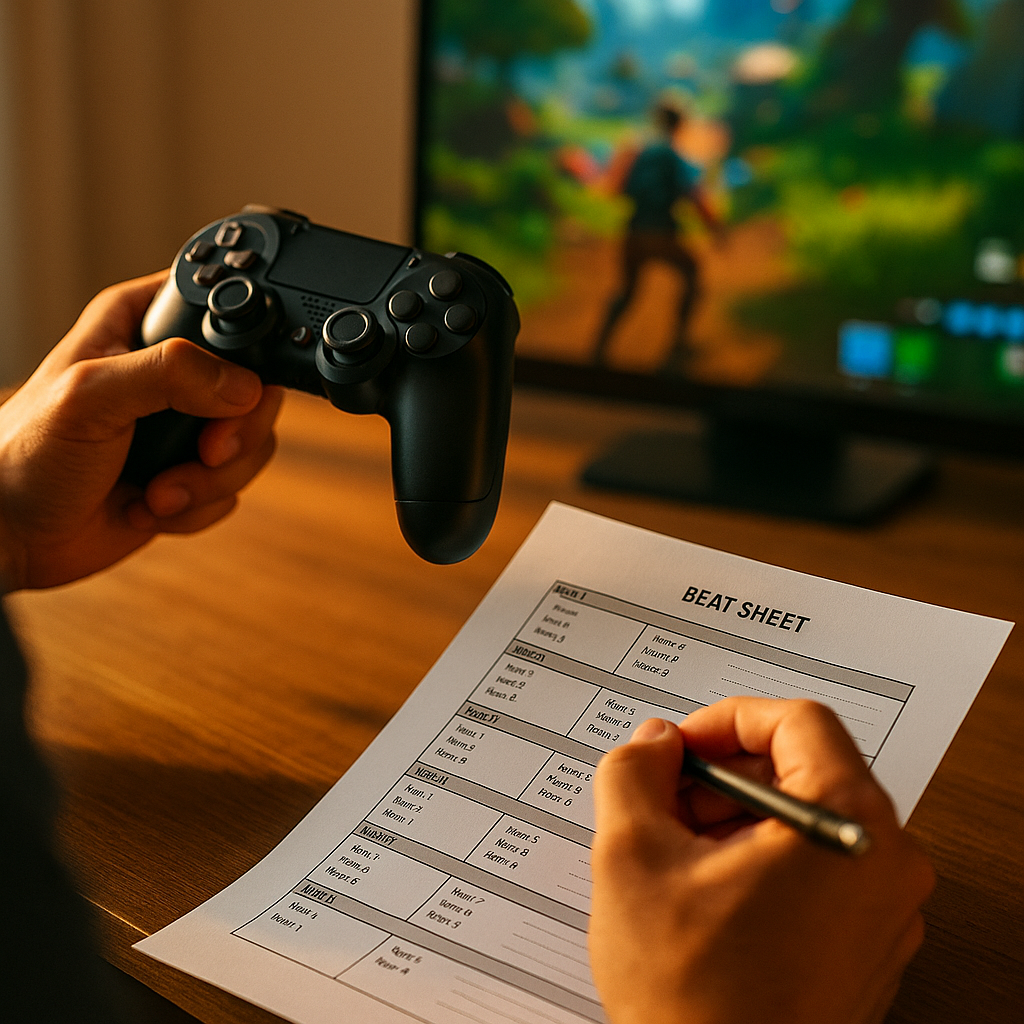
YouTube Shorts now drives over 200 billion daily views across the platform, and gaming content is one of the fastest-growing categories inside that feed. Yet most brand-sponsored gaming Shorts die in the first three seconds. Why? Because agencies keep scripting for TikTok trends and porting them over, ignoring the fact that scripting short-form gaming content for YouTube’s recommendation engine requires a completely different playbook.
If your influencer program treats Shorts as an afterthought clipped from long-form VODs, you’re leaving distribution on the table. This isn’t about luck or algorithm mysticism. It’s about structural choices you can brief, test, and repeat.
Why YouTube Shorts Rewards Different Scripting Than TikTok
TikTok’s For You Page optimizes heavily for completion rate within a session. YouTube Shorts optimizes for something broader: session continuation across the entire platform, including a viewer’s jump from Shorts into long-form video. That distinction matters enormously for gaming content.
A Shorts clip that ends with “check out the full stream” and links viewers toward a longer VOD gets rewarded differently than a self-contained TikTok joke. YouTube’s own creator guidance, published through YouTube’s official support resources, confirms that Shorts performance ties into overall channel watch time, not just the clip in isolation. For brands running influencer gaming campaigns, that means your script needs a dual job: win the swipe, and funnel intent toward owned channel assets.
A Shorts clip isn’t a standalone ad unit. It’s a distribution lever for the creator’s entire channel ecosystem, and your script needs to work that lever deliberately.
The Three-Second Hook Isn’t Optional, It’s the Whole Game
Gaming footage is visually chaotic by default. Explosions, HUDs, chat overlays. That means your hook can’t rely on visuals alone to differentiate. It needs a verbal or textual promise that reframes what the viewer is about to see.
Strong gaming Shorts hooks tend to fall into a few repeatable patterns:
- The impossible clip: “This shouldn’t have worked.” Immediately shows the clutch play or bug exploit.
- The stakes reveal: “If I miss this, I lose the rank.” Sets up tension before the play even starts.
- The contrarian take: “Everyone’s building this wrong.” Works well for strategy and build-guide content.
- The reaction bait: “Watch chat’s face when this happens.” Leans on community proof.
Notice none of these rely on slow build-up. Gaming audiences scroll fast and know the genre conventions cold, so vague intros get punished instantly. If you’ve worked on hook testing at scale for other verticals, the same media-buyer logic applies here: test five hook variants per clip, kill underperformers within 24 hours, and let data pick the winner rather than creative opinion.
Sound Design Is a Scripting Decision, Not a Post-Production Afterthought
Most brand briefs treat audio as something the editor handles after the script is locked. In gaming Shorts, that’s backwards. In-game sound effects, kill confirmations, level-up chimes, all of it needs to be scripted into the beat sheet because it drives pacing and emotional punctuation.
Think about how a sponsor callout lands differently depending on whether it hits right after a dramatic in-game sound cue or during a quiet lull. The same principle that governs sound cue placement in reveal videos applies directly here: audio timing shapes retention curves as much as visual cuts do. Brief your creators to mark sound beats in the script itself, not leave it to chance in the edit bay.
Structuring the Beat Sheet: A Practical Template
Here’s a beat structure that’s held up across multiple gaming Shorts campaigns we’ve reviewed at Influencers Time, adaptable across shooters, MOBAs, and simulation titles:
- 0 to 1.5 seconds: Visual hook plus text overlay stating the stakes.
- 1.5 to 4 seconds: Context drop, just enough for a newcomer to follow without a lore dump.
- 4 to 10 seconds: The payoff moment, edited tight with no dead frames.
- 10 to 14 seconds: Reaction beat, either the creator’s face cam or a chat overlay reaction.
- 14 to 20 seconds: Sponsor integration or channel CTA, delivered as a natural extension of the reaction, not a bolted-on ad read.
That last beat is where most sponsored gaming Shorts fall apart. Viewers can smell a hard pivot into “and that’s why I use [brand]” from a mile away. The integration needs to feel like part of the story, similar to the clip-rights thinking covered in our piece on Let’s Play Shorts clip rights, where sponsor mentions get woven into gameplay narration rather than stapled onto the end.
What About Clip Rights and Repurposed Footage?
A lot of gaming Shorts get built from clipping longer streams, which raises a legal and operational question brands underestimate: who owns the footage, and what happens when a sponsor’s logo appears inside a clipped moment sourced from a third-party clip account?
Get this into the contract before production, not after a viral clip blows up without proper attribution or usage rights. This is one of the more overlooked compliance gaps in influencer gaming programs, and it’s worth reviewing alongside FTC endorsement guidance to make sure sponsor disclosures survive the clipping and re-editing process intact. If a clipper account reposts your sponsored moment without the disclosure overlay, you’re exposed, not the clipper.
Does Vertical-First Shooting Actually Matter for Gaming Content?
Yes, and it’s more nuanced than “just crop the footage.” Most gaming capture happens in 16:9 by default, since that’s the native aspect ratio for console and PC gameplay. Cropping to 9:16 after the fact often cuts off critical HUD elements like health bars, minimaps, or kill feeds, exactly the visual proof points that make a clip credible.
Smart production teams now shoot with a “safe zone” awareness, keeping the HUD’s critical information centered so it survives the crop. Some studios go further and build dual-export pipelines: one native widescreen cut for YouTube long-form, one reframed vertical cut for Shorts, planned during editing rather than as a rushed afterthought. This mirrors the reframing discipline discussed in the three-layer video stack framework, where a single shoot gets systematically versioned for multiple placements instead of treating each platform as a separate production.
Cropping gameplay footage without planning for it is the single most common reason sponsored gaming Shorts underperform. The HUD is the proof. Cut it out and you cut out the credibility.
Pacing for Genre: Shooters vs. Strategy vs. Simulation
Not every gaming genre scripts the same way, and treating them identically is a rookie brief mistake.
Fast-twitch shooters and battle royales reward rapid cuts, sub-second reaction shots, and hook-heavy openers built around clutch moments. Strategy and simulation titles, by contrast, often perform better with a slightly slower reveal, because the audience watching city-builders or grand strategy content is there for the “how,” not just the “wow.” A 20-second Shorts clip explaining a clever build order can outperform a chaotic highlight reel if the pacing matches genre expectations.
Brief your creators on genre-specific pacing benchmarks rather than a one-size-fits-all cut rate. Data from platforms like Sprout Social’s engagement benchmarks consistently shows that retention curves differ meaningfully by content subgenre, even within the same platform and format.
Testing and Iteration: Treat Scripts Like Ad Creative
The brands winning distribution on Shorts aren’t the ones with the single best script. They’re the ones running the most disciplined testing loop. Script three hook variants, three CTA placements, and two pacing structures, then let 48 to 72 hours of view data tell you what’s working.
This isn’t fundamentally different from how performance marketers approach dark post ad creative testing, just applied to organic-feeling influencer content instead of paid units. The discipline transfers directly: kill fast, scale what works, and never assume your first draft is your best draft.
Track these metrics specifically for gaming Shorts:
- Average view duration versus clip length (aim for over 70 percent retention at 15 seconds)
- Swipe-away rate in the first two seconds
- Click-through to channel or long-form video
- Comment sentiment around sponsor integration specifically
That last metric gets ignored constantly, and it shouldn’t. A clip can perform brilliantly on views while quietly tanking brand sentiment in the comments if the sponsor integration felt forced. Data from eMarketer’s creator economy research continues to show that audience trust erodes faster than it rebuilds, especially in gaming communities that are famously skeptical of sponsor content.
Compliance Checkpoints Brands Skip at Their Own Risk
Gaming audiences are litigious about disclosure in a way other verticals aren’t. A missing #ad tag or a sponsor mention that feels deceptive gets called out in comments within minutes, and that backlash follows the clip everywhere it gets reposted. Build disclosure language into the script itself, not as a caption slapped on after export. Reference the FTC’s endorsement guidelines directly in your creator brief, and make sure multi-language versions carry the same disclosure weight, a gap covered thoroughly in our piece on multi-language dubbing compliance.
The takeaway for anyone running a gaming influencer program right now: stop briefing Shorts as an afterthought clipped from long-form content. Script them as their own format with their own hook logic, sound design, and genre-specific pacing, then test relentlessly and let the retention data decide what scales.
FAQs
How long should a gaming Short be to maximize distribution?
Most high-performing gaming Shorts run between 15 and 35 seconds. Shorter clips under 15 seconds tend to work best for pure highlight moments, while 20 to 35 second clips give room for context and a sponsor integration without losing retention.
Should sponsored gaming Shorts avoid showing the game’s HUD?
No, the HUD often adds credibility by showing real gameplay stats, health bars, or scores. The key is planning your crop and framing during capture so critical HUD elements survive the transition to vertical format.
What’s the biggest scripting mistake brands make with gaming Shorts?
Treating the sponsor mention as a bolted-on ad read at the end rather than weaving it into the reaction or narrative beat. Audiences disengage the moment a clip shifts from authentic gameplay commentary into an obvious ad script.
Do clip rights matter for gaming Shorts sourced from livestreams?
Yes. Brands need clear usage rights for any footage clipped from a longer stream, especially when third-party clipper accounts are involved, since disclosure requirements and sponsor logos need to travel with the clip wherever it’s reposted.
How often should hooks be tested for gaming content specifically?
Test at least three hook variants per clip and review performance within 48 to 72 hours. Gaming audiences scroll fast and punish weak hooks immediately, so early data is usually a reliable predictor of full campaign performance.
Top Influencer Marketing Agencies
The leading agencies shaping influencer marketing in 2026
Agencies ranked by campaign performance, client diversity, platform expertise, proven ROI, industry recognition, and client satisfaction. Assessed through verified case studies, reviews, and industry consultations.
Moburst

-
2

The Shelf
Boutique Beauty & Lifestyle Influencer AgencyA data-driven boutique agency specializing exclusively in beauty, wellness, and lifestyle influencer campaigns on Instagram and TikTok. Best for brands already focused on the beauty/personal care space that need curated, aesthetic-driven content.Clients: Pepsi, The Honest Company, Hims, Elf Cosmetics, Pure LeafVisit The Shelf → -
3

Audiencly
Niche Gaming & Esports Influencer AgencyA specialized agency focused exclusively on gaming and esports creators on YouTube, Twitch, and TikTok. Ideal if your campaign is 100% gaming-focused — from game launches to hardware and esports events.Clients: Epic Games, NordVPN, Ubisoft, Wargaming, Tencent GamesVisit Audiencly → -
4

Viral Nation
Global Influencer Marketing & Talent AgencyA dual talent management and marketing agency with proprietary brand safety tools and a global creator network spanning nano-influencers to celebrities across all major platforms.Clients: Meta, Activision Blizzard, Energizer, Aston Martin, WalmartVisit Viral Nation → -
5

The Influencer Marketing Factory
TikTok, Instagram & YouTube CampaignsA full-service agency with strong TikTok expertise, offering end-to-end campaign management from influencer discovery through performance reporting with a focus on platform-native content.Clients: Google, Snapchat, Universal Music, Bumble, YelpVisit TIMF → -
6

NeoReach
Enterprise Analytics & Influencer CampaignsAn enterprise-focused agency combining managed campaigns with a powerful self-service data platform for influencer search, audience analytics, and attribution modeling.Clients: Amazon, Airbnb, Netflix, Honda, The New York TimesVisit NeoReach → -
7

Ubiquitous
Creator-First Marketing PlatformA tech-driven platform combining self-service tools with managed campaign options, emphasizing speed and scalability for brands managing multiple influencer relationships.Clients: Lyft, Disney, Target, American Eagle, NetflixVisit Ubiquitous → -
8

Obviously
Scalable Enterprise Influencer CampaignsA tech-enabled agency built for high-volume campaigns, coordinating hundreds of creators simultaneously with end-to-end logistics, content rights management, and product seeding.Clients: Google, Ulta Beauty, Converse, AmazonVisit Obviously →