


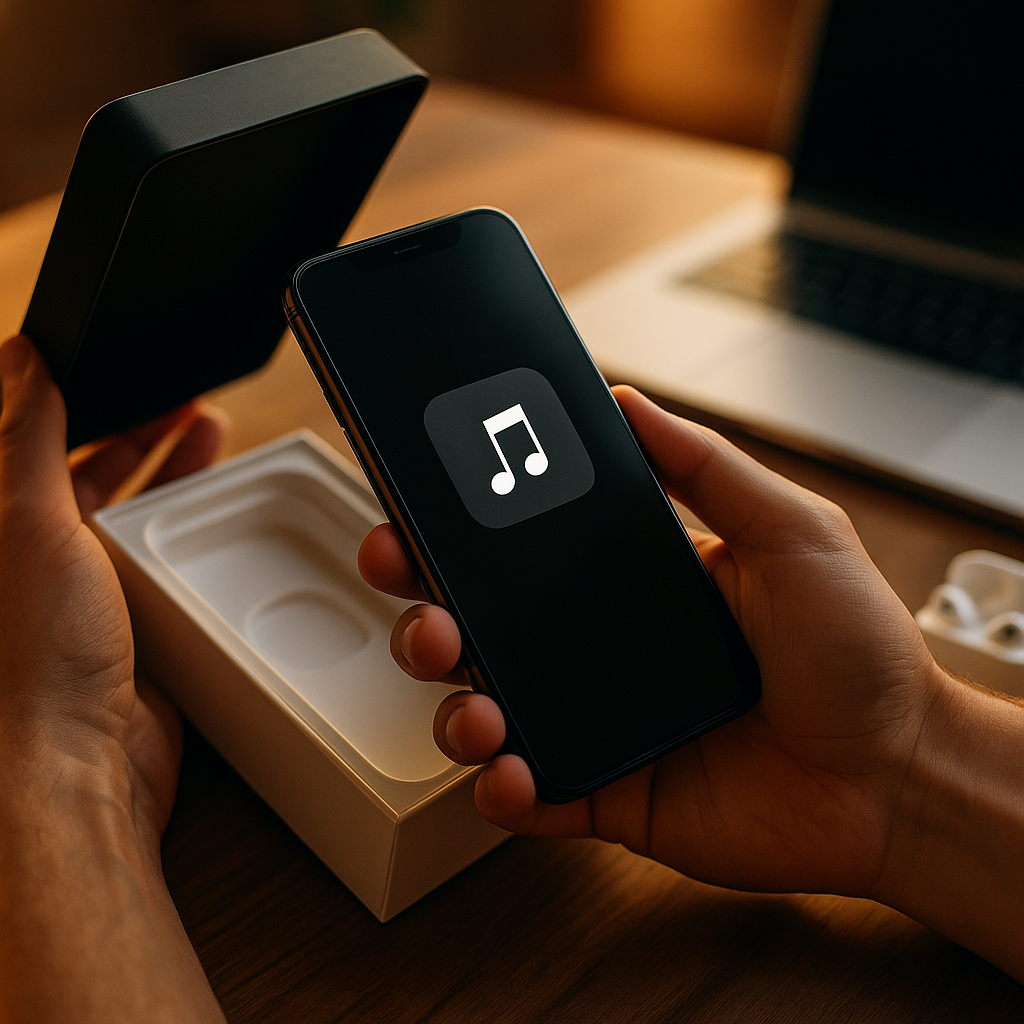
85% of Facebook video is watched without sound, yet the products that go viral in reveal-style content almost always have one thing in common: obsessive sound design. That paradox is the whole game. Sound design for short-form video isn’t about dialogue or music beds anymore, it’s about the click, the whoosh, the tiny sonic punctuation marks that tell a viewer’s brain “pay attention, something just happened.” Brands that treat audio as an afterthought are leaving conversion on the table.
Product reveal content lives or dies in the first two seconds. A silky unboxing shot with no acoustic texture reads as flat, even to viewers scrolling with sound off, because captions and motion still borrow rhythm from an implied soundtrack. Get the layering right and you create a multisensory hook that outperforms straight voiceover or static demo footage.
Why Audio Cues Matter More Than the Music Track
Marketers over-index on finding the “right song.” That’s backwards. The music bed sets mood, but audio cues, the discrete sound effects tied to specific visual beats, are what make a reveal feel premium or cheap. Think about the difference between a phone unboxing video with a satisfying magnetic click versus one with generic cardboard rustle. Apple has trained an entire generation of consumers to associate specific frequencies with quality. That’s not accidental, it’s sound branding applied at scale.
For short-form formats specifically, TikTok and Reels algorithms reward completion rate and rewatch behavior. A well-placed cue, a snap, a chime, a low-frequency thud, creates a micro-reward that makes viewers loop the clip. That’s free distribution you can’t buy with media spend.
A single well-timed sound cue synced to the exact frame of product reveal can lift completion rate more than swapping an entire music track, because the brain processes audio-visual sync as a trust signal before it processes the product itself.
The Three Layers Every Reveal Needs
Strip it down and most high-performing reveal edits use a consistent structure:
- Ambient bed: Low-level room tone or subtle music that establishes context without competing for attention.
- Action cues: Discrete sound effects synced to physical movement, the lid opening, the fabric unfolding, the button press.
- Emphasis stingers: A short musical or tonal hit that lands exactly on the reveal frame, the moment the product is fully visible.
Miss any one of these and the edit feels unfinished. Skip the emphasis stinger and the reveal has no punctuation, it just sort of happens. This three-layer logic actually mirrors a broader content strategy principle. If you’re building creative systems at scale, the three-layer video stack framework applies the same layered thinking to full campaign structure, not just individual clips.
Building the Cue Library: What Brands Actually Need
Agencies producing high-volume creator content can’t hand-design sound for every single video. That doesn’t scale. Instead, smart brand teams build a proprietary cue library, a set of five to ten signature sounds that get reused across every product reveal, unboxing, and demo.
This does two things. First, it speeds production, editors aren’t hunting stock libraries for the perfect click sound every time. Second, and more importantly, it builds sonic brand recognition. Duolingo’s notification ding, Netflix’s “tudum,” McDonald’s five-note jingle, these all work because repetition trains recall. A DTC skincare brand doing weekly creator drops should have its own recognizable “reveal chime” by month three, not reinventing sound design from scratch every shoot.
Building that library requires collaboration between creative directors and whoever owns paid social performance, because the cues need to be tested, not just designed by feel. Run the same reveal edit with three different stinger sounds through a small paid test. Track completion rate and 3-second view retention. The data will tell you which cue actually works, and it’s rarely the one that sounded best in a quiet edit bay.
Sound Off Doesn’t Mean Sound Doesn’t Matter
Here’s the counterintuitive part. Even when the majority of viewers watch muted, sound design still shapes performance, because editors cut differently when they’re building for audio sync. A cut timed to an inaudible sound cue still lands with better visual rhythm than a cut made arbitrarily. This is the same logic covered in sound off selling content strategy: silence-first design forces tighter visual pacing, which benefits everyone, including the smaller percentage who do watch with sound on.
It also means captions and on-screen text need to carry the emotional weight that audio would otherwise deliver. If your emphasis stinger lands on the reveal frame, your text overlay should hit that same frame too. Redundant sensory cues, visual and audio both peaking at the same moment, create the strongest completion signal regardless of whether sound is actually audible to that particular viewer.
Platform Differences You Can’t Ignore
TikTok, Instagram Reels, and YouTube Shorts don’t behave identically when it comes to audio. TikTok’s algorithm has historically favored content using trending sounds, which creates tension for product reveals that need custom, branded audio cues rather than a trending meme track. The workaround most performance teams use: layer the branded cue underneath a trending sound at low volume, or use the trending audio for the hook and switch to branded cues once the reveal begins.
Instagram Reels rewards original audio slightly differently, original sound tracks can themselves go viral and get reused by other creators, which is a distribution win if your product reveal has a genuinely satisfying signature sound. YouTube Shorts audiences skew toward longer attention spans even within short-form, so a slightly more developed sound arc, with a build rather than a single instant cue, tends to perform better there.
None of this is set in stone. Platform algorithms shift constantly, and eMarketer and Statista both publish regular updates on short-form video consumption patterns worth tracking quarterly. What doesn’t shift is the underlying principle: sound cues need to match platform-native pacing, not fight against it.
Working With Creators: The Brief Problem
Most influencer briefs say almost nothing about audio. They’ll spec brand messaging, disclosure requirements, hashtags, maybe a shot list. Sound design? Rarely mentioned. That’s a missed opportunity, because creators who understand audio layering intuitively (many do, from years of editing) will often ask for more direction if you give them room to.
A strong brief for product reveal content should include:
- Whether the brand has existing signature sounds or a cue library to reference
- Specific timing guidance, when should the “reveal moment” land relative to hook and CTA
- Whether trending audio is permitted, required, or prohibited
- Reference examples of the audio feel the brand wants (crisp and minimal versus warm and organic)
This isn’t about micromanaging creators into robotic execution. It’s about giving them a sonic vocabulary so their creative instincts align with brand recognition goals. The same logic that governs founder as creator scripts, giving enough structure to stay on-brand without killing authenticity, applies directly to sound briefs too.
For product launch content specifically, coordinating sound cues across multiple creators posting near-simultaneously creates a cohesive campaign feel even when the visuals differ wildly. If you’re running a coordinated drop, the product launch simulcast format benefits enormously from a shared audio identity across creator variations, it’s one of the few elements that can unify a scattered multi-platform push.
Measuring What Actually Moved the Needle
Sound design is notoriously hard to isolate as a performance variable because it’s usually bundled with everything else in the edit. But it’s not impossible. The cleanest method: run A/B creative tests where the visual edit, script, and pacing are identical, and only the audio cue layer changes. Compare completion rate, average watch time, and if you’re running paid, cost per result.
Platforms like TikTok Ads Manager and Meta Business Suite both provide granular enough retention curves to spot where viewers drop off. If drop-off consistently happens right before your reveal frame, that’s often a sign the audio buildup isn’t creating enough anticipation. Fix the cue timing before you touch the visuals, it’s usually the cheaper and faster fix.
Hook testing methodology, increasingly standard among performance marketers, applies just as well to audio as it does to opening visuals. The hook testing at scale approach that media buyers use for visual hooks works identically for audio hooks: isolate the variable, test at volume, let the data decide rather than internal opinion.
Common Mistakes That Undercut Good Sound Design
A few patterns show up repeatedly in underperforming reveal content:
- Overcrowded audio. Too many cues stacked in a two-second window creates noise, not emphasis. One clear stinger beats five competing effects.
- Mismatched licensing. Using copyrighted sound effects or unlicensed trending audio without clearance risks takedowns mid-campaign, a real problem for time-sensitive product launches.
- Ignoring accessibility. Sound cues that carry meaning (a warning tone, a countdown beep) need visual equivalents for viewers who are deaf or hard of hearing, or simply scrolling muted.
- No consistency across creator content. If every creator in a campaign uses wildly different sound treatments, the brand never builds sonic recognition.
Licensing deserves its own callout. Brands running high-volume creator programs should treat sound effects the same way they treat music clearance, with documented rights and usage terms. The meme template licensing approach to speed and legal safety is a useful model for building a similarly clean process around sound assets.
Where This Is Headed
AI-assisted sound design tools are starting to make custom cue generation accessible to teams without in-house audio engineers. Expect brand-specific sound libraries to become as standard as brand color palettes within the next content cycle. The teams that build this muscle early, testing cues rigorously and briefing creators with sonic specificity, will have a recognizability advantage that’s genuinely hard for competitors to copy quickly.
Sound is one of the last underexploited levers in short-form creative. Everyone’s optimizing hooks, captions, and thumbnails. Almost nobody is optimizing the click.
Frequently Asked Questions
FAQs
Does sound design matter if most viewers watch on mute?
Yes. Editors who cut for audio sync produce tighter visual pacing even when sound is off, and the small percentage watching with sound on tend to be higher-intent viewers closer to purchase decisions.
How many signature sound cues should a brand maintain?
Most brands do well with five to ten reusable cues covering hooks, action beats, and reveal moments. More than that dilutes recognition and slows production.
Can creators use trending audio and branded sound cues together?
Yes, a common approach layers a trending sound during the hook and switches to branded cues once the product reveal begins, balancing discoverability with brand consistency.
What’s the biggest sound design mistake in product reveal content?
Overcrowding the audio track with too many competing cues. A single, well-timed emphasis stinger on the reveal frame outperforms multiple stacked effects almost every time.
How do you test whether a sound cue is actually improving performance?
Run A/B tests where visuals, script, and pacing stay identical and only the audio layer changes. Compare completion rate and watch time in TikTok Ads Manager or Meta Business Suite to isolate the impact.
Do sound effects need licensing clearance like music does?
Yes. Unlicensed sound effects or trending audio used without clearance can trigger takedowns mid-campaign. Treat sound assets with the same rights documentation as music.
Start small: pick one product reveal format you already run repeatedly, design three signature sound cues for it, and A/B test them against your current edit within the next sprint. The lift will tell you whether it’s time to build a full cue library.
Top Influencer Marketing Agencies
The leading agencies shaping influencer marketing in 2026
Agencies ranked by campaign performance, client diversity, platform expertise, proven ROI, industry recognition, and client satisfaction. Assessed through verified case studies, reviews, and industry consultations.
Moburst

-
2

The Shelf
Boutique Beauty & Lifestyle Influencer AgencyA data-driven boutique agency specializing exclusively in beauty, wellness, and lifestyle influencer campaigns on Instagram and TikTok. Best for brands already focused on the beauty/personal care space that need curated, aesthetic-driven content.Clients: Pepsi, The Honest Company, Hims, Elf Cosmetics, Pure LeafVisit The Shelf → -
3

Audiencly
Niche Gaming & Esports Influencer AgencyA specialized agency focused exclusively on gaming and esports creators on YouTube, Twitch, and TikTok. Ideal if your campaign is 100% gaming-focused — from game launches to hardware and esports events.Clients: Epic Games, NordVPN, Ubisoft, Wargaming, Tencent GamesVisit Audiencly → -
4

Viral Nation
Global Influencer Marketing & Talent AgencyA dual talent management and marketing agency with proprietary brand safety tools and a global creator network spanning nano-influencers to celebrities across all major platforms.Clients: Meta, Activision Blizzard, Energizer, Aston Martin, WalmartVisit Viral Nation → -
5

The Influencer Marketing Factory
TikTok, Instagram & YouTube CampaignsA full-service agency with strong TikTok expertise, offering end-to-end campaign management from influencer discovery through performance reporting with a focus on platform-native content.Clients: Google, Snapchat, Universal Music, Bumble, YelpVisit TIMF → -
6

NeoReach
Enterprise Analytics & Influencer CampaignsAn enterprise-focused agency combining managed campaigns with a powerful self-service data platform for influencer search, audience analytics, and attribution modeling.Clients: Amazon, Airbnb, Netflix, Honda, The New York TimesVisit NeoReach → -
7

Ubiquitous
Creator-First Marketing PlatformA tech-driven platform combining self-service tools with managed campaign options, emphasizing speed and scalability for brands managing multiple influencer relationships.Clients: Lyft, Disney, Target, American Eagle, NetflixVisit Ubiquitous → -
8

Obviously
Scalable Enterprise Influencer CampaignsA tech-enabled agency built for high-volume campaigns, coordinating hundreds of creators simultaneously with end-to-end logistics, content rights management, and product seeding.Clients: Google, Ulta Beauty, Converse, AmazonVisit Obviously →