


Sixty percent of consumers say they trust influencer recommendations less than they did two years ago, according to recent Sprout Social research. Yet three-minute micro-documentaries are quietly reversing that trend for brands willing to ditch the polished 30-second spot. Why does a longer, rawer format outperform the ad it replaced? Because trust isn’t built in a jingle. It’s built in a story that takes its time.
What Exactly Is a Micro-Documentary?
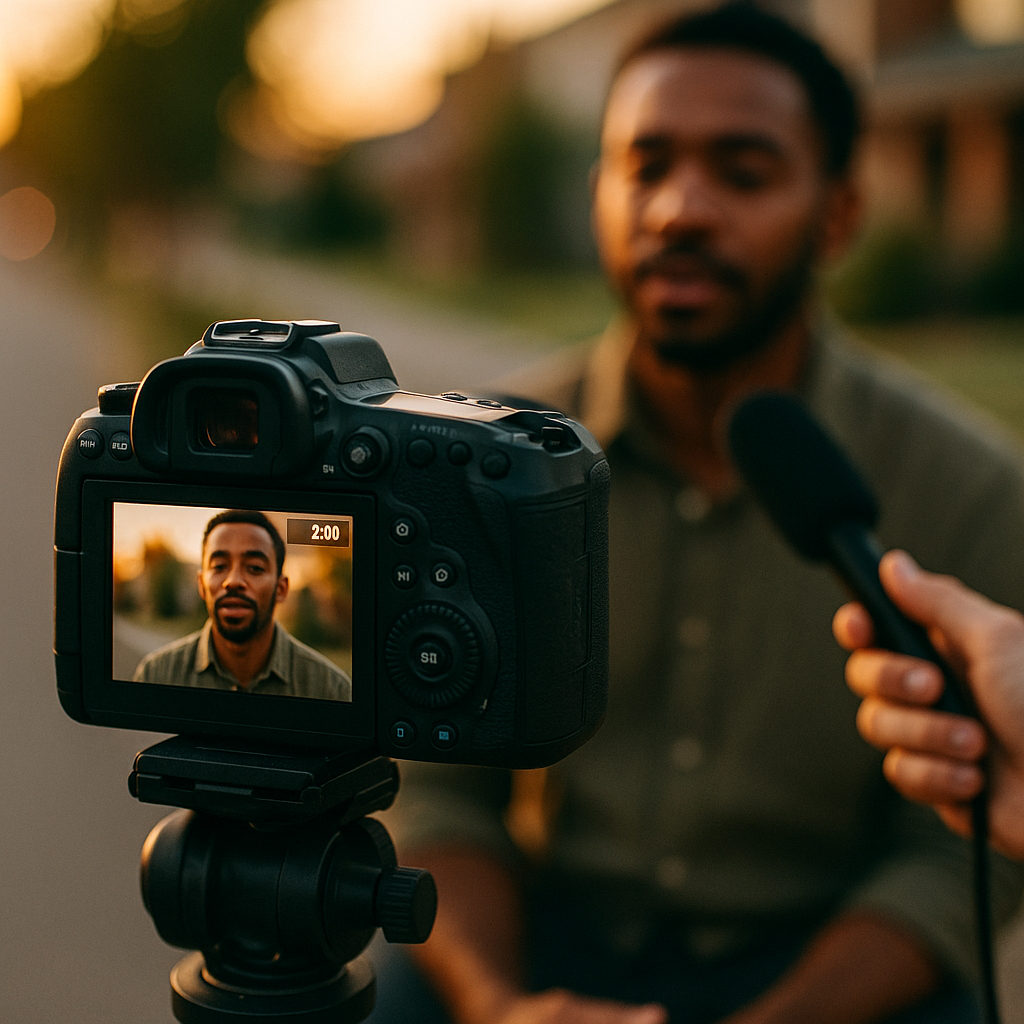
Strip away the jargon and a micro-documentary is simple: a two-to-four-minute narrative piece, shot in a documentary style, that follows a creator through a real process, decision, or transformation tied to a brand. Think “a chef sources ingredients for a week” or “a founder walks through why the product failed twice before it worked.” No script flashcards. No forced CTA at second three. Just a beginning, middle, and end that happens to feature your product doing its job.
This isn’t a repackaged testimonial. Testimonials tell. Micro-documentaries show, and the difference matters more than most brand teams realize. A viewer watching someone struggle, adapt, and land on a solution is running their own internal credibility check in real time. By the time the brand appears, it’s already been vetted through the creator’s lived experience.
The Trust Math Behind the Format
Longer-form content forces a choice: creators can’t fake three minutes of nuance the way they can fake a ten-second reaction shot. That’s precisely why the format works. Viewers instinctively discount short, hyped clips as “ad voice.” A three-minute arc with pacing, tension, and a resolution reads as editorial, even when a brand paid for every frame of it.
Micro-documentaries convert skepticism into attention because they borrow the structural cues of journalism, not advertising, and audiences respond to structure before they respond to messaging.
eMarketer data has repeatedly shown that watch-through rate correlates more tightly with purchase intent than impressions or reach for branded video. A format that holds attention for three minutes, instead of losing viewers at the six-second skip point, is doing double duty: it’s proving the story is worth watching and proving the product survives scrutiny.
Where the Format Fits in a Creator Program
Micro-documentaries aren’t a replacement for your always-on content engine. They’re a trust anchor you deploy at specific moments: a product launch that needs credibility, a category entry where skepticism runs high, or a rebrand that needs a human face attached to it. Pair them with lighter, higher-frequency formats for reach, and let the documentary carry the weight of persuasion.
Brands running hybrid content calendars often slot a single micro-documentary per quarter alongside a steady cadence of nano and micro content. If you’re already experimenting with longer-form creator partnerships, this pairs naturally with strategies covered in our piece on hybrid episodic series, where owned-audience thinking extends the shelf life of a single shoot across multiple releases.
Brief It Like Journalism, Not Advertising
The biggest mistake brands make with this format is briefing it like a commercial. A rigid script kills the documentary feel instantly, and audiences can smell a scripted “spontaneous” moment from a mile away. Instead, brief the arc, not the lines.
- Set the stakes upfront. What problem is the creator solving, and why does it matter to them personally?
- Leave room for friction. A doubt, a failed attempt, or a moment of hesitation makes the resolution credible.
- Protect the pacing. Resist the urge to cram in every product benefit. One clear insight beats five rushed ones.
- Let the brand arrive late. The product should feel like the answer to a problem already established, not the opening pitch.
This looser structure mirrors what we’ve documented in looser creator briefs: the more control you hand back to the creator’s authentic process, the more the finished piece resonates. It also reduces the friction that shows up during sign-off, a problem we broke down in creative approval bottlenecks, since documentary footage rarely survives a heavy-handed revision cycle intact.
Production Reality: What This Actually Costs
Here’s the part brand teams underestimate. A three-minute micro-documentary isn’t a bigger budget version of a 15-second reel. It’s a different production discipline entirely, closer to a short film shoot than a social content shoot. Expect a full day of filming for every finished minute, a dedicated editor who understands narrative pacing (not just jump cuts), and a creator willing to be filmed in unscripted, occasionally unflattering moments.
That said, the format is more efficient than it looks once you build a repeatable system. Brands that shoot once and cut for multiple channels get more mileage out of the raw footage, an approach detailed in our one-shoot distribution brief. A single documentary shoot can yield the three-minute hero piece, a 60-second cutdown for paid social, and a handful of vertical clips for organic feeds.
Editing choices matter enormously here too. Pacing decisions that work for a documentary won’t automatically translate to a six-second hook, which is why testing your cuts against retention data (not gut feel) pays off, something we cover in depth in pacing and editing style testing.
Platform Considerations: YouTube First, Everything Else Second
Not every platform rewards patience. YouTube remains the natural home for the full three-minute cut, since its algorithm and audience expectations both favor longer watch sessions. TikTok and Instagram Reels can host trailers or 90-second condensed versions, but the full documentary belongs where sit-down viewing is the norm. Google’s own creator support resources reinforce that watch time and session duration remain core ranking signals for long-form video discovery.
LinkedIn is an underused channel for B2B brands running this format, particularly for founder-led documentaries about product development or company culture. The audience there already expects longer, more substantive content, and LinkedIn’s business platform has leaned further into video discovery over the past two years.
Measuring Trust, Not Just Views
Standard vanity metrics undersell this format. View count matters less than average watch percentage, comment sentiment, and post-view search lift for branded terms. If you’re only tracking impressions, you’re measuring reach without measuring persuasion, and persuasion is the entire point of the format.
HubSpot’s research on video marketing has consistently found that completion rate is the strongest predictor of downstream conversion for long-form branded content, more so than raw reach. Set up branded search tracking and direct traffic spikes around your release window. If the micro-documentary is doing its job, you’ll see it show up in demand generation numbers, not just social engagement dashboards.
A micro-documentary that gets a million views but no completion data and no branded search lift has failed at its actual job: building trust that converts.
Common Pitfalls That Undercut the Format
Three mistakes show up again and again in brand-led documentary attempts. First, over-producing the visuals to the point where it looks like a commercial with a longer runtime, which kills the authenticity the format depends on. Second, choosing a creator based on follower count instead of storytelling ability, since not every popular creator can carry a three-minute narrative. Third, skipping FTC disclosure requirements because the format “doesn’t feel like an ad.” It’s still sponsored content, and the FTC’s endorsement guidelines apply regardless of runtime or tone.
Compliance isn’t optional here, and it’s easier to bake in during pre-production than to bolt on during editing. A clear disclosure early in the piece, delivered naturally by the creator, protects both the brand and the creator without breaking the narrative flow.
Next Step
Pick one upcoming launch or rebrand where skepticism is your biggest obstacle, brief a single creator on the arc (not the script), and measure completion rate and branded search lift instead of views. That’s the test that tells you whether this format belongs in your permanent rotation.
Frequently Asked Questions
How long should a branded micro-documentary actually run?
Two to four minutes is the sweet spot. Under two minutes and you lose the narrative arc that makes the format credible; over four minutes and drop-off accelerates sharply on most platforms.
Which platforms work best for this format?
YouTube is the primary home for full-length cuts, with LinkedIn a strong secondary channel for B2B and founder-led stories. TikTok and Instagram work well for trailers or condensed versions that drive traffic to the full piece.
Do micro-documentaries need FTC disclosure?
Yes. Sponsored content rules apply regardless of format or runtime. Disclosure should happen early and feel natural to the creator’s delivery, not bolted on as a caption afterthought.
How is this different from a regular branded testimonial video?
Testimonials state a conclusion. Micro-documentaries show the process that led to it, including friction and doubt, which is what makes the resolution feel earned rather than scripted.
What’s a realistic budget range compared to standard influencer content?
Expect production costs closer to short-film budgets than social content budgets, since a single finished minute typically requires a full shoot day. Brands offset this by repurposing footage into cutdowns and vertical clips from the same shoot.
How do I measure success beyond views?
Track average watch percentage, comment sentiment quality, and branded search or direct traffic lift in the days following release. These signals indicate whether trust actually transferred, not just whether the video was seen.
Frequently Asked Questions
How long should a branded micro-documentary actually run?
Two to four minutes is the sweet spot. Under two minutes and you lose the narrative arc that makes the format credible; over four minutes and drop-off accelerates sharply on most platforms.
Which platforms work best for this format?
YouTube is the primary home for full-length cuts, with LinkedIn a strong secondary channel for B2B and founder-led stories. TikTok and Instagram work well for trailers or condensed versions that drive traffic to the full piece.
Do micro-documentaries need FTC disclosure?
Yes. Sponsored content rules apply regardless of format or runtime. Disclosure should happen early and feel natural to the creator’s delivery, not bolted on as a caption afterthought.
How is this different from a regular branded testimonial video?
Testimonials state a conclusion. Micro-documentaries show the process that led to it, including friction and doubt, which is what makes the resolution feel earned rather than scripted.
What’s a realistic budget range compared to standard influencer content?
Expect production costs closer to short-film budgets than social content budgets, since a single finished minute typically requires a full shoot day. Brands offset this by repurposing footage into cutdowns and vertical clips from the same shoot.
How do I measure success beyond views?
Track average watch percentage, comment sentiment quality, and branded search or direct traffic lift in the days following release. These signals indicate whether trust actually transferred, not just whether the video was seen.
Top Influencer Marketing Agencies
The leading agencies shaping influencer marketing in 2026
Agencies ranked by campaign performance, client diversity, platform expertise, proven ROI, industry recognition, and client satisfaction. Assessed through verified case studies, reviews, and industry consultations.
Moburst

-
2

The Shelf
Boutique Beauty & Lifestyle Influencer AgencyA data-driven boutique agency specializing exclusively in beauty, wellness, and lifestyle influencer campaigns on Instagram and TikTok. Best for brands already focused on the beauty/personal care space that need curated, aesthetic-driven content.Clients: Pepsi, The Honest Company, Hims, Elf Cosmetics, Pure LeafVisit The Shelf → -
3

Audiencly
Niche Gaming & Esports Influencer AgencyA specialized agency focused exclusively on gaming and esports creators on YouTube, Twitch, and TikTok. Ideal if your campaign is 100% gaming-focused — from game launches to hardware and esports events.Clients: Epic Games, NordVPN, Ubisoft, Wargaming, Tencent GamesVisit Audiencly → -
4

Viral Nation
Global Influencer Marketing & Talent AgencyA dual talent management and marketing agency with proprietary brand safety tools and a global creator network spanning nano-influencers to celebrities across all major platforms.Clients: Meta, Activision Blizzard, Energizer, Aston Martin, WalmartVisit Viral Nation → -
5

The Influencer Marketing Factory
TikTok, Instagram & YouTube CampaignsA full-service agency with strong TikTok expertise, offering end-to-end campaign management from influencer discovery through performance reporting with a focus on platform-native content.Clients: Google, Snapchat, Universal Music, Bumble, YelpVisit TIMF → -
6

NeoReach
Enterprise Analytics & Influencer CampaignsAn enterprise-focused agency combining managed campaigns with a powerful self-service data platform for influencer search, audience analytics, and attribution modeling.Clients: Amazon, Airbnb, Netflix, Honda, The New York TimesVisit NeoReach → -
7

Ubiquitous
Creator-First Marketing PlatformA tech-driven platform combining self-service tools with managed campaign options, emphasizing speed and scalability for brands managing multiple influencer relationships.Clients: Lyft, Disney, Target, American Eagle, NetflixVisit Ubiquitous → -
8

Obviously
Scalable Enterprise Influencer CampaignsA tech-enabled agency built for high-volume campaigns, coordinating hundreds of creators simultaneously with end-to-end logistics, content rights management, and product seeding.Clients: Google, Ulta Beauty, Converse, AmazonVisit Obviously →