


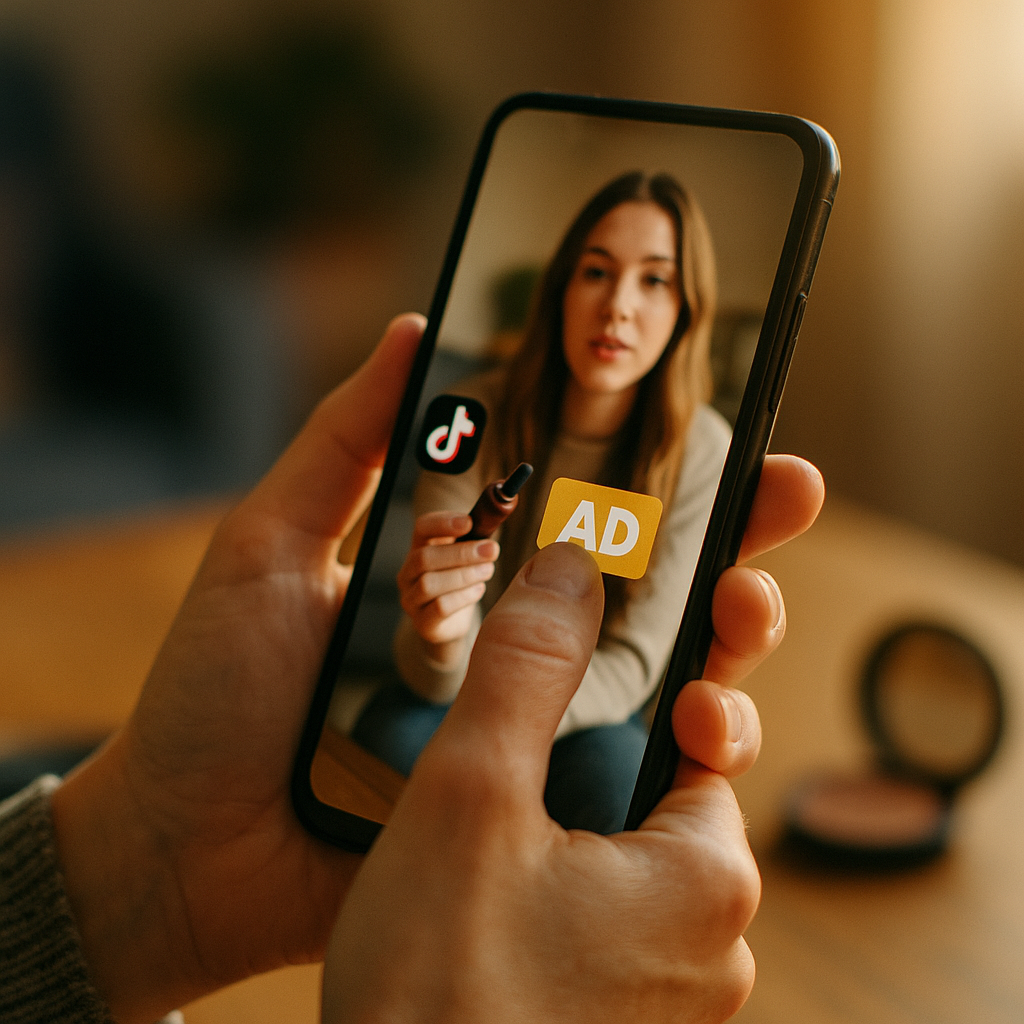
73% of consumers say they’ve encountered undisclosed sponsored content on TikTok in the past month, according to recent platform trust surveys, and TikTok just responded with teeth. The platform’s tightened disclosure flag now uses machine detection to catch unpaid product mentions that look suspiciously like ads, whether or not a creator tagged them. For brands running influencer programs, this isn’t a creator problem anymore. It’s a contract, workflow, and legal exposure problem that lands squarely on your desk.
What Actually Changed With TikTok’s Disclosure Detection
TikTok has offered a “Branded Content” toggle for years, letting creators self-disclose paid partnerships. That system relied entirely on honesty. The new layer is different: it’s an automated classifier that scans captions, on-screen text, spoken audio, and even product placement patterns to flag content that resembles a paid promotion, regardless of whether the creator marked it as such.
Here’s the twist that should worry brand teams. The flag doesn’t just catch obvious ad content that went undisclosed. It’s also catching organic, genuinely unpaid mentions, gifted products a creator forgot to disclose as gifted, and affiliate links buried in bios that never got the proper tag. TikTok’s own advertising policy hub now spells out that misclassification appeals go through a review queue, and brands whose creators get flagged repeatedly can see their branded hashtag campaigns deprioritized in the algorithm.
That’s the real cost. It’s not just a warning label slapped on a video. It’s reduced reach for every campaign tied to that creator relationship going forward.
Why “Unpaid” Doesn’t Mean “Unregulated”
Marketers love to draw a bright line between paid partnerships and organic, unpaid mentions. Legally, that line has always been blurrier than the industry pretends. The FTC’s endorsement guidance covers “material connections,” a phrase that includes free products, event perks, family relationships with a brand, and even long-term ambassador arrangements where no single video was compensated. If a creator received so much as a free unit to try, and then posted about it, that’s a material connection requiring disclosure under FTC rules, TikTok’s own community guidelines, or both.
The gap between “we didn’t pay for that post” and “we have no disclosure obligation” is exactly where most brand legal teams get caught flat-footed.
This is why the tightened disclosure flag matters so much right now. It’s forcing a reckoning that should have happened years ago: brands need visibility into every piece of content a creator makes about their product, paid or not, gifted or organic, because the platform (and the regulator) no longer distinguishes as cleanly as marketing teams do internally.
The Compliance Checklist for Unpaid Product Mentions
If your influencer program includes gifting, affiliate codes, ambassador tiers, or any structure where content isn’t a straight paid deliverable, you need a documented process. Here’s the baseline checklist we’d recommend building into your creator operations this quarter:
- Map every material connection. Build a living list of every creator who has received free product, event access, discount codes, or long-term perks in the past 12 months, even if no invoice was ever cut.
- Standardize disclosure language in gifting agreements. Don’t assume a creator knows they need to disclose a gifted item. Spell out the required hashtag or on-screen text in writing, before the box ships.
- Audit affiliate and promo code content separately. Commission-based content carries its own disclosure logic, and it’s frequently missed because teams treat it as “not really an ad.” For a deeper breakdown, see our guide on promo code compliance.
- Set a re-audit cadence, not a one-time check. Disclosure status can lapse mid-campaign when creators edit captions, repost content, or move it to a new format like TikTok Stories.
- Document your review trail. If TikTok or the FTC ever asks why a piece of content wasn’t flagged internally, “we checked on this date and here’s the screenshot” is worth more than any policy statement.
- Escalate repeat flags to contract review. A creator who triggers the disclosure flag more than twice should trigger a conversation about renewal terms, not just a reminder email.
None of this is glamorous work. But the brands that treat it as a checklist item rather than a legal fire drill are the ones who avoid the reach penalties and the regulatory letters.
Where Brands Get Tripped Up
Three patterns keep showing up in post-mortems when we talk to compliance leads at agencies.
First, nano and micro creators fall through the cracks. Larger ambassador programs get legal review. The 5,000-follower creator who got a free skincare set six months ago and posted an unboxing video? Nobody’s tracking that relationship. TikTok’s classifier doesn’t care about follower count, though, and neither does the FTC. We’ve covered this exact scale problem in our piece on nano creator disclosure audits, and the tightened flag makes that gap more expensive to ignore.
Second, brands assume the platform toggle is enough. Turning on “Branded Content Toggle” satisfies TikTok’s paid partnership requirement, but it doesn’t automatically satisfy FTC disclosure language standards, which require clear, unavoidable, plain-language disclosure like “#ad” placed where viewers will actually see it, not buried after fifteen hashtags.
Third, renewal decisions ignore disclosure history. A creator can be a top performer on engagement metrics and still be a compliance liability if their disclosure hygiene is sloppy. That data point rarely makes it into the renewal conversation, which is a mistake we’ve flagged before in our analysis of the renewal audit gap.
Does This Only Affect TikTok Campaigns?
No, and treating it as a TikTok-only fix is short-sighted. Meta, YouTube, and other platforms are moving toward similar automated detection, according to industry trend reporting from eMarketer and Sprout Social. Build your compliance checklist platform-agnostic from the start, because retrofitting it channel by channel is a waste of legal budget.
Building an Audit Cadence That Actually Scales
A one-time compliance sweep feels productive but solves nothing structurally. The programs that stay clean run quarterly audits tied to specific triggers: new creator onboarding, gifting campaign launches, and contract renewal windows. That cadence catches disclosure drift before the platform’s classifier does.
It also helps to build insurance and contract protections around the creators most likely to trigger flags, particularly nano and micro talent operating without agency oversight. Our guide on creator E&O insurance walks through how coverage gaps compound disclosure risk when a flagged post turns into a formal complaint.
One more operational note: assign ownership. Disclosure compliance dies in the gap between marketing, legal, and the agency managing creator relationships. Somebody on your team needs to own the checklist end to end, with authority to pause a campaign if a creator’s content doesn’t meet the bar.
Frequently Asked Questions
What triggers TikTok’s tightened disclosure flag?
TikTok’s classifier scans captions, on-screen text, spoken audio, and visual product placement to identify content that resembles a paid promotion, whether or not the creator used the Branded Content toggle. It can flag gifted products, affiliate links, and organic mentions that follow patterns common to sponsored content.
Are gifted products considered a paid partnership under FTC rules?
Yes. The FTC treats any free product, perk, or benefit as a “material connection” that requires disclosure, regardless of whether cash changed hands. Brands should not assume gifting is exempt from disclosure obligations.
Can a disclosure flag actually hurt campaign performance?
Yes. Beyond the label itself, repeated flags on a creator’s content can reduce distribution for branded hashtag campaigns and ambassador content tied to that account, according to TikTok’s current advertising policies.
Who is legally responsible if a creator fails to disclose an unpaid mention?
Both the creator and the brand can share liability under FTC enforcement precedent. Brands are expected to have “reasonable monitoring” programs in place, which means a documented checklist and audit trail matter in any regulatory review.
How often should brands audit creator disclosure compliance?
Quarterly at minimum, with additional checks triggered by new creator onboarding, gifting campaign launches, and contract renewal windows. Waiting for an annual review leaves too much exposure between checkpoints.
Next step: Pull your full list of gifted, affiliate, and ambassador creators this week, cross-reference it against your disclosure checklist, and flag any gaps before TikTok’s classifier finds them first.
Frequently Asked Questions
What triggers TikTok’s tightened disclosure flag?
TikTok’s classifier scans captions, on-screen text, spoken audio, and visual product placement to identify content that resembles a paid promotion, whether or not the creator used the Branded Content toggle. It can flag gifted products, affiliate links, and organic mentions that follow patterns common to sponsored content.
Are gifted products considered a paid partnership under FTC rules?
Yes. The FTC treats any free product, perk, or benefit as a “material connection” that requires disclosure, regardless of whether cash changed hands. Brands should not assume gifting is exempt from disclosure obligations.
Can a disclosure flag actually hurt campaign performance?
Yes. Beyond the label itself, repeated flags on a creator’s content can reduce distribution for branded hashtag campaigns and ambassador content tied to that account, according to TikTok’s current advertising policies.
Who is legally responsible if a creator fails to disclose an unpaid mention?
Both the creator and the brand can share liability under FTC enforcement precedent. Brands are expected to have “reasonable monitoring” programs in place, which means a documented checklist and audit trail matter in any regulatory review.
How often should brands audit creator disclosure compliance?
Quarterly at minimum, with additional checks triggered by new creator onboarding, gifting campaign launches, and contract renewal windows. Waiting for an annual review leaves too much exposure between checkpoints.
Top Influencer Marketing Agencies
The leading agencies shaping influencer marketing in 2026
Agencies ranked by campaign performance, client diversity, platform expertise, proven ROI, industry recognition, and client satisfaction. Assessed through verified case studies, reviews, and industry consultations.
Moburst

-
2

The Shelf
Boutique Beauty & Lifestyle Influencer AgencyA data-driven boutique agency specializing exclusively in beauty, wellness, and lifestyle influencer campaigns on Instagram and TikTok. Best for brands already focused on the beauty/personal care space that need curated, aesthetic-driven content.Clients: Pepsi, The Honest Company, Hims, Elf Cosmetics, Pure LeafVisit The Shelf → -
3

Audiencly
Niche Gaming & Esports Influencer AgencyA specialized agency focused exclusively on gaming and esports creators on YouTube, Twitch, and TikTok. Ideal if your campaign is 100% gaming-focused — from game launches to hardware and esports events.Clients: Epic Games, NordVPN, Ubisoft, Wargaming, Tencent GamesVisit Audiencly → -
4

Viral Nation
Global Influencer Marketing & Talent AgencyA dual talent management and marketing agency with proprietary brand safety tools and a global creator network spanning nano-influencers to celebrities across all major platforms.Clients: Meta, Activision Blizzard, Energizer, Aston Martin, WalmartVisit Viral Nation → -
5

The Influencer Marketing Factory
TikTok, Instagram & YouTube CampaignsA full-service agency with strong TikTok expertise, offering end-to-end campaign management from influencer discovery through performance reporting with a focus on platform-native content.Clients: Google, Snapchat, Universal Music, Bumble, YelpVisit TIMF → -
6

NeoReach
Enterprise Analytics & Influencer CampaignsAn enterprise-focused agency combining managed campaigns with a powerful self-service data platform for influencer search, audience analytics, and attribution modeling.Clients: Amazon, Airbnb, Netflix, Honda, The New York TimesVisit NeoReach → -
7

Ubiquitous
Creator-First Marketing PlatformA tech-driven platform combining self-service tools with managed campaign options, emphasizing speed and scalability for brands managing multiple influencer relationships.Clients: Lyft, Disney, Target, American Eagle, NetflixVisit Ubiquitous → -
8

Obviously
Scalable Enterprise Influencer CampaignsA tech-enabled agency built for high-volume campaigns, coordinating hundreds of creators simultaneously with end-to-end logistics, content rights management, and product seeding.Clients: Google, Ulta Beauty, Converse, AmazonVisit Obviously →