


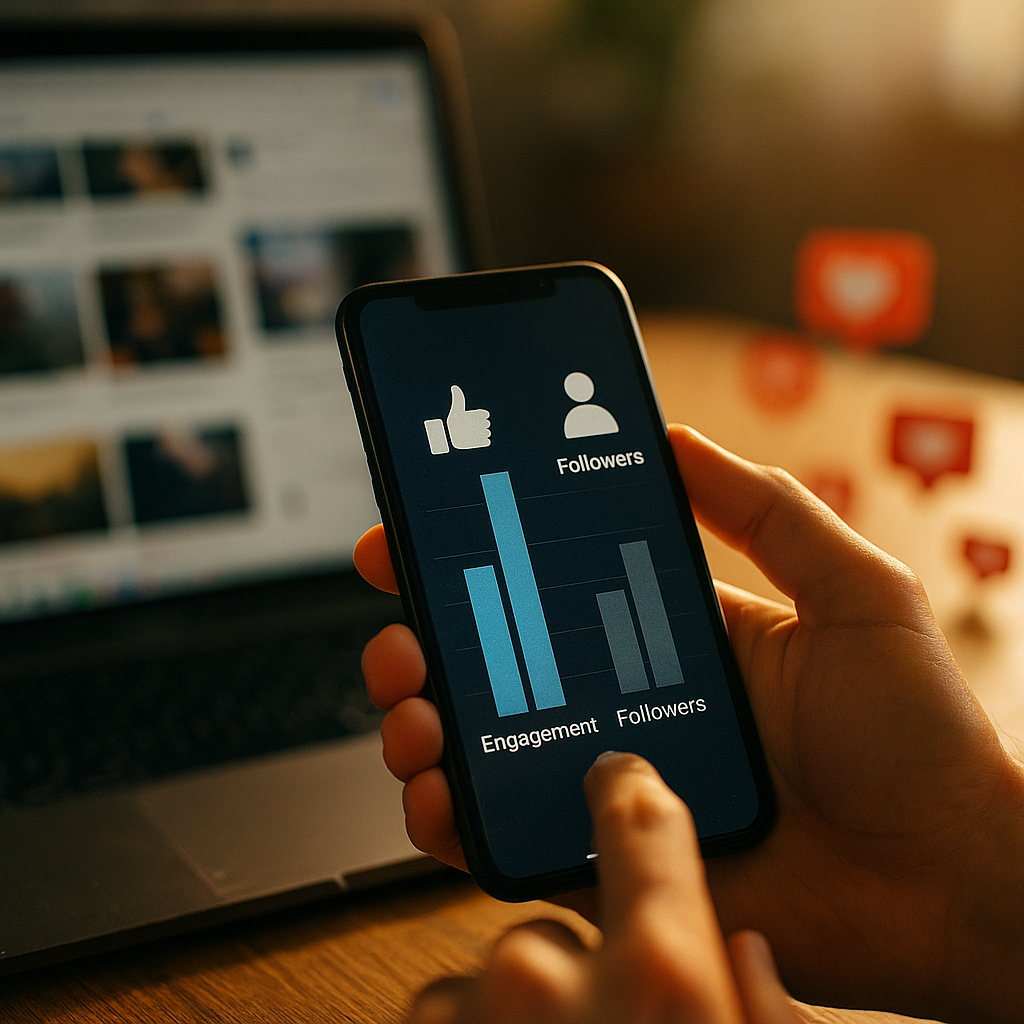
A creator with 1,500 followers just outperformed a celebrity with 4 million. Not in some fluke case study, but as a repeatable pattern showing up across TikTok, Instagram, and YouTube Shorts. The reason isn’t luck. It’s micro-influencer algorithmic amplification, and it’s quietly rewriting how brands should allocate creator budgets.
The Math Stopped Making Sense Around Audience Size
For a decade, influencer marketing ran on a simple assumption: bigger audience, bigger reach, bigger ROI. That logic is breaking down. Platform recommendation engines no longer distribute content primarily based on subscriber or follower counts. They distribute based on engagement velocity, watch time, save rate, and share behavior in the first sixty minutes after posting.
A mega-influencer with 4 million followers might post to a feed where only 3 to 5 percent ever see the content organically. A creator with 1,500 highly engaged followers might see 40, 60, even 90 percent of their base interact within the first hour, and that spike tells the algorithm this content deserves a second life beyond the follower graph. That second life is where the real reach happens, pushed into “For You” style discovery feeds regardless of account size.
Engagement velocity in the first hour now matters more to distribution algorithms than the total size of a creator’s audience.
This isn’t theoretical. Data referenced in CreatorIQ’s nano creator analysis shows smaller accounts consistently outperforming mid and top-tier accounts on cost-per-engagement, sometimes by a factor of three or four. Separate reporting on nano creator engagement rates hitting 2.61 percent confirms this isn’t a one-platform anomaly.
Why Algorithms Favor Small, Trusted Audiences
Think about how you personally interact with a creator you’ve followed since they had 500 followers versus a celebrity you follow because everyone does. You comment on the small creator’s posts. You watch to the end. You screenshot their product recommendation and send it to a friend. That behavior, aggregated across a micro-influencer’s base, produces engagement ratios that platforms are explicitly built to reward.
TikTok’s algorithm, Instagram’s Reels ranking system, and YouTube’s Shorts shelf all use similar underlying logic: content that keeps people watching and interacting gets pushed to a wider, cold audience. It’s a merit-based amplification system, and small creators with tight-knit, high-trust communities are structurally advantaged. Meta’s own guidance for advertisers acknowledges the growing weight of engagement signals in content ranking, and TikTok’s advertiser resources echo the same shift toward interaction quality over raw audience size, as outlined on TikTok’s advertising platform.
There’s also a compliance angle brands can’t ignore. Smaller creators tend to have simpler disclosure patterns and more direct relationships with their audience, which reduces reputational risk. The FTC’s endorsement guidelines apply regardless of follower count, but enforcement scrutiny has increasingly focused on larger accounts running high-volume paid partnerships without clear labeling.
The 1,500 Follower Case That Changed the Conversation
The now widely cited example detailed in a 1,500 follower creator beating celebrity reach wasn’t an isolated stunt. It reflected a structural shift that brand vetting teams are still catching up to. The creator in question posted a product demo that generated outsized saves and shares relative to follower count, and the algorithm responded by pushing it to hundreds of thousands of non-followers within 48 hours.
Compare that to a celebrity post promoting the same product category around the same period. Higher raw view count, sure. But conversion tracking showed the smaller creator’s audience converted at a rate nearly five times higher, largely because the recommendation itself felt organic rather than sponsored-at-scale.
This has forced a rethink in how procurement and brand safety teams evaluate creators. Follower count used to be the first filter. Now it’s barely a filter at all. Teams are shifting toward engagement rate thresholds, audience authenticity checks, and content performance history, a shift documented in reporting on mid-tier influencer stalling as nano engagement climbs past 5 percent in some verticals.
What This Means for Budget Allocation
If you’re still running a barbell strategy (a handful of macro names for awareness, a wave of nano creators for “authenticity”), it might be time to rebalance. The math increasingly favors concentrating spend in the nano and micro tiers, not as a nice-to-have diversity play, but as the primary growth lever.
- Lower cost-per-acquisition: Micro-influencer rates remain a fraction of mega-tier fees, and algorithmic amplification means you’re often getting mega-tier reach without the mega-tier invoice.
- Better attribution clarity: Smaller creator campaigns are easier to track through unique codes and links, especially as commerce moves in-app. The trend toward social users buying without leaving the app makes this attribution cleaner than ever.
- Reduced brand risk exposure: Fewer scandals, fewer PR fires, less concentration risk if one creator relationship goes sideways.
- Scalable performance contracts: The shift toward performance pay over flat fees works especially well at the micro tier, where creators are often more willing to accept commission-based structures in exchange for volume.
None of this means mega-influencers are obsolete. Awareness campaigns still benefit from scale, and some product categories (luxury, entertainment, certain B2B plays) still need a recognizable face. But if your program is optimized purely for reach numbers on a media plan, you’re likely overpaying for underperformance.
Operational Shift: From Reach Buying to Velocity Buying
The practical implication for brand teams is a change in how creators get vetted and briefed. Instead of asking “how many followers,” ops teams should be asking “how fast does this creator’s audience engage, and how often does their content get pushed beyond followers.” That’s a data pull most creator platforms can now surface, though it requires shifting your vetting workflow rather than defaulting to legacy dashboards built around follower tiers.
This operational retooling is part of a broader trend. As creator ops roles now outnumber creative roles inside marketing departments, the function is becoming less about relationship management and more about data interpretation. The brands winning right now have analysts, not just partnership managers, reviewing engagement velocity before signing a single contract.
Ask “how fast does this audience engage” before you ask “how many followers does this creator have.” The first question predicts algorithmic reach. The second one predicts almost nothing anymore.
Is Follower Count Becoming a Vanity Metric Entirely?
Not entirely, but its predictive power has collapsed. Follower count still matters for negotiating baseline rates and for certain awareness-only campaigns where sheer visibility is the KPI. But as a proxy for actual reach or business outcome, it’s increasingly unreliable. Industry data referenced by eMarketer’s creator economy research shows brands are shifting spend allocation criteria toward engagement quality metrics, a trend that mirrors what topical fit beating follower count data has already demonstrated in campaign performance reviews.
There’s a compliance dimension worth flagging too. As brands lean harder into nano and micro creator networks, the volume of individual contracts and disclosure requirements grows. Programs that scale without a compliance framework risk exactly the kind of wasted spend outlined in the ANA’s finding that 29 percent of influencer spend goes to waste. Algorithmic amplification is a gift, but only if the underlying creator vetting and contract structure can scale alongside it.
Building a Vetting Process That Matches the Algorithm
Here’s a practical framework brand teams can apply this quarter:
- Pull 90-day engagement velocity data, not lifetime averages. Algorithms respond to recent behavior, not historical reputation.
- Weight save and share rate above like count. These are the strongest signals of algorithmic push across every major platform.
- Cross-reference audience authenticity tools. Bot-inflated micro accounts exist, and platforms like Sprout Social’s audience analysis tools can flag suspicious follower patterns before you commit budget.
- Test small before scaling. Run a paid boost or whitelisting test on a handful of nano creators before locking a full-roster contract.
- Document disclosure compliance upfront. Smaller creators are less likely to have run FTC-compliant campaigns before, so build the disclosure language into your brief rather than assuming they know it.
Brands that build this into their standard operating procedure are seeing measurable gains in both cost efficiency and campaign velocity, echoing patterns seen in niche alignment data showing 77 percent more views when creator selection prioritizes fit and engagement over raw scale.
FAQs
What is micro-influencer algorithmic amplification?
It’s the phenomenon where platform recommendation systems push content from small creators (often under 10,000 followers) to audiences well beyond their follower base, based on engagement velocity rather than account size. This can produce reach comparable to or exceeding mega-influencer posts.
Why does a 1,500 follower creator sometimes outperform a mega-influencer?
Small, trusted audiences tend to engage faster and more deeply with content. That early engagement signal (saves, shares, watch time) triggers algorithms to distribute the content to non-followers, effectively multiplying reach beyond the original audience size.
Should brands stop working with mega-influencers entirely?
No. Mega-influencers still serve pure awareness plays and certain categories where recognizable faces drive trust. But for conversion-focused campaigns, micro and nano creators frequently deliver better cost-per-acquisition due to algorithmic amplification and stronger audience trust.
How should brands vet micro-influencers if follower count matters less?
Prioritize 90-day engagement velocity, save and share rates, audience authenticity checks, and content performance history over static follower counts. Testing a creator on a small paid boost before a full contract also helps validate real algorithmic reach.
Does algorithmic amplification create compliance risk?
Yes, if scaled without proper disclosure processes. Micro and nano creators often haven’t run FTC-compliant sponsored content before, so brands need to build clear disclosure requirements into contracts and briefs from the start.
The takeaway is simple: stop buying follower counts and start buying engagement velocity. Pull your current roster’s 90-day engagement data this week, flag anyone underperforming relative to spend, and reallocate that budget toward smaller creators showing algorithmic lift. The brands doing this now are locking in efficiency gains before the rest of the market catches up.
FAQs
What is micro-influencer algorithmic amplification?
It’s the phenomenon where platform recommendation systems push content from small creators (often under 10,000 followers) to audiences well beyond their follower base, based on engagement velocity rather than account size. This can produce reach comparable to or exceeding mega-influencer posts.
Why does a 1,500 follower creator sometimes outperform a mega-influencer?
Small, trusted audiences tend to engage faster and more deeply with content. That early engagement signal (saves, shares, watch time) triggers algorithms to distribute the content to non-followers, effectively multiplying reach beyond the original audience size.
Should brands stop working with mega-influencers entirely?
No. Mega-influencers still serve pure awareness plays and certain categories where recognizable faces drive trust. But for conversion-focused campaigns, micro and nano creators frequently deliver better cost-per-acquisition due to algorithmic amplification and stronger audience trust.
How should brands vet micro-influencers if follower count matters less?
Prioritize 90-day engagement velocity, save and share rates, audience authenticity checks, and content performance history over static follower counts. Testing a creator on a small paid boost before a full contract also helps validate real algorithmic reach.
Does algorithmic amplification create compliance risk?
Yes, if scaled without proper disclosure processes. Micro and nano creators often haven’t run FTC-compliant sponsored content before, so brands need to build clear disclosure requirements into contracts and briefs from the start.
Top Influencer Marketing Agencies
The leading agencies shaping influencer marketing in 2026
Agencies ranked by campaign performance, client diversity, platform expertise, proven ROI, industry recognition, and client satisfaction. Assessed through verified case studies, reviews, and industry consultations.
Moburst

-
2

The Shelf
Boutique Beauty & Lifestyle Influencer AgencyA data-driven boutique agency specializing exclusively in beauty, wellness, and lifestyle influencer campaigns on Instagram and TikTok. Best for brands already focused on the beauty/personal care space that need curated, aesthetic-driven content.Clients: Pepsi, The Honest Company, Hims, Elf Cosmetics, Pure LeafVisit The Shelf → -
3

Audiencly
Niche Gaming & Esports Influencer AgencyA specialized agency focused exclusively on gaming and esports creators on YouTube, Twitch, and TikTok. Ideal if your campaign is 100% gaming-focused — from game launches to hardware and esports events.Clients: Epic Games, NordVPN, Ubisoft, Wargaming, Tencent GamesVisit Audiencly → -
4

Viral Nation
Global Influencer Marketing & Talent AgencyA dual talent management and marketing agency with proprietary brand safety tools and a global creator network spanning nano-influencers to celebrities across all major platforms.Clients: Meta, Activision Blizzard, Energizer, Aston Martin, WalmartVisit Viral Nation → -
5

The Influencer Marketing Factory
TikTok, Instagram & YouTube CampaignsA full-service agency with strong TikTok expertise, offering end-to-end campaign management from influencer discovery through performance reporting with a focus on platform-native content.Clients: Google, Snapchat, Universal Music, Bumble, YelpVisit TIMF → -
6

NeoReach
Enterprise Analytics & Influencer CampaignsAn enterprise-focused agency combining managed campaigns with a powerful self-service data platform for influencer search, audience analytics, and attribution modeling.Clients: Amazon, Airbnb, Netflix, Honda, The New York TimesVisit NeoReach → -
7

Ubiquitous
Creator-First Marketing PlatformA tech-driven platform combining self-service tools with managed campaign options, emphasizing speed and scalability for brands managing multiple influencer relationships.Clients: Lyft, Disney, Target, American Eagle, NetflixVisit Ubiquitous → -
8

Obviously
Scalable Enterprise Influencer CampaignsA tech-enabled agency built for high-volume campaigns, coordinating hundreds of creators simultaneously with end-to-end logistics, content rights management, and product seeding.Clients: Google, Ulta Beauty, Converse, AmazonVisit Obviously →