


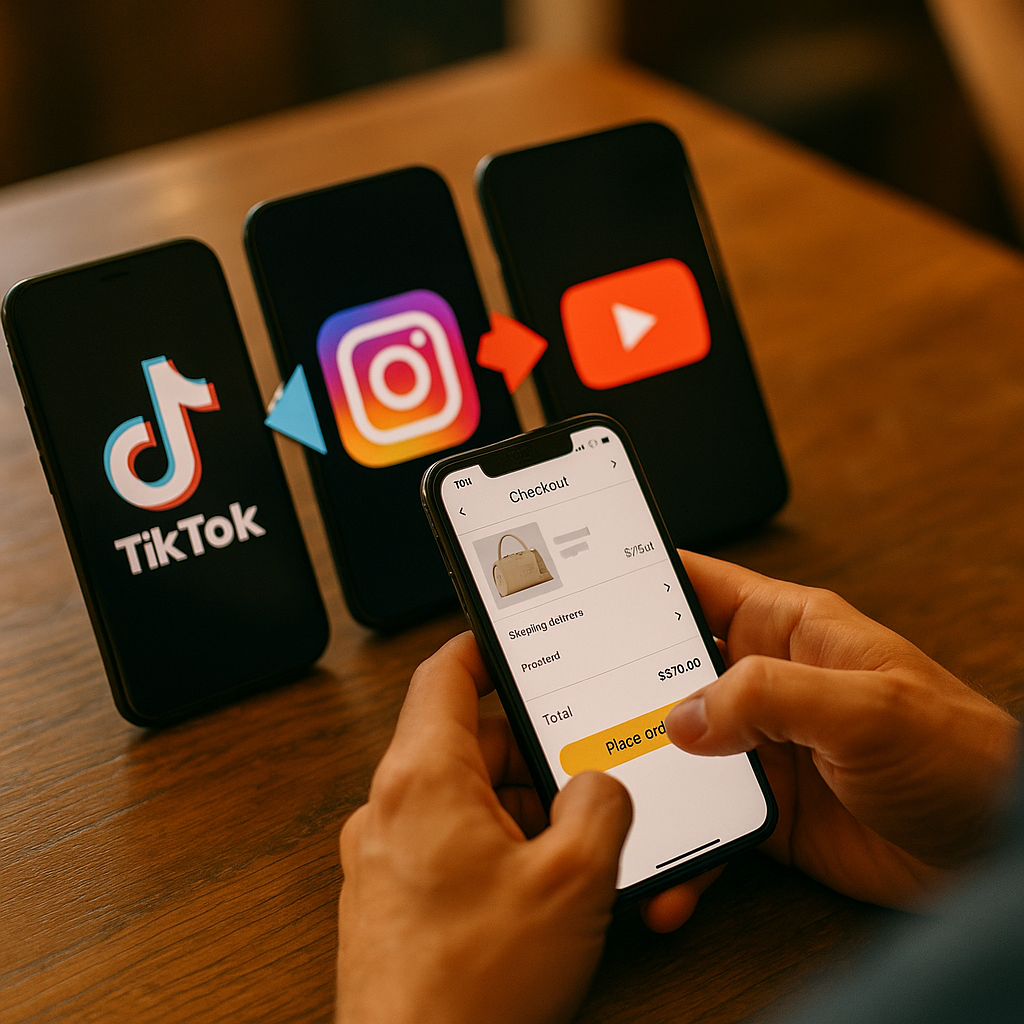
Three platforms, one checkout button, zero shared attribution standard. That’s the state of creator commerce heading into next year, and it’s forcing brands to make budget decisions with data that doesn’t talk to itself across TikTok Shop, Instagram Checkout, and YouTube Shopping. If you’re still measuring these channels in silos, you’re already behind.
The convergence isn’t theoretical anymore. It’s operational, and it’s messy.
The Same Creator, Three Different Checkouts
Walk through any mid-size beauty or apparel brand’s creator roster right now and you’ll find the same names posting near-identical content across TikTok, Instagram Reels, and YouTube Shorts. What’s changed is that each platform now wants that content to end in a transaction on its own turf, not a click-out to a brand’s Shopify page.
TikTok Shop pushed this hardest. Product tags live inside videos, checkout happens without leaving the app, and creators earn commission structured almost like affiliate retail. Instagram followed with Checkout and Collabs integrations that blur the line between a sponsored post and a storefront. YouTube, historically the laggard on native commerce, has been aggressively building out Shopping tags and affiliate programs tied to Shorts, betting that its longer-form trust translates into higher basket sizes. Our own coverage of how brands consolidate creator spend on YouTube Shorts shows this isn’t a side bet anymore, it’s a budget line.
The result is that a single creator partnership can now generate three separate revenue streams, three separate sets of analytics, and three separate compliance obligations. That’s not convergence in the neat, tidy sense. It’s more like three rivers merging into a delta, still carrying their own sediment.
The brands winning right now aren’t the ones with the biggest creator budgets. They’re the ones who’ve built a single operating system that can ingest performance data from three incompatible platforms and still make a coherent buy decision.
Why Platforms Are Racing to Own the Purchase
Ad load is maxed out. Every major platform has squeezed roughly as much revenue as it can out of traditional CPM and CPC inventory, so the next growth lever is transaction volume itself. TikTok reportedly pushed its Shop GMV past the multi-billion mark in recent quarters, a trajectory covered in depth in our piece on the TikTok Shop 4.4 billion milestone. That number matters because it proves creator-led commerce isn’t a novelty category. It’s a real revenue engine that platforms want to keep in-house rather than hand off to Amazon or a brand’s own site.
Instagram’s parent Meta has similar incentives. Every dollar that flows through native checkout is a dollar Meta can attribute, tax through fees, and use to justify ad pricing to shareholders. YouTube’s Google parent wants the same thing, especially as it fights to keep Shorts relevant against TikTok’s short-form dominance. None of this is altruism toward creators or brands. It’s platform economics, and understanding that framing helps marketers negotiate deal terms with eyes open rather than getting swept up in each platform’s growth pitch.
According to eMarketer, social commerce spend continues to outpace overall digital ad growth, a trend that shows no signs of slowing as more platforms build native purchase paths. That’s the macro tailwind pushing every platform toward the same destination: own the sale, not just the impression.
The Attribution Mess Nobody Solved
Here’s the uncomfortable truth: no brand has a clean, cross-platform view of which creator, on which platform, drove which sale. TikTok’s attribution window and reporting structure differs from Instagram’s, which differs from YouTube’s. A creator might post the same video everywhere, and a consumer might see it three times before converting on the fourth touch, on a fourth platform entirely.
This is the exact problem our recent coverage of the AI influencer attribution blind spot flagged for agencies trying to prove ROI to skeptical CFOs. Multi-touch attribution models built for search and display don’t translate cleanly to short-form video commerce, where discovery, consideration, and purchase can happen inside a ninety-second scroll session.
Brands that solve this aren’t relying on platform-native dashboards alone. They’re building unified data layers, often through customer data platforms or specialized creator commerce tools, that stitch together UTM-tagged links, platform API pulls, and post-purchase surveys. It’s not elegant, but it’s the only honest way to see the full picture right now.
Should Brands Pick One Platform or Spread Bets?
This question comes up in nearly every budget planning meeting, and the honest answer is: it depends on category, not ideology. Beauty and fast fashion brands have found TikTok Shop conversion rates hard to beat, a pattern documented in our analysis of TikTok Shop beauty sales data. Higher-consideration categories like electronics or home goods often see stronger performance on YouTube, where longer-form review content builds trust before the purchase tag even appears.
Instagram tends to win in the middle: aspirational categories where a Reel or Story format matches the visual-first buying decision, but the audience still wants a brand-safe feel before checking out.
- TikTok Shop: best for impulse-driven categories, fast trend cycles, younger demographics.
- Instagram Checkout: strongest for aspirational and lifestyle categories with a slightly older, higher-income audience.
- YouTube Shopping: best for considered purchases where review depth and creator trust drive the decision.
The mistake most brands make is treating this as an either/or decision instead of a portfolio allocation problem. Spreading creator commerce budget across all three without a category-informed thesis just dilutes measurement and multiplies compliance overhead for no clear return.
The Compliance Layer Nobody Budgets For
Every additional checkout surface is another surface where disclosure rules, data handling obligations, and contract terms need enforcing. The FTC’s endorsement guidance applies regardless of which platform hosts the transaction, and UK brands answering to the ICO face similar obligations around consumer data collected through native checkout flows.
This is where the spreadsheet-based creator management approach falls apart fast. Our reporting on how creator program spreadsheets expose brands to compliance risk found that manual tracking across even two platforms creates gaps in disclosure verification and contract renewal. Add a third commerce surface and the risk compounds. Brands that got burned by data mishandling incidents, a pattern we covered in depth around data mishandling driving shoppers to quit brands, learned this the expensive way.
Nearly half of shoppers will abandon a brand after a data mishandling incident. When creator commerce runs through three separate checkout systems, that’s three separate places where a mistake can cost you a customer relationship permanently.
Building an Operational Playbook for Converged Creator Commerce
Practically, what should a brand marketing team actually do differently this year? A few moves separate the teams getting ahead from the ones treading water.
First, centralize creator relationship management outside of individual platform tools. Whether that’s a dedicated influencer platform or a custom CRM build, you need one source of truth for contracts, disclosure status, and payment terms that doesn’t depend on which app a creator posted through. This mirrors the shift documented in campaign teams giving way to permanent creator growth units, where ad hoc project management gets replaced by durable infrastructure.
Second, standardize your content brief to account for platform-specific edit requirements from the start, rather than shooting once and hoping one cut works everywhere. The reality that one video across five platforms demands five distinct edits applies directly here: a TikTok Shop video with product tags needs different pacing than a YouTube Shorts affiliate cut.
Third, invest in attribution tooling before you scale spend, not after. Tools that pull data from TikTok Ads Manager, Meta Business Suite, and YouTube’s creator analytics into one dashboard exist, and platforms like Sprout Social increasingly offer cross-channel reporting that at least approximates a unified view.
Fourth, and this one gets skipped constantly: budget for the compliance layer as its own line item, not an afterthought absorbed into agency fees. The brands cited in our coverage of electronics brands ditching agencies to cut costs did so partly because they wanted direct ownership of data and disclosure processes rather than trusting a third party to manage risk across three commerce surfaces.
What This Means for Creator Contracts
Contract language written for a single-platform world doesn’t hold up anymore. Usage rights, exclusivity clauses, and commission structures all need to specify which platform’s commerce terms apply, because TikTok’s affiliate commission model differs meaningfully from Instagram’s flat sponsorship fee approach or YouTube’s revenue-share options. Brands renegotiating creator deals in this environment should look closely at how owned UGC models are forcing contract rewrites, since the same pressure toward clearer platform-specific terms applies to any brand running commerce campaigns across multiple apps.
None of this is glamorous work. It’s the unsexy operational backbone that determines whether creator commerce actually returns a profit or just generates impressive-looking GMV numbers that don’t survive a margin analysis.
Where the Convergence Goes Next
Expect platforms to keep tightening their commerce loops, not loosening them. TikTok is unlikely to make it easier to drive traffic off-app. Instagram will keep expanding Checkout into more categories. YouTube will keep testing new affiliate structures tied to Shorts. The direction of travel is clear: platforms want to be the entire funnel, not just the top of it.
For brands, that means creator commerce strategy can’t be a bolt-on to your broader influencer program anymore. It needs its own budget, its own measurement framework, and its own compliance checklist, built around the reality that TikTok, Instagram, and YouTube are converging on the same goal through three incompatible systems. Get that operational layer right, and the fragmentation stops being a headache and starts being a competitive advantage over slower-moving competitors.
Frequently Asked Questions
What does creator commerce convergence actually mean?
It refers to TikTok, Instagram, and YouTube all building native, in-app checkout experiences tied to creator content, so a single sponsored video can drive a purchase without the consumer ever leaving the platform. Brands now have to manage commerce, not just content, on all three surfaces simultaneously.
Which platform has the strongest creator commerce performance right now?
Performance varies heavily by category. TikTok Shop tends to lead for impulse-driven, lower-cost categories like beauty and fast fashion. YouTube performs better for considered purchases where review depth builds trust. Instagram sits in between, favoring aspirational and lifestyle categories.
How should brands measure ROI across TikTok, Instagram, and YouTube commerce?
Most brands need a unified data layer that pulls from each platform’s native analytics, since no single dashboard currently offers accurate cross-platform attribution. UTM tagging, post-purchase surveys, and third-party reporting tools help fill the gaps until platforms improve interoperability.
What compliance risks come with multi-platform creator commerce?
Each checkout surface introduces its own disclosure and data handling obligations. Brands must ensure creators follow FTC endorsement guidelines and relevant data protection rules on every platform where a transaction occurs, not just the one where the content originally performed best.
Do creator contracts need to change for commerce-enabled platforms?
Yes. Commission structures, usage rights, and exclusivity terms differ meaningfully between TikTok Shop, Instagram Checkout, and YouTube Shopping. Contracts written for a single-platform sponsorship model rarely account for the revenue-share and affiliate mechanics that now apply across all three.
Top Influencer Marketing Agencies
The leading agencies shaping influencer marketing in 2026
Agencies ranked by campaign performance, client diversity, platform expertise, proven ROI, industry recognition, and client satisfaction. Assessed through verified case studies, reviews, and industry consultations.
Moburst
-
2
The Shelf
Boutique Beauty & Lifestyle Influencer AgencyA data-driven boutique agency specializing exclusively in beauty, wellness, and lifestyle influencer campaigns on Instagram and TikTok. Best for brands already focused on the beauty/personal care space that need curated, aesthetic-driven content.Clients: Pepsi, The Honest Company, Hims, Elf Cosmetics, Pure LeafVisit The Shelf → -
3
Audiencly
Niche Gaming & Esports Influencer AgencyA specialized agency focused exclusively on gaming and esports creators on YouTube, Twitch, and TikTok. Ideal if your campaign is 100% gaming-focused — from game launches to hardware and esports events.Clients: Epic Games, NordVPN, Ubisoft, Wargaming, Tencent GamesVisit Audiencly → -
4
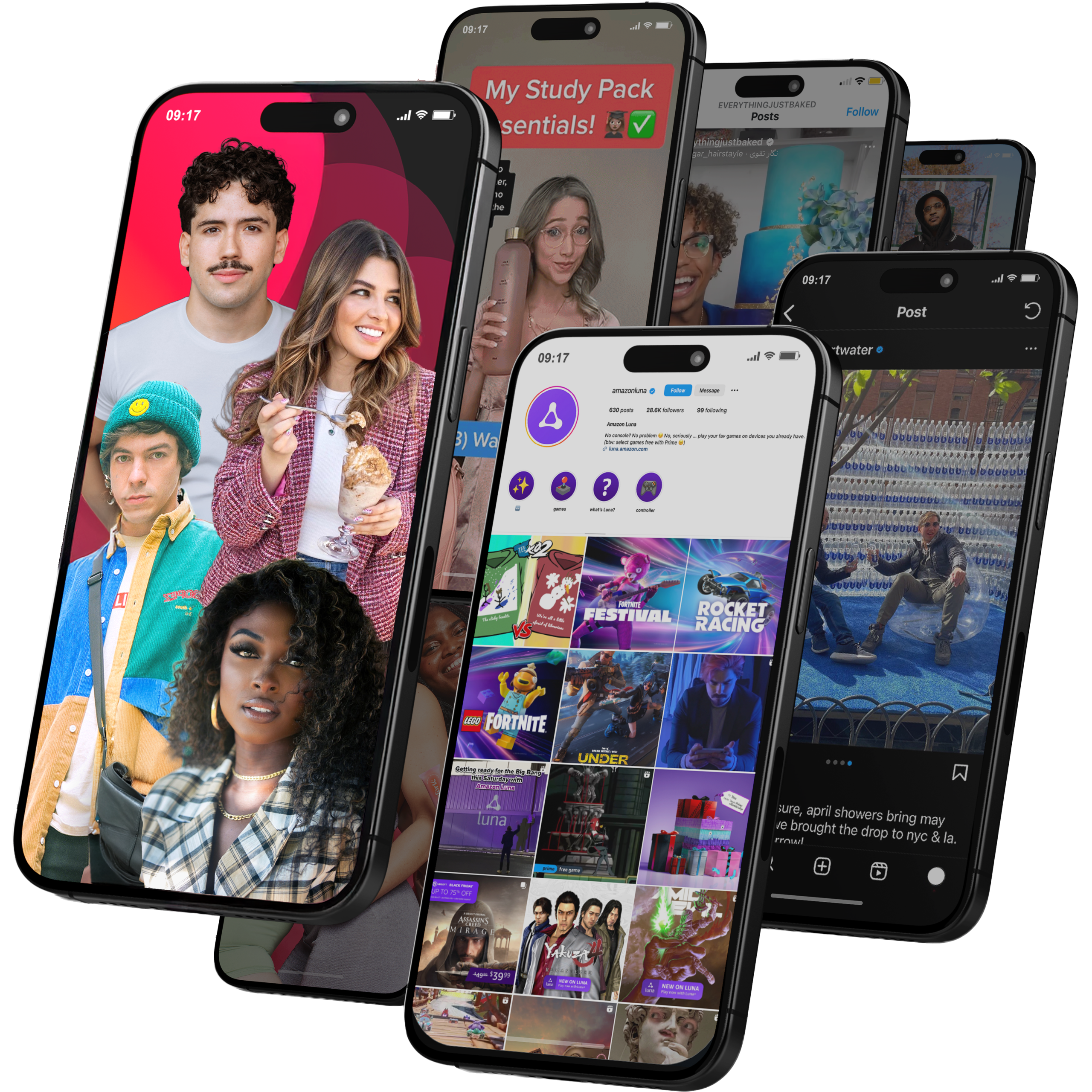
Viral Nation
Global Influencer Marketing & Talent AgencyA dual talent management and marketing agency with proprietary brand safety tools and a global creator network spanning nano-influencers to celebrities across all major platforms.Clients: Meta, Activision Blizzard, Energizer, Aston Martin, WalmartVisit Viral Nation → -
5
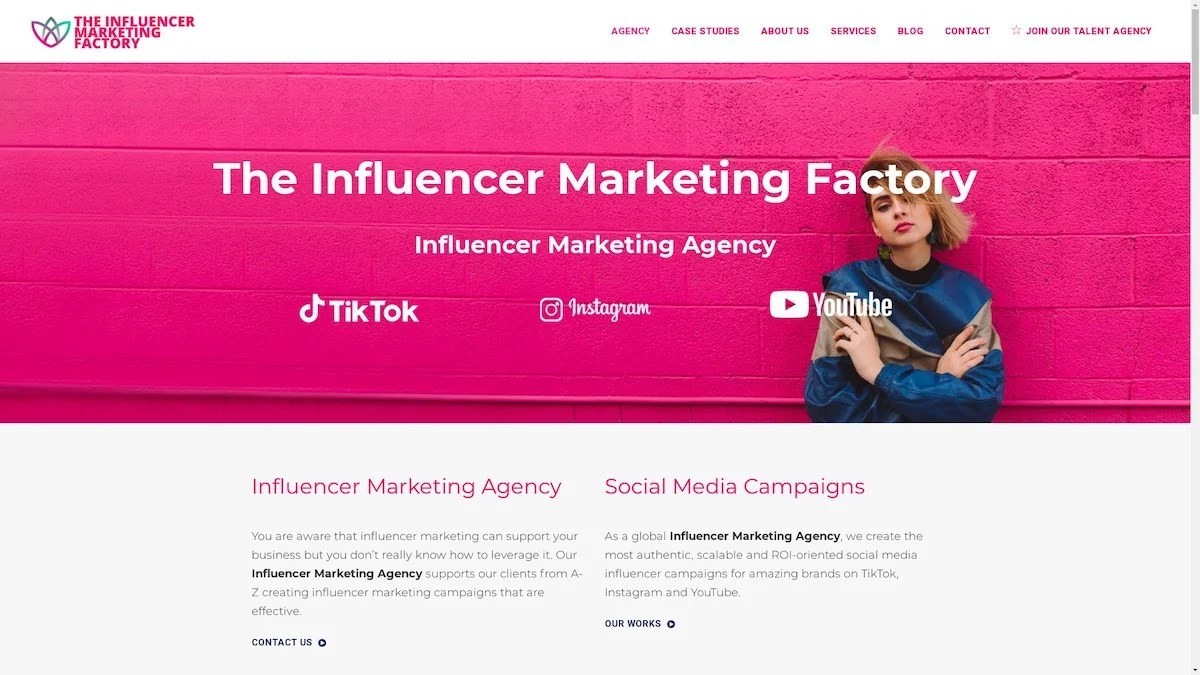
The Influencer Marketing Factory
TikTok, Instagram & YouTube CampaignsA full-service agency with strong TikTok expertise, offering end-to-end campaign management from influencer discovery through performance reporting with a focus on platform-native content.Clients: Google, Snapchat, Universal Music, Bumble, YelpVisit TIMF → -
6
NeoReach
Enterprise Analytics & Influencer CampaignsAn enterprise-focused agency combining managed campaigns with a powerful self-service data platform for influencer search, audience analytics, and attribution modeling.Clients: Amazon, Airbnb, Netflix, Honda, The New York TimesVisit NeoReach → -
7
Ubiquitous
Creator-First Marketing PlatformA tech-driven platform combining self-service tools with managed campaign options, emphasizing speed and scalability for brands managing multiple influencer relationships.Clients: Lyft, Disney, Target, American Eagle, NetflixVisit Ubiquitous → -
8
Obviously
Scalable Enterprise Influencer CampaignsA tech-enabled agency built for high-volume campaigns, coordinating hundreds of creators simultaneously with end-to-end logistics, content rights management, and product seeding.Clients: Google, Ulta Beauty, Converse, AmazonVisit Obviously →