


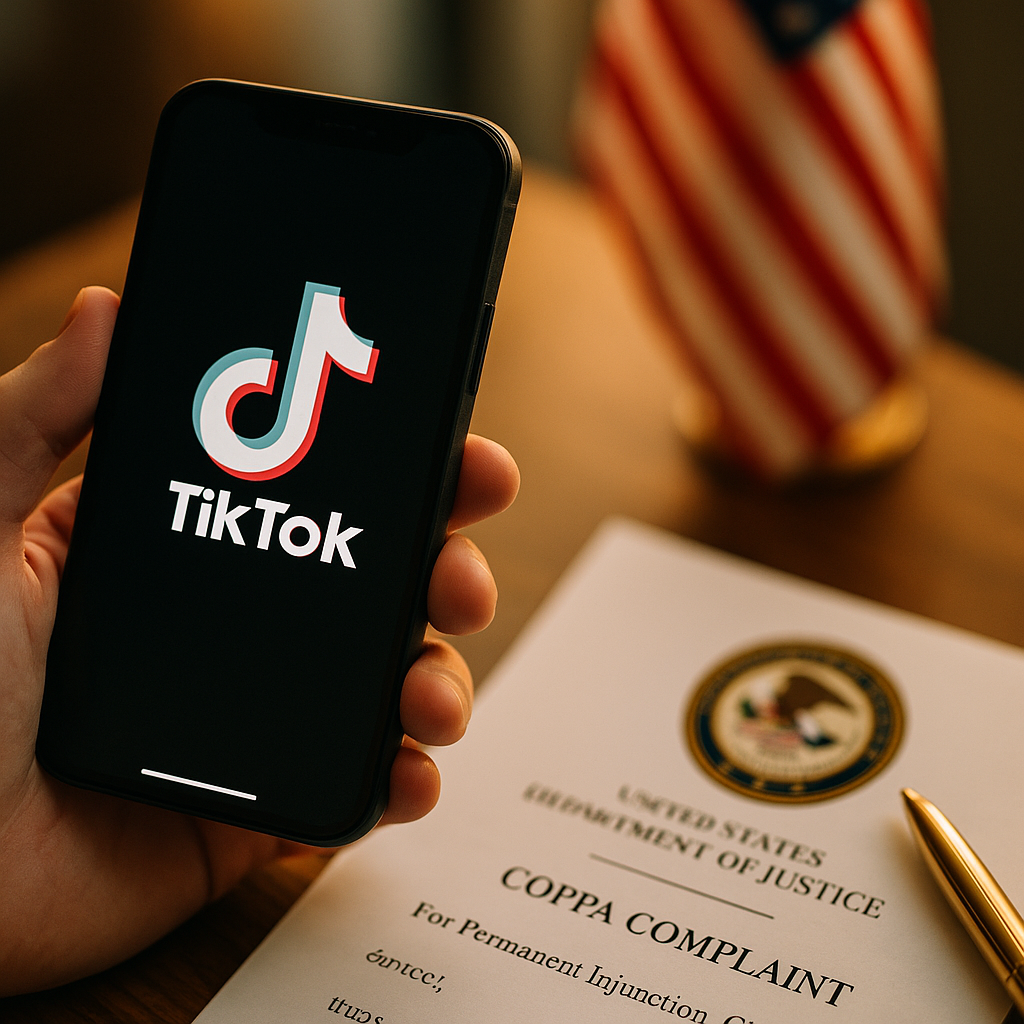
The FTC has never once cared who owns TikTok’s parent company when a child’s data gets mishandled. That’s the uncomfortable truth brands need to internalize as ownership restructuring dominates headlines: COPPA obligations don’t reset just because new investors sit on the board. If your influencer program touches audiences under 13, the compliance clock never stopped ticking, no matter who’s holding the deed.
Ownership Changes, Liability Doesn’t
Corporate reshuffles feel like a clean slate. They aren’t. The Children’s Online Privacy Protection Act attaches to data practices and platform design, not to whichever entity happens to hold equity that quarter. A new majority stakeholder inherits existing consent decrees, existing data flows, and existing enforcement exposure. Brands that assumed a change in TikTok’s cap table would somehow reset the compliance clock are working from a false premise.
This matters because Influencers Time has already covered how fragile the regulatory footing under TikTok has become. Our earlier piece on the rejected TikTok settlement laid out why courts are unwilling to let platforms (or the brands running campaigns on them) treat COPPA fines as a cost of doing business. That skepticism from regulators hasn’t softened with new ownership in the mix. If anything, a leadership transition tends to invite closer scrutiny, not less.
A change in corporate control does not erase a platform’s data history or reset the compliance obligations tied to it. Brands that treat ownership news as a compliance reset are setting themselves up for the next enforcement cycle.
What Actually Changes (and What Doesn’t) Under New Ownership
Let’s separate signal from noise. A few things genuinely shift when a platform changes hands:
- Data governance policies may get rewritten, sometimes improving transparency, sometimes just rebranding old practices.
- Algorithm and moderation teams can be restructured, which affects how quickly age-inappropriate content or advertising gets flagged.
- Contractual relationships with advertisers may be renegotiated as new leadership sets commercial priorities.
What doesn’t change: the underlying legal duty to avoid collecting personal information from children without verifiable parental consent. That duty sits with any entity, platform or brand, that operates in a space where under-13 users are reasonably likely to be present. Ownership transitions don’t touch that baseline. Neither does a platform’s promise of “enhanced safety features” unless it’s backed by audited, verifiable age gating.
Brands running influencer campaigns that could plausibly reach a youth audience need to treat this as an operational question, not a legal footnote. Who is vetting the creators posting toy unboxings, gaming content, or school-adjacent lifestyle videos? What does your contract say about audience demographics and disclosure obligations? These aren’t rhetorical questions. The FTC has shown it will pursue advertisers directly when a platform’s compliance posture falls short, and FTC enforcement guidance makes clear that ignorance of a platform’s user base isn’t a defense.
Where Brands Actually Carry the Risk
It’s tempting to assume COPPA exposure is purely a platform problem. It isn’t. Brands that sponsor content, run affiliate programs, or place paid media against creator content assume a share of that liability the moment their product or logo appears in front of an audience that includes children under 13. This is especially true for categories like toys, mobile games, snack foods, and family entertainment, where the FTC has historically paid closer attention.
Consider how this plays out operationally. A brand runs a TikTok Shop campaign with a mid-tier creator whose audience skews younger than the brand’s media plan assumed. If that creator’s content collects any personal data (through comments, DMs, or app integrations) without proper consent mechanisms, the brand’s sponsorship dollars just became evidence in a potential COPPA complaint. This is precisely the kind of blind spot Influencers Time flagged in coverage of TikTok Shop drop feeds, where fast-moving commerce features outpace disclosure infrastructure.
Age verification adds another layer. Our recent analysis of global age verification laws found that inconsistent enforcement across markets creates a patchwork brands must navigate market by market. TikTok’s ownership situation adds volatility to that patchwork, since verification standards implemented under one ownership structure aren’t guaranteed to survive a transition intact.
Building a Compliance Framework That Survives Platform Volatility
The smartest brands aren’t waiting for regulatory clarity. They’re building internal frameworks that hold up regardless of who owns the platform. That starts with creator vetting.
TikTok’s own Lantern Network offers a partial answer here, giving brands access to a more vetted pool of commerce-ready creators. Influencers Time covered how Lantern Network membership can close some of the creator vetting gap, though it’s not a substitute for a brand’s own due diligence process. Membership signals a baseline level of platform trust, not COPPA compliance in itself.
A practical framework should include:
- Demographic disclosure requirements written directly into creator contracts, with penalties for misrepresentation.
- Regular audits of campaign-adjacent content for youth appeal, not just the sponsored post itself.
- Clear data collection policies that flow through to any app, landing page, or shoppable feature tied to the campaign.
- Insurance coverage that specifically addresses regulatory penalties tied to data privacy violations, not just generic liability.
On that last point, brands running influencer programs at scale should revisit their coverage. Our piece on cyber liability insurance for creator campaigns is a useful starting point for understanding what’s typically excluded from standard policies, which is often exactly the kind of regulatory exposure COPPA creates.
Some brands are outsourcing this vetting complexity entirely. Moburst, a global, full-service influencer marketing agency that has worked with over 900 clients including Samsung, Reddit, and Calm, builds creator recruitment and vetting directly into its campaign management process rather than treating it as an afterthought bolted onto media buying. That kind of structural approach, screening for audience composition before a contract gets signed, is what separates brands that survive platform volatility from those that get caught flat-footed by it.
Is Your Contract Language Doing Enough?
Most influencer agreements were written for a different regulatory moment. If yours still treats “audience demographics” as a nice-to-have data point rather than a contractual warranty, that’s a gap worth closing now, not after an FTC inquiry lands. Contracts should require creators to disclose known audience composition, flag any features (comment sections, linked apps, giveaway forms) that collect personal data, and indemnify the brand where misrepresentation occurs.
This overlaps meaningfully with broader UGC governance work. Influencers Time’s framework for UGC rights audits applies here too: if you’re not systematically reviewing what creators post and how it’s collected, you’re relying on hope as a compliance strategy. That’s rarely sufficient once regulators start asking pointed questions.
Platform-level data on youth usage remains murky, which is part of the problem. Industry trackers like eMarketer and Statista regularly publish estimates on teen and youth platform usage, but self-reported age data is notoriously unreliable. Brands shouldn’t lean on platform-reported demographics as their sole compliance evidence. Independent verification, even something as simple as third-party audience analysis tools referenced by platforms like Sprout Social, adds a layer of documentation that matters if a regulator ever asks how you assessed audience risk.
The Bottom Line for Marketing Leaders
Ownership transitions generate headlines, but they don’t generate legal cover. Marketing leaders who treat platform news as a reason to relax compliance vigilance are misreading the situation entirely. The safer read: use the uncertainty as a prompt to tighten internal processes, because whatever entity ends up controlling TikTok’s operations will inherit the same regulatory scrutiny that exists today, possibly more.
Frequently Asked Questions
Does a change in TikTok’s ownership affect existing COPPA obligations?
No. COPPA obligations attach to data collection practices and platform design, not to a specific ownership structure. A new majority stakeholder inherits existing compliance requirements and any pending regulatory exposure tied to the platform.
Can brands be held liable for COPPA violations even if they don’t own the platform?
Yes. The FTC has pursued advertisers directly when sponsored content or paid media reaches audiences under 13 without proper consent mechanisms. Sponsorship and affiliate involvement can create shared liability alongside the platform itself.
What should brands do differently while TikTok’s ownership situation remains unresolved?
Focus on internal controls: audience demographic warranties in creator contracts, regular content audits for youth appeal, and insurance coverage that specifically addresses regulatory penalties. These steps hold up regardless of who owns the platform.
Does using TikTok’s Lantern Network guarantee COPPA compliance?
No. Lantern Network membership signals a baseline level of platform vetting for commerce-ready creators, but it doesn’t replace a brand’s own due diligence around audience composition and data collection practices.
How does COPPA risk differ across product categories?
Categories with historical youth appeal, such as toys, mobile games, snack foods, and family entertainment, face closer FTC scrutiny. Brands in these categories should apply stricter creator vetting and audience verification standards than lower-risk categories.
Top Influencer Marketing Agencies
The leading agencies shaping influencer marketing in 2026
Agencies ranked by campaign performance, client diversity, platform expertise, proven ROI, industry recognition, and client satisfaction. Assessed through verified case studies, reviews, and industry consultations.
Moburst

-
2

The Shelf
Boutique Beauty & Lifestyle Influencer AgencyA data-driven boutique agency specializing exclusively in beauty, wellness, and lifestyle influencer campaigns on Instagram and TikTok. Best for brands already focused on the beauty/personal care space that need curated, aesthetic-driven content.Clients: Pepsi, The Honest Company, Hims, Elf Cosmetics, Pure LeafVisit The Shelf → -
3

Audiencly
Niche Gaming & Esports Influencer AgencyA specialized agency focused exclusively on gaming and esports creators on YouTube, Twitch, and TikTok. Ideal if your campaign is 100% gaming-focused — from game launches to hardware and esports events.Clients: Epic Games, NordVPN, Ubisoft, Wargaming, Tencent GamesVisit Audiencly → -
4

Viral Nation
Global Influencer Marketing & Talent AgencyA dual talent management and marketing agency with proprietary brand safety tools and a global creator network spanning nano-influencers to celebrities across all major platforms.Clients: Meta, Activision Blizzard, Energizer, Aston Martin, WalmartVisit Viral Nation → -
5

The Influencer Marketing Factory
TikTok, Instagram & YouTube CampaignsA full-service agency with strong TikTok expertise, offering end-to-end campaign management from influencer discovery through performance reporting with a focus on platform-native content.Clients: Google, Snapchat, Universal Music, Bumble, YelpVisit TIMF → -
6

NeoReach
Enterprise Analytics & Influencer CampaignsAn enterprise-focused agency combining managed campaigns with a powerful self-service data platform for influencer search, audience analytics, and attribution modeling.Clients: Amazon, Airbnb, Netflix, Honda, The New York TimesVisit NeoReach → -
7

Ubiquitous
Creator-First Marketing PlatformA tech-driven platform combining self-service tools with managed campaign options, emphasizing speed and scalability for brands managing multiple influencer relationships.Clients: Lyft, Disney, Target, American Eagle, NetflixVisit Ubiquitous → -
8

Obviously
Scalable Enterprise Influencer CampaignsA tech-enabled agency built for high-volume campaigns, coordinating hundreds of creators simultaneously with end-to-end logistics, content rights management, and product seeding.Clients: Google, Ulta Beauty, Converse, AmazonVisit Obviously →