


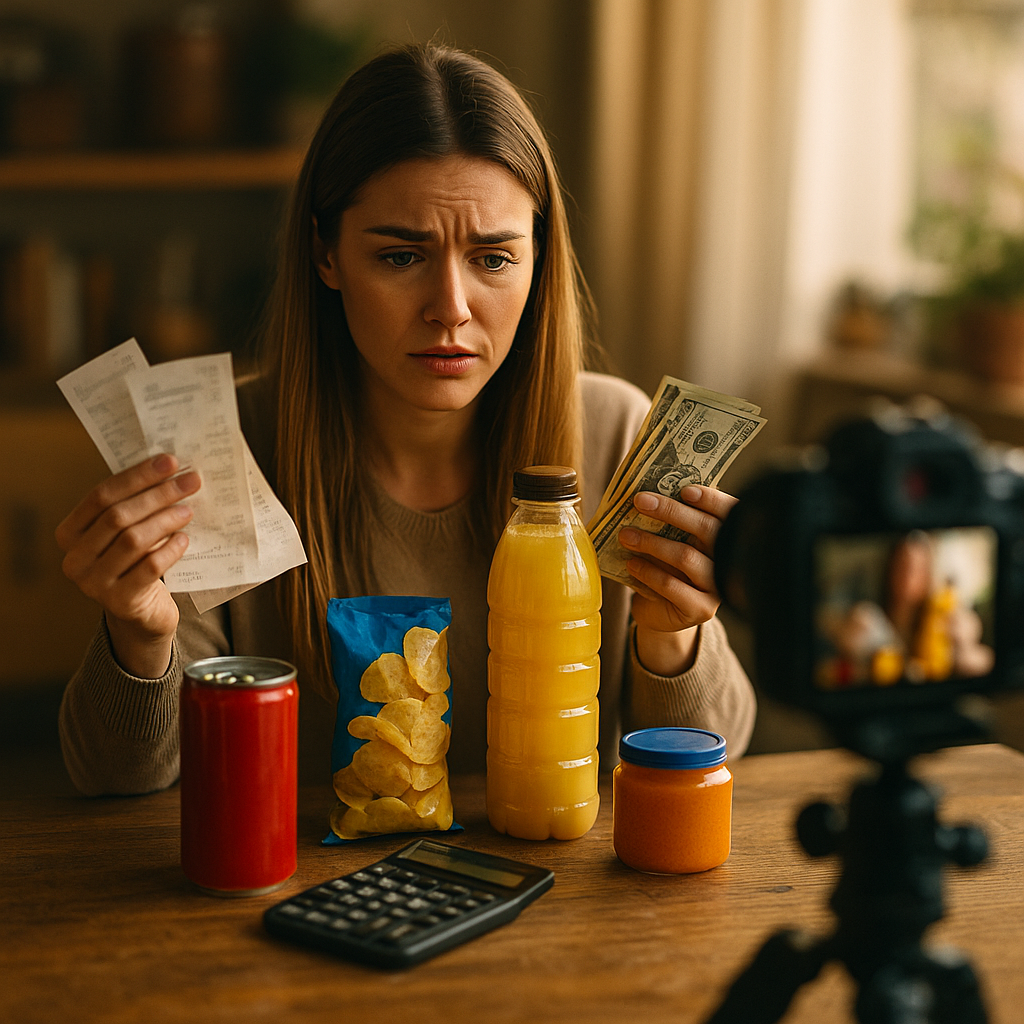
Creator rate cards for CPG campaigns have jumped as much as 40% year over year, and some brands are quietly paying nano-creators what they used to pay mid-tier talent. Influencer rate inflation is no longer a niche complaint from procurement teams. It’s a structural problem reshaping how packaged goods brands plan budgets, and it’s not slowing down. If your media plan still assumes 2023 pricing, you’re already behind.
The Math Has Changed for Everyone
Five years ago, a CPG brand could book a solid roster of micro-creators for a product launch on a modest five-figure budget. That math doesn’t hold anymore. Agencies report that baseline rates across food, beverage, beauty, and household categories have climbed steadily, and the increases aren’t evenly distributed. Some tiers barely moved. Others exploded.
The result is a market where brand teams are paying more for the same reach, or the same money for noticeably less reach. Neither outcome is comfortable when finance is asking for tighter proof of revenue tied to every creator dollar spent.
What’s Actually Pushing Prices Up
- TikTok Shop commerce pressure. Creators who drive verified sales now command premiums because brands treat them as sales channels, not just awareness tools.
- Platform algorithm volatility. When organic reach becomes unpredictable, brands pay more to guarantee placement and boosted distribution, shifting leverage toward creators and their agents.
- Talent management consolidation. More creators now sit inside formal management or agency structures, and those reps negotiate harder and standardize floor rates across a roster.
- Category crowding. Beauty, snack, and beverage brands are all chasing the same mid-tier lifestyle creators, and bidding wars are common during peak retail seasons.
- Production expectations. Brands now expect multi-platform cuts, usage rights, and paid social amplification bundled into a single fee, which inflates the headline number even when the base rate is flat.
The creators seeing the steepest rate increases aren’t the ones with the biggest followings. They’re the ones who can prove they move product, and CPG brands are paying a premium for that certainty.
TikTok Shop Rewired the Value Equation
It’s worth separating two very different pricing dynamics that both get lumped under “influencer rate inflation.” One is straightforward supply and demand: more brands chasing a limited pool of proven talent. The other is a shift in what brands are actually buying.
Commerce-enabled platforms changed the conversation from reach to revenue. A creator who can show a screenshot of TikTok Shop sales attributed directly to their content isn’t pricing based on follower count anymore. They’re pricing based on historical conversion, and that number is defensible in a way vanity metrics never were. Brands covering this shift in TikTok Shop beauty sales data have seen how quickly purchase behavior can reprice an entire creator segment overnight.
This is also why revenue share arrangements have gained ground. Flat fees feel risky to brands when platform algorithms swing reach by 30% or more week to week, according to industry analysis from eMarketer. Paying a smaller base fee plus a commission on tracked sales lets both sides hedge against volatility, but it also means high-performing creators can out-earn their old flat-rate deals by a wide margin.
Nano and Micro Tiers Aren’t the Cheap Option Anymore
For years, the pitch to CPG brands was simple: skip the celebrity, skip the mega-influencer, and build reach through volume with nano and micro creators. That playbook still works, but it costs more than it used to. Aggregated view counts from smaller creators are now competing directly with follower-count-driven reach models, and brands are recalculating what nano creator views are actually worth in a reach budget.
Why the jump? Nano creators with genuinely engaged, niche audiences are scarce relative to demand. Every CPG brand wants the same thing: authentic-feeling content from someone who looks like a real customer, not a professional talent. That authenticity premium didn’t exist as a line item five years ago. Now it’s baked into every rate negotiation, and creators know it.
Where the Budget Pressure Is Actually Coming From
It’s tempting to blame creators for pricing themselves out of reach, but that’s only half the story. Brand-side structural issues are amplifying the cost increases just as much as market demand.
- Approval bottlenecks inflate rush fees. When legal and compliance review takes days instead of hours, brands end up paying rush premiums to hit trending moments. The shift toward faster review cycles is exactly why more teams are rebuilding their approval speed for hourly trend cycles.
- Payment delays add risk premiums. Creators and their agents increasingly price in the possibility of late payment, especially with larger CPG brands known for 60- and 90-day payment terms. That risk shows up as a rate markup, and it’s a growing source of legal exposure tied to payment delays.
- Unclear budget ownership drives inefficiency. When influencer spend sits under three different departments, brands lose negotiating leverage and pay retail rates instead of negotiated volume rates. This is closely tied to how a group manager’s title reveals the real budget a brand is actually working with.
- Scaling outpaces operations. As programs grow from a handful of creators to hundreds, contract management, usage rights tracking, and payment systems often can’t keep up, and that friction gets passed along as cost. It’s the same pattern documented when creator program growth outpaces legal and finance systems.
Rate inflation isn’t only about what creators charge. It’s about how much friction, delay, and risk brands build into their own processes, and creators are pricing that friction directly into their quotes.
The Starbucks Signal Worth Watching
Large CPG and food service brands building permanent, in-house influencer functions are changing the negotiating dynamic industry-wide. When a brand the size of Starbucks builds a standing creator budget and compliance structure, smaller CPG players lose some of the negotiating advantage that came from creators competing for one-off deals. Programs modeled on the Starbucks creator playbook for budget and compliance tend to lock in longer-term retainers, which pulls top talent out of the open bidding pool and tightens supply for everyone else.
That consolidation trend matters more than most rate cards let on. If your top competitors are locking creators into annual retainers, the freelance market you’re pulling from gets thinner and pricier by the quarter.
How Brands Are Actually Fighting Back
None of this means CPG brands are helpless. The teams managing rate inflation well are doing a few specific things differently.
- Shifting to performance-based contracts where a portion of pay ties to tracked conversions, not just content delivery. This reduces exposure when a creator’s reach underperforms.
- Auditing roster fit before renewal instead of automatically re-signing at higher rates. A bigger roster doesn’t guarantee better results, and brands are learning that roster size can hide a real fit problem.
- Building internal creator ops teams to cut agency markup and speed up contracting, similar to the shift toward permanent creator growth units rather than one-off campaign teams.
- Negotiating usage rights separately from content fees, so brands aren’t overpaying for perpetual licensing they don’t need.
- Diversifying platform mix to avoid overpaying for saturated TikTok and Instagram inventory when emerging channels offer better rates for comparable reach.
Benchmarking data from firms like Statista and social listening platforms such as Sprout Social can help brand teams sanity-check whether a rate quote reflects real market movement or opportunistic pricing. If a creator’s ask is 50% above category benchmarks, that’s a conversation, not an automatic no, but it needs data behind it either way.
Compliance is part of the cost conversation too. The FTC’s endorsement guidelines haven’t changed dramatically, but enforcement scrutiny has, and brands negotiating rates need legal review built into the timeline, not bolted on after the deal closes.
Next Step
Pull your last four quarters of creator invoices and sort them by tier and category. If nano and micro rates rose faster than your macro-influencer spend, you’re not imagining the inflation, and it’s time to renegotiate contract structure before your next renewal cycle locks in the higher baseline.
Frequently Asked Questions
Why are influencer rates rising so fast for CPG brands specifically?
CPG brands compete heavily for the same mid-tier lifestyle and food-focused creators, and commerce-enabled platforms like TikTok Shop have shifted pricing from follower count to proven conversion history, which pushes rates higher across the board.
Are nano and micro creators still cheaper than macro-influencers?
Generally yes, but the gap has narrowed. Demand for authentic, niche-audience content has driven nano and micro rates up faster than macro-tier rates in several CPG categories.
Should brands switch to performance-based or revenue share contracts?
For brands with reliable attribution and tracked sales, revenue share models can reduce risk and reward top performers fairly. Brands without clean attribution should build that infrastructure first before shifting pay structures.
How can a brand tell if a rate quote is inflated versus market-accurate?
Compare the quote against category benchmarks from third-party data sources, review the creator’s historical performance on similar campaigns, and check whether the quote bundles usage rights and paid amplification that would otherwise be billed separately.
Does slow internal approval or payment process actually affect creator pricing?
Yes. Creators and their representatives increasingly price in rush fees for slow approval cycles and risk premiums for brands with a history of late payment, which directly inflates quoted rates.
Top Influencer Marketing Agencies
The leading agencies shaping influencer marketing in 2026
Agencies ranked by campaign performance, client diversity, platform expertise, proven ROI, industry recognition, and client satisfaction. Assessed through verified case studies, reviews, and industry consultations.
Moburst

-
2

The Shelf
Boutique Beauty & Lifestyle Influencer AgencyA data-driven boutique agency specializing exclusively in beauty, wellness, and lifestyle influencer campaigns on Instagram and TikTok. Best for brands already focused on the beauty/personal care space that need curated, aesthetic-driven content.Clients: Pepsi, The Honest Company, Hims, Elf Cosmetics, Pure LeafVisit The Shelf → -
3

Audiencly
Niche Gaming & Esports Influencer AgencyA specialized agency focused exclusively on gaming and esports creators on YouTube, Twitch, and TikTok. Ideal if your campaign is 100% gaming-focused — from game launches to hardware and esports events.Clients: Epic Games, NordVPN, Ubisoft, Wargaming, Tencent GamesVisit Audiencly → -
4

Viral Nation
Global Influencer Marketing & Talent AgencyA dual talent management and marketing agency with proprietary brand safety tools and a global creator network spanning nano-influencers to celebrities across all major platforms.Clients: Meta, Activision Blizzard, Energizer, Aston Martin, WalmartVisit Viral Nation → -
5

The Influencer Marketing Factory
TikTok, Instagram & YouTube CampaignsA full-service agency with strong TikTok expertise, offering end-to-end campaign management from influencer discovery through performance reporting with a focus on platform-native content.Clients: Google, Snapchat, Universal Music, Bumble, YelpVisit TIMF → -
6

NeoReach
Enterprise Analytics & Influencer CampaignsAn enterprise-focused agency combining managed campaigns with a powerful self-service data platform for influencer search, audience analytics, and attribution modeling.Clients: Amazon, Airbnb, Netflix, Honda, The New York TimesVisit NeoReach → -
7

Ubiquitous
Creator-First Marketing PlatformA tech-driven platform combining self-service tools with managed campaign options, emphasizing speed and scalability for brands managing multiple influencer relationships.Clients: Lyft, Disney, Target, American Eagle, NetflixVisit Ubiquitous → -
8

Obviously
Scalable Enterprise Influencer CampaignsA tech-enabled agency built for high-volume campaigns, coordinating hundreds of creators simultaneously with end-to-end logistics, content rights management, and product seeding.Clients: Google, Ulta Beauty, Converse, AmazonVisit Obviously →