


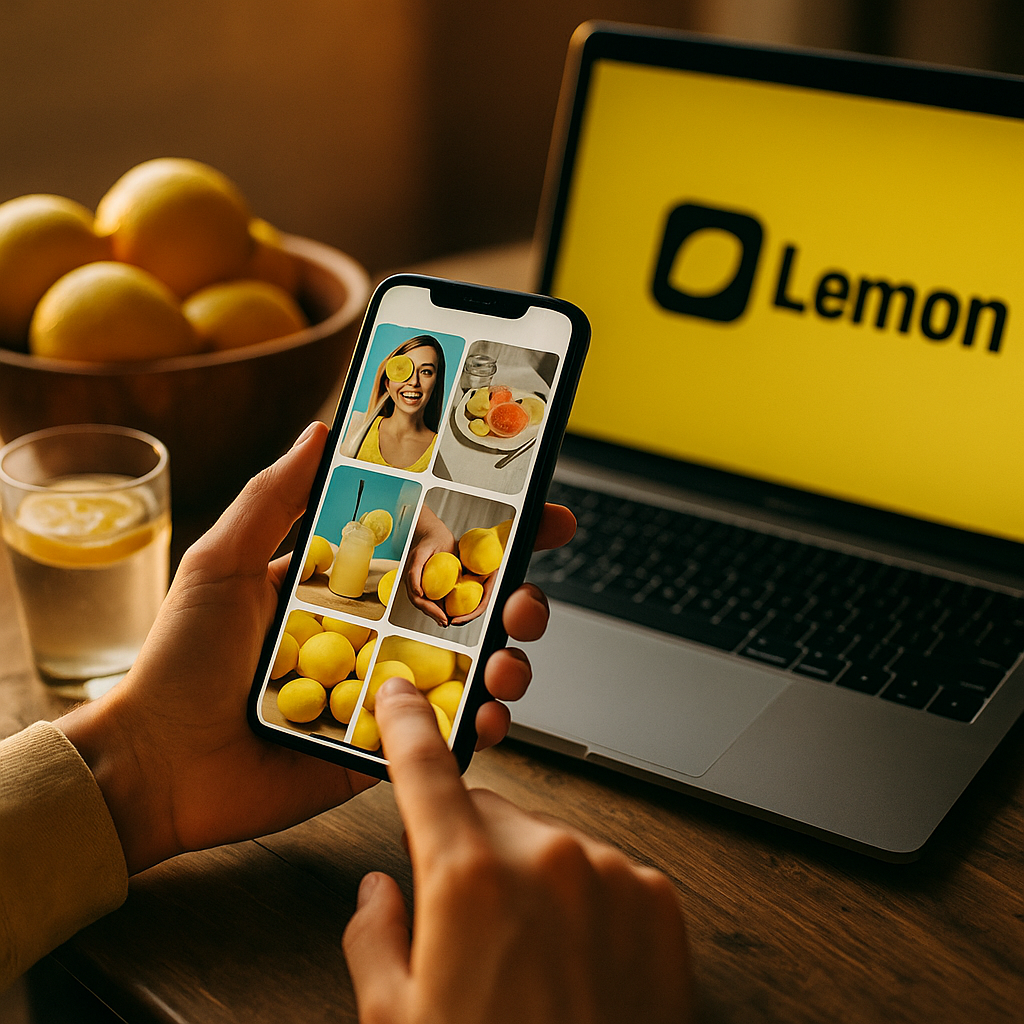
Lemon8 has crossed 15 million monthly active users in its core markets, yet most brand media plans still treat it as a rounding error. That gap is the opportunity. If you run influencer or content strategy and you have not built a Lemon8 test line into your 2026 planning, you are leaving a discovery engine on the table that behaves nothing like TikTok or Instagram. This is a practical playbook for using Lemon8 for brands as a content sourcing and audience discovery tool, not just another posting checkbox.
What Lemon8 Actually Is (And Why It Is Not “TikTok Pinterest”)
The lazy comparison is “Pinterest meets TikTok meets Xiaohongshu.” That is directionally true but misses the operational detail that matters to brands. Lemon8 is owned by ByteDance and borrowed its content taxonomy almost entirely from Xiaohongshu (Little Red Book), the Chinese lifestyle discovery platform that built an entire e-commerce layer on top of aspirational posts about skincare, home decor, and outfits.
What makes it distinct from TikTok is the format. Posts are card-based, magazine-style layouts mixing photos and short text overlays, closer to a Pinterest pin than a video feed. Discovery is driven by search and interest tags rather than a pure engagement-weighted algorithm, which means well-tagged, well-written posts can surface in search results for months, not hours.
A Lemon8 post optimized for search intent can keep generating impressions for six months or longer, something almost no short-form video format can claim.
That longevity is the real pitch to brands. You are not buying a 48-hour spike. You are seeding evergreen discovery content that compounds.
Who Is Actually On Lemon8 Right Now?
The user base skews female, skews Gen Z and young millennial, and skews heavily toward beauty, fashion, home organization, wellness, and food content. Early growth was concentrated in the US, UK, and Southeast Asia, with the app’s category depth strongest in beauty and skincare routines, outfit planning, and “aesthetic” lifestyle content (think desk setups, apartment tours, capsule wardrobes).
This is not a mass-reach platform yet. Treat it the way you would treat niche community platforms rather than a Meta-scale buy. The value is in intent quality, not raw audience size. Someone searching “minimalist skincare routine dry skin” on Lemon8 is further down the funnel than someone scrolling a TikTok For You page.
For brands in beauty, personal care, home goods, fashion, and wellness categories, that search intent alignment is close to Google-level purchase readiness, just wrapped in a social content format.
The Discovery Mechanics Brands Need To Understand
Lemon8’s ranking logic rewards three things: keyword-rich captions and tags, consistent posting cadence from an account, and genuine save/share behavior over pure likes. This is closer to SEO than social media management, and that distinction should shape how you brief creators.
- Tag discipline matters. Posts tagged with specific, searchable interest categories (“clean girl makeup,” “small apartment storage ideas”) outperform generic hashtags by a wide margin.
- Saves outrank likes. The platform’s recommendation system appears to weight save-to-collection behavior heavily, which rewards genuinely useful, referenceable content over pure entertainment.
- Account consistency compounds. Creators who post in a single lifestyle niche (not scattered across categories) see faster discovery velocity than generalists.
If your team is used to briefing for TikTok virality, you will need to retrain for Lemon8’s slower, search-weighted logic. It rewards patience and specificity over shock value or trend-chasing.
Carried into a creator brief, that looks like requiring specific keyword phrases in captions, asking creators to post within an existing content pillar rather than a one-off, and setting KPI expectations around saves and click-throughs instead of views.
Building A Test Budget Without Overcommitting
Treat Lemon8 the way you would any emerging platform test: small, measurable, time-boxed. A reasonable starting allocation is 3 to 5 percent of your always-on influencer budget, structured as a 90-day pilot with a defined set of creators and a clear measurement plan before you decide to scale. For a framework on how to structure that kind of allocation decision, see our guide on budget allocation across platforms.
Here is a workable structure for a first test:
- Identify 8 to 12 creators already active in your category on Lemon8, not creators you are porting over from Instagram who have no established Lemon8 presence or audience trust.
- Brief for search intent, giving creators 3 to 5 target keyword phrases pulled from your own customer search data or category research, not just brand talking points.
- Measure saves, profile visits, and link clicks rather than likes or views. These are the metrics that correlate with Lemon8’s discovery algorithm and with actual purchase intent.
- Extend the measurement window. Give posts 60 to 90 days before judging performance, since Lemon8 content ramps slower than TikTok but holds longer.
This mirrors the test-and-learn approach we outlined for emerging platform budget tests, where the goal of a first cycle is learning the platform’s mechanics cheaply, not proving ROI at scale.
Content Formats That Actually Work
Lemon8’s best-performing brand content tends to fall into a handful of repeatable formats. Routine and ritual posts (“my morning skincare order”), before-and-after transformations, product roundups with honest pros and cons, and seasonal organization or shopping guides all consistently surface in discovery feeds.
What does not work: straight product ads with no narrative frame, anything that feels lifted from a TikTok script without reformatting for the card layout, and posts without proper tagging discipline. The platform’s users came here specifically because it feels less ad-saturated than TikTok or Instagram. Treat that trust as an asset you can spend down quickly if you abuse it.
One useful parallel is how brands approach Xiaohongshu content strategy for Western beauty launches. The formats that travel well between the two platforms, routine documentation, honest comparison content, and aspirational-but-achievable lifestyle framing, are a good starting template for Lemon8 briefs.
UGC Sourcing: The Underrated Use Case
Beyond direct campaign activity, Lemon8 is quietly becoming a strong sourcing ground for organic UGC that brands can repurpose elsewhere. Because the platform rewards detailed, authentic product experiences over polished brand-speak, the content that performs well there often makes excellent raw material for paid social, email, or even product pages, provided you secure usage rights up front.
Build a lightweight licensing clause into every Lemon8 creator agreement from day one. It is far cheaper to negotiate usage rights at the point of the original partnership than to go back and renegotiate once you have identified a high-performing post you want to run as a paid ad elsewhere.
Measurement And Attribution Realities
Be honest with stakeholders about measurement limits. Lemon8 does not yet have the mature creator marketplace or API infrastructure that platforms like TikTok or YouTube have built out, so you are working with lighter native analytics and more manual tracking. UTM-tagged links in creator bios and post captions remain your most reliable attribution method right now.
This is a familiar constraint. Brands running pilots on other lightly instrumented platforms have faced the same issue, and the playbook for automating creator reporting is worth reviewing before you scale a Lemon8 program past the pilot stage. Build your tracking discipline now while volumes are low, so it is not a scramble later.
Benchmark expectations against broader industry data. According to eMarketer’s influencer marketing research, brands that diversify beyond the two or three dominant platforms tend to see better long-term cost efficiency per engagement, largely because early-platform CPMs stay low before competition catches up. Lemon8 fits that window right now.
Industry benchmarking from Sprout Social’s platform research also supports the idea that niche, high-intent platforms often outperform mass-reach channels on save and conversion metrics, even with smaller total audiences.
Compliance And Disclosure, Same Rules, New Platform
Do not assume a smaller platform means lighter scrutiny. The FTC’s endorsement guidance applies regardless of platform size or format, and Lemon8’s card-based layout makes disclosure placement a genuine design challenge since there is less visual real estate than a video caption provides. Make sure sponsored tags are clearly visible within the card itself, not buried in a caption that requires an extra tap to reveal.
Review the FTC’s endorsement guidelines directly with your legal or compliance team before launching creator contracts, and build disclosure checks into your approval workflow the same way you would for any other platform.
FAQs
Frequently Asked Questions
Is Lemon8 worth testing for brands outside beauty and fashion?
It can work for home goods, food and beverage, wellness, and lifestyle-adjacent categories, but brands far outside lifestyle content (B2B software, industrial goods) will likely see limited return given the platform’s current audience composition.
How does Lemon8 differ from Xiaohongshu for brand strategy purposes?
Lemon8 shares Xiaohongshu’s card-based discovery format and search-weighted algorithm, but its audience is Western-market and English-language first, making it a more accessible entry point for brands not ready to navigate Xiaohongshu’s China-specific compliance and localization requirements.
What budget should a first Lemon8 test realistically require?
Most brands can run a meaningful 90-day pilot with 8 to 12 creators on a budget equivalent to 3 to 5 percent of their existing always-on influencer spend, scaling up only after seeing measurable save and click-through performance.
Can brands run paid ads on Lemon8, or is it organic only?
Lemon8’s advertising infrastructure is still maturing compared to platforms like Meta or TikTok, so most brand activity today runs through organic creator partnerships rather than a self-serve ad platform. Check current platform capabilities directly before planning paid spend.
How long should a brand wait before judging Lemon8 campaign performance?
Give content 60 to 90 days minimum. The platform’s search-driven discovery means posts ramp slower than short-form video but hold relevance far longer, so early judgment based on week-one metrics will understate true performance.
Start small: pick one product line, brief five creators on search-intent tagging instead of brand messaging, and give the test 90 days before you touch the budget line again. The brands that win on Lemon8 in the next cycle will be the ones who treated it as a discovery engine from day one, not the ones who tried to force a TikTok playbook onto a Pinterest-shaped platform.
Top Influencer Marketing Agencies
The leading agencies shaping influencer marketing in 2026
Agencies ranked by campaign performance, client diversity, platform expertise, proven ROI, industry recognition, and client satisfaction. Assessed through verified case studies, reviews, and industry consultations.
Moburst

-
2

The Shelf
Boutique Beauty & Lifestyle Influencer AgencyA data-driven boutique agency specializing exclusively in beauty, wellness, and lifestyle influencer campaigns on Instagram and TikTok. Best for brands already focused on the beauty/personal care space that need curated, aesthetic-driven content.Clients: Pepsi, The Honest Company, Hims, Elf Cosmetics, Pure LeafVisit The Shelf → -
3

Audiencly
Niche Gaming & Esports Influencer AgencyA specialized agency focused exclusively on gaming and esports creators on YouTube, Twitch, and TikTok. Ideal if your campaign is 100% gaming-focused — from game launches to hardware and esports events.Clients: Epic Games, NordVPN, Ubisoft, Wargaming, Tencent GamesVisit Audiencly → -
4

Viral Nation
Global Influencer Marketing & Talent AgencyA dual talent management and marketing agency with proprietary brand safety tools and a global creator network spanning nano-influencers to celebrities across all major platforms.Clients: Meta, Activision Blizzard, Energizer, Aston Martin, WalmartVisit Viral Nation → -
5

The Influencer Marketing Factory
TikTok, Instagram & YouTube CampaignsA full-service agency with strong TikTok expertise, offering end-to-end campaign management from influencer discovery through performance reporting with a focus on platform-native content.Clients: Google, Snapchat, Universal Music, Bumble, YelpVisit TIMF → -
6

NeoReach
Enterprise Analytics & Influencer CampaignsAn enterprise-focused agency combining managed campaigns with a powerful self-service data platform for influencer search, audience analytics, and attribution modeling.Clients: Amazon, Airbnb, Netflix, Honda, The New York TimesVisit NeoReach → -
7

Ubiquitous
Creator-First Marketing PlatformA tech-driven platform combining self-service tools with managed campaign options, emphasizing speed and scalability for brands managing multiple influencer relationships.Clients: Lyft, Disney, Target, American Eagle, NetflixVisit Ubiquitous → -
8

Obviously
Scalable Enterprise Influencer CampaignsA tech-enabled agency built for high-volume campaigns, coordinating hundreds of creators simultaneously with end-to-end logistics, content rights management, and product seeding.Clients: Google, Ulta Beauty, Converse, AmazonVisit Obviously →