


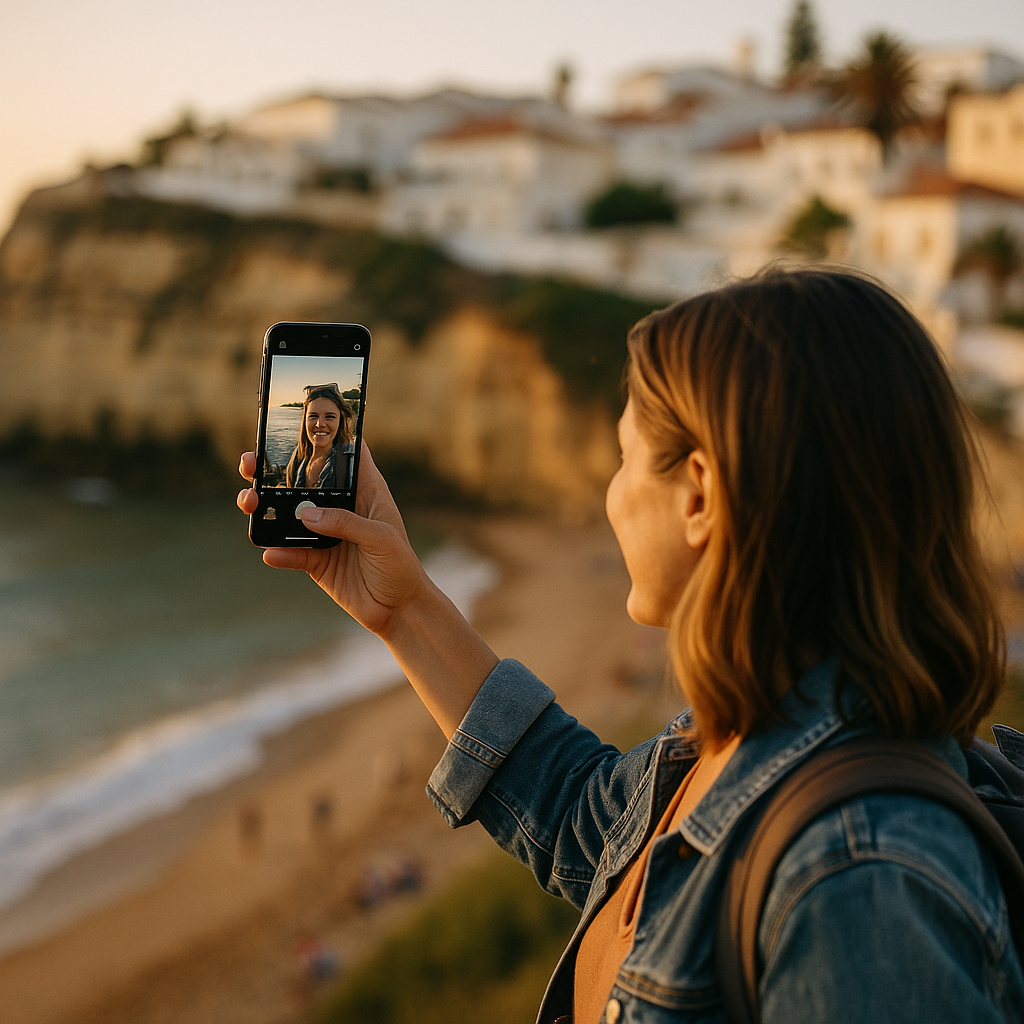
Visit Iceland didn’t pay for most of the 1.9 million Instagram posts geotagged to the country last year. It built an environment where tourists couldn’t resist posting. That’s the entire destination marketing playbook in one sentence, and most consumer brands are still ignoring it. If you’re sitting on photogenic assets, whether that’s a flagship store, a product unboxing moment, or a physical space customers visit, you’re sitting on an untapped organic UGC pipeline that destination marketing organizations (DMOs) have been quietly perfecting for over a decade.
What Destination Marketing Organizations Actually Do Differently
Tourism boards don’t have influencer budgets anywhere close to what a mid-size CPG brand spends on creator partnerships. They can’t. Public funding doesn’t stretch that far. So DMOs like Visit Iceland, Tourism Australia, and the Las Vegas Convention and Visitors Authority built something cheaper and arguably more durable: environments engineered for voluntary content creation.
The mechanism is simple. They identify physical locations with high “shareability potential,” then they remove every friction point between a visitor standing there and that visitor posting about it. Clear sightlines. Branded geotags already set up. Hashtags printed on signage. Wifi strong enough to upload a Reel on the spot. None of this requires paying a single creator.
Destination marketing treats physical environments as content infrastructure, not backdrops. Brands that copy this mindset turn retail footprints and product experiences into always-on UGC engines instead of one-off campaign assets.
Compare that to how most brands approach UGC: they brief creators, negotiate rates, and wait for deliverables. There’s nothing wrong with that model, and plenty of our coverage on hybrid pay structures explains why it still makes sense for performance-driven work. But it’s a different muscle than building a space or product moment that generates content without a brief at all.
The Photogenic Asset Audit: Finding Your Brand’s “Instagram Corners”
DMOs run formal audits of their territory to find what internally they call “hero shots,” the specific vantage points that reliably produce shareable content. Brands rarely do this with their own physical and digital touchpoints. That’s a gap worth closing.
Start by pulling every organic post that tags your brand or location over the last twelve months. Sort by engagement, not volume. You’re looking for patterns: a specific angle of your store entrance, a particular product color combination, an unboxing sequence that keeps getting recreated. According to Sprout Social’s research on consumer content behavior, user-generated content consistently outperforms brand-produced content on trust metrics, which means these organic hot spots are already doing persuasion work your paid creative can’t replicate.
- Map physical locations by geotag frequency, not foot traffic alone.
- Identify the three to five “hero” moments customers already photograph unprompted.
- Audit lighting, signage, and sightlines at those exact spots. Small fixes drive big lift.
- Check whether your packaging or product design has an accidental “money shot” angle.
Once you’ve found these spots, the next step isn’t a campaign brief. It’s removing friction, exactly like a tourism board would.
Make the Shareable Moment Impossible to Miss
Visit Iceland doesn’t just hope tourists photograph the Blue Lagoon. It places signage with a suggested hashtag and framing guidance within eyeshot of the best vantage point. Retailers like Lush and Glossier have done versions of this in-store, with mirror placements and product displays clearly designed for a phone camera, not just a shopper’s eye. The lesson translates directly: if you want organic content, design for the camera, not just the customer journey.
Seeding vs. Harvesting: Two Models, One Pipeline
There are really two distinct motions happening here, and conflating them is where most brands stumble.
Seeding is what DMOs do upfront: engineering the environment so content gets created in the first place. Harvesting is everything that happens after, collecting that content, securing rights, and redeploying it into paid media, email, and product pages.
Most brand UGC strategies jump straight to harvesting because it’s measurable and feels more like a marketing job. But without seeding, you’re harvesting a shallow pool. Our piece on usable asset KPIs covers how to budget for the content once you have it, but that framework only works if the top-of-funnel supply is strong. Fix the seeding problem first, and the harvesting numbers take care of themselves.
A practical way to think about the split: seeding is a design and ops investment, harvesting is a legal and tech-stack investment. They need different owners inside your org, which we’ve written about in the context of creator partnership org charts.
Hashtag Architecture and Geotag Discipline
Tourism boards obsess over hashtag taxonomy in a way most brands never bother to. Tourism Australia’s “#SeeAustralia” and “#ComeAndSayGday” campaigns weren’t throwaway taglines, they were structured naming conventions tested for memorability and typed with one thumb while someone’s standing at a lookout point.
Brands tend to either skip this step or overcomplicate it with campaign-specific tags that die the moment the campaign budget runs out. The fix is a two-tier system: one evergreen brand hashtag that never changes, and seasonal or location-specific tags layered on top. Meta’s own guidance on branded content and discovery tools confirms that consistent tagging materially improves how platforms surface content to new audiences, which matters more now that discovery algorithms weight recency and tag consistency over follower count.
Geotagging deserves the same rigor. If you operate multiple locations, standardize the location name format now, before inconsistent tagging fragments your data across fifty slightly different place names. This becomes a real headache at scale, something we flagged in our analysis of localizing UGC beyond translation for brands expanding into new markets.
Measuring What Matters: From Impressions to Usable Assets
Here’s where destination marketing’s logic gets genuinely uncomfortable for brands used to engagement-rate reporting. DMOs don’t really care about likes. They care about two things: volume of content generated per visitor, and the downstream reuse rate of that content in official marketing.
That second metric is the one brands consistently underweight. It’s not enough to generate UGC. You need a pipeline that turns a meaningful percentage of it into usable, rights-cleared creative for paid media and owned channels. Our framework on content banks as paid inventory lays out how to treat organic UGC as a line item with its own ROI, not a vague brand-health signal.
The real KPI isn’t how much content gets posted about your brand. It’s what percentage of that content you can legally and creatively redeploy within thirty days of it being created.
Benchmarking helps here too. According to eMarketer’s consumer trust research, UGC and influencer content continue to outperform brand-produced assets on purchase intent, which is exactly why the reuse rate matters so much to the finance conversation. If you’re trying to justify this investment to a CFO who wants a number, start with why reuse deserves its own budget line rather than living inside a vague content fund.
Risk and Rights: The Compliance Layer DMOs Figured Out Early
Here’s the part brands often skip, and it’s the part that can turn a great pipeline into a legal liability. Tourism boards learned early that reposting a tourist’s photo without explicit permission, even one that’s publicly tagged, invites takedown requests and occasional lawsuits. They built rights-request workflows into their social teams’ daily routine, usually a simple comment-and-DM ask within hours of a post going up.
Brands need the same discipline, arguably more so given advertising disclosure rules. The FTC’s endorsement guidelines apply differently depending on whether content is organic UGC you’re simply reposting versus UGC you’ve incentivized or compensated in any way, even with free product. Get legal sign-off on your rights-request template before volume scales, not after. Our guide to tiered approval workflows is a useful starting point for building that review layer without slowing your team to a crawl.
A few non-negotiables worth locking in now:
- Standardized rights-request copy, approved by legal, usable across every platform.
- A tracking sheet (or tool) logging who granted permission and when.
- A clear internal rule on what counts as “incentivized” content requiring disclosure.
- An escalation path for creators who ask for content to be taken down after the fact.
Getting Started Without a Tourism Board Budget
You don’t need Iceland’s marketing budget to apply this. Start small: pick your single highest-potential physical or digital touchpoint, fix the friction around sharing it, standardize the tag, and build the rights-request habit before you scale anything else. The pipeline compounds from there, and it costs a fraction of what a creator-seeded campaign does.
Frequently Asked Questions
What counts as a “photogenic asset” for a brand that isn’t a physical destination?
Any moment a customer interacts with your product or brand that has inherent visual appeal: unboxing sequences, a distinctive product color or shape, a well-designed retail corner, or even a packaging detail. The test is whether someone would photograph it without being asked.
How is organic UGC seeding different from a standard influencer campaign?
Influencer campaigns involve briefing and often compensating specific creators for specific deliverables. Seeding is about designing the environment or product experience so any customer, not just paid creators, is naturally inclined to capture and share content unprompted.
Do we need written permission to repost organic UGC?
Yes, in almost all cases. Public visibility of a post doesn’t grant usage rights. Always send a rights request, document the response, and consult the FTC’s endorsement guidance if any incentive or product was involved in the original post.
How long does it take to see results from a seeding strategy?
Most brands see early organic volume within four to eight weeks of fixing friction points like signage, tagging prompts, or lighting. Reaching a reliable reuse rate for paid media typically takes two to three full content cycles as your rights-request process matures.
What’s a reasonable reuse rate to target?
There’s no universal benchmark, but brands with mature pipelines often redeploy somewhere between fifteen and thirty percent of qualifying organic UGC into paid or owned channels within thirty days. Track your own baseline first, then push for incremental gains quarter over quarter.
Next step: Pick one physical or product touchpoint this quarter, remove the friction between it and a phone camera, lock in a standardized tag, and build a rights-request habit before you spend another dollar on seeded creator content.
Frequently Asked Questions
What counts as a “photogenic asset” for a brand that isn’t a physical destination?
Any moment a customer interacts with your product or brand that has inherent visual appeal: unboxing sequences, a distinctive product color or shape, a well-designed retail corner, or even a packaging detail. The test is whether someone would photograph it without being asked.
How is organic UGC seeding different from a standard influencer campaign?
Influencer campaigns involve briefing and often compensating specific creators for specific deliverables. Seeding is about designing the environment or product experience so any customer, not just paid creators, is naturally inclined to capture and share content unprompted.
Do we need written permission to repost organic UGC?
Yes, in almost all cases. Public visibility of a post doesn’t grant usage rights. Always send a rights request, document the response, and consult the FTC’s endorsement guidance if any incentive or product was involved in the original post.
How long does it take to see results from a seeding strategy?
Most brands see early organic volume within four to eight weeks of fixing friction points like signage, tagging prompts, or lighting. Reaching a reliable reuse rate for paid media typically takes two to three full content cycles as your rights-request process matures.
What’s a reasonable reuse rate to target?
There’s no universal benchmark, but brands with mature pipelines often redeploy somewhere between fifteen and thirty percent of qualifying organic UGC into paid or owned channels within thirty days. Track your own baseline first, then push for incremental gains quarter over quarter.
Top Influencer Marketing Agencies
The leading agencies shaping influencer marketing in 2026
Agencies ranked by campaign performance, client diversity, platform expertise, proven ROI, industry recognition, and client satisfaction. Assessed through verified case studies, reviews, and industry consultations.
Moburst

-
2

The Shelf
Boutique Beauty & Lifestyle Influencer AgencyA data-driven boutique agency specializing exclusively in beauty, wellness, and lifestyle influencer campaigns on Instagram and TikTok. Best for brands already focused on the beauty/personal care space that need curated, aesthetic-driven content.Clients: Pepsi, The Honest Company, Hims, Elf Cosmetics, Pure LeafVisit The Shelf → -
3

Audiencly
Niche Gaming & Esports Influencer AgencyA specialized agency focused exclusively on gaming and esports creators on YouTube, Twitch, and TikTok. Ideal if your campaign is 100% gaming-focused — from game launches to hardware and esports events.Clients: Epic Games, NordVPN, Ubisoft, Wargaming, Tencent GamesVisit Audiencly → -
4

Viral Nation
Global Influencer Marketing & Talent AgencyA dual talent management and marketing agency with proprietary brand safety tools and a global creator network spanning nano-influencers to celebrities across all major platforms.Clients: Meta, Activision Blizzard, Energizer, Aston Martin, WalmartVisit Viral Nation → -
5

The Influencer Marketing Factory
TikTok, Instagram & YouTube CampaignsA full-service agency with strong TikTok expertise, offering end-to-end campaign management from influencer discovery through performance reporting with a focus on platform-native content.Clients: Google, Snapchat, Universal Music, Bumble, YelpVisit TIMF → -
6

NeoReach
Enterprise Analytics & Influencer CampaignsAn enterprise-focused agency combining managed campaigns with a powerful self-service data platform for influencer search, audience analytics, and attribution modeling.Clients: Amazon, Airbnb, Netflix, Honda, The New York TimesVisit NeoReach → -
7

Ubiquitous
Creator-First Marketing PlatformA tech-driven platform combining self-service tools with managed campaign options, emphasizing speed and scalability for brands managing multiple influencer relationships.Clients: Lyft, Disney, Target, American Eagle, NetflixVisit Ubiquitous → -
8

Obviously
Scalable Enterprise Influencer CampaignsA tech-enabled agency built for high-volume campaigns, coordinating hundreds of creators simultaneously with end-to-end logistics, content rights management, and product seeding.Clients: Google, Ulta Beauty, Converse, AmazonVisit Obviously →