


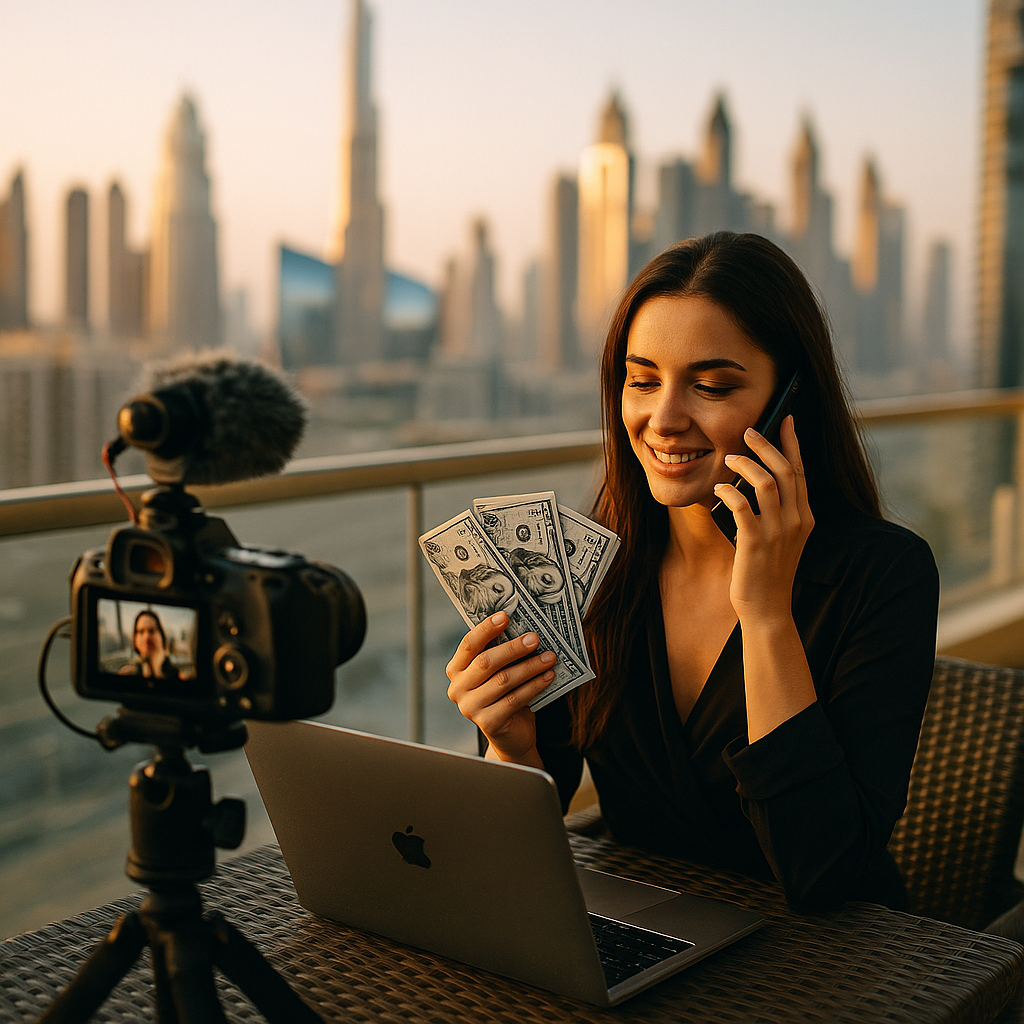
A single Dubai-based mega creator can command the same cost per engagement as three New York influencers combined. That is not a typo, it is a buying pattern procurement teams keep rediscovering the hard way. If you are benchmarking a Dubai creator rate card against your usual markets and the numbers look inflated, they are not wrong. They are telling you something about this market that a generic global average never will.
Dubai’s Rate Card Problem Nobody Talks About
Most global brands import a flat CPE assumption from their US or UK playbook and apply it to Gulf campaigns. That is the first mistake. Dubai operates on a different supply and demand curve: high-net-worth audience density, a small but saturated creator pool, and agency fees baked into nearly every negotiation above the nano tier.
Add currency conversion confusion (AED to USD swings matter more than brands admit) and you get rate cards that look arbitrary from the outside. They are not arbitrary. They are a function of scarcity, licensing costs, and a market where creators negotiate like talent agents because, frankly, many of them have one.
Dubai commands a 30 to 40 percent cost per engagement premium over comparable MENA markets like Cairo or Amman, largely driven by licensing overhead and a disproportionately high-income audience base.
What Cost Per Engagement Actually Measures
CPE sounds simple: total spend divided by total engagements (likes, comments, shares, saves). In practice, brands calculate it a dozen different ways, and that inconsistency is where budgets quietly bleed.
Some teams count only comments and shares, treating likes as noise. Others fold in story replies and DMs, which inflates the denominator and makes a campaign look artificially efficient. If you are comparing a Dubai rate card to a London one, make sure both sides are counting the same engagement types. Otherwise you are not benchmarking, you are guessing with a spreadsheet attached.
This is the same discipline brands are applying elsewhere as influencer spend gets folded into formal media budgets. See how pay per conversion models are already replacing blunt reach metrics in other regions. Dubai is heading the same direction, just slower, because the agency layer resists standardization.
Breaking Down the Benchmarks by Tier
Here is roughly where Dubai CPE rates sit across creator tiers, based on current agency quotes and campaign data circulating among regional buyers:
- Nano (1,000 to 15,000 followers): AED 0.40 to 0.70 per engagement. Rates have compressed as the nano pool has grown, mirroring the global pattern covered in this breakdown of nano rate flattening.
- Micro (15,000 to 100,000): AED 0.60 to 1.10 per engagement. This is where Dubai’s premium starts showing, often 25 percent above Riyadh equivalents.
- Mid-tier (100,000 to 500,000): AED 1.20 to 2.50 per engagement, with heavy variance by niche. Finance and luxury travel creators sit at the top end.
- Macro (500,000 to 1 million): AED 2.80 to 4.50, and this is where agency commissions (typically 15 to 25 percent) start meaningfully distorting the headline number.
- Mega (1 million plus): Highly negotiated, often flat-fee packages dressed up as CPE deals for reporting purposes. Treat published rates here as a starting point, not a ceiling.
Notice the jump between micro and mid-tier. That is not a gradual curve, it is a cliff, and it is where most brand budgets get blown by teams who assumed linear scaling.
Why Dubai Rates Skew Higher Than Riyadh or Cairo
Three forces drive the premium. First, audience purchasing power: Dubai’s expat and resident base skews affluent, and creators price accordingly because conversion value per follower is genuinely higher. Second, licensing: the UAE requires influencers earning from sponsored content to hold a media license, and that compliance cost gets passed straight into rate cards. Third, agency density: Dubai has one of the highest concentrations of talent management agencies per capita in the region, and agencies do not negotiate rates down, they negotiate them up.
Compare that to Cairo, where creator supply is abundant and licensing enforcement is lighter, or Riyadh, where the market is newer and still finding its pricing floor. Dubai is the most mature, most expensive, and most procedurally complex market in the Gulf for influencer buys. That maturity cuts both ways for brands: higher cost, but also more professionalized delivery and fewer no-shows.
A mid-tier Dubai lifestyle creator with a licensed media profile can justify a CPE nearly double that of an unlicensed creator with identical engagement numbers, purely on compliance and risk grounds.
Should Global Brands Pay Dubai Premiums?
Sometimes yes, sometimes it is a trap. If your campaign goal is pure reach or awareness in a crowded travel or luxury category, the premium often pays for itself through audience quality and lower fraud risk. Dubai’s professionalized creator ecosystem means fewer bot-inflated accounts, which matters when industry fraud estimates still run uncomfortably high across emerging creator markets globally.
But if you are running a performance campaign chasing conversions or app installs, paying Dubai’s premium CPE without a matching conversion lift is just expensive vanity metrics. This is exactly the tension playing out as brands push for blended measurement models that weight engagement against actual revenue outcomes rather than treating CPE as the finish line.
The practical move: segment your Dubai budget. Use nano and micro tiers for performance work where CPE efficiency matters most, and reserve mid-to-macro spend for brand-building moments where the audience quality premium genuinely matters. Do not apply a single CPE target across both use cases, you will either overpay on one or underperform on the other.
What This Means for Procurement Teams
Finance and procurement functions increasingly want influencer spend benchmarked the same way they benchmark programmatic media, a shift documented in how procurement now owns influencer budgets. Dubai complicates that model because so much pricing happens through relationship-based agency negotiation rather than transparent rate cards.
Build a standing benchmark sheet, refreshed quarterly, pulling actual campaign CPE data rather than published agency rate cards (which tend to be aspirational). Cross-reference against regional context too: the same seasonal spend surges reshaping rates during festive periods elsewhere hit Dubai hard during Ramadan and the UAE’s peak tourism months, often pushing CPE up 15 to 20 percent temporarily.
Also factor in brand suitability review time. Dubai’s regulatory environment is distinct enough from EMEA or APAC norms that compliance checks add real timeline and cost, something covered in depth in regional brand suitability differences. Skipping that step to save time is how brands end up with licensing violations and frozen campaigns mid-flight.
For broader context on where this fits in global spend patterns, eMarketer’s creator economy tracking and Sprout Social’s engagement benchmark reports both show Gulf markets outpacing global average rate growth, which tracks with what buyers are seeing on the ground in Dubai specifically.
Frequently Asked Questions
Quick answers to the questions procurement and brand teams raise most often when building out Gulf influencer budgets.
FAQs
What is a good cost per engagement for Dubai influencer campaigns?
It depends heavily on tier. Nano creators typically run AED 0.40 to 0.70 per engagement, while mid-tier creators can reach AED 1.20 to 2.50. There is no single “good” number without specifying the creator tier and campaign objective.
Why are Dubai influencer rates higher than other MENA markets?
Three main drivers: higher audience purchasing power, mandatory media licensing costs that creators pass through to brands, and a dense agency ecosystem that negotiates rates upward rather than competing them down.
Do Dubai creators need a license to post sponsored content?
Yes. The UAE requires influencers monetizing sponsored content to hold a media license, and this compliance overhead is typically factored into their rate cards, especially above the nano tier.
How often should brands update their Dubai rate benchmarks?
Quarterly at minimum, with additional checks around Ramadan and peak tourism season when demand spikes can temporarily push CPE up 15 to 20 percent.
Is CPE the right metric for performance campaigns in Dubai?
Not on its own. CPE measures attention, not outcomes. Performance-focused campaigns should blend CPE with conversion or cost-per-acquisition data to avoid overpaying for engagement that does not translate into revenue.
Next step: pull your last two Dubai campaigns, recalculate CPE using a consistent engagement definition across both, and compare against the tier benchmarks above before your next rate negotiation. That single exercise will expose more budget waste than any rate card you download.
FAQs
What is a good cost per engagement for Dubai influencer campaigns?
It depends heavily on tier. Nano creators typically run AED 0.40 to 0.70 per engagement, while mid-tier creators can reach AED 1.20 to 2.50. There is no single “good” number without specifying the creator tier and campaign objective.
Why are Dubai influencer rates higher than other MENA markets?
Three main drivers: higher audience purchasing power, mandatory media licensing costs that creators pass through to brands, and a dense agency ecosystem that negotiates rates upward rather than competing them down.
Do Dubai creators need a license to post sponsored content?
Yes. The UAE requires influencers monetizing sponsored content to hold a media license, and this compliance overhead is typically factored into their rate cards, especially above the nano tier.
How often should brands update their Dubai rate benchmarks?
Quarterly at minimum, with additional checks around Ramadan and peak tourism season when demand spikes can temporarily push CPE up 15 to 20 percent.
Is CPE the right metric for performance campaigns in Dubai?
Not on its own. CPE measures attention, not outcomes. Performance-focused campaigns should blend CPE with conversion or cost-per-acquisition data to avoid overpaying for engagement that does not translate into revenue.
Top Influencer Marketing Agencies
The leading agencies shaping influencer marketing in 2026
Agencies ranked by campaign performance, client diversity, platform expertise, proven ROI, industry recognition, and client satisfaction. Assessed through verified case studies, reviews, and industry consultations.
Moburst

-
2

The Shelf
Boutique Beauty & Lifestyle Influencer AgencyA data-driven boutique agency specializing exclusively in beauty, wellness, and lifestyle influencer campaigns on Instagram and TikTok. Best for brands already focused on the beauty/personal care space that need curated, aesthetic-driven content.Clients: Pepsi, The Honest Company, Hims, Elf Cosmetics, Pure LeafVisit The Shelf → -
3

Audiencly
Niche Gaming & Esports Influencer AgencyA specialized agency focused exclusively on gaming and esports creators on YouTube, Twitch, and TikTok. Ideal if your campaign is 100% gaming-focused — from game launches to hardware and esports events.Clients: Epic Games, NordVPN, Ubisoft, Wargaming, Tencent GamesVisit Audiencly → -
4

Viral Nation
Global Influencer Marketing & Talent AgencyA dual talent management and marketing agency with proprietary brand safety tools and a global creator network spanning nano-influencers to celebrities across all major platforms.Clients: Meta, Activision Blizzard, Energizer, Aston Martin, WalmartVisit Viral Nation → -
5

The Influencer Marketing Factory
TikTok, Instagram & YouTube CampaignsA full-service agency with strong TikTok expertise, offering end-to-end campaign management from influencer discovery through performance reporting with a focus on platform-native content.Clients: Google, Snapchat, Universal Music, Bumble, YelpVisit TIMF → -
6

NeoReach
Enterprise Analytics & Influencer CampaignsAn enterprise-focused agency combining managed campaigns with a powerful self-service data platform for influencer search, audience analytics, and attribution modeling.Clients: Amazon, Airbnb, Netflix, Honda, The New York TimesVisit NeoReach → -
7

Ubiquitous
Creator-First Marketing PlatformA tech-driven platform combining self-service tools with managed campaign options, emphasizing speed and scalability for brands managing multiple influencer relationships.Clients: Lyft, Disney, Target, American Eagle, NetflixVisit Ubiquitous → -
8

Obviously
Scalable Enterprise Influencer CampaignsA tech-enabled agency built for high-volume campaigns, coordinating hundreds of creators simultaneously with end-to-end logistics, content rights management, and product seeding.Clients: Google, Ulta Beauty, Converse, AmazonVisit Obviously →