


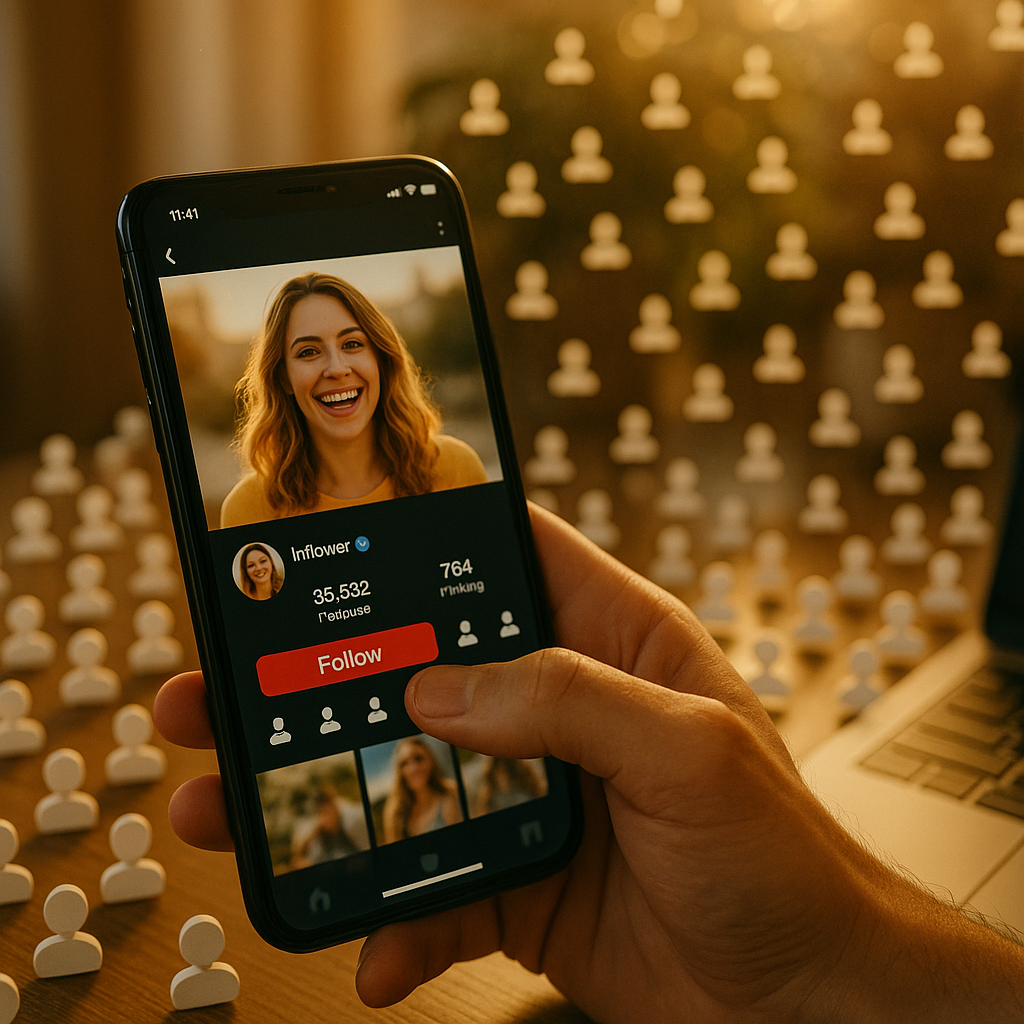
More than half of every influencer fraud complaint filed last year traces back to one culprit: fake followers and bot engagement. The number is 56.5 percent, and it should stop every brand marketer mid-scroll. That’s not a rounding error or a niche problem confined to sketchy nano accounts. It’s the dominant fraud vector in an industry that brands are pouring tens of billions into, and influencer fraud is no longer a creative-team headache. It’s a finance and legal one.
The number behind the headline
Fraud detection vendors and platform trust teams have been flagging this trend for a while, but 2026’s data makes it impossible to ignore. Bot-driven and fake-follower schemes now account for the majority share of reported influencer fraud cases, dwarfing other categories like engagement pods, undisclosed sponsorships, or fabricated metrics in media kits. Put simply: if you’re getting defrauded in influencer marketing, the odds favor it being a follower or engagement scam rather than anything else.
Why does this matter more now than it did three years ago? Budgets have scaled. Creator ad spend has crossed the 37 billion mark, and procurement teams are applying media-buying rigor to a channel that used to run on relationship-based trust and gut-feel casting. When you’re spending seven figures across a creator roster, a 56.5 percent fraud concentration in one category isn’t a footnote. It’s a line item risk that auditors will eventually ask about.
Bot and fake-follower fraud now represents the single largest category of reported influencer fraud, meaning brands are more likely to overpay for inflated reach than to get burned by any other scheme combined.
How the fraud actually works
Fake follower schemes have gotten more sophisticated than the old “buy 10,000 followers for $50” playbook. Today’s bot networks mimic human behavior patterns: staggered follow times, realistic bios, occasional low-effort comments, even cross-platform activity to pass surface-level audits. Some operators run follow/unfollow cycles to keep ratios looking organic. Others use click farms, which are harder to detect than pure bots because the engagement comes from real devices, just not real interest.
The result is a creator who looks mid-tier on paper (50k to 200k followers, decent-looking engagement rate) but delivers a fraction of the actual reach a brand is paying for. Multiply that across a 20-creator campaign and the wasted spend adds up fast, often without anyone noticing until a post-campaign audit flags abnormal click-through or conversion numbers that don’t match the “engagement” reported.
This is part of why nano and micro creator inflation has become such a minefield. As rates compress and the market floods with new accounts chasing brand deals, the incentive to fake traction rises in lockstep. A creator with real but modest engagement now competes against one who’s bought their way to a bigger-looking number, and brands without verification tools can’t always tell the difference at a glance.
What this costs brands in 2026
Start with the obvious: wasted media spend. If more than half of fraud cases involve inflated audiences, a meaningful share of influencer budgets is being paid out against reach that doesn’t exist. That’s money that should have gone to creators with genuine audiences, or been redirected to channels with cleaner attribution.
Then there’s the harder-to-quantify cost: decision distortion. Marketing teams make renewal and budget-allocation decisions based on reported engagement. If those numbers are inflated by bots, brands end up doubling down on underperforming partnerships while real high-performers get deprioritized because their “numbers” look smaller by comparison. It’s a quiet but corrosive effect on portfolio strategy, and it compounds year over year if nobody audits the base data.
Finally, there’s brand safety and reputational exposure. Regulators and watchdog groups have sharpened their focus on disclosure and authenticity. The FTC’s endorsement guidelines already require honesty in testimonials and influencer claims, and fake-audience schemes sit uncomfortably close to deceptive advertising territory, especially if a brand knowingly continues working with a creator after fraud signals appear. Add in consumer skepticism: 61 percent of consumers already demand clearer disclosure in influencer content, and an authenticity scandal tied to bot engagement is exactly the kind of story that erodes trust fast.
Detection is getting better, but it’s still not automatic
Fraud detection tools have improved. Platforms like Sprout Social and dedicated influencer vetting vendors now offer audience-quality scoring, follower-growth anomaly detection, and engagement authenticity checks as standard features in campaign dashboards. Agencies that invest in these tools during the vetting stage catch most obvious fraud before contracts are signed.
The gap is in ongoing monitoring. A creator’s audience quality isn’t static. Someone can pass a clean audit at contract signing and still see bot activity creep into their following six months later, either because they bought a boost to chase a brand deal or because bot networks started targeting their account without their knowledge. Brands that only check audience quality once, at onboarding, are flying blind for the rest of the relationship.
There’s also a data literacy problem inside marketing teams. Plenty of practitioners still default to a surface glance at follower count and engagement rate, two metrics that are trivially easy to fake, instead of digging into follower growth charts, comment sentiment, or audience geography mismatches that signal bot activity. eMarketer and Statista both track rising influencer marketing spend, but neither dataset captures how much of that spend is quietly wasted on inflated reach, which means the fraud problem is underreported in the macro numbers brands use to justify budget increases.
Building a verification workflow that actually holds up
So what does a defensible process look like for a brand or agency in 2026? A few non-negotiables are emerging as best practice:
- Pre-contract audits: Run every prospective creator through a third-party audience-quality tool before signing, not just a manual scroll through their last ten posts.
- Follower growth trend checks: Sudden spikes in follower count without a corresponding viral moment are a red flag. Flat or steadily organic growth is a good sign.
- Engagement-to-reach ratio benchmarks: Compare a creator’s engagement rate against category and tier norms. Outliers in either direction deserve a second look.
- Contract clauses tied to audience quality: Build fraud representations and warranties into influencer contracts, with clawback rights if bot activity is discovered post-payment.
- Periodic re-verification: For always-on or multi-phase campaigns, re-audit creators at each renewal point rather than assuming the initial vetting still holds.
This is also where the shift toward treating influencer spend as media budget, not a discretionary marketing line, helps. Procurement teams taking over influencer spend tend to bring the same vendor-vetting discipline they apply to ad-tech partners, which naturally raises the bar on fraud checks. If your organization still treats creator partnerships as a handshake deal between a brand manager and a talent agent, you’re more exposed than you think.
Where AI cuts both ways
It’s worth flagging the irony here: the same AI tools helping brands detect fraud are also making fraud easier to produce. Generative AI can now create synthetic comments, auto-generate realistic-looking bios, and even simulate human posting cadences at scale. As agentic AI tools take over more campaign execution, the fraud detection side needs to keep pace, or the gap between sophisticated fake accounts and basic manual review will only widen.
On the flip side, AI-powered detection is also improving fast. Pattern recognition across millions of accounts can spot bot clusters that a human reviewer would never catch manually. The practical takeaway: brands relying purely on manual vetting are increasingly outmatched, whether the threat comes from bad actors or from well-meaning creators who got talked into a “growth service” that quietly poisoned their account with bots.
A quick gut check for your next campaign brief
Before your next influencer RFP goes out, ask three questions. Does your vetting process include a third-party audience-quality check, not just a manual look? Are your contracts written to protect against fraud discovered after payment? And is someone re-checking audience health at renewal, not just at onboarding? If the answer to any of these is no, you’re carrying more risk in your creator program than your budget approval probably accounted for.
Frequently Asked Questions
What percentage of influencer fraud involves fake followers or bots?
Bot and fake-follower activity accounts for 56.5 percent of reported influencer fraud cases, making it the largest single category of fraud in the influencer marketing industry.
How can brands detect fake followers before signing a creator contract?
Brands should run prospective creators through third-party audience-quality tools that analyze follower growth patterns, engagement-to-reach ratios, comment authenticity, and audience geography, rather than relying on surface-level follower counts.
Is buying followers illegal?
Buying followers isn’t automatically illegal, but using inflated metrics to secure brand deals or deceive advertisers can violate advertising honesty rules enforced by bodies like the FTC, particularly when it misleads brands about actual audience reach.
Why has bot-driven fraud increased in influencer marketing?
As creator ad spend has grown and competition for brand deals has intensified, more creators and bad actors have turned to bot networks and click farms to inflate metrics and appear more valuable to brands, especially in the crowded nano and micro tiers.
What should be included in an influencer contract to guard against fraud?
Contracts should include audience-quality representations and warranties, clawback clauses if fraud is discovered post-payment, and provisions for periodic re-verification throughout multi-phase or always-on campaigns.
Visible FAQ (HTML)
(See FAQ section above for display; duplicated below in schema format for search engines.)
Top Influencer Marketing Agencies
The leading agencies shaping influencer marketing in 2026
Agencies ranked by campaign performance, client diversity, platform expertise, proven ROI, industry recognition, and client satisfaction. Assessed through verified case studies, reviews, and industry consultations.
Moburst

-
2

The Shelf
Boutique Beauty & Lifestyle Influencer AgencyA data-driven boutique agency specializing exclusively in beauty, wellness, and lifestyle influencer campaigns on Instagram and TikTok. Best for brands already focused on the beauty/personal care space that need curated, aesthetic-driven content.Clients: Pepsi, The Honest Company, Hims, Elf Cosmetics, Pure LeafVisit The Shelf → -
3

Audiencly
Niche Gaming & Esports Influencer AgencyA specialized agency focused exclusively on gaming and esports creators on YouTube, Twitch, and TikTok. Ideal if your campaign is 100% gaming-focused — from game launches to hardware and esports events.Clients: Epic Games, NordVPN, Ubisoft, Wargaming, Tencent GamesVisit Audiencly → -
4

Viral Nation
Global Influencer Marketing & Talent AgencyA dual talent management and marketing agency with proprietary brand safety tools and a global creator network spanning nano-influencers to celebrities across all major platforms.Clients: Meta, Activision Blizzard, Energizer, Aston Martin, WalmartVisit Viral Nation → -
5

The Influencer Marketing Factory
TikTok, Instagram & YouTube CampaignsA full-service agency with strong TikTok expertise, offering end-to-end campaign management from influencer discovery through performance reporting with a focus on platform-native content.Clients: Google, Snapchat, Universal Music, Bumble, YelpVisit TIMF → -
6

NeoReach
Enterprise Analytics & Influencer CampaignsAn enterprise-focused agency combining managed campaigns with a powerful self-service data platform for influencer search, audience analytics, and attribution modeling.Clients: Amazon, Airbnb, Netflix, Honda, The New York TimesVisit NeoReach → -
7

Ubiquitous
Creator-First Marketing PlatformA tech-driven platform combining self-service tools with managed campaign options, emphasizing speed and scalability for brands managing multiple influencer relationships.Clients: Lyft, Disney, Target, American Eagle, NetflixVisit Ubiquitous → -
8

Obviously
Scalable Enterprise Influencer CampaignsA tech-enabled agency built for high-volume campaigns, coordinating hundreds of creators simultaneously with end-to-end logistics, content rights management, and product seeding.Clients: Google, Ulta Beauty, Converse, AmazonVisit Obviously →