


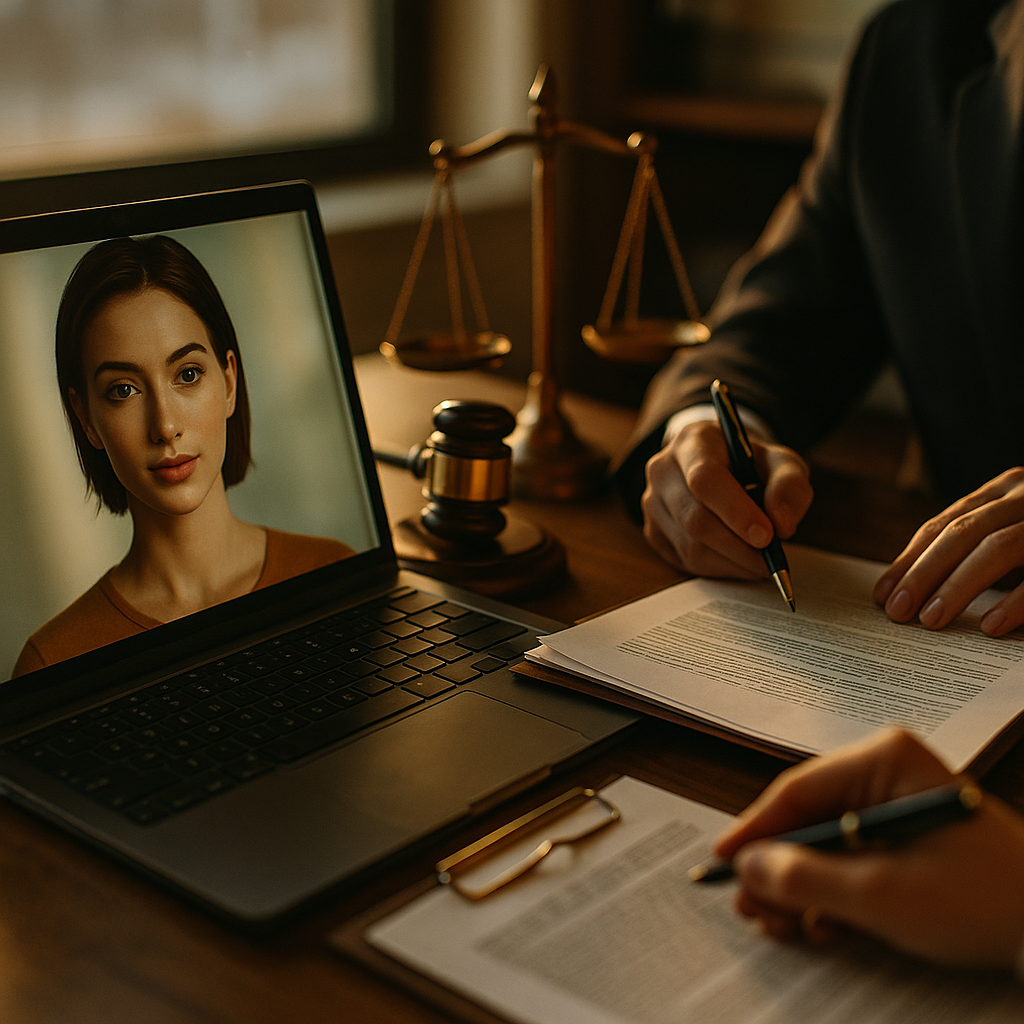
The rise of AI-generated virtual influencers in global campaigns is transforming digital marketing, but it introduces complex legal implications brands must navigate. Understanding the laws around disclosure, intellectual property, and data usage is critical for success. Explore what marketers, agencies, and brands should know before harnessing these digital personalities at scale—could your campaign be at legal risk?
The Rise of Virtual Influencers in Advertising Campaigns
Virtual influencers—computer-generated personas driven by artificial intelligence—are rapidly gaining popularity in global advertising. By 2025, leading brands across fashion, beauty, and tech are leveraging these AI-driven figures to connect with diverse online communities. Unlike traditional influencers, these digital avatars require no travel, offer 24/7 availability, and can be painstakingly tailored to campaign narratives.
This transformation offers incredible creative freedom, but also raises stakes in terms of transparency, consumer protection, and regional compliance requirements. As the line between reality and fiction blurs, stakeholders must closely examine the unique legal challenges posed by virtual influencers.
Disclosure Laws and Ethical Concerns for AI-Generated Endorsements
Regulatory bodies worldwide—including the FTC (U.S.) and the ASA (UK)—mandate clear disclosure of sponsored content. For virtual influencers, the rules are evolving. Failure to disclose the fictional, AI-generated nature of these entities can mislead audiences, potentially violating advertising codes and eroding consumer trust.
Best practices recommend unambiguous labeling, such as #VirtualInfluencer or #AI, in all sponsored posts. Automated systems should also ensure each endorsement includes identifiable disclosures—across languages and cultures. Ethical use includes informing audiences that the persona they’re interacting with is a product of AI, not a living individual.
Intellectual Property Considerations and Brand Protection
AI-generated influencers are frequently composed of a blend of original artwork, algorithms, and borrowed reference material. This hybrid creation process brings critical intellectual property (IP) implications:
- Ownership: Who holds the rights—the creator, the platform, or the commissioning brand? Clear contracts must outline usage rights.
- Copyright Infringement: Reproducing real-world features or mimicking celebrities without consent could trigger lawsuits. All visual and audio elements should be carefully vetted for originality.
- Trademark Use: Virtual influencers can’t wear branded apparel or feature company logos without explicit permission. Brands should review automated content generation systems for potential violations.
Legal experts recommend auditing training data, securing necessary licenses, and maintaining robust documentation for all creative assets used in developing these digital personas. This helps safeguard both brands and agencies against complex IP disputes in multiple jurisdictions.
Data Privacy and Global Regulatory Compliance
Deploying AI-driven virtual influencers at scale can involve large-scale data processing. From managing follower queries to tailoring content based on behavioral analytics, teams must comply with evolving privacy regulations like GDPR, CCPA, and China’s PIPL. Data collected, stored, or processed must be:
- Obtained with informed user consent
- Protected against unauthorized access or misuse
- Only used for disclosed, legitimate purposes
Marketers must also consider the cross-border transfer of data. Employing privacy-by-design principles during influencer deployment, regularly updating privacy policies, and providing opt-out options are key for minimizing regulatory risk in international campaigns.
Contractual and Liability Issues in Virtual Collaboration
The unique nature of AI-generated personas affects traditional contracts in influencer marketing. Key contractual components include:
- Content Authorship: Specifying who creates, owns, and controls campaign materials
- Platform Responsibility: Outlining which party is liable if automated influencers generate defamatory, misleading, or non-compliant content
- Moral Clauses: Defining expectations for AI behavior to prevent reputational harm
Careful risk allocation between technology providers, creative agencies, and brands is critical. Insurers and legal advisors increasingly require evidence of robust oversight, as campaigns involving virtual influencers may expose brands to unique liability risks and enforcement actions across jurisdictions.
Managing Reputational Risk and Consumer Trust in Virtual Influencer Campaigns
Transparency remains foundational for building—and maintaining—trust with consumers worldwide. Audiences are becoming more sophisticated; many can distinguish between real and artificial personas, but studies show they still expect honesty. A 2025 Digital Influence Insights survey found that 77% of global consumers were less likely to trust brands that used undisclosed or misleading AI-driven ads.
To safeguard reputation, brands should:
- Clearly disclose when AI-generated influencers are used in any content
- Proactively educate audiences about how these virtual personas are created and operated
- Monitor for unexpected campaign outcomes or public backlash—and have rapid response teams ready
Aligning with best practices not only manages legal risks, it also supports long-term brand credibility in a rapidly changing digital landscape.
Conclusion: Navigating the Legal Maze of AI Virtual Influencers
Using AI-generated virtual influencers unlocks new opportunities in global campaigns, but it demands careful legal, ethical, and technical oversight. Brands and agencies must prioritize transparency, intellectual property due diligence, and privacy compliance to harness this technology safely—and build consumer trust for the future of digital marketing.
FAQs: Legal Implications of AI-Generated Virtual Influencers
-
Are virtual influencers subject to the same advertising laws as human influencers?
Yes. Most regulators treat AI-generated influencers as advertising tools, requiring the same transparency and disclosure standards as human personalities. -
What are the top legal risks when using AI virtual influencers in global campaigns?
Key risks include the failure to disclose AI involvement, copyright or trademark infringement, data privacy violations, and unexpected consumer backlash if audiences feel misled. -
How can brands ensure compliance across different countries?
Brands should consult local legal experts, customize disclosures by region, and regularly audit campaigns for compliance with local advertising and data protection laws. -
Do consumers have a right to know if an influencer is not human?
Increasingly, regulators and industry bodies require clear disclosure when influencers are AI-generated, reflecting growing global expectations for transparency and honesty in digital marketing. -
What should be included in contracts when working with virtual influencer creators?
Contracts should specify rights to IP, responsibilities for compliance, data usage terms, content approval processes, and clear liability arrangements if issues arise.
Top Influencer Marketing Agencies
The leading agencies shaping influencer marketing in 2026
Agencies ranked by campaign performance, client diversity, platform expertise, proven ROI, industry recognition, and client satisfaction. Assessed through verified case studies, reviews, and industry consultations.
Moburst

-
2

The Shelf
Boutique Beauty & Lifestyle Influencer AgencyA data-driven boutique agency specializing exclusively in beauty, wellness, and lifestyle influencer campaigns on Instagram and TikTok. Best for brands already focused on the beauty/personal care space that need curated, aesthetic-driven content.Clients: Pepsi, The Honest Company, Hims, Elf Cosmetics, Pure LeafVisit The Shelf → -
3

Audiencly
Niche Gaming & Esports Influencer AgencyA specialized agency focused exclusively on gaming and esports creators on YouTube, Twitch, and TikTok. Ideal if your campaign is 100% gaming-focused — from game launches to hardware and esports events.Clients: Epic Games, NordVPN, Ubisoft, Wargaming, Tencent GamesVisit Audiencly → -
4

Viral Nation
Global Influencer Marketing & Talent AgencyA dual talent management and marketing agency with proprietary brand safety tools and a global creator network spanning nano-influencers to celebrities across all major platforms.Clients: Meta, Activision Blizzard, Energizer, Aston Martin, WalmartVisit Viral Nation → -
5

The Influencer Marketing Factory
TikTok, Instagram & YouTube CampaignsA full-service agency with strong TikTok expertise, offering end-to-end campaign management from influencer discovery through performance reporting with a focus on platform-native content.Clients: Google, Snapchat, Universal Music, Bumble, YelpVisit TIMF → -
6

NeoReach
Enterprise Analytics & Influencer CampaignsAn enterprise-focused agency combining managed campaigns with a powerful self-service data platform for influencer search, audience analytics, and attribution modeling.Clients: Amazon, Airbnb, Netflix, Honda, The New York TimesVisit NeoReach → -
7

Ubiquitous
Creator-First Marketing PlatformA tech-driven platform combining self-service tools with managed campaign options, emphasizing speed and scalability for brands managing multiple influencer relationships.Clients: Lyft, Disney, Target, American Eagle, NetflixVisit Ubiquitous → -
8

Obviously
Scalable Enterprise Influencer CampaignsA tech-enabled agency built for high-volume campaigns, coordinating hundreds of creators simultaneously with end-to-end logistics, content rights management, and product seeding.Clients: Google, Ulta Beauty, Converse, AmazonVisit Obviously →