


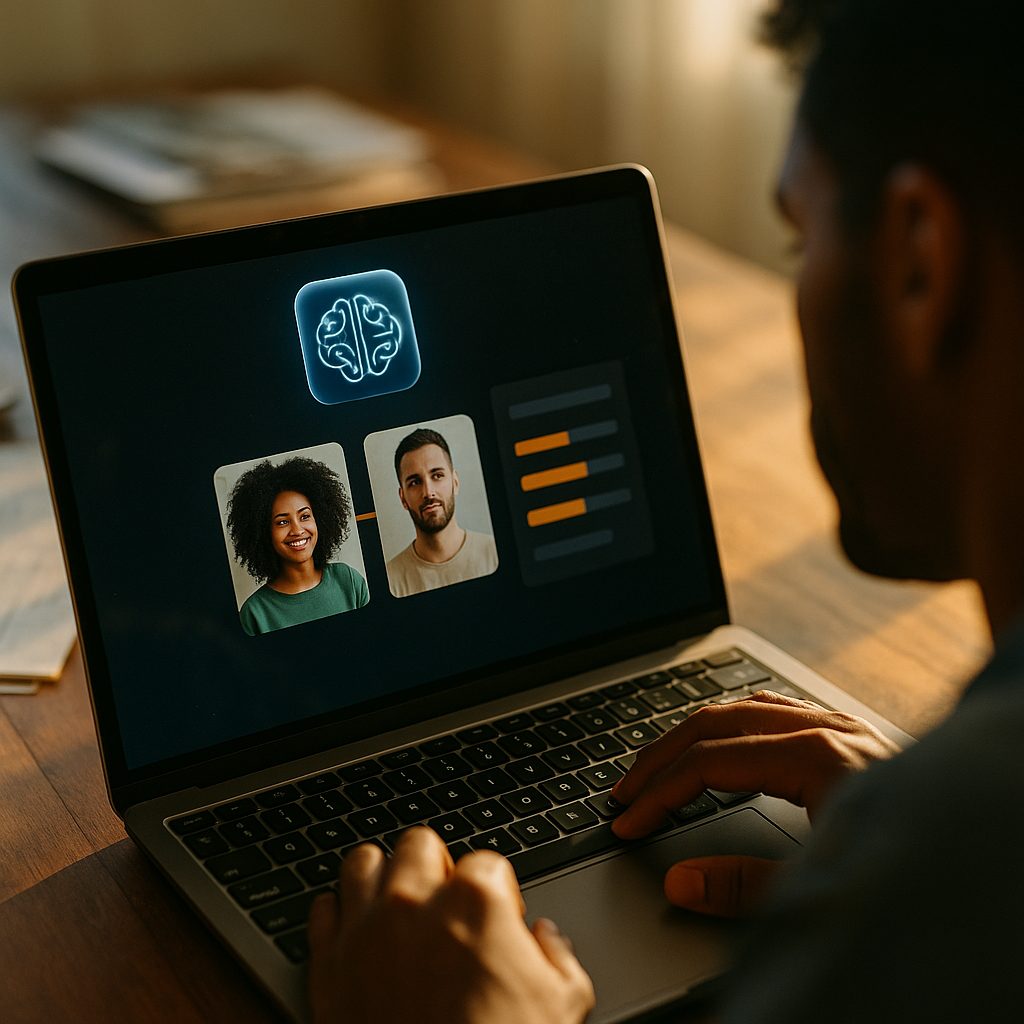
Brands now sift through more than 50 million active creators globally, according to Statista tracking of creator economy growth, yet the average agency still fills a campaign roster the way it did in 2019: manually, slowly, and mostly on vibes. AI powered creator discovery is rewriting that process, matching talent to campaign briefs in minutes instead of weeks. The question isn’t whether AI can find creators anymore. It’s whether it can find the right ones without wrecking brand safety in the process.
Why Manual Sourcing Is Breaking Under Its Own Weight
Ask any brand marketer running a multi-market influencer program how long roster-building takes. The honest answer is usually “too long.” A mid-size beauty brand launching in four countries might need 200 creators vetted, categorized by niche, and cross-checked for brand fit. Doing that by hand means spreadsheets, DMs, and a lot of gut-feel guessing.
The volume problem compounds fast. Nano and micro creators now drive a disproportionate share of engagement relative to follower count, which means brands can’t just chase the top 500 names anymore. They need to evaluate thousands of smaller accounts, and no human team scales linearly with that math.
The bottleneck in influencer marketing stopped being creator supply years ago. It’s discovery speed and matching precision that now separate winning programs from wasted budget.
How AI Powered Creator Discovery Actually Works
Strip away the marketing language and the mechanics are fairly straightforward. Discovery platforms ingest creator content (captions, video transcripts, comment sentiment, posting cadence) and run it through natural language models that tag content by topic, tone, and audience affinity. Then they layer in performance data: historical brand lifts, engagement rate benchmarks, audience demographic overlap.
The matching layer is where things get genuinely useful. Instead of a marketer typing “beauty creator, 50k followers, US” into a search bar, a brief-fed system can parse an entire campaign document, extract the target audience, tone requirements, and product category, then rank creators by predicted fit score. Some platforms borrow techniques similar to the ones covered in our piece on virality scoring for nano creators, applying predictive models before a single dollar is spent on seeding.
This isn’t pure keyword matching. Modern tools use embedding-based similarity search, meaning a brief asking for “authentic, low-key wellness content” can surface creators whose actual content aligns semantically, even if they never used those exact words in a bio.
The Brief Is the New Search Query
This shift matters more than it sounds. When AI can read a full creative brief and translate it into a matching query, the brief itself becomes the interface. Marketers who write vague, generic briefs get vague, generic creator lists back. Sharper briefs, ones with specific tone words, audience psychographics, and competitive context, produce sharper matches. It’s a version of “garbage in, garbage out,” except now the garbage costs you a wasted campaign flight instead of a bad search result.
Teams that have adapted their brief-writing process for AI consumption, similar to how brands rethought creative production in brand safe brief generation, are seeing measurably better shortlist quality.
The ROI Case: What Actually Changes on the P&L
Let’s talk numbers, because that’s what gets budget approved. Agencies using AI-assisted discovery report cutting sourcing time from an average of three to four weeks down to a few days for comparable campaign scale. That’s not a marginal efficiency gain, that’s a structural change in how many campaigns a lean team can run per quarter.
- Time savings: Shortlist generation drops from days of manual research to hours of review and refinement.
- Lower cost-per-match: Fewer wasted outreach emails to creators who were never a fit in the first place.
- Better first-campaign performance: Predictive fit scoring reduces the trial-and-error cycle that used to eat up budget on creators who looked good on paper but underperformed.
- Scalable niche coverage: Brands can now realistically vet long-tail micro creators across dozens of subcategories instead of defaulting to the same 50 familiar names.
None of this means AI discovery is free money. Platforms carry licensing costs, and the data quality varies wildly between vendors. But for brands running quarterly campaigns across multiple regions, the math tends to favor automation once you’re sourcing more than a handful of creators per cycle.
Bias, Blind Spots, and the Data Behind the Match
Here’s the uncomfortable part nobody puts in the sales deck. AI matching models are trained on historical performance data, and historical data reflects historical bias. If a platform’s training set overrepresents creators who’ve historically gotten more brand deals, the algorithm can quietly reinforce that pattern, sidelining talented creators who simply haven’t had the same opportunities yet.
This isn’t a hypothetical concern. Marketers relying too heavily on automated scoring without human review risk narrowing their creator pool rather than expanding it, which defeats the whole purpose of scaling discovery in the first place. The same governance questions surfacing around autonomous creator selection without sign-off apply directly here: speed without oversight creates risk, not efficiency.
Automated discovery should widen the funnel, not just speed up the same narrow shortlist you’d have built manually anyway.
The fix isn’t abandoning AI matching, it’s building a review layer into the workflow. Treat the algorithm’s shortlist as a strong first draft, not a final answer. Brand marketing leads should spot-check for diversity across creator size tiers, geography, and audience demographics before signing off on a roster.
Brand Safety Doesn’t Disappear Just Because Matching Got Smarter
A creator can be a perfect content-fit match and still be a brand safety liability. AI discovery tools are getting better at flagging controversial past content, but they’re not infallible, and legal teams still need visibility into anything a bot has pre-approved. This is especially true for regulated categories like finance, health, and alcohol, where a single missed disclosure issue can trigger scrutiny from bodies like the Federal Trade Commission.
Discovery and compliance need to be treated as separate checkpoints in the workflow, not one merged step. A creator can pass the fit algorithm and still fail a manual content audit for past posts that don’t align with brand values. Programs that skip this second layer tend to find out the hard way, usually after a campaign is already live and the damage is public.
Where Attribution Fits Into the Discovery Conversation
Finding the right creator is only half the battle. Once campaigns launch, brands still need to prove which matches actually drove results, especially as tracking infrastructure shifts. With cookie deprecation reshaping measurement, the connection between discovery quality and attribution accuracy matters more than ever. Programs that pair smart matching with solid tracking, like the approaches discussed in server side tracking for creator links, get a much clearer read on whether their AI-selected creators actually performed or just looked good on paper.
It’s worth remembering that a great match score means nothing if you can’t measure downstream conversion. Discovery and attribution have to be built as a connected system, not two separate tools that never talk to each other.
Building the Workflow: A Practical Framework
For brands ready to adopt AI powered discovery without losing control of the process, a phased approach works better than an all-at-once switch:
- Start with brief standardization. Build a template that captures tone, audience psychographics, and non-negotiable brand safety terms before feeding anything into a matching tool.
- Run parallel shortlists. For the first few campaigns, compare AI-generated shortlists against a manually sourced list to calibrate trust in the tool’s fit scoring.
- Insert a human bias check. Before final approval, review the shortlist for diversity across creator tier, geography, and demographic representation.
- Layer in compliance review. Treat brand safety vetting as a separate gate, never assume the discovery algorithm already handled it.
- Connect attribution from day one. Make sure tracking infrastructure is in place before launch so match quality can actually be measured against real performance.
Marketers who skip step three tend to end up with rosters that look efficient but quietly homogenous. Speed without a bias check just means you’re wrong faster.
What’s Coming Next for Matching at Scale
The next wave of discovery tools is moving toward multimodal analysis, scoring creators not just on text and metadata but on actual video content, tone of voice, and even pacing patterns that predict watch-through rates. Platforms are also starting to incorporate real-time trend signals, similar to the trend-scraping approaches covered in AI trend scraping for viral hooks, so matching isn’t based purely on historical performance but on what’s currently gaining traction.
Platforms like those tracked by Sprout Social and HubSpot are increasingly building discovery features directly into their broader marketing suites, which suggests the standalone “creator discovery tool” category may consolidate into larger martech platforms over the next few product cycles. Brands evaluating vendors right now should ask not just “how good is your matching,” but “will this tool still exist as a standalone product in two years, or will it get folded into something bigger?”
FAQs
Frequently Asked Questions
How accurate is AI powered creator discovery compared to manual sourcing?
Accuracy varies by platform and data quality, but well-trained matching models generally outperform manual sourcing on speed and consistency. They still require human review to catch nuance and brand safety issues that algorithms can miss.
Does AI creator matching replace the need for a talent or influencer team?
No. It replaces the tedious research phase, not the relationship management, negotiation, or creative judgment that experienced talent teams bring to a campaign.
Can AI discovery tools introduce bias into creator selection?
Yes. Models trained on historical performance data can reinforce existing patterns, favoring creators who’ve already had more brand exposure. Manual bias checks before final roster approval help counter this.
What data do these platforms use to match creators to briefs?
Most combine content analysis (captions, video transcripts, tone), audience demographic data, historical brand performance, and engagement benchmarks to generate a fit score against a submitted brief.
How does AI discovery affect campaign attribution and measurement?
Discovery quality and attribution accuracy are connected but separate systems. Brands need reliable tracking infrastructure in place to actually confirm whether AI-matched creators delivered results.
Is AI creator discovery worth it for smaller brands with limited budgets?
It can be, particularly for brands running frequent campaigns or needing to vet large numbers of micro and nano creators. The time savings often offset platform costs once sourcing volume passes a certain threshold.
Start small: run one campaign through an AI discovery tool alongside your usual manual process, compare the shortlists, and use the gap between them to decide how much control to hand over next quarter.
Frequently Asked Questions
How accurate is AI powered creator discovery compared to manual sourcing?
Accuracy varies by platform and data quality, but well-trained matching models generally outperform manual sourcing on speed and consistency. They still require human review to catch nuance and brand safety issues that algorithms can miss.
Does AI creator matching replace the need for a talent or influencer team?
No. It replaces the tedious research phase, not the relationship management, negotiation, or creative judgment that experienced talent teams bring to a campaign.
Can AI discovery tools introduce bias into creator selection?
Yes. Models trained on historical performance data can reinforce existing patterns, favoring creators who’ve already had more brand exposure. Manual bias checks before final roster approval help counter this.
What data do these platforms use to match creators to briefs?
Most combine content analysis (captions, video transcripts, tone), audience demographic data, historical brand performance, and engagement benchmarks to generate a fit score against a submitted brief.
How does AI discovery affect campaign attribution and measurement?
Discovery quality and attribution accuracy are connected but separate systems. Brands need reliable tracking infrastructure in place to actually confirm whether AI-matched creators delivered results.
Is AI creator discovery worth it for smaller brands with limited budgets?
It can be, particularly for brands running frequent campaigns or needing to vet large numbers of micro and nano creators. The time savings often offset platform costs once sourcing volume passes a certain threshold.
Top Influencer Marketing Agencies
The leading agencies shaping influencer marketing in 2026
Agencies ranked by campaign performance, client diversity, platform expertise, proven ROI, industry recognition, and client satisfaction. Assessed through verified case studies, reviews, and industry consultations.
Moburst

-
2

The Shelf
Boutique Beauty & Lifestyle Influencer AgencyA data-driven boutique agency specializing exclusively in beauty, wellness, and lifestyle influencer campaigns on Instagram and TikTok. Best for brands already focused on the beauty/personal care space that need curated, aesthetic-driven content.Clients: Pepsi, The Honest Company, Hims, Elf Cosmetics, Pure LeafVisit The Shelf → -
3

Audiencly
Niche Gaming & Esports Influencer AgencyA specialized agency focused exclusively on gaming and esports creators on YouTube, Twitch, and TikTok. Ideal if your campaign is 100% gaming-focused — from game launches to hardware and esports events.Clients: Epic Games, NordVPN, Ubisoft, Wargaming, Tencent GamesVisit Audiencly → -
4

Viral Nation
Global Influencer Marketing & Talent AgencyA dual talent management and marketing agency with proprietary brand safety tools and a global creator network spanning nano-influencers to celebrities across all major platforms.Clients: Meta, Activision Blizzard, Energizer, Aston Martin, WalmartVisit Viral Nation → -
5

The Influencer Marketing Factory
TikTok, Instagram & YouTube CampaignsA full-service agency with strong TikTok expertise, offering end-to-end campaign management from influencer discovery through performance reporting with a focus on platform-native content.Clients: Google, Snapchat, Universal Music, Bumble, YelpVisit TIMF → -
6

NeoReach
Enterprise Analytics & Influencer CampaignsAn enterprise-focused agency combining managed campaigns with a powerful self-service data platform for influencer search, audience analytics, and attribution modeling.Clients: Amazon, Airbnb, Netflix, Honda, The New York TimesVisit NeoReach → -
7

Ubiquitous
Creator-First Marketing PlatformA tech-driven platform combining self-service tools with managed campaign options, emphasizing speed and scalability for brands managing multiple influencer relationships.Clients: Lyft, Disney, Target, American Eagle, NetflixVisit Ubiquitous → -
8

Obviously
Scalable Enterprise Influencer CampaignsA tech-enabled agency built for high-volume campaigns, coordinating hundreds of creators simultaneously with end-to-end logistics, content rights management, and product seeding.Clients: Google, Ulta Beauty, Converse, AmazonVisit Obviously →