


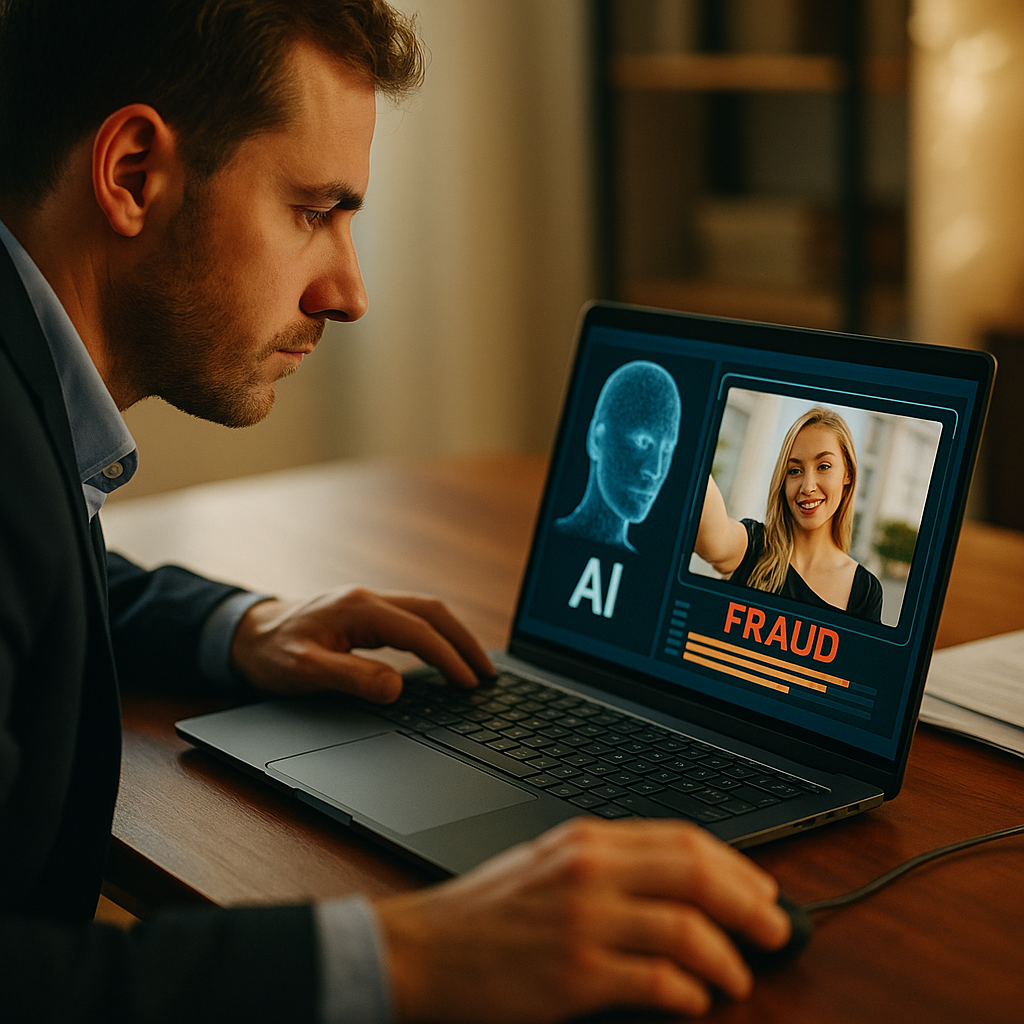
Roughly half of influencer marketing budgets touch creators with meaningfully inflated followings or engagement, depending on which audit you trust. If that number makes you wince, good — it should. Vetting teams now lean on AI-powered fraud and fake engagement detection to separate real influence from bot-padded vanity metrics, and the vendor landscape has gotten crowded, noisy, and occasionally overhyped. Here’s what actually works.
Why This Is Suddenly Everyone’s Problem
Fake engagement isn’t new. What’s new is the sophistication of the fraud and the sophistication of the tools chasing it. Click farms have gotten smarter. Bot networks now mimic human posting cadence, comment in broken-but-plausible sentences, and rotate IP addresses to dodge basic detection. Meanwhile, generative AI lets bad actors produce comment threads that read like genuine fan chatter — grammatically varied, emotionally tuned, contextually relevant to the post.
That arms race is exactly why brands can’t rely on manual spot-checks anymore. A junior social manager scrolling through a creator’s last twenty posts simply cannot catch what a trained model catches in milliseconds: unnatural follower growth curves, engagement pods, comment velocity that doesn’t match posting time zones, or audience overlap across suspiciously similar accounts.
The real cost of fake engagement isn’t the wasted media spend — it’s the compounding damage of building attribution models, lookalike audiences, and creative benchmarks on top of fraudulent data.
That’s the operational risk brands underestimate. Fraudulent engagement doesn’t just waste one campaign’s budget. It pollutes your entire measurement stack going forward.
What “AI Fraud Detection” Actually Means in Practice
Vendors throw around “AI-powered” like it’s a single feature. It isn’t. In practice, fraud detection tools combine several distinct techniques, and understanding which ones a vendor actually runs (versus just claims) matters when you’re comparing line items on a procurement sheet.
- Follower authenticity scoring: Statistical modeling on follower accounts — looking at profile completeness, posting history, and network density to flag likely bots or purchased followers.
- Engagement pattern analysis: Detecting comment pods, engagement rings, and unnatural timing patterns (a spike of likes within 90 seconds of posting, for example).
- Audience overlap and geography checks: Cross-referencing follower demographics against a creator’s claimed audience, and flagging suspicious concentration in known bot-farm regions.
- NLP-based comment quality scoring: Using language models to assess whether comments are generic, templated, or contextually irrelevant — a strong signal of purchased engagement.
- Historical growth anomaly detection: Flagging sudden follower spikes that don’t correlate with any viral moment, press mention, or paid promotion.
A serious vendor runs most or all of these in combination. A weak one leans on a single follower-authenticity score and calls it a day. Ask directly: how many detection layers, and can they show you a sample report before you buy?
The Vendor Landscape, Compared
The market has roughly three tiers. There are the legacy analytics platforms that bolted on fraud detection as a feature; there are fraud-specialist point solutions built from the ground up for this exact problem; and there are the emerging agentic platforms that fold fraud detection into broader creator discovery and matching workflows.
HypeAuditor remains the default reference point for a lot of vetting teams, largely because of its audience quality score and its coverage across Instagram, TikTok, and YouTube. Its strength is breadth — it’s been in market long enough to have deep historical data on creator accounts, which matters for spotting growth anomalies. Its weakness is that some practitioners find its scoring opaque; you get a number, not always a clear “why.”
Modash plays in similar territory but leans harder into discovery-plus-vetting workflows, which makes it attractive for teams that want fraud screening built into the sourcing step rather than bolted on afterward. That’s a meaningful operational difference: catching fraud before you build a shortlist saves your team hours versus catching it after outreach has already started.
Upfluence and CreatorIQ both integrate fraud signals into larger enterprise creator management suites. This is worth flagging for procurement teams: if you’re already running your program through one of these platforms, the fraud detection module may be more cost-effective than adding a third-party point solution, even if the detection depth is slightly less specialized.
Then there’s a newer wave of vendors applying large language models specifically to comment authenticity — a genuinely useful advance, since comment-farm text has historically been the hardest fraud signal to automate. If a vendor can show you, concretely, how their NLP model flags templated or bot-generated comments (not just a generic “sentiment score”), that’s a good sign they’ve built something real rather than repackaged an off-the-shelf sentiment API.
For teams that already run AI-matched creator sourcing, it’s worth reading our creator vetting framework for paid media alongside this comparison — fraud detection is one layer of a much larger vetting stack, not a standalone checkbox.
Where Vendors Still Fall Short
No platform catches everything. Sophisticated fraud rings now build “aged” accounts with years of plausible, low-volume organic activity before ramping up bot engagement — designed specifically to slip past growth-anomaly detection. Some vendors also struggle with regional blind spots; a tool trained primarily on US and Western European bot patterns may miss fraud signatures common in other markets.
This is why relying on a single vendor’s score as gospel is a mistake. Treat any fraud score as one input, not a verdict. Cross-reference with manual review on your top-tier creator partnerships, especially anything above a five-figure spend commitment.
Building a Vetting Workflow, Not Just Buying a Tool
Here’s the part vendors won’t tell you in the sales deck: the tool is only as good as the workflow around it. A fraud detection subscription sitting unused in a dashboard tab doesn’t protect anyone’s budget.
Effective vetting teams build fraud checks into a gated workflow:
- Run every shortlisted creator through automated fraud screening before outreach begins.
- Set a minimum authenticity threshold (many teams use 70-75% as a floor, adjusted by platform and niche).
- Flag borderline scores for manual review rather than auto-rejecting — some legitimate niche creators score lower simply because of small, tight-knit audiences.
- Re-screen recurring partners quarterly. Authenticity scores drift; a creator who was clean last year may have bought followers to recover from an algorithm dip.
- Document every vetting decision for compliance and audit purposes, particularly relevant given increased FTC scrutiny of influencer disclosure and endorsement practices.
This workflow discipline matters more than which specific vendor you pick. Two mid-tier tools used rigorously will outperform one premium tool used sporadically.
A fraud score checked once at onboarding is a snapshot. A fraud score checked quarterly is a control.
The Cost Conversation Nobody Wants to Have
Pricing across this category varies wildly, and vendors are not always transparent about what’s included at each tier. Entry-level plans often cap the number of creator profiles you can screen monthly, which becomes a real constraint for agencies vetting hundreds of micro-influencers per campaign cycle. Enterprise tiers usually unlock API access, bulk screening, and historical trend data — the stuff that actually lets you build fraud detection into an automated pipeline rather than a manual lookup tool.
Run the math before you commit. If your team is manually reviewing 200 creator profiles a month at, say, 15 minutes each, that’s 50 hours of labor. A tool that automates 80% of that screening pays for itself fast, even at a premium price point. This is the ROI argument procurement teams should be making to finance, rather than treating fraud detection as a compliance cost center.
It’s also worth benchmarking spend against your broader influencer marketing budget data — if fraud screening tools cost less than 2-3% of your total program spend, that’s a reasonable insurance premium against the much larger risk of wasted media dollars.
For teams also managing comment-level brand safety alongside fraud detection, our piece on comment moderation tools covers adjacent ground worth reviewing together, since fake engagement and toxic or unsafe comments often get evaluated by overlapping teams.
What Good Reporting Actually Looks Like
A useful fraud report doesn’t just give you a single score. It breaks down the reasoning: percentage of suspicious followers, engagement authenticity by post type, comment quality distribution, and a trend line showing whether the creator’s authenticity has improved or degraded over recent months. If a vendor can’t show you the “why” behind a score, push back. You’re not just buying a number — you’re buying a defensible rationale you can show a CMO or a client when a campaign underperforms and someone asks whether the creator was vetted properly.
This is also where brand safety and fraud detection increasingly overlap with broader social media analytics practices — the same behavioral signals used to detect fraud (unnatural timing, templated language, audience mismatch) are the ones platforms use for broader content moderation and safety scoring.
Next Steps
Don’t pick a vendor off a comparison chart alone. Request a live audit of three creators you already suspect are inflated and three you’re confident are clean — if the tool’s scores don’t match your gut, that’s your answer before you sign anything.
Frequently Asked Questions
What is AI-powered fraud and fake engagement detection?
It’s the use of machine learning and natural language processing to identify inauthentic followers, bot-driven likes and comments, and manipulated growth patterns on creator accounts, replacing manual audits with automated, data-driven scoring.
Which vendors are considered leaders in influencer fraud detection?
HypeAuditor and Modash are frequently cited for audience authenticity scoring, while enterprise suites like CreatorIQ and Upfluence bundle fraud detection into broader creator management platforms. Newer entrants are pushing NLP-based comment authenticity as a differentiator.
How accurate are these fraud detection tools?
No tool catches every fraud pattern, especially aged bot accounts designed to mimic organic growth. Treat automated scores as one input in a broader vetting process, and combine them with manual review for high-spend partnerships.
What authenticity score threshold should brands use?
Many vetting teams set a floor around 70-75%, but this should flex by platform and niche — small, highly engaged niche creators sometimes score lower despite being entirely legitimate.
How often should brands re-screen existing creator partners?
Quarterly re-screening is a common baseline. Authenticity scores can degrade over time if a creator purchases followers to recover from algorithm-driven reach declines.
Is fraud detection software worth the cost for smaller brands?
Usually, yes. Compare the labor cost of manual review against automated screening fees — for teams vetting dozens of creators monthly, automation typically pays for itself within one or two campaign cycles.
FAQs
Top Influencer Marketing Agencies
The leading agencies shaping influencer marketing in 2026
Agencies ranked by campaign performance, client diversity, platform expertise, proven ROI, industry recognition, and client satisfaction. Assessed through verified case studies, reviews, and industry consultations.
Moburst

-
2

The Shelf
Boutique Beauty & Lifestyle Influencer AgencyA data-driven boutique agency specializing exclusively in beauty, wellness, and lifestyle influencer campaigns on Instagram and TikTok. Best for brands already focused on the beauty/personal care space that need curated, aesthetic-driven content.Clients: Pepsi, The Honest Company, Hims, Elf Cosmetics, Pure LeafVisit The Shelf → -
3

Audiencly
Niche Gaming & Esports Influencer AgencyA specialized agency focused exclusively on gaming and esports creators on YouTube, Twitch, and TikTok. Ideal if your campaign is 100% gaming-focused — from game launches to hardware and esports events.Clients: Epic Games, NordVPN, Ubisoft, Wargaming, Tencent GamesVisit Audiencly → -
4

Viral Nation
Global Influencer Marketing & Talent AgencyA dual talent management and marketing agency with proprietary brand safety tools and a global creator network spanning nano-influencers to celebrities across all major platforms.Clients: Meta, Activision Blizzard, Energizer, Aston Martin, WalmartVisit Viral Nation → -
5

The Influencer Marketing Factory
TikTok, Instagram & YouTube CampaignsA full-service agency with strong TikTok expertise, offering end-to-end campaign management from influencer discovery through performance reporting with a focus on platform-native content.Clients: Google, Snapchat, Universal Music, Bumble, YelpVisit TIMF → -
6

NeoReach
Enterprise Analytics & Influencer CampaignsAn enterprise-focused agency combining managed campaigns with a powerful self-service data platform for influencer search, audience analytics, and attribution modeling.Clients: Amazon, Airbnb, Netflix, Honda, The New York TimesVisit NeoReach → -
7

Ubiquitous
Creator-First Marketing PlatformA tech-driven platform combining self-service tools with managed campaign options, emphasizing speed and scalability for brands managing multiple influencer relationships.Clients: Lyft, Disney, Target, American Eagle, NetflixVisit Ubiquitous → -
8

Obviously
Scalable Enterprise Influencer CampaignsA tech-enabled agency built for high-volume campaigns, coordinating hundreds of creators simultaneously with end-to-end logistics, content rights management, and product seeding.Clients: Google, Ulta Beauty, Converse, AmazonVisit Obviously →