


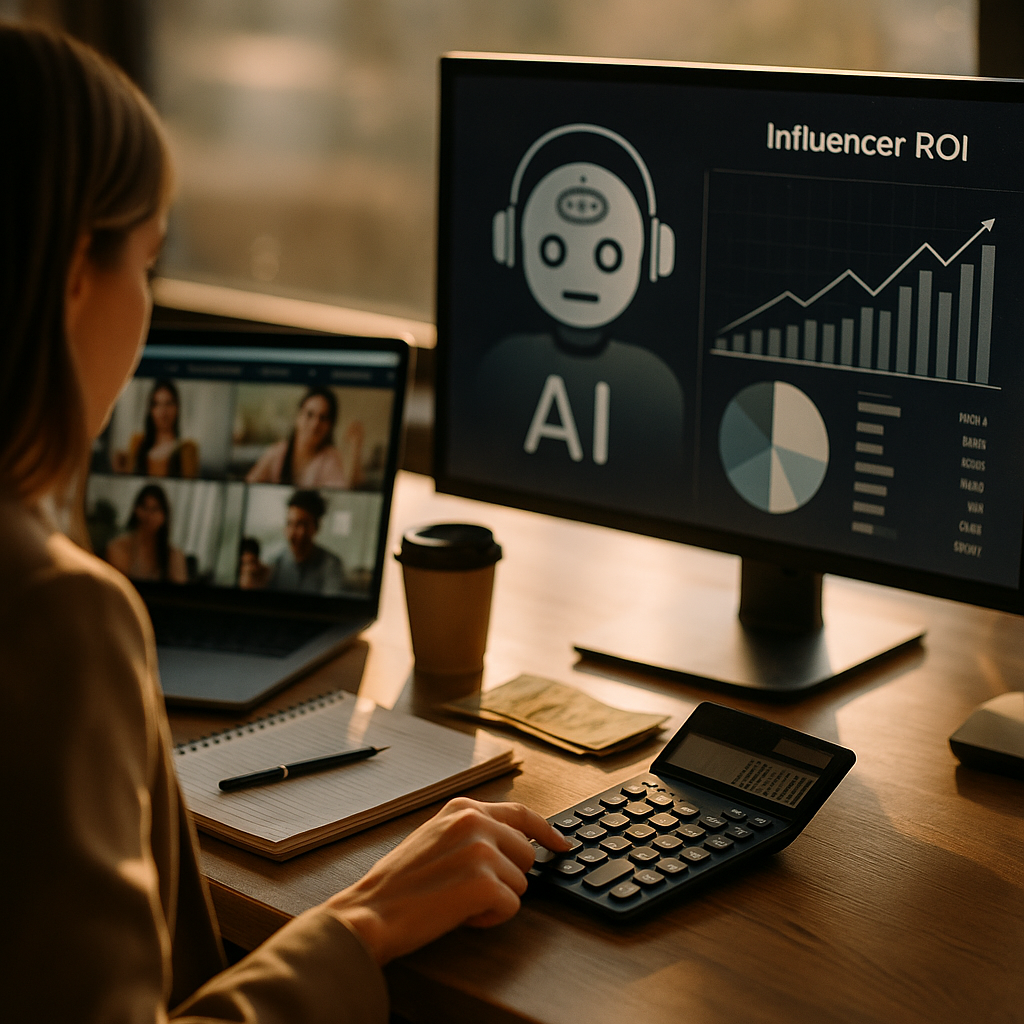
Mastering influencer campaigns requires smart spending. Today, brands leverage the power of AI to optimize influencer budget allocation and maximize ROI. By harnessing data, AI brings clarity to a once-guesswork process. Discover how this cutting-edge technology transforms influencer budget allocation—and why your next campaign depends on it.
Understanding Influencer Budget Allocation in 2025
At its core, influencer budget allocation means determining how much to spend on each influencer, platform, and type of campaign. Previously, marketers relied on gut feeling and surface-level metrics. In 2025, the landscape is different. AI-driven analytics track real-time engagement, audience authenticity, and conversion rates across platforms, empowering brands to allocate budgets more efficiently and transparently than ever before.
Depending on goals, brands may run data-backed micro-influencer campaigns for niche reach or invest in macro-influencers for wider exposure. Either approach benefits when supported by the precise analysis AI provides. By understanding this evolved landscape, marketers can prioritize budgeting toward creators who drive measurable value.
How AI Enhances Influencer ROI Analysis
Maximizing return on investment (ROI) in influencer marketing is now more accurate thanks to AI. Algorithms factor in hundreds of variables, including audience demographics, psychographics, historical influencer performance, and current market trends. This complex data is distilled into actionable recommendations that reveal which influencer partnerships are worth their cost.
For example:
- Predictive Modelling: AI predicts potential campaign outcomes based on previous data, minimizing financial risks.
- Sentiment Analysis: By analyzing comments and mentions, AI estimates audience trust and engagement quality.
- Real-Time Adjustments: Budgets can shift dynamically as campaigns run, aligning spend with what’s actually performing.
This granular insight ensures every dollar works harder, reducing inefficient spending and boosting campaign effectiveness.
Data-Driven Influencer Selection: The Role of AI
Identifying the right creators is as critical as deciding how much to spend. AI-powered platforms evaluate influencers beyond vanity metrics like follower counts. They consider criteria such as:
- Audience Authenticity: Detects follower quality and potential fake engagement, ensuring genuine reach.
- Alignment with Brand Values: Natural language processing analyzes influencer content to assess alignment with brand identity.
- Engagement Patterns: Examines not just averages but consistency and types of engagement over time.
With these insights, marketers allocate budgets to creators with proven ability to sway their target audience, resulting in higher trust and conversion rates.
Optimizing Multi-Platform Influencer Spending with AI
In 2025, influencer marketing is rarely limited to a single channel. Brands need to manage campaigns across Instagram, TikTok, YouTube, and emerging platforms. AI tools track results on each platform, analyzing which networks deliver the highest ROI for each campaign type, audience, and product.
For instance, studies in 2025 show TikTok outperforming other channels in Gen Z engagement, while YouTube remains strong for long-form product reviews. AI automatically reallocates budget mid-campaign, shifting spend where data proves the highest impact. This flexibility is impossible for manual teams to replicate at scale.
Reducing Waste and Ensuring Compliance Through AI Monitoring
Influencer budget waste often comes from overpayment, under-delivery, or unvetted influencers. AI overcomes these challenges by:
- Continuous Monitoring: Detects contract fulfillment and on-time delivery of influencer posts.
- Regulation Compliance: AI scans posts for FTC-mandated disclosures, protecting against costly legal errors.
- Benchmarking Fair Pricing: AI compares rates and negotiates using market data, ensuring brands don’t overpay.
This level of oversight builds brand reputation, minimizes risk, and delivers more impact for every marketing dollar.
Success Metrics and Continuous Learning: The AI Advantage
AI-powered platforms are continually learning. After every campaign, systems ingest performance data to refine future recommendations and budget strategies. Key success metrics tracked include cost-per-acquisition (CPA), lifetime value (LTV) from influencer-sourced customers, and long-term shifts in brand sentiment.
This ongoing optimization has a compounding effect. Brands using AI for influencer budget allocation report efficiencies up to 35% higher than those relying on manual methods. The more AI is used, the more it learns—which delivers consistent gains over time.
AI’s impact on influencer budget allocation in 2025 is transformative. Brands that embrace data-driven strategies experience higher ROI, less risk, and smarter spending. Now is the time to leverage AI—and start making every influencer marketing dollar count.
FAQs: AI and Influencer Budget Allocation
-
How does AI actually determine influencer budget allocation?
AI analyzes campaign goals, audience data, historical performance, and real-time results to recommend optimal spend for each influencer and platform. It dynamically adjusts budgets to maximize ROI throughout a campaign.
-
Will AI replace human input in influencer marketing decisions?
No. AI empowers marketers with data and recommendations, but human expertise is essential for creative direction, relationship management, and interpreting nuanced brand values.
-
What tools are available for AI-driven influencer budget allocation?
Leading platforms in 2025 offer built-in AI modules, integrating machine learning, predictive analytics, and account benchmarking. Choose a solution that aligns with your campaign scale and brand objectives.
-
Is AI-based influencer budget allocation suitable for small businesses?
Yes. AI tools are now accessible to businesses of all sizes, helping small brands allocate limited budgets for maximum return and compete with larger players.
-
Can AI ensure compliance with regulations in influencer campaigns?
AI can monitor influencer content for required disclosures and consistent messaging, helping brands avoid costly compliance issues and protect reputation.
Top Influencer Marketing Agencies
The leading agencies shaping influencer marketing in 2026
Agencies ranked by campaign performance, client diversity, platform expertise, proven ROI, industry recognition, and client satisfaction. Assessed through verified case studies, reviews, and industry consultations.
Moburst

-
2

The Shelf
Boutique Beauty & Lifestyle Influencer AgencyA data-driven boutique agency specializing exclusively in beauty, wellness, and lifestyle influencer campaigns on Instagram and TikTok. Best for brands already focused on the beauty/personal care space that need curated, aesthetic-driven content.Clients: Pepsi, The Honest Company, Hims, Elf Cosmetics, Pure LeafVisit The Shelf → -
3

Audiencly
Niche Gaming & Esports Influencer AgencyA specialized agency focused exclusively on gaming and esports creators on YouTube, Twitch, and TikTok. Ideal if your campaign is 100% gaming-focused — from game launches to hardware and esports events.Clients: Epic Games, NordVPN, Ubisoft, Wargaming, Tencent GamesVisit Audiencly → -
4

Viral Nation
Global Influencer Marketing & Talent AgencyA dual talent management and marketing agency with proprietary brand safety tools and a global creator network spanning nano-influencers to celebrities across all major platforms.Clients: Meta, Activision Blizzard, Energizer, Aston Martin, WalmartVisit Viral Nation → -
5

The Influencer Marketing Factory
TikTok, Instagram & YouTube CampaignsA full-service agency with strong TikTok expertise, offering end-to-end campaign management from influencer discovery through performance reporting with a focus on platform-native content.Clients: Google, Snapchat, Universal Music, Bumble, YelpVisit TIMF → -
6

NeoReach
Enterprise Analytics & Influencer CampaignsAn enterprise-focused agency combining managed campaigns with a powerful self-service data platform for influencer search, audience analytics, and attribution modeling.Clients: Amazon, Airbnb, Netflix, Honda, The New York TimesVisit NeoReach → -
7

Ubiquitous
Creator-First Marketing PlatformA tech-driven platform combining self-service tools with managed campaign options, emphasizing speed and scalability for brands managing multiple influencer relationships.Clients: Lyft, Disney, Target, American Eagle, NetflixVisit Ubiquitous → -
8

Obviously
Scalable Enterprise Influencer CampaignsA tech-enabled agency built for high-volume campaigns, coordinating hundreds of creators simultaneously with end-to-end logistics, content rights management, and product seeding.Clients: Google, Ulta Beauty, Converse, AmazonVisit Obviously →