


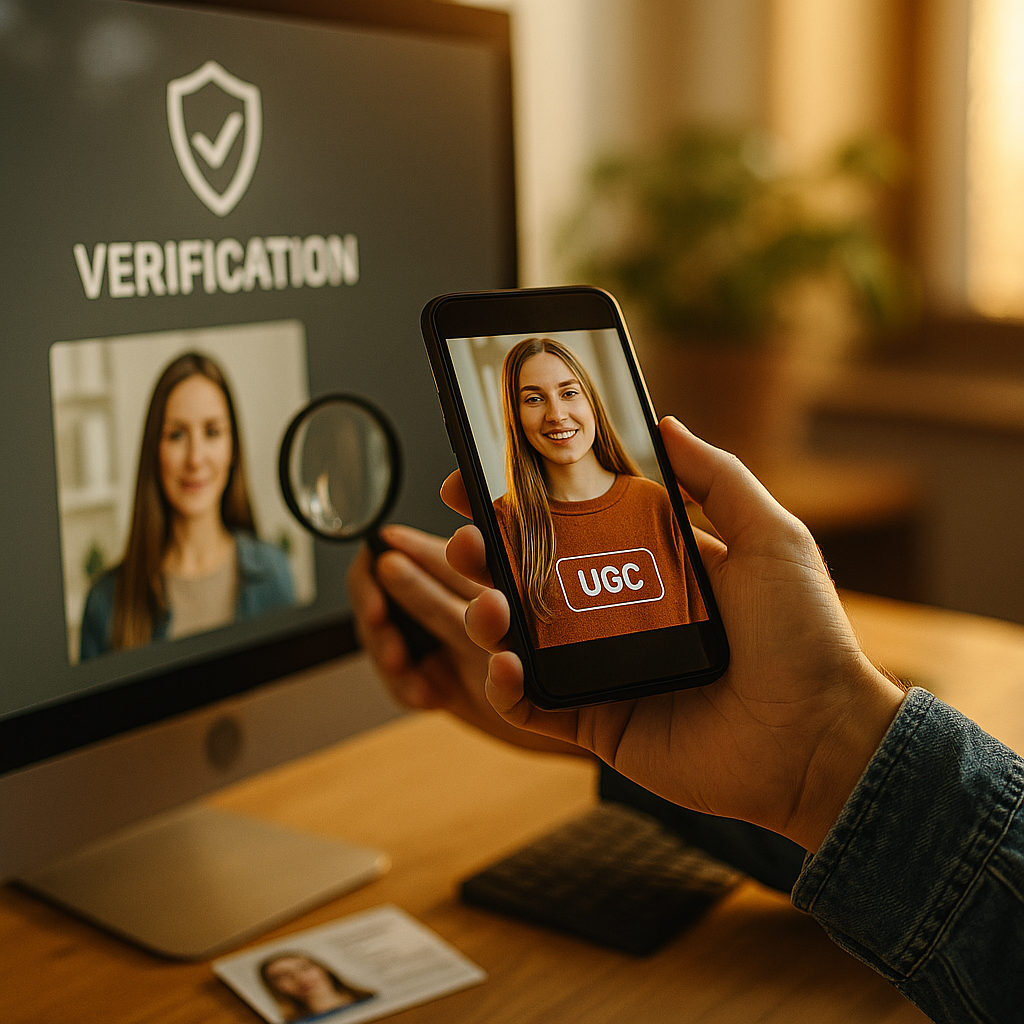
The evolution of UGC standards in 2025 is reshaping how brands, creators, and platforms engage with user-generated content. As new technologies surface and audiences demand greater authenticity, the rules of content creation, moderation, and verification have changed dramatically. Explore what these new UGC standards mean for digital trust, reach, and creative potential today.
Understanding UGC Quality Guidelines in 2025
In 2025, user-generated content (UGC) must meet significantly higher quality guidelines than ever before. Brands, content platforms, and social communities now require that UGC demonstrate informational accuracy, clear attribution, and truthful representation. Machine learning-powered moderation tools automatically flag or remove content that does not comply with these standards, while human moderators supervise high-stakes or nuanced cases.
Authenticity remains paramount: audiences expect transparent disclosure of sponsored content and proper labeling of AI-enhanced or AI-generated material. Platforms like TikTok and Instagram have implemented watermarking for AI-augmented UGC, and creators must clearly cite data sources or visual references. As a result, trust between creator and consumer has strengthened, minimizing the risk of misleading content and boosting user satisfaction.
UGC Moderation: New Tools and Best Practices
With the surge in UGC volume, platforms in 2025 deploy robust moderation technologies backed by artificial intelligence and user-reporting systems. Automated AI filters swiftly detect and act on harmful, misleading, or infringing content. For example, YouTube’s hybrid moderation model combines machine detection with expert human oversight for disputed cases.
- Real-time evaluation: Efficient moderation engines process vast content pools in seconds, improving the speed and precision of takedown requests.
- Contextual decision-making: AI is now able to consider context, cultural nuances, and intent, reducing false positives and enabling fairer community standards.
- Creator collaboration: Platforms routinely notify creators about flagged content and offer actionable feedback, helping them understand and adapt to standards proactively.
This sophisticated moderation not only improves safety but maintains the creative spirit of communities by encouraging responsible expression and learning.
Brand Safety and UGC Verification Methods
Brand safety concerns have pushed companies to demand rigorous UGC verification. In 2025, verification protocols verify the origin, accuracy, and intent behind most user-generated content. Methods include digital watermarking, chain-of-custody metadata, and authenticated IDs for uploaders.
Recent data from the 2025 Brand-Platform Trust Index reveals that 72% of brands only amplify or license UGC that passes advanced multi-factor authentication processes. These measures shield brands from the reputational risks of associating with low-quality, plagiarized, or harmful material. Additionally, verification builds audience trust by displaying “verified” badges on credible content, boosting engagement and reach.
For creators, the process has become streamlined, often requiring a one-time identity and integrity check followed by regular spot-verification. This balance secures the ecosystem while supporting genuine voices.
The Rise of AI-Generated and AI-Curated UGC
Artificial intelligence plays a dual role in the UGC landscape of 2025: as both a creative collaborator and a moderator. Platforms now encourage AI-generated UGC for ideas, content drafts, and personalized experiences, provided creators disclose the degree of AI involvement. Notably, captions like “Co-created with AI” are now mandatory on major social networks.
At the same time, AI-curated feeds elevate the best community creations based on new metrics, such as engagement quality and content depth rather than just popularity. This shift rewards informative, innovative, or entertaining user posts, irrespective of creator size or follower count.
- AI flags and suppresses unoriginal, repetitive, or clickbait material, raising overall content value.
- UGC ranking algorithms now weigh long-term trust signals and creator reliability more heavily.
- AI-curated collections drive discovery, democratizing viral success beyond traditional influencers.
These innovations make UGC ecosystems richer, more personalized, and safer for all participants.
Legal and Ethical Frameworks Guiding UGC Standards
The evolution of UGC standards in 2025 is underpinned by stricter legal and ethical frameworks. Global digital content regulations now mandate platforms to remove illegal or harmful UGC within set timeframes. Transparent content appeals processes are a compliance necessity, as are published guidelines for AI use in content creation.
Creators must follow ethical guidelines on consent, privacy, and the responsible use of generative AI. For instance, deepfake disclosures are compulsory, and synthetic media depicting real individuals always require opt-in consent. Non-compliance can lead to de-amplification, account suspension, or legal liability.
These frameworks encourage fairness and accountability while empowering users with clearer expectations and recourse. Platforms that invest in ongoing EEAT training and resources for creators maintain healthier, more resilient content communities.
Opportunities and Challenges in the Future of UGC
The new wave of UGC standards brings vast opportunities for brand and creator growth, as well as challenges requiring ongoing adaptation. Verified, high-quality user contributions reach wider audiences, attract brand sponsorships, and improve online discourse. Advanced analytics tools help creators track compliance, refine voice, and maximize their impact.
However, the bar for entry has risen. Smaller creators must invest more time in learning platform rules, ethical guidelines, and AI-supported production tools. Additionally, navigating complex legal standards across multiple regions can be resource-intensive for brands expanding globally.
Ultimately, those who adapt quickly to evolving UGC standards in 2025 enjoy greater audience loyalty, innovative collaborations, and strong reputational benefits.
Frequently Asked Questions
- What are UGC standards in 2025?
UGC standards in 2025 refer to the rules, quality guidelines, and legal requirements governing user-generated content on digital platforms to ensure authenticity, safety, and compliance. - How are brands ensuring UGC verification?
Brands rely on advanced digital watermarking, multi-factor authentication, and AI-powered moderation tools to verify the origin and accuracy of user-generated content. - Can AI-generated content be trusted?
Yes, provided it is properly disclosed and undergoes platform verification processes. Verified AI-generated content fulfills accuracy, ethical, and transparency standards. - What role do legal frameworks play in UGC standards?
Legal frameworks require platforms to remove illegal or harmful UGC, enforce disclosure of AI involvement, and protect user privacy and consent, creating a secure environment for brands and users. - What challenges do new UGC standards create?
New standards demand higher content quality and compliance, which can be resource-intensive for small creators, and require continuous learning to stay up to date.
The evolution of UGC standards in 2025 marks a pivotal period of increased trust, verified quality, and creative growth. For brands and creators alike, adapting to these enhanced standards is vital for digital success, audience loyalty, and long-term sustainability in a rapidly changing content landscape.
Top Influencer Marketing Agencies
The leading agencies shaping influencer marketing in 2026
Agencies ranked by campaign performance, client diversity, platform expertise, proven ROI, industry recognition, and client satisfaction. Assessed through verified case studies, reviews, and industry consultations.
Moburst

-
2

The Shelf
Boutique Beauty & Lifestyle Influencer AgencyA data-driven boutique agency specializing exclusively in beauty, wellness, and lifestyle influencer campaigns on Instagram and TikTok. Best for brands already focused on the beauty/personal care space that need curated, aesthetic-driven content.Clients: Pepsi, The Honest Company, Hims, Elf Cosmetics, Pure LeafVisit The Shelf → -
3

Audiencly
Niche Gaming & Esports Influencer AgencyA specialized agency focused exclusively on gaming and esports creators on YouTube, Twitch, and TikTok. Ideal if your campaign is 100% gaming-focused — from game launches to hardware and esports events.Clients: Epic Games, NordVPN, Ubisoft, Wargaming, Tencent GamesVisit Audiencly → -
4

Viral Nation
Global Influencer Marketing & Talent AgencyA dual talent management and marketing agency with proprietary brand safety tools and a global creator network spanning nano-influencers to celebrities across all major platforms.Clients: Meta, Activision Blizzard, Energizer, Aston Martin, WalmartVisit Viral Nation → -
5

The Influencer Marketing Factory
TikTok, Instagram & YouTube CampaignsA full-service agency with strong TikTok expertise, offering end-to-end campaign management from influencer discovery through performance reporting with a focus on platform-native content.Clients: Google, Snapchat, Universal Music, Bumble, YelpVisit TIMF → -
6

NeoReach
Enterprise Analytics & Influencer CampaignsAn enterprise-focused agency combining managed campaigns with a powerful self-service data platform for influencer search, audience analytics, and attribution modeling.Clients: Amazon, Airbnb, Netflix, Honda, The New York TimesVisit NeoReach → -
7

Ubiquitous
Creator-First Marketing PlatformA tech-driven platform combining self-service tools with managed campaign options, emphasizing speed and scalability for brands managing multiple influencer relationships.Clients: Lyft, Disney, Target, American Eagle, NetflixVisit Ubiquitous → -
8

Obviously
Scalable Enterprise Influencer CampaignsA tech-enabled agency built for high-volume campaigns, coordinating hundreds of creators simultaneously with end-to-end logistics, content rights management, and product seeding.Clients: Google, Ulta Beauty, Converse, AmazonVisit Obviously →