


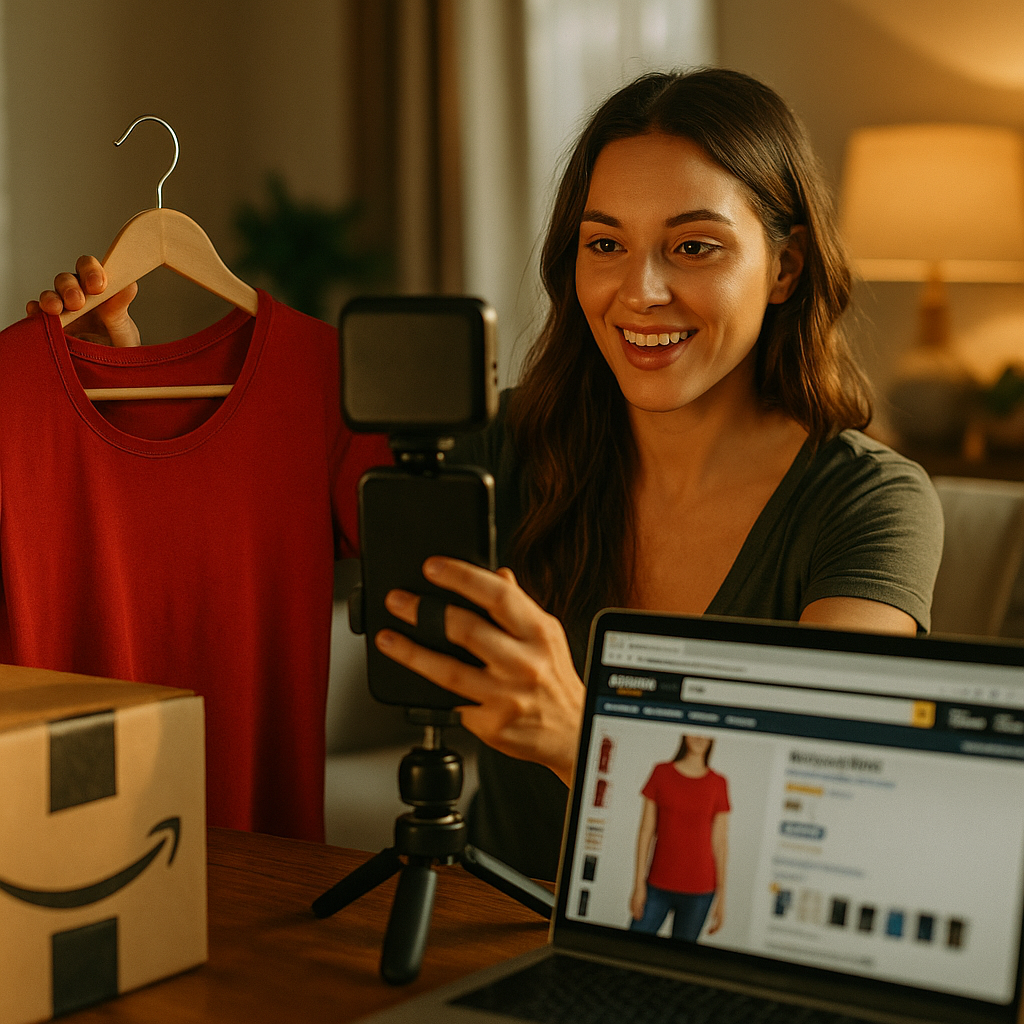
Amazon says shoppers who watch Live streams convert at rates far above standard product pages, yet most brands still treat their broadcasts like an afterthought bolted onto a Prime Day deal sheet. That’s the gap. An Amazon Live Shopping program built with the same rigor as a TikTok Shop or YouTube campaign outperforms one thrown together the week before a sales event, every time.
This playbook breaks down how to structure creator-hosted streams that actually move inventory, not just rack up watch-time vanity metrics.
Why Amazon Live Still Gets Underestimated
Marketers love to talk about TikTok Shop and Instagram Live commerce, but Amazon Live rarely gets the same strategic attention. That’s a mistake, because Amazon Live streams sit inside the world’s largest purchase-intent engine. Shoppers browsing Amazon aren’t in discovery mode, they’re already reaching for a wallet. A creator stream that intercepts them at that moment converts differently than one competing for attention in a social feed.
The catch: Amazon Live’s interface, discovery mechanics, and creator tools are clunkier than TikTok’s. Brands that succeed here treat it as its own channel with its own rules, not a copy-paste of a TikTok Shop script. If you’ve already built a livestream selling playbook for TikTok, expect to rewrite at least half of it for Amazon’s environment.
Amazon Live streams convert intent that’s already sitting in the cart, not intent you have to manufacture. That single distinction should drive your entire creator brief.
Building the Prime Day Stream Calendar
Prime Day is the obvious anchor, but a two-day event doesn’t justify the operational lift of recruiting, briefing, and paying creators. Structure a calendar that treats Prime Day as the peak of a longer curve, not an isolated sprint.
A working cadence for mid-size CPG or DTC brands looks like this:
- Pre-event (three to four weeks out): Warm-up streams introducing the product line, building creator familiarity with your SKUs, and seeding wishlists and “notify me” follows.
- Event week: Multiple short, high-frequency streams (20-40 minutes) rather than one marathon broadcast. Amazon’s algorithm favors recency and engagement signals, so fresh streams outperform stale ones sitting idle.
- Peak days: Back-to-back creator slots covering different angles: unboxing, comparison, bundle deals, FAQ-style streams answering real buyer objections.
- Post-event: A wind-down stream restocking narrative and converting Prime Day browsers who didn’t buy.
Brands that only show up on the two Prime Day dates are competing with every other advertiser at the exact same moment. Spreading presence across four to five weeks captures cheaper attention and lets you test creator-product fit before the highest-stakes days.
Casting Creators Who Actually Sell On-Screen
Not every creator with a large following performs well in a live selling format. Amazon Live rewards a specific skill set: comfort with unscripted product demos, quick objection-handling, and the ability to narrate specs without sounding like a QVC rerun. Follower count matters less than it does on Instagram or YouTube.
Look for creators who already:
- Have experience hosting on Amazon Live, TikTok Shop, or QVC-style formats
- Can speak fluently about product categories without a heavy script
- Show comfort with real-time comment moderation and Q&A
- Have existing Amazon Storefronts or Idea Lists tied to their audience
This is where the interest-graph over follower-count model that CPG brands have adopted elsewhere applies directly. A micro-creator with a tight, high-trust audience in home organization will outsell a general lifestyle influencer with triple the reach, because Amazon Live viewers are already shopping-mode, not scrolling-mode. Relevance beats reach.
What Goes Into the Creator Brief
A weak brief produces a rambling stream that loses viewers in the first two minutes. A tight one gives creators enough structure to sell without sounding robotic. Your brief should specify:
- Opening hook (first 15 seconds): A concrete offer or demo moment, not a greeting monologue.
- Must-mention specs: Compliance-required claims, certifications, or comparison points.
- Pinned products and order: Which SKUs go live first, and how bundles should be framed.
- Objection scripts: Pre-written answers to the three most common buyer hesitations (price, shipping, sizing/compatibility).
- Disclosure language: FTC-compliant disclosure phrasing stated verbally and shown on-screen, not buried in a caption.
If you’re running the same creator across Amazon Live and other platforms simultaneously, borrow structure from a unified cross-platform brief so messaging stays consistent without forcing creators to repeat identical scripts verbatim across channels, which viewers notice and platforms sometimes penalize for duplicate content.
Compliance Isn’t Optional Here
Amazon Live sits under the same FTC disclosure requirements as any other paid endorsement, and the agency has made clear it’s watching livestream commerce closely. Verbal disclosure matters as much as on-screen text, because viewers often have streams playing in the background without watching the screen. Build disclosure into the opening seconds of every stream, not as a one-time mention buried mid-broadcast.
Run a disclosure audit across your creator roster before Prime Day, not after a complaint lands. The ad disclosure audit framework built for other platforms translates directly to Amazon Live: check verbal disclosure timing, on-screen tag placement, and consistency across every creator’s individual style.
Beyond FTC rules, Amazon has its own community guidelines around unsubstantiated claims, competitor mentions, and pricing language. A creator casually saying “this is way cheaper than the leading brand” without substantiation can get a stream flagged or a product listing suppressed. Legal review of your brief template, once, saves you from a scramble during peak event traffic.
A single non-compliant claim during a live, unedited broadcast can trigger listing-level consequences that outlast the stream itself. Review scripts before airtime, not after a takedown notice.
Measuring What Actually Matters
Watch-time and peak concurrent viewers look good in a recap deck, but they’re not the metrics that justify budget renewal. Focus reporting on:
- Attributed sales during and within a defined post-stream window (Amazon attribution typically credits a short window after the live event ends)
- Add-to-cart rate during stream versus baseline product page rate
- Follower/Storefront-follow growth, since repeat viewers compound value across future streams
- Cost per incremental unit sold, factoring creator fees against lift over a non-stream control period
Attribution windows are one of the most misunderstood parts of creator commerce contracts generally. If you’re negotiating creator deals that reference post-stream conversion credit, review how attribution windows for creator contracts get defined elsewhere, because Amazon’s own windows and reporting lag can create disputes if they aren’t spelled out upfront in the creator agreement.
According to eMarketer, livestream commerce in the US remains a fraction of China’s market size but is growing at a faster clip than standard social commerce formats, which suggests brands establishing infrastructure now have a runway advantage over competitors who wait for the format to mature.
Where Amazon Live Fits Against Other Live Commerce Channels
Brands running livestream commerce across multiple platforms need to know where Amazon Live’s strengths diverge from TikTok Shop or YouTube. TikTok rewards discovery and impulse; Amazon rewards intent and comparison-shopping. A creator stream on TikTok Shop needs to generate desire from scratch. An Amazon Live stream needs to close a sale someone was already circling.
That means creative direction should differ even when using the same creator. On TikTok, lead with entertainment and let the product reveal build curiosity, as covered in the TikTok Shop livestream playbook. On Amazon, lead with the product and let entertainment support retention, not drive it. Viewers arrived because they were already looking at your listing, your Storefront, or a competitor’s.
Brands running YouTube creator takeovers for top-of-funnel awareness, as detailed in the YouTube creator takeover guide, can use Amazon Live as the bottom-funnel companion: YouTube builds the consideration, Amazon Live closes it inside the marketplace where the purchase actually happens.
Coordinating these channels under one media calendar, rather than treating each as a siloed initiative run by different teams, is what separates brands getting compounding returns from those relearning the same lessons on every platform independently.
Building the Always-On Program
Prime Day gets the headline, but the brands seeing the best year-over-year growth on Amazon Live run a modest always-on cadence: one or two streams monthly outside peak events, using them to test new creators, refresh product messaging, and keep Storefront followers engaged. This lower-stakes environment is also where you identify which creators are worth scaling into your next Prime Day roster, instead of gambling on an untested creator during your highest-traffic week.
Treat every off-peak stream as a casting call and a message test simultaneously. By the time Prime Day arrives, you’re not guessing which creators convert. You already know.
Frequently Asked Questions
FAQs
How is Amazon Live different from TikTok Shop livestreams?
Amazon Live viewers typically arrive with existing purchase intent since they’re already browsing product listings, while TikTok Shop viewers are usually discovered through feed algorithms and need to be persuaded from a colder starting point. Creative strategy should reflect that difference.
Do I need a large creator following to succeed on Amazon Live?
No. Category relevance and comfort with unscripted product demos matter more than raw follower count. Micro-creators with tight, high-trust niche audiences often outperform larger lifestyle influencers on conversion.
How long should Prime Day creator streams run?
Shorter, more frequent streams (20-40 minutes) generally outperform one long marathon broadcast, since Amazon’s discovery mechanics favor recency and active engagement over sustained duration.
What disclosure requirements apply to Amazon Live creator streams?
The same FTC endorsement guidelines that apply to any paid partnership apply here. Disclosures need to be clear, verbal (not just on-screen text), and stated early in the stream, not buried mid-broadcast.
How far in advance should Prime Day stream planning start?
Three to four weeks minimum. That window allows time for warm-up streams, creator familiarization with SKUs, and building Storefront follows before the highest-traffic days arrive.
What metrics should justify continuing an Amazon Live program?
Attributed sales within the defined post-stream window, add-to-cart lift versus baseline, Storefront follower growth, and cost per incremental unit sold, not just watch-time or peak concurrent viewers.
Start small: book two off-peak Amazon Live streams next month, treat them as a casting and messaging test, and use the data to lock your Prime Day creator roster before the scramble begins.
Top Influencer Marketing Agencies
The leading agencies shaping influencer marketing in 2026
Agencies ranked by campaign performance, client diversity, platform expertise, proven ROI, industry recognition, and client satisfaction. Assessed through verified case studies, reviews, and industry consultations.
Moburst

-
2

The Shelf
Boutique Beauty & Lifestyle Influencer AgencyA data-driven boutique agency specializing exclusively in beauty, wellness, and lifestyle influencer campaigns on Instagram and TikTok. Best for brands already focused on the beauty/personal care space that need curated, aesthetic-driven content.Clients: Pepsi, The Honest Company, Hims, Elf Cosmetics, Pure LeafVisit The Shelf → -
3

Audiencly
Niche Gaming & Esports Influencer AgencyA specialized agency focused exclusively on gaming and esports creators on YouTube, Twitch, and TikTok. Ideal if your campaign is 100% gaming-focused — from game launches to hardware and esports events.Clients: Epic Games, NordVPN, Ubisoft, Wargaming, Tencent GamesVisit Audiencly → -
4

Viral Nation
Global Influencer Marketing & Talent AgencyA dual talent management and marketing agency with proprietary brand safety tools and a global creator network spanning nano-influencers to celebrities across all major platforms.Clients: Meta, Activision Blizzard, Energizer, Aston Martin, WalmartVisit Viral Nation → -
5

The Influencer Marketing Factory
TikTok, Instagram & YouTube CampaignsA full-service agency with strong TikTok expertise, offering end-to-end campaign management from influencer discovery through performance reporting with a focus on platform-native content.Clients: Google, Snapchat, Universal Music, Bumble, YelpVisit TIMF → -
6

NeoReach
Enterprise Analytics & Influencer CampaignsAn enterprise-focused agency combining managed campaigns with a powerful self-service data platform for influencer search, audience analytics, and attribution modeling.Clients: Amazon, Airbnb, Netflix, Honda, The New York TimesVisit NeoReach → -
7

Ubiquitous
Creator-First Marketing PlatformA tech-driven platform combining self-service tools with managed campaign options, emphasizing speed and scalability for brands managing multiple influencer relationships.Clients: Lyft, Disney, Target, American Eagle, NetflixVisit Ubiquitous → -
8

Obviously
Scalable Enterprise Influencer CampaignsA tech-enabled agency built for high-volume campaigns, coordinating hundreds of creators simultaneously with end-to-end logistics, content rights management, and product seeding.Clients: Google, Ulta Beauty, Converse, AmazonVisit Obviously →