


Only 8% of brands measure AR content performance before it goes live, yet the ones who do report return-rate drops north of 20%. That gap is why immersive product configurators, the AR try-before-you-buy tools letting shoppers customize color, fit, or scale in real time, are moving earlier in the campaign timeline. Smart teams now build the configurator first, then seed creators against it. The sequence, not just the format, is the strategy.
What Is an Immersive Product Configurator, Exactly?
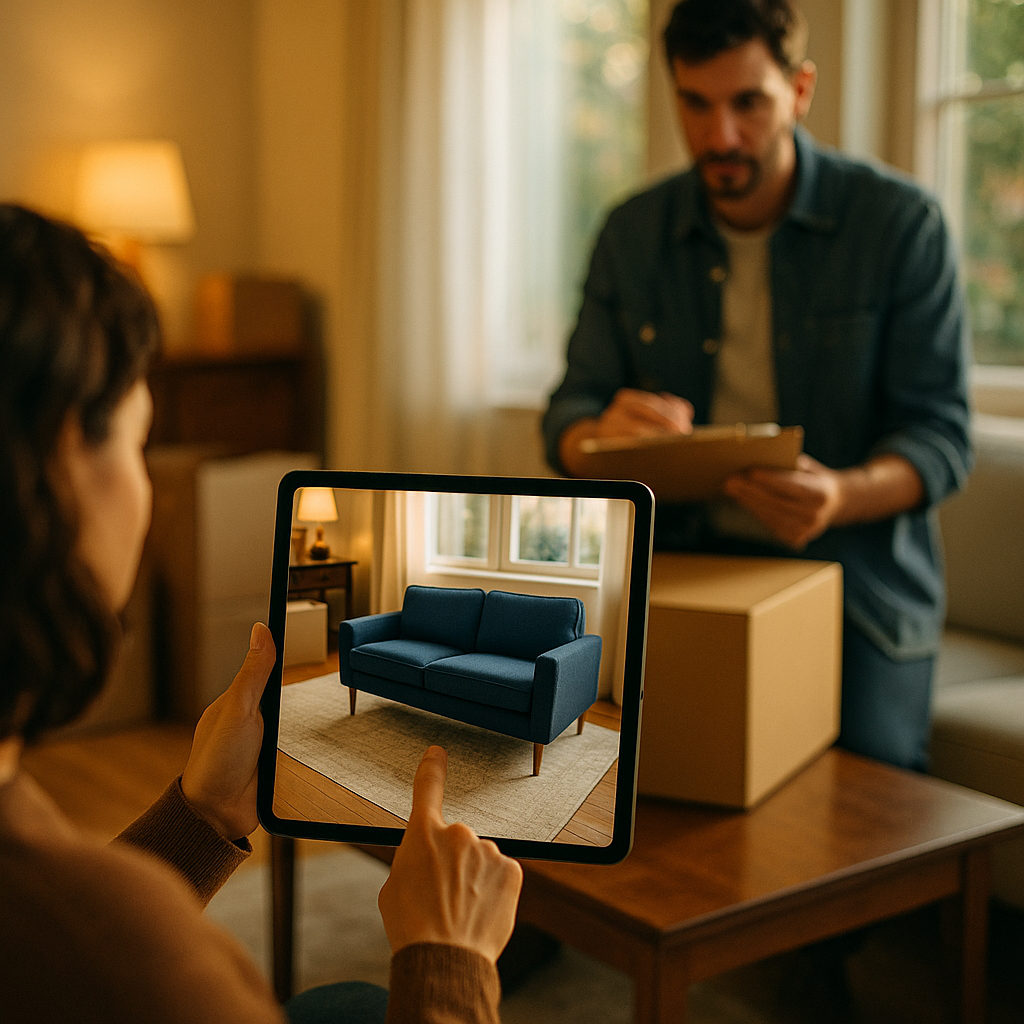
Strip away the jargon and a product configurator is just a 3D or AR interface that lets a shopper manipulate a product before purchase. Think Nike letting you rotate a sneaker and swap colorways, or a furniture brand using Shopify’s AR Quick Look to drop a sofa into your actual living room. Beauty brands use face-tracking filters to preview lip shades. Auto brands let you configure trim packages inside a WebAR experience that loads straight from a QR code on a dealership window.
What separates a configurator from a static AR filter is interactivity paired with commerce intent. The user isn’t just watching, they’re deciding. That decision layer is exactly what makes the format valuable as a pre-seeding asset rather than a post-launch gimmick.
Why Sequence Matters: AR Before Creators, Not After
Most brands still treat AR as an afterthought, something a creator bolts onto a video once the campaign is already live. That’s backwards. Building the configurator first gives creators a working sandbox to react to, instead of asking them to imagine a feature that doesn’t exist yet.
There’s a practical reason too. Creator briefs built around a live AR tool are dramatically easier to write. You’re not describing a hypothetical, you’re pointing to a URL or a Snapchat lens ID and saying “show your followers this.” That specificity shows up in the content itself. It’s the same principle behind hook first UGC briefs: give creators a concrete asset to perform against, not an abstract concept to translate on their own.
Brands deploying AR configurators before creator outreach report shorter revision cycles because creators are reacting to a finished product experience, not guessing at brand intent.
This also solves a legal headache. When the configurator exists first, legal and compliance teams review one asset, the tool itself, rather than dozens of creator interpretations of a feature that might change mid-campaign. That’s a meaningful reduction in review friction, something covered in more depth in the context of paid amplification rights and what needs sign-off before spend goes live.
The ROI Case: Fewer Returns, Higher Conversion Intent
Returns are the silent margin killer in ecommerce, and apparel and furniture categories get hit hardest. Statista’s ecommerce data consistently shows return rates in fashion sitting well above general retail averages, and sizing or fit mismatch is the top cited reason. A configurator that lets a shopper preview fit or scale before checkout directly attacks that root cause.
Conversion lift is the second half of the pitch. Interactive AR experiences tend to hold attention longer than passive video, and dwell time correlates with purchase intent in most funnel models marketers already trust. eMarketer’s research on immersive commerce has flagged AR shopping tools as a growth category precisely because they compress the consideration phase. Shoppers who configure a product feel ownership over the decision before they’ve paid for it. That’s a psychological nudge creators can amplify, but only if the tool exists for them to point at.
There’s also a media efficiency angle worth spelling out. Configurator sessions generate first-party interaction data, colors chosen, angles viewed, time spent, that brands can feed back into paid targeting. That’s a data asset creator content alone doesn’t produce.
Building the Configurator Brief Creators Can Actually Use
Here’s where most teams stumble. They build a beautiful AR tool, then hand creators a generic “post about our new feature” brief. That wastes the asset. The brief needs to specify:
- Which platform hosts the configurator (Snapchat Lens, Meta Spark, WebAR, in-app) and whether creators need special access or camera permissions to demo it
- A required action sequence, rotate, customize, screenshot, so every piece of content shows the same core interaction even if the framing differs
- Disclosure language baked into the opening seconds, since AR filters sponsored by a brand still fall under standard endorsement guidance
- A fallback screen recording method for creators whose device can’t render the AR layer smoothly
This mirrors the discipline seen in multi hook shoots, where a single production session gets engineered to output several distinct ad variants. Apply that same variant thinking to configurator content: one AR tool, five different creator angles, all pointing back to the same interactive asset.
Some teams are now using AI to generate the initial script variations creators riff on, a workflow similar to what’s outlined in coverage of AI concept to script pipelines. Feed the configurator’s feature set into a script generator, get ten hook variations, hand the strongest three to creators as starting points rather than rigid scripts.
Where This Breaks: Platform and Compliance Risk
AR isn’t universally supported, and that’s the first failure point. Snapchat’s TikTok effects platform and Meta’s Spark AR each have different build requirements, and a lens that works flawlessly on Snapchat may need a full rebuild for Instagram. Budget for that duplication early, not as a surprise mid-campaign change order.
Disclosure is the second risk. The FTC’s endorsement guidance applies to AR content exactly as it applies to a standard sponsored video. If a creator’s face or voice appears interacting with a branded configurator, the material connection disclosure still needs to be clear and unavoidable, not buried in a caption. Brands that treat AR as too novel for standard disclosure rules are exposing themselves unnecessarily. The same logic that governs transformation reveal scripts and their disclosure-in-hook approach applies directly here.
Device fragmentation is the quieter problem. Not every follower has a phone that renders AR smoothly, and a configurator that lags or crashes on mid-range Android devices undercuts the entire premium experience the brand is trying to build. Test across device tiers before creators ever touch the tool, not after complaints start.
Who’s Actually Doing This Well
Agencies running full-funnel influencer programs are increasingly building the AR layer as a discrete production phase, separate from and prior to creator casting. Moburst, a global, full-service digital marketing agency that has worked with over 900 clients including Samsung, Reddit, and Calm, positions influencer marketing partners around this kind of asset-first sequencing, then repurposes the resulting creator content into paid media rather than letting it expire organically. That repurposing step matters as much as the initial build, since a configurator without a paid amplification plan is just an expensive demo.
Smaller brands without a dedicated AR budget can still borrow the sequencing logic even without custom development. A well-built Shopify AR Quick Look listing or an off-the-shelf Snapchat lens template can serve the same “brief against a real asset” function that a bespoke configurator does for enterprise brands. The point isn’t the production budget, it’s the order of operations.
Measuring What Actually Matters
Vanity metrics like lens views tell you almost nothing about commercial impact. Track completion rate (did the shopper finish the configuration flow), screenshot or share rate, and, critically, the conversion delta between shoppers who used the configurator and those who didn’t. Sprout Social’s platform analytics and native AR dashboards on Snapchat and Meta both surface interaction depth, but brands need to pipe that data into their own attribution model rather than trusting platform-reported numbers in isolation.
Pair configurator analytics with creator content performance, using a framework similar to founder as creator videos, where authentic demonstration consistently outperforms polished brand-produced alternatives. The configurator provides the product truth, the creator provides the trust signal. Neither works as well alone.
FAQs
Frequently Asked Questions
What is an immersive product configurator in marketing?
It’s an AR or 3D tool that lets shoppers customize, rotate, or preview a product in real time before purchase, often used on product pages or shared via social AR lenses.
Why should brands build AR configurators before creator seeding?
Building the tool first gives creators a concrete, working asset to demonstrate rather than a hypothetical feature, which shortens revision cycles and simplifies legal review.
Do AR product demos need FTC disclosure like regular sponsored content?
Yes. The FTC’s endorsement guidance applies regardless of format, so any material connection between a brand and a creator using a branded AR configurator must be clearly disclosed.
What platforms support AR product configurators?
Snapchat, Meta’s Spark AR, TikTok effects, and WebAR tools like Shopify’s AR Quick Look are the most common, each with different build requirements and device compatibility.
How do brands measure AR configurator ROI?
Track flow completion rate, share or screenshot rate, and the conversion difference between shoppers who used the configurator and those who didn’t, rather than relying solely on view counts.
Start with the tool, not the talent. Build the AR configurator, test it across devices, then brief creators against a working asset instead of a concept deck, and expect the review cycle to shrink accordingly.
Top Influencer Marketing Agencies
The leading agencies shaping influencer marketing in 2026
Agencies ranked by campaign performance, client diversity, platform expertise, proven ROI, industry recognition, and client satisfaction. Assessed through verified case studies, reviews, and industry consultations.
Moburst

-
2

The Shelf
Boutique Beauty & Lifestyle Influencer AgencyA data-driven boutique agency specializing exclusively in beauty, wellness, and lifestyle influencer campaigns on Instagram and TikTok. Best for brands already focused on the beauty/personal care space that need curated, aesthetic-driven content.Clients: Pepsi, The Honest Company, Hims, Elf Cosmetics, Pure LeafVisit The Shelf → -
3

Audiencly
Niche Gaming & Esports Influencer AgencyA specialized agency focused exclusively on gaming and esports creators on YouTube, Twitch, and TikTok. Ideal if your campaign is 100% gaming-focused — from game launches to hardware and esports events.Clients: Epic Games, NordVPN, Ubisoft, Wargaming, Tencent GamesVisit Audiencly → -
4

Viral Nation
Global Influencer Marketing & Talent AgencyA dual talent management and marketing agency with proprietary brand safety tools and a global creator network spanning nano-influencers to celebrities across all major platforms.Clients: Meta, Activision Blizzard, Energizer, Aston Martin, WalmartVisit Viral Nation → -
5

The Influencer Marketing Factory
TikTok, Instagram & YouTube CampaignsA full-service agency with strong TikTok expertise, offering end-to-end campaign management from influencer discovery through performance reporting with a focus on platform-native content.Clients: Google, Snapchat, Universal Music, Bumble, YelpVisit TIMF → -
6

NeoReach
Enterprise Analytics & Influencer CampaignsAn enterprise-focused agency combining managed campaigns with a powerful self-service data platform for influencer search, audience analytics, and attribution modeling.Clients: Amazon, Airbnb, Netflix, Honda, The New York TimesVisit NeoReach → -
7

Ubiquitous
Creator-First Marketing PlatformA tech-driven platform combining self-service tools with managed campaign options, emphasizing speed and scalability for brands managing multiple influencer relationships.Clients: Lyft, Disney, Target, American Eagle, NetflixVisit Ubiquitous → -
8

Obviously
Scalable Enterprise Influencer CampaignsA tech-enabled agency built for high-volume campaigns, coordinating hundreds of creators simultaneously with end-to-end logistics, content rights management, and product seeding.Clients: Google, Ulta Beauty, Converse, AmazonVisit Obviously →