


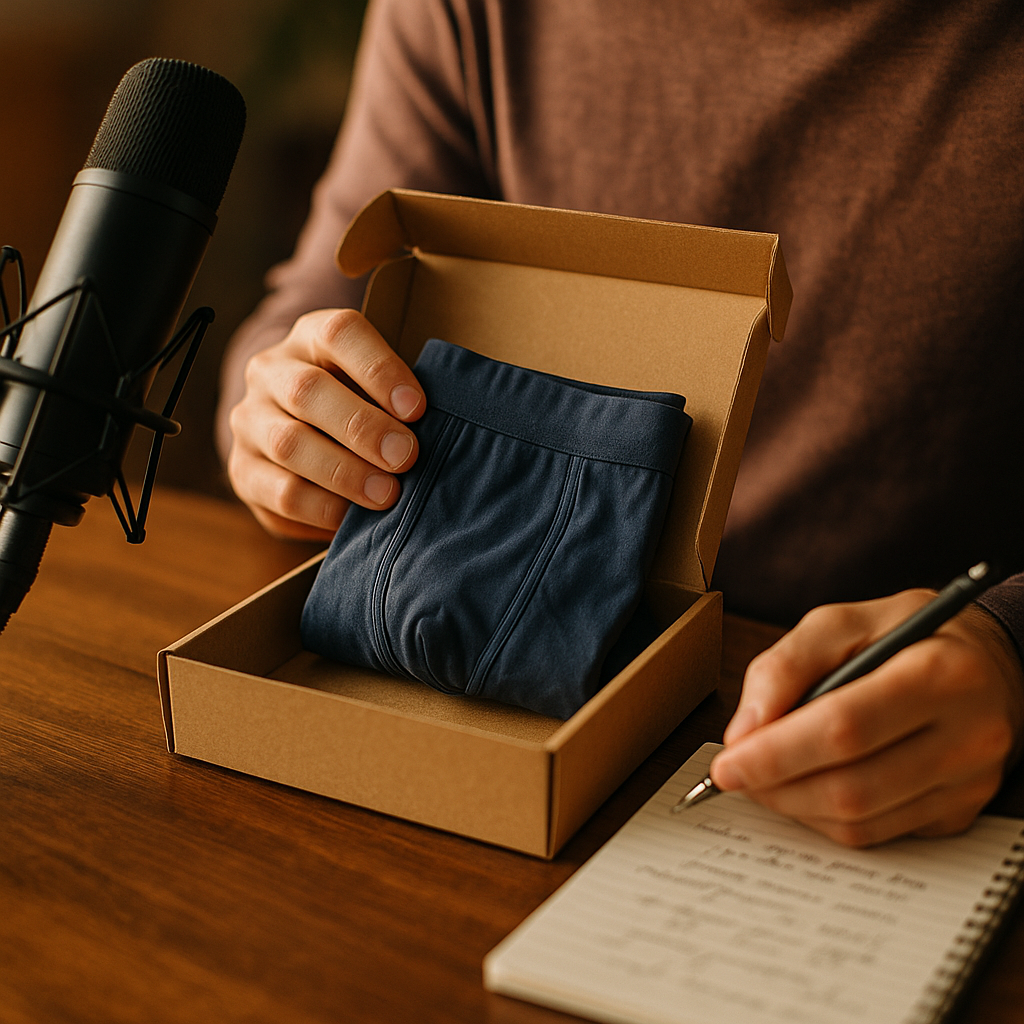
Videos with crisp ASMR sound design see up to 30% higher average watch time than standard unboxing clips, according to creator platform benchmarks circulating among agency buyers this year. That’s not a fluke of algorithm luck. It’s engineered. An ASMR unboxing brief is the difference between a creator fumbling with packaging on camera and a sound designer building a three-minute retention machine out of tape rips and box crinkles.
If your influencer program still treats unboxing as an afterthought tacked onto a product seeding deal, you’re leaving completion rate on the table. Let’s fix that.
Why Sound Cues Outperform Visual Hooks in Unboxing Content
Most brand marketers obsess over the first three seconds of a video because that’s what the platform algorithms reward. Fair enough. But ASMR unboxing content plays a different game entirely. The hook isn’t a jump cut or a bold text overlay, it’s a sound that triggers a physiological response: tingling, relaxation, focused attention. Neuroscience researchers have linked ASMR triggers to measurable drops in heart rate and increases in sustained attention, which is exactly why viewers stay parked on these videos far longer than average.
From a media buying standpoint, that’s a retention asset you can’t get from a flashy hook alone. A viewer who stays because a sound feels good is a different kind of captive audience than one who stays because of a plot twist. They’re not waiting for the next surprise. They’re settling in.
ASMR unboxing isn’t a niche aesthetic anymore, it’s a retention mechanic brands can brief for the same way they brief a script or a CTA.
The Anatomy of an ASMR Unboxing Brief
A proper brief for this format needs to go deeper than “make it satisfying.” Satisfying is subjective. Sound cues are not. Here’s what a working brief actually specifies:
- Microphone placement: binaural mics (or a phone with a quality external mic) positioned close enough to capture texture without clipping.
- Trigger sequence order: tape peel, box lid lift, tissue paper unfold, product reveal, in that rhythm or a deliberate variation of it.
- Silence windows: two to three seconds of near-silence between triggers so the ear resets and the next sound lands harder.
- Voice policy: whisper-only, no voice, or soft narration at specific timestamps. Mixed signals here confuse editors and dilute the effect.
- Room tone requirement: a quiet, untreated but not echoey space. Bathroom tile kills it. Soft furnishings help.
Skip any one of these and you get a video that looks like ASMR but doesn’t perform like it. The creator economy is full of near-misses: decent lighting, cute packaging, muddy audio that never gets the tingle response going.
Scripting Silence: The Hardest Part of the Brief
Here’s the part most brand teams get wrong. You cannot script ASMR the way you script a testimonial or a demo. There’s no dialogue to approve, no claims to fact-check line by line. What you’re actually scripting is a pacing map: when sound happens, when it stops, and how long the pause lasts before the next cue.
Think of it like a music brief, not a copy brief. A three-second pause after a tape rip isn’t dead air, it’s the whole point.
Brands used to compliance-heavy scripts sometimes struggle to hand over that much creative control. But over-directing an ASMR creator kills the format. The best briefs give creators a trigger checklist and a rough runtime, then trust the pacing to their editing instinct. Compare this to how ASMR product demos handle whispered narration: the discipline is similar, just applied to unboxing rhythm instead of feature callouts.
Where This Format Fits in the Funnel
ASMR unboxing rarely converts on its own in a single view. It’s a top-of-funnel and mid-funnel retention play that builds brand association through sensory memory. Someone who watches your unboxing video twice because the sound is satisfying is building a Pavlovian link between your packaging and a pleasant feeling. That’s brand equity you can’t buy with a discount code.
Where it does drive direct action is on platforms with native shopping integration. Pair the sensory hook with a swipe-up or shoppable tag right at the reveal moment, when dopamine and curiosity peak simultaneously. This works especially well alongside unboxing tags that rig checkout prompts into the exact frame where the product is revealed.
For CTV and long-form placements, the sound design actually needs more room to breathe, not less. A living room speaker system exposes a rushed edit instantly. If you’re repurposing unboxing content for the big screen, the pacing rules from CTV creator cuts apply just as much to audio as they do to visual framing.
Packaging Design Is Now a Sound Design Decision
This is the part supply chain and packaging teams rarely think about, and it’s costing brands easy wins. Corrugated cardboard sounds different from rigid boxboard. Crinkle paper sounds different from bubble wrap. Matte tape peels quieter than glossy tape. If your packaging vendor optimized purely for cost and durability, you might have accidentally built a box that sounds flat on camera.
Smart brands are now looping packaging design into the content brief conversation early, not after the fact. A few textile and beauty brands have started requesting sample units specifically for sound testing before a full production run ships to creators.
Is that overkill for a mid-tier CPG brand? Maybe. But if unboxing content is a meaningful part of your influencer mix, even small packaging tweaks (a slightly stiffer tissue paper, a tape with more resistance) can lift the sensory payoff without touching your unit economics.
Common Mistakes That Kill the Retention Curve
A handful of errors show up again and again in briefs that don’t land:
- Background music. Any music bed competes with trigger sounds and flattens the effect. Keep it music-free or add it only after the reveal.
- Over-narration. A creator explaining every feature out loud turns ASMR into a standard demo video. Save narration for a brief tag at the end.
- Rushed pacing. Editors trained on fast-cut social content instinctively trim “dead air.” That dead air is the mechanism. Flag it explicitly in the brief.
- Inconsistent mic distance. Creators moving in and out of frame during unboxing create volume spikes that break immersion.
None of these are hard to fix once you know to look for them. But they require a brief specific enough to name them, not a generic “keep it authentic” note.
Measuring What Actually Matters
Standard engagement metrics undersell ASMR content’s value. Likes and shares matter less here than average watch time, replay rate, and audience retention graphs. Platforms like TikTok and YouTube both surface retention curves in creator analytics, and that’s where the real signal lives. A video with modest reach but a retention curve that holds flat for 80% of runtime is doing something most content never achieves.
Track completion rate against a baseline of your other creator content formats. If ASMR unboxing isn’t beating your standard product demos on watch time, something in the brief execution is off, likely the pacing or the audio quality, not the format itself. According to eMarketer research on short-form video consumption, retention past the midpoint of a video correlates strongly with brand recall lift, which makes this format worth the extra briefing effort for awareness campaigns specifically.
For brands running paid amplification on top of organic creator content, this matters even more. Platforms increasingly weight watch time in their ad delivery algorithms, so a naturally high-retention format like ASMR unboxing can lower your effective cost per view when boosted. That’s a direct line from sound design to media efficiency, something few finance teams appreciate until you show them the numbers.
Compliance and Disclosure Still Apply
Don’t let the sensory novelty distract from the basics. Sponsored unboxing content still requires clear disclosure under FTC guidelines, whisper-voice or not. A soft “thanks to Brand X for sending this” at the top, or an on-screen disclosure tag, keeps you covered without breaking the ambient mood. Brands that skip this step because “it’s just packaging content” are taking on regulatory risk for no good reason.
If you’re running these briefs through an agency or creator marketplace, build the disclosure requirement into the same document as the sound cue checklist. Treating compliance as a separate afterthought is how brands end up with a library of otherwise great content they can’t legally run as paid media.
Building This Into Your Broader Creator Brief Library
ASMR unboxing shouldn’t live in isolation as a one-off trend brief. It works best as one format in a broader toolkit that includes multi angle demo reels for consideration-stage content and more conventional product walkthroughs for bottom-funnel conversion. Rotate formats based on funnel stage and platform, and use ASMR specifically where sensory brand association matters most: beauty, food, tech unboxing, and premium packaging categories.
Smaller creators are often better suited to this format than mega-influencers, too. Intimate audio requires an intimate setup, and a creator filming in their actual bedroom with good mic technique will usually outperform a studio production trying to fake the vibe. Budget accordingly. This is a format where a modest fee to a skilled micro-creator can beat a five-figure spend on a celebrity unboxing with a rushed studio crew.
Start your next unboxing brief with a trigger checklist and a silence map instead of a script, test it against your current benchmark for watch time, and let the retention data decide whether it earns a permanent spot in your content mix.
Frequently Asked Questions
What makes a video qualify as ASMR unboxing content?
It centers on amplified, close-mic sound triggers like tape peeling, box opening, and packaging rustling, typically with minimal or whispered narration and deliberate pauses between sounds to heighten the sensory effect.
Does ASMR unboxing work for every product category?
It performs best for beauty, food, tech gadgets, and premium packaged goods where the physical unboxing experience feels tactile. Categories with minimal or plain packaging see a weaker effect.
How long should an ASMR unboxing video run?
Most high-performing versions run between two and five minutes, long enough to build a full trigger sequence without overstaying the viewer’s attention. Shorter cuts work for social feeds, longer versions for YouTube or CTV placements.
Do creators need special equipment to produce this format?
A binaural or high-quality external mic makes a meaningful difference. Phone microphones alone often clip or muddy the fine texture sounds that make the format work.
How do brands measure success for ASMR unboxing content?
Average watch time, replay rate, and retention curve shape matter more than likes or shares. Compare these against your standard content benchmarks to judge whether the format earns a permanent budget line.
Is disclosure required for ASMR-style sponsored content?
Yes. FTC disclosure rules apply regardless of format or tone, so a clear spoken or on-screen disclosure is still required even in whisper-voice or no-narration videos.
Top Influencer Marketing Agencies
The leading agencies shaping influencer marketing in 2026
Agencies ranked by campaign performance, client diversity, platform expertise, proven ROI, industry recognition, and client satisfaction. Assessed through verified case studies, reviews, and industry consultations.
Moburst

-
2

The Shelf
Boutique Beauty & Lifestyle Influencer AgencyA data-driven boutique agency specializing exclusively in beauty, wellness, and lifestyle influencer campaigns on Instagram and TikTok. Best for brands already focused on the beauty/personal care space that need curated, aesthetic-driven content.Clients: Pepsi, The Honest Company, Hims, Elf Cosmetics, Pure LeafVisit The Shelf → -
3

Audiencly
Niche Gaming & Esports Influencer AgencyA specialized agency focused exclusively on gaming and esports creators on YouTube, Twitch, and TikTok. Ideal if your campaign is 100% gaming-focused — from game launches to hardware and esports events.Clients: Epic Games, NordVPN, Ubisoft, Wargaming, Tencent GamesVisit Audiencly → -
4

Viral Nation
Global Influencer Marketing & Talent AgencyA dual talent management and marketing agency with proprietary brand safety tools and a global creator network spanning nano-influencers to celebrities across all major platforms.Clients: Meta, Activision Blizzard, Energizer, Aston Martin, WalmartVisit Viral Nation → -
5

The Influencer Marketing Factory
TikTok, Instagram & YouTube CampaignsA full-service agency with strong TikTok expertise, offering end-to-end campaign management from influencer discovery through performance reporting with a focus on platform-native content.Clients: Google, Snapchat, Universal Music, Bumble, YelpVisit TIMF → -
6

NeoReach
Enterprise Analytics & Influencer CampaignsAn enterprise-focused agency combining managed campaigns with a powerful self-service data platform for influencer search, audience analytics, and attribution modeling.Clients: Amazon, Airbnb, Netflix, Honda, The New York TimesVisit NeoReach → -
7

Ubiquitous
Creator-First Marketing PlatformA tech-driven platform combining self-service tools with managed campaign options, emphasizing speed and scalability for brands managing multiple influencer relationships.Clients: Lyft, Disney, Target, American Eagle, NetflixVisit Ubiquitous → -
8

Obviously
Scalable Enterprise Influencer CampaignsA tech-enabled agency built for high-volume campaigns, coordinating hundreds of creators simultaneously with end-to-end logistics, content rights management, and product seeding.Clients: Google, Ulta Beauty, Converse, AmazonVisit Obviously →