


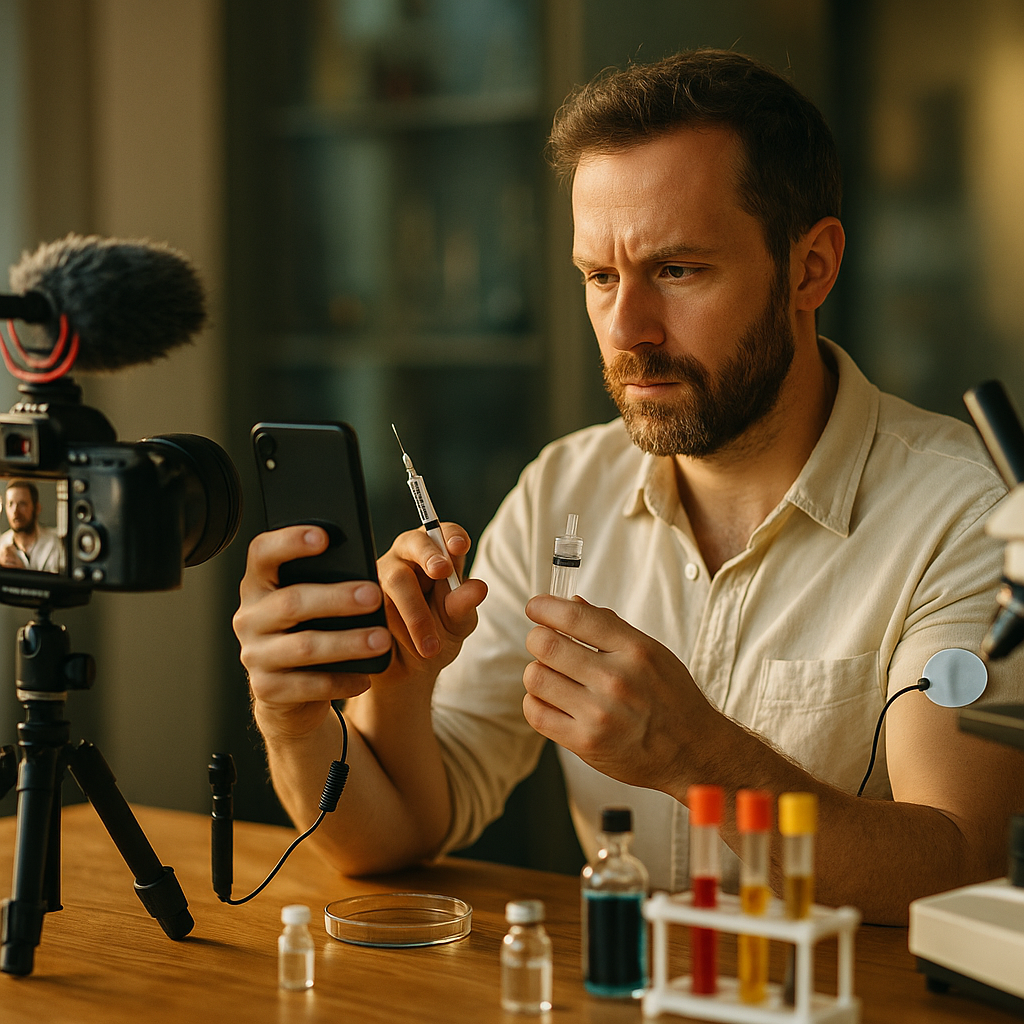
The rise of the bio-hacking influencer has transformed personal wellness, blending science, self-optimization, and social media influence into a powerful cultural force. As millions seek life hacks for body and mind, what does the latest evidence say about these viral trends? Explore the facts, ethics, and future of self-optimization content below.
The Evolution of Bio-Hacking and Self-Optimization Trends
Bio-hacking influencers have catalyzed a new era in personal optimization, where science and experimentation intersect daily routines. From nootropics to intermittent fasting, their content shapes public perceptions of health. A recent Global Wellness Institute survey (2024) reveals that nearly 48% of adults in developed nations now follow at least one bio-hacking influencer, indicating mainstream adoption.
As audiences desire faster, smarter, and healthier lives, influencers integrate both time-tested techniques and cutting-edge interventions, such as wearable trackers and advanced supplements. These trends often outpace formal research, raising urgent questions about efficacy, safety, and responsibility. Still, the appetite for actionable, science-based advice continues to grow. Understanding how these movements evolved—and why they resonate—sets the stage for deeper exploration.
The Science Behind Bio-Hacking: What Works?
At the heart of self-optimization content is the promise of measurable improvement. Bio-hacking influencers lean on evidence—both personal and published—to validate their claims. But which hacks hold up to rigorous scrutiny?
- Intermittent Fasting: Backed by clinical studies, this eating pattern improves metabolic markers, though individual responses vary. The NIH highlighted significant benefits for glycemic control in over 75% of study participants (2023-2024).
- Cold Exposure: Cold showers and ice baths claim to boost alertness and immunity. Research supports reduced inflammation and improved mood with routine cold exposure, though extreme practices require caution.
- Supplement Stacking: Combining nootropics, adaptogens, and nutritional supplements is popular, but only some combinations—like caffeine and L-theanine—have robust safety and efficacy data.
- Wearable Tech: Devices tracking sleep, stress, and heart rate do provide actionable insights for many users, but data accuracy and correct interpretation remain challenges.
It’s clear that not all bio-hacks are created equal. Influencers who cite peer-reviewed studies and demonstrate transparency with their own data help bridge the evidence gap. Nevertheless, ongoing research is vital to separate the transformative from the trivial.
Influencer Impact: Ethics, Misinformation, and Public Health
Bio-hacking influencers operate in a high-stakes arena, wielding the power to shape health behaviors at scale. The line between education and entertainment can blur, fostering skepticism about quality. In 2024, the UK Health Authority flagged a significant uptick in supplement misuse linked to trending online advice, underlining real-world implications.
The ethical landscape is evolving. Responsible influencers:
- Disclose commercial partnerships and potential conflicts of interest
- Reference reputable sources and avoid exaggerated claims
- Encourage professional medical consultation before lifestyle changes
- Advocate for inclusivity and accessibility in wellness
Yet, not all do. Viral content sometimes oversimplifies complex science or preys on insecurities, particularly among youth and vulnerable groups. Marketers and regulators are increasingly scrutinizing posts for misleading health claims. Ultimately, the bio-hacking influencer’s ethical duty is to balance inspiration with accuracy and caution.
Audience Responsibility: Navigating Self-Optimization Content Safely
Consumers play a crucial role in the bio-hacking ecosystem. With countless hacks and protocols circulating, critical thinking is essential. Here’s how audiences can safely engage with self-optimization content:
- Verify the Source: Always check if influencers reference primary studies, certified professionals, or medical guidelines.
- Assess Individual Needs: What works for a bio-hacker might not be suitable for everyone. Genetic, metabolic, and psychological differences matter.
- Avoid Over-Experimentation: Stacking supplements or combining intense protocols without oversight can introduce health risks.
- Consult a Professional: Before dramatic lifestyle changes, seek guidance from qualified health practitioners.
Bio-hacking should empower, not endanger. Take a measured approach, and use digital communities for support—not as a substitute for expert care.
The Future of Self-Optimization: Trends and Predictions
As we look ahead to 2025 and beyond, self-optimization content is poised to become increasingly personalized. AI-driven health platforms are now tailoring diet, exercise, and mindfulness regimens to user genetics and habits. Influencers are embedding more nuanced, data-driven narratives, offering transparency through real-time biomarker sharing and live Q&A sessions.
The emerging focus lies in:
- Precision Wellness: Highly individualized protocols, guided by genetics and microbiome data
- Mental Health Integration: Addressing cognitive and emotional optimization along with physical performance
- Ethical Standards: Implementing platform-level guidelines on health content, accuracy, and influencer disclosure
- Community-Driven Science: Crowd-sourced self-experimentation data feeding formal scientific studies
For influencers and audiences alike, the journey toward optimal wellbeing is ongoing. The evolving fusion of responsible influence and emerging science will shape the next generation of bio-hacking trends.
FAQs on The Bio-Hacking Influencer: Science and Ethics
- What is a bio-hacking influencer?
A bio-hacking influencer is a content creator who shares personal experiments, scientific practices, and wellness tips aimed at optimizing health, often through social media platforms. - Are bio-hacking trends safe?
Some are evidence-backed, but others can be risky. Always verify sources and consult healthcare professionals before adopting new protocols. - How can I tell if a self-optimization tip is credible?
Trust tips that cite published studies, qualified experts, or reputable organizations. Look for transparency regarding risks and limitations. - What ethical issues do bio-hacking influencers face?
They must avoid misleading claims, disclose affiliations, and consider vulnerable audiences’ needs when sharing health content. - What’s the future of self-optimization content?
In 2025, expect even more personalization, AI integration, ethical guidelines, and collaboration between creators and scientists.
Bio-hacking influencers are redefining self-optimization, balancing inspiration with responsibility. As trends evolve, demand credible evidence, ethical transparency, and individualized approaches. Embrace self-improvement—but make skepticism and science your guides to real, lasting wellness.
Top Influencer Marketing Agencies
The leading agencies shaping influencer marketing in 2026
Agencies ranked by campaign performance, client diversity, platform expertise, proven ROI, industry recognition, and client satisfaction. Assessed through verified case studies, reviews, and industry consultations.
Moburst

-
2

The Shelf
Boutique Beauty & Lifestyle Influencer AgencyA data-driven boutique agency specializing exclusively in beauty, wellness, and lifestyle influencer campaigns on Instagram and TikTok. Best for brands already focused on the beauty/personal care space that need curated, aesthetic-driven content.Clients: Pepsi, The Honest Company, Hims, Elf Cosmetics, Pure LeafVisit The Shelf → -
3

Audiencly
Niche Gaming & Esports Influencer AgencyA specialized agency focused exclusively on gaming and esports creators on YouTube, Twitch, and TikTok. Ideal if your campaign is 100% gaming-focused — from game launches to hardware and esports events.Clients: Epic Games, NordVPN, Ubisoft, Wargaming, Tencent GamesVisit Audiencly → -
4

Viral Nation
Global Influencer Marketing & Talent AgencyA dual talent management and marketing agency with proprietary brand safety tools and a global creator network spanning nano-influencers to celebrities across all major platforms.Clients: Meta, Activision Blizzard, Energizer, Aston Martin, WalmartVisit Viral Nation → -
5

The Influencer Marketing Factory
TikTok, Instagram & YouTube CampaignsA full-service agency with strong TikTok expertise, offering end-to-end campaign management from influencer discovery through performance reporting with a focus on platform-native content.Clients: Google, Snapchat, Universal Music, Bumble, YelpVisit TIMF → -
6

NeoReach
Enterprise Analytics & Influencer CampaignsAn enterprise-focused agency combining managed campaigns with a powerful self-service data platform for influencer search, audience analytics, and attribution modeling.Clients: Amazon, Airbnb, Netflix, Honda, The New York TimesVisit NeoReach → -
7

Ubiquitous
Creator-First Marketing PlatformA tech-driven platform combining self-service tools with managed campaign options, emphasizing speed and scalability for brands managing multiple influencer relationships.Clients: Lyft, Disney, Target, American Eagle, NetflixVisit Ubiquitous → -
8

Obviously
Scalable Enterprise Influencer CampaignsA tech-enabled agency built for high-volume campaigns, coordinating hundreds of creators simultaneously with end-to-end logistics, content rights management, and product seeding.Clients: Google, Ulta Beauty, Converse, AmazonVisit Obviously →