


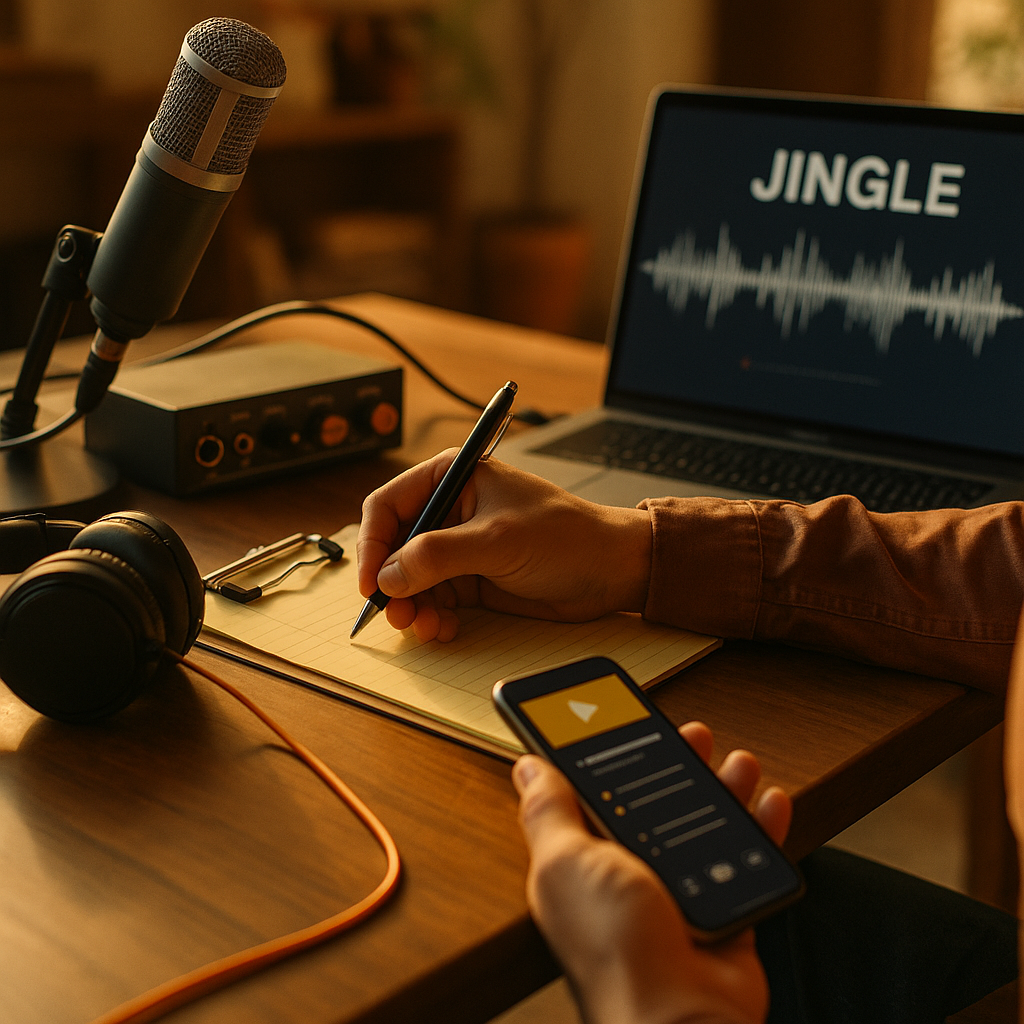
Audio Branding Is Back, and It Never Really Left
Seventy-three percent of TikTok users say they notice audio more on TikTok than on any other platform. Yet most brand audio strategies still treat sound as a post-production afterthought. That gap is exactly where the jingle revival lives, and the brands closing it are turning sponsored creator content into organic audio assets with shelf lives that outlast any paid campaign.
This isn’t nostalgia. It’s infrastructure.
Why Functional Audio Branding Works Differently Now
The original jingle era was a broadcast game. Repetition was forced through paid media — thirty-second TV spots played until the melody calcified in consumer memory. The mechanism was reach and frequency, not resonance.
The social-first jingle operates on a completely different engine. On TikTok, Instagram Reels, and YouTube Shorts, audio clips become standalone assets. Creators find them, remix them, stitch them. A brand sound that gets added to even 500 unsponsored videos has effectively generated earned media at a cost-per-impression that no paid channel can replicate. music video brand spots pioneered this logic, but the jingle format is faster to produce, easier to license, and far simpler to brief at scale.
The functional difference is platform mechanics. TikTok’s audio library, Instagram’s Reels audio tab, and YouTube Shorts’ sound attribution all create discovery pathways that didn’t exist in the broadcast era. A catchy brand sound deposited into those systems can surface in algorithm feeds for months without a single additional dollar spent.
When a branded audio clip earns organic reuse by unsponsored creators, the brand’s cost-per-impression collapses. The jingle stops being a line item and starts being a distribution channel.
What Makes an Audio Asset Actually Earn Reuse
Not every earworm is a platform asset. There’s a meaningful difference between a melody that’s pleasant and one that creators actively want to use. The latter has specific characteristics that brands and briefing teams need to understand before commissioning anything.
Duration fit. Platform-native audio clips run between four and fifteen seconds for the hooks that earn reuse. Longer compositions get saved and ignored. The “sonic logo” concept — a compact, distinctive sound signature — is more useful here than a full jingle. Think Intel’s five-note chime logic, but designed for vertical video behavior.
Lyrical versatility. Jingles that describe a brand product too literally are hard to repurpose. Creators need hooks they can apply to their own content without it reading as an ad. The most reused brand audio in recent cycles has been emotionally or situationally mapped (“that feeling when…” constructions) rather than product-descriptive.
BPM and trend compatibility. Audio that matches the BPM range dominant in current trending sounds moves more naturally through feeds. This isn’t about copying trends — it’s about meeting the ear where it already is. Producers briefed on this context deliver significantly more platform-viable assets.
Sound-on design. This is the single biggest briefing gap. Most social video is still produced with the assumption that viewers may watch muted, then audio is layered in. A jingle revival strategy inverts that. The audio is the hero asset; the video exists to activate it. That’s a fundamentally different production logic, and creators who don’t receive explicit direction on it will default to their standard workflow.
Briefing Creators for Audio-First Sponsored Content
The brief is where most audio branding strategies die. Brands commission a jingle from a composer, send creators a download link, and instruct them to “incorporate the sound naturally.” That’s not a brief. That’s a hope.
Effective audio-first creator briefs have four non-negotiable components:
- Audio context document. Explain the sound’s emotional intent, the tempo, and the scenarios it was designed for. Creators need to understand the sound’s personality before they can deploy it authentically.
- Usage examples or moodboard. Show two or three reference videos where similar audio has earned organic reuse. This calibrates expectations without constraining creativity.
- Sound-on activation requirement. Explicitly state that the video should be designed to be experienced with audio on. This affects hook structure, caption strategy, and the creator’s visual pacing decisions. For the captions-first counterpart to this approach, see our breakdown of sound-off video brief strategy.
- Licensing clarity. Creators need to know whether they can remix, extend, or modify the audio, and whether they retain rights to their version. Ambiguity here creates post-launch legal friction that kills campaigns. For rights considerations in audio-adjacent content, virtual music festival briefing frameworks offer useful precedent.
One thing that separates high-performing audio briefs from average ones: specificity at the hook level. Tell creators exactly where in the video the branded audio should appear (the first three seconds, the transition point, the call-to-action moment) rather than leaving placement to judgment. For a deeper look at brief specificity as a performance driver, the specificity-over-scale scoring framework is worth applying directly to audio assignments.
Platform Strategy: Where to Seed, Where to Amplify
The seeding sequence matters enormously. TikTok remains the highest-leverage platform for audio virality because of how its algorithm weights sound-based discovery. TikTok for Business data consistently shows that branded sounds used organically by creators outperform traditional paid audio placements on attention metrics. But TikTok is not where every brand’s audience lives at conversion depth.
The playbook that’s working: seed the audio on TikTok through three to seven mid-tier creators (100K to 500K followers) who have demonstrated sound-on audiences, then amplify the highest-performing clip into paid Spark Ads. The organic performance data from the seed phase tells you which version of the audio resonated before you commit paid budget. This is risk mitigation as much as creative strategy.
YouTube Shorts deserves more attention in audio branding conversations than it currently gets. Shorts’ connection to YouTube’s broader audio library, and its integration with Google’s search infrastructure, means a brand sound deposited there has a longer discovery tail than TikTok’s more velocity-dependent feed. For brands in categories with longer consideration cycles (financial services, B2B software, home improvement), Shorts audio can keep working search-side for quarters after the campaign ends.
Instagram Reels sits in the middle: strong for reach amplification among existing audiences, but audio reuse behavior is structurally weaker than TikTok’s. Use it to reinforce, not to originate.
Measuring Audio Branding ROI Without Vanity Metrics
The measurement conversation is where brand audio strategies either earn a budget line or get cut. The metrics that matter to a CFO or a performance marketing lead are not the same ones that excite a creative team.
Track these at the campaign level:
- Organic audio reuse count: How many unsponsored videos used the brand sound after the seed campaign? This is the primary indicator of earned media value.
- Sound-on view rate: TikTok and Meta both report this. A jingle campaign that isn’t moving sound-on completion rates hasn’t achieved its objective.
- Audio-attributed reach: Total views on all content (sponsored and organic) that used the brand audio. This is the actual distribution footprint of the asset.
- Brand recall lift: Marketers running brand lift studies through Meta’s brand lift tools or third-party vendors like Kantar should isolate audio-on versus audio-off recall delta. The difference tells you what the sound itself is contributing.
What you should not optimize for: raw view count on the seed posts. A jingle campaign that generates 2 million views on paid Spark Ads but zero organic audio reuse has produced a media buy, not a brand asset.
The ROI test for audio branding is simple: does the sound earn distribution you didn’t pay for? If the answer is no after 60 days, the creative brief failed, not the format.
Production Workflow: From Commission to Creator Delivery
The operational gap most brands hit is the handoff between the composer and the creator team. These two groups rarely communicate directly, which means the creator receives a file with no context, and the composer receives a brief with no platform constraints. Fix this with a single production document that both parties sign off on before the audio is finalized.
The document should specify: target duration (primary hook and extended version), platform-specific technical specs (TikTok’s preferred audio is 44.1kHz stereo; lossy compression at export kills high-frequency hook clarity), intended emotional trigger, and the three or four specific creator scenarios the sound was built for. For brands managing multiple creators across this kind of brief, the briefing-at-scale framework addresses how to preserve audio intent without micromanaging individual creators. And if you’re working with neurodiverse creator talent or accessibility-forward audiences, the neuro-inclusive brief approach has useful guidance on sensory-forward content design.
Production tools like Suno AI and Udio have made rapid jingle iteration dramatically cheaper in the past two years. Brands can now A/B test two or three melodic directions with a small creator cohort before committing to a full composer arrangement. This de-risks the creative investment and surfaces platform performance data before the asset is locked.
Use Sprout Social or a similar listening tool to monitor organic sound adoption in the weeks after seeding. Most teams check this manually and inconsistently. Set up automated alerts for the brand sound name and track reuse velocity weekly, not quarterly.
The Strategic Case for Treating Jingles as Platform Assets
The brands winning in audio right now are not the ones with the biggest production budgets. They’re the ones that understand the difference between a jingle as a creative expression and a jingle as a platform infrastructure investment. The former lives in a campaign. The latter lives in TikTok’s audio library, in the hands of creators who weren’t paid to use it, in the feeds of audiences who weren’t targeted to see it.
That’s a fundamentally different ROI logic. And it requires a fundamentally different briefing discipline to get there.
Start with one creator, one audio asset, one platform. Measure organic reuse in the first thirty days. That data tells you whether you have an earworm or just a song.
Frequently Asked Questions
What is a brand jingle revival strategy in the context of social media?
A brand jingle revival strategy refers to the deliberate creation of short, platform-native audio assets — earworms or sonic logos — designed to be seeded through creator-led sponsored content on platforms like TikTok, Instagram Reels, and YouTube Shorts. Unlike broadcast-era jingles that relied on paid repetition, the social-first approach depends on audio virality mechanics: organic reuse by unsponsored creators, sound-based algorithm discovery, and platform audio library integration. The goal is for the branded sound to earn distribution beyond the paid campaign window.
How do you brief a creator for audio-first sponsored content?
An effective audio-first creator brief must include: an audio context document explaining the sound’s emotional intent and intended use scenarios, visual reference examples of successful audio reuse by other creators, an explicit sound-on activation requirement (instructing the creator to design the video for audio-on viewing), and clear licensing terms specifying whether the creator can remix or modify the audio. Brief specificity at the hook placement level — telling creators exactly where in the video the branded audio should appear — significantly improves performance outcomes.
Which platforms are best for seeding brand audio assets?
TikTok is the highest-leverage platform for initial audio seeding because its algorithm actively weights sound-based discovery and its audio library enables organic reuse by unsponsored creators. The recommended approach is to seed with mid-tier creators (100K to 500K followers) and amplify top-performing clips via Spark Ads. YouTube Shorts offers a longer discovery tail through Google’s search infrastructure, making it valuable for brands in longer-consideration-cycle categories. Instagram Reels is best used for reach reinforcement rather than originating audio virality.
How do you measure the ROI of a brand jingle campaign?
The core ROI metrics for audio branding campaigns are: organic audio reuse count (the number of unsponsored videos using the brand sound after the seed campaign), sound-on view rate, audio-attributed total reach across all content using the sound, and brand recall lift measured by isolating audio-on versus audio-off recall in brand lift studies. Raw view count on sponsored seed posts is not a meaningful ROI indicator for this format, since the primary objective is earned distribution through organic audio adoption rather than direct paid media performance.
Can AI tools be used to produce brand jingles for social-first campaigns?
Yes. AI music generation tools such as Suno and Udio have significantly reduced the cost and time required to produce jingle variations for A/B testing. Brands can now iterate on two or three melodic directions and test them with a small creator cohort before committing to a full composer arrangement. This approach de-risks the creative investment by generating platform performance data before the audio asset is locked. AI-generated audio should still be reviewed for platform technical specifications and brand alignment before creator delivery.
Top Influencer Marketing Agencies
The leading agencies shaping influencer marketing in 2026
Agencies ranked by campaign performance, client diversity, platform expertise, proven ROI, industry recognition, and client satisfaction. Assessed through verified case studies, reviews, and industry consultations.
Moburst

-
2

The Shelf
Boutique Beauty & Lifestyle Influencer AgencyA data-driven boutique agency specializing exclusively in beauty, wellness, and lifestyle influencer campaigns on Instagram and TikTok. Best for brands already focused on the beauty/personal care space that need curated, aesthetic-driven content.Clients: Pepsi, The Honest Company, Hims, Elf Cosmetics, Pure LeafVisit The Shelf → -
3

Audiencly
Niche Gaming & Esports Influencer AgencyA specialized agency focused exclusively on gaming and esports creators on YouTube, Twitch, and TikTok. Ideal if your campaign is 100% gaming-focused — from game launches to hardware and esports events.Clients: Epic Games, NordVPN, Ubisoft, Wargaming, Tencent GamesVisit Audiencly → -
4

Viral Nation
Global Influencer Marketing & Talent AgencyA dual talent management and marketing agency with proprietary brand safety tools and a global creator network spanning nano-influencers to celebrities across all major platforms.Clients: Meta, Activision Blizzard, Energizer, Aston Martin, WalmartVisit Viral Nation → -
5

The Influencer Marketing Factory
TikTok, Instagram & YouTube CampaignsA full-service agency with strong TikTok expertise, offering end-to-end campaign management from influencer discovery through performance reporting with a focus on platform-native content.Clients: Google, Snapchat, Universal Music, Bumble, YelpVisit TIMF → -
6

NeoReach
Enterprise Analytics & Influencer CampaignsAn enterprise-focused agency combining managed campaigns with a powerful self-service data platform for influencer search, audience analytics, and attribution modeling.Clients: Amazon, Airbnb, Netflix, Honda, The New York TimesVisit NeoReach → -
7

Ubiquitous
Creator-First Marketing PlatformA tech-driven platform combining self-service tools with managed campaign options, emphasizing speed and scalability for brands managing multiple influencer relationships.Clients: Lyft, Disney, Target, American Eagle, NetflixVisit Ubiquitous → -
8

Obviously
Scalable Enterprise Influencer CampaignsA tech-enabled agency built for high-volume campaigns, coordinating hundreds of creators simultaneously with end-to-end logistics, content rights management, and product seeding.Clients: Google, Ulta Beauty, Converse, AmazonVisit Obviously →