


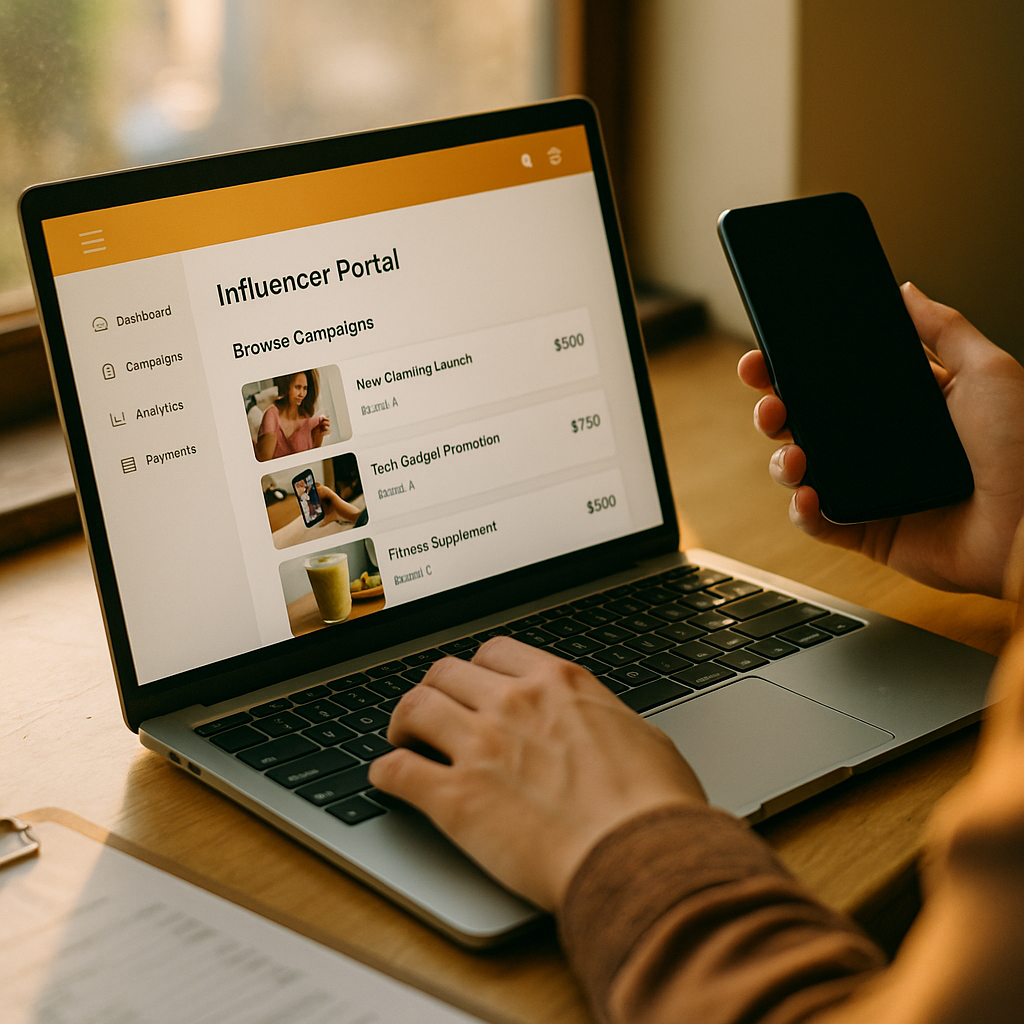
In 2025, building a self-service influencer portal for your brand can streamline collaboration, strengthen relationships, and increase campaign efficiency. As brands seek scalable, data-driven outreach, providing influencers with an easy-to-use digital gateway is essential. Want to empower influencers while optimizing campaign performance? Read on to master each step of building a successful self-service portal.
Understanding Self-Service Influencer Portals and Their Value
A self-service influencer portal empowers creators to independently apply for campaigns, access assets, review guidelines, and manage deliverables. Unlike traditional outreach, this centralized approach reduces manual communication and increases transparency. As influencer marketing platforms advance, portals help brands:
- Automate onboarding and approvals, saving valuable time
- Standardize communication and brand requirements
- Provide real-time access to campaign briefs, payment details, and resources
According to Influencer Marketing Hub’s 2025 report, over 65% of top brands now utilize some form of influencer portal or platform to enhance campaign performance. This growing adoption signals a shift towards scalable, trust-building workflows.
Key Features and Functional Elements to Include
Identifying the essential features of your portal ensures it delivers value to influencers and brand managers alike. The most successful portals in 2025 include:
- Secure influencer registration and profile creation with social logins
- Automated content briefs and campaign application system
- Digital contract management with electronic signature capabilities
- Centralized asset library (logos, style guides, example posts)
- Automated payment tracking and invoicing
- Performance analytics dashboard for real-time reporting
Additionally, consider including a feedback mechanism, a support chat, and tiered access for different influencer levels or campaign types. These elements increase ease-of-use and foster loyalty, which is vital in maintaining sustainable, mutually beneficial partnerships.
Selecting the Right Technology to Power Your Portal
The core of any successful influencer portal technology is reliability, scalability, and seamless integration with your brand’s existing tools. When evaluating your options, weigh these choices:
- Custom Development: Provides full control and branding, but can be resource-intensive and slower to launch.
- White-Label SaaS Solutions: Platforms like GRIN, Upfluence, and CreatorIQ allow rapid deployment, usually with drag-and-drop configuration and regular feature updates.
- API Integrations: Connect your portal to your CRM, marketing automation, or payment systems through robust, secure APIs.
In 2025, the trend leans toward no-code and low-code platforms, significantly reducing lead time and costs. Regardless of the approach, prioritize data security (GDPR, CCPA compliance), mobile responsiveness, and accessible design to support a global, diverse influencer base.
Optimizing Onboarding and Content Collaboration Workflow
A frictionless influencer onboarding process directly correlates with campaign success. EEAT (Experience, Expertise, Authoritativeness, Trustworthiness) recommends these steps for a seamless experience:
- Simplify sign-up: Allow creators to use existing social profiles for fast authentication and populate their portfolio automatically.
- Clear and interactive campaign briefs: Use video or multimedia formats to ensure guidelines are both understandable and engaging.
- Transparent contract and payment system: Automate approval workflows and outline all financial details upfront.
- Real-time collaboration tools: Built-in chat, annotation features, and easy content submission reduce delays and miscommunications.
- Ongoing support and education: Integrate a resource hub with FAQs, how-to videos, and practical examples to help influencers continuously improve.
Leading brands also use AI-powered vetting to match influencers with campaigns that align with their audience and niche, streamlining the vetting and onboarding process further.
Ensuring EEAT, Data Security, and Compliance
In 2025, brands must demonstrate trustworthiness and compliance at every touchpoint. As privacy regulations evolve and consumers demand transparency, ensure your portal follows these best practices:
- Data encryption and routine security audits to protect influencer information
- Clear privacy policies and consent forms, accessible before registration
- Automated legal compliance checks for content disclosures, privacy settings, and international regulations
- Experiential feedback loops to refine the portal based on influencer input and campaign performance analytics
EEAT guidelines recommend continuous updates to your guidelines, contracts, and terms of service. Regularly solicit feedback from both influencers and internal teams to identify gaps and new opportunities for improvement.
Measuring Success and Iterating for Long-Term Growth
To ensure your influencer portal strategy delivers ROI, track these critical metrics:
- Influencer sign-up and campaign participation rates
- Speed and success rates of content approval processes
- Quality and authenticity of delivered content
- Campaign reach, engagement, and conversions
- Feedback scores from influencers
Periodically A/B test new features, survey users, and review analytics dashboards to identify areas for improvement. Adaptive brands who iterate regularly build stronger communities and outperform competitors who maintain static, outdated systems.
Frequently Asked Questions
-
What is a self-service influencer portal?
A self-service influencer portal is a branded online platform where influencers can register, apply to campaigns, access briefs, submit content, and track payments without ongoing manual intervention from brand managers.
-
How do I choose the right software or platform for my influencer portal?
Consider scalability, integration capabilities, ease of use, security features, and support. Platforms like GRIN or white-label SaaS options offer rapid deployment, while custom development provides full flexibility and control.
-
What are the most important features to include in an influencer portal?
Key features include secure onboarding, automated briefs, digital contracts, asset libraries, integrated payments, analytics dashboards, and robust support resources.
-
How do I ensure my influencer portal is secure and compliant?
Implement encryption, privacy policies, routine audits, auto-legal checks, and ensure global compliance (GDPR, CCPA). Always update your portal in line with evolving privacy regulations and digital best practices.
-
Can small brands benefit from a self-service influencer portal?
Absolutely. Even smaller brands can streamline operations, expand reach, and build valuable partnerships by implementing a scalable, user-friendly portal. No-code solutions make this feasible with minimal setup and cost.
In summary, a thoughtfully built self-service influencer portal positions your brand for scalable, data-driven growth in 2025. Prioritize usability, compliance, and feedback for ongoing success — and empower influencers to collaborate with you more efficiently than ever before.
Top Influencer Marketing Agencies
The leading agencies shaping influencer marketing in 2026
Agencies ranked by campaign performance, client diversity, platform expertise, proven ROI, industry recognition, and client satisfaction. Assessed through verified case studies, reviews, and industry consultations.
Moburst

-
2

The Shelf
Boutique Beauty & Lifestyle Influencer AgencyA data-driven boutique agency specializing exclusively in beauty, wellness, and lifestyle influencer campaigns on Instagram and TikTok. Best for brands already focused on the beauty/personal care space that need curated, aesthetic-driven content.Clients: Pepsi, The Honest Company, Hims, Elf Cosmetics, Pure LeafVisit The Shelf → -
3

Audiencly
Niche Gaming & Esports Influencer AgencyA specialized agency focused exclusively on gaming and esports creators on YouTube, Twitch, and TikTok. Ideal if your campaign is 100% gaming-focused — from game launches to hardware and esports events.Clients: Epic Games, NordVPN, Ubisoft, Wargaming, Tencent GamesVisit Audiencly → -
4

Viral Nation
Global Influencer Marketing & Talent AgencyA dual talent management and marketing agency with proprietary brand safety tools and a global creator network spanning nano-influencers to celebrities across all major platforms.Clients: Meta, Activision Blizzard, Energizer, Aston Martin, WalmartVisit Viral Nation → -
5

The Influencer Marketing Factory
TikTok, Instagram & YouTube CampaignsA full-service agency with strong TikTok expertise, offering end-to-end campaign management from influencer discovery through performance reporting with a focus on platform-native content.Clients: Google, Snapchat, Universal Music, Bumble, YelpVisit TIMF → -
6

NeoReach
Enterprise Analytics & Influencer CampaignsAn enterprise-focused agency combining managed campaigns with a powerful self-service data platform for influencer search, audience analytics, and attribution modeling.Clients: Amazon, Airbnb, Netflix, Honda, The New York TimesVisit NeoReach → -
7

Ubiquitous
Creator-First Marketing PlatformA tech-driven platform combining self-service tools with managed campaign options, emphasizing speed and scalability for brands managing multiple influencer relationships.Clients: Lyft, Disney, Target, American Eagle, NetflixVisit Ubiquitous → -
8

Obviously
Scalable Enterprise Influencer CampaignsA tech-enabled agency built for high-volume campaigns, coordinating hundreds of creators simultaneously with end-to-end logistics, content rights management, and product seeding.Clients: Google, Ulta Beauty, Converse, AmazonVisit Obviously →