


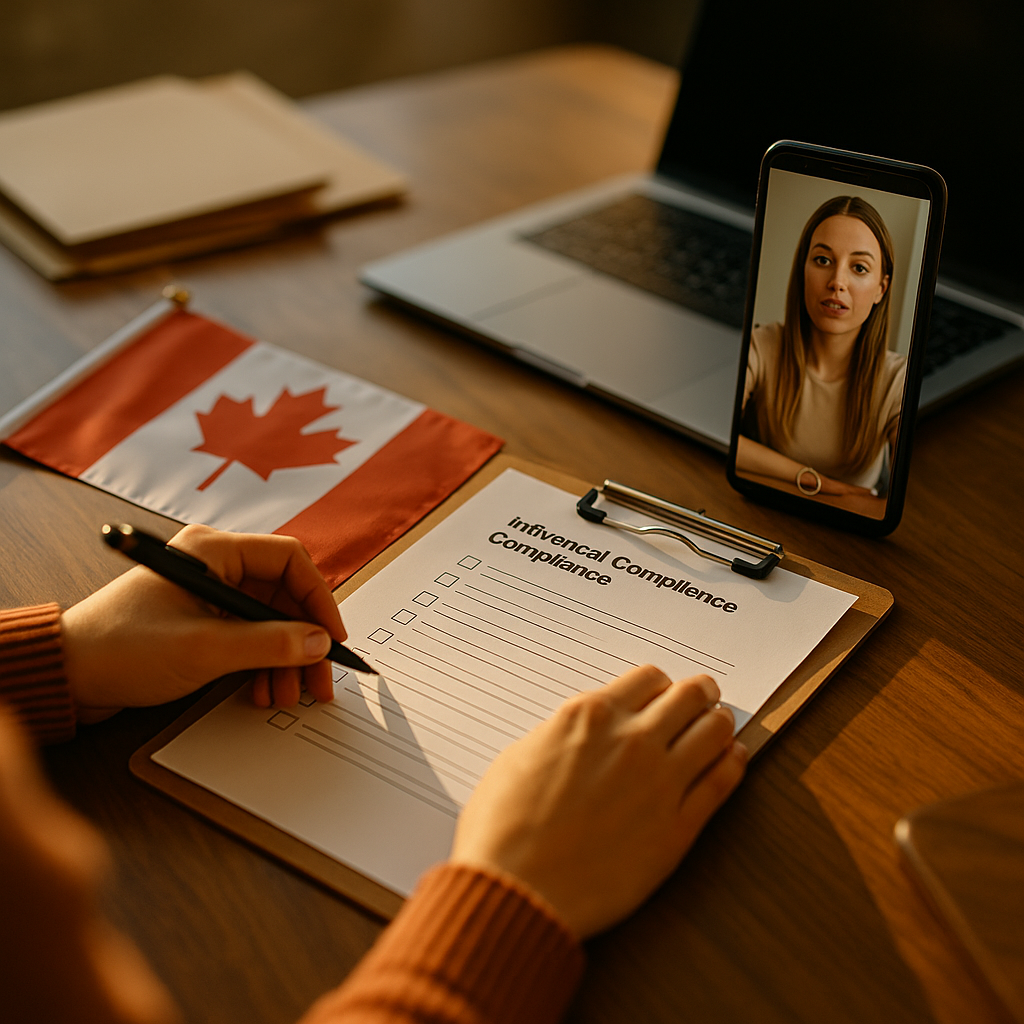
Complying with Canada’s Ad Standards is essential for brands working with Canadian creators. Maintaining transparency, accuracy, and ethical advertising protects both your brand and your partners from regulatory missteps. Wondering how to navigate the Canadian ad compliance landscape with influencers in 2025? Let’s break down the definitive compliance checklist to keep your campaigns on solid ground.
Understanding Ad Standards Canada: The Foundation of Advertising Compliance
Ad Standards Canada, the country’s primary advertising self-regulatory body, oversees marketing communications to ensure advertisements are truthful, fair, and accurate. For brands partnering with Canadian creators, grasping these guidelines is more crucial than ever. Notably, Ad Standards enforces the Canadian Code of Advertising Standards, which covers influencer disclosures, truthfulness, representations, and endorsements across all platforms.
The regulatory environment has evolved. In 2025, emphasis falls on digital and influencer-led content, requiring both brands and creators to comply with:
- Clear identification of advertising (the audience must know when they’re viewing sponsored content)
- Truthful representation (no exaggerations or misleading claims)
- Transparency in endorsements (disclose material connections)
- Compliance with sector-specific rules (e.g., food, beverages, children’s advertising)
Neglecting these standards leads not just to reputational risk, but also regulatory scrutiny and potential penalties.
Key Advertising Disclosure Requirements for Influencer Partnerships
One of the most visible secondary keywords for brands is advertising disclosure. All paid endorsements or incentivized content must clearly notify viewers of the brand partnership. In 2025, the bar for influencer transparency is higher than ever:
- Use straightforward language: #ad, #sponsored, or “Paid Partnership with [Brand Name]” remain the gold standard.
- Disclosures must be prominent: They can’t be buried in a caption or diluted by dozens of unrelated hashtags.
- Video/audio requirements: Spoken and on-screen disclosures for YouTube, TikTok, and podcasts are mandatory when content involves an ongoing brand relationship.
- Platforms matter: Unique disclosure requirements exist for Instagram Stories, Reels, YouTube, podcasts, and newer social channels. The Canadian Competition Bureau recommends erring on the side of over-disclosure if uncertain.
Brands working with Canadian creators are increasingly asked by legal, compliance, and platform stakeholders to provide auditing evidence of proper disclosure. Maintaining meticulous records is now industry best practice.
Best Practices for Truth-in-Advertising and Claim Substantiation
Accurate advertising claims are fundamental to trust. Under the Canadian Code of Advertising Standards—and echoed in Competition Act enforcement—brands must ensure all assertions are evidence-based and not misleading.
- Substantiate every claim: If your creator says a product “works in 24 hours” or is “doctor-recommended,” those claims must be supported by scientific or professional evidence, on file and ready to be provided upon request.
- No overpromising: Avoid hyperbolic statements, before/after imagery, or miraculous testimonials that could mislead consumers.
- Endorsements reflect actual experience: Creators should genuinely use and endorse the products or services they promote.
- Referencing third-party reviews or studies: Ensure appropriate permissions for use, and that cited studies or statistics actually support the claims.
Non-compliance risks not only consumer backlash, but also regulatory enforcement by Ad Standards or the Competition Bureau. These authorities regularly review and investigate complaints about influencer campaigns.
Kids & Sensitive Sector Advertising: Special Ad Standards Rules
Advertising to children, or within regulated industries, comes with unique Canadian advertising rules. If your brand or creator campaign targets children under 13, or promotes sensitive sectors (food, health, alcohol, gambling), expect enhanced scrutiny in 2025:
- Children’s content: Ads must not exploit children’s credulity, lack of experience, or sense of loyalty. Disclosures must be even more obvious and cannot encourage children to buy or ask for a product directly.
- Food and beverage: Health claims must pass rigorous scientific verification. High-fat, high-sugar items promoted to children face added compliance checks.
- Alcohol, gambling, and health products: Must meet sector-specific ad codes, including age-gating, government warnings, or limiting claims of efficacy or benefit.
Extra compliance steps may include platform age-targeting settings, additional creator briefings, and pre-campaign approvals from legal or regulatory consultants.
Contractual Duties: Protecting Your Brand in Influencer Agreements
Influencer contract compliance is a critical part of Canada’s ad standards checklist. A robust contract protects your brand and ensures creators understand their obligations. Vital contract inclusions for 2025 are:
- Disclosure expectations: Outline where, when, and how partners must disclose sponsorship.
- Pre-review rights: Reserve the right to review and approve all content before publication.
- Claim substantiation clause: Require creators to avoid claims you haven’t pre-approved or validated with evidence.
- Notice and penalty: Detail procedures if guidelines aren’t followed, including content removal, payment withholding, or legal indemnity.
- Record-keeping duties: Mandate creators to document disclosures and retain campaign materials for regulatory review.
Collaborate with legal or compliance experts to keep templates up to date. These contracts establish clear boundaries in the ever-evolving landscape of influencer marketing compliance.
Maintaining Ongoing Canadian Ad Standards Compliance in 2025
Ad compliance is not a one-time endeavor. Ongoing ad standards monitoring ensures campaigns don’t go astray as guidelines evolve or platforms release new features. Maintain your edge by:
- Regularly training teams and creators on changes to Ad Standards, Competition Act guidance, and major platform T&Cs.
- Performing periodic content audits—especially for evergreen or long-running campaigns.
- Staying plugged into industry news from Ad Standards, the Competition Bureau, IAB Canada, and top legal advisors.
- Building feedback loops with Canadian creators to spot shifting platform expectations early.
With AI-driven compliance checks and improved disclosure tools rolling out in 2025, leading brands are integrating these resources to lighten the monitoring load and catch potential slip-ups before they go public.
Conclusion: Your Canadian Ad Standards Compliance Checklist, In Practice
In 2025, brands working with Canadian creators must champion transparency, evidence, and up-to-date contracts to meet Canada’s Ad Standards. Rigorous internal processes and education safeguard your campaigns and foster lasting trust. Embed compliance at every step—for your brand, your partners, and your audience’s confidence.
FAQs: Ad Standards Canada Compliance for Influencer Campaigns
-
What are the main disclosure requirements for influencer marketing in Canada in 2025?
Influencers must clearly disclose sponsored relationships using explicit language like #ad or “Paid Partnership,” with disclosures easily seen or heard in every promotional post or video—across every social platform.
-
What happens if I don’t comply with Ad Standards Canada?
Non-compliance can trigger consumer complaints, regulatory investigations, takedown requests, and reputational harm. In severe cases, the Competition Bureau may issue penalties or fines for deceptive marketing.
-
How do I ensure my claims are properly substantiated?
Keep documented proof for all marketing claims, such as research, third-party studies, or clinical trial data. Only allow creators to use claims you’ve verified and approved in advance.
-
Are there extra rules for ads aimed at children?
Yes. Advertising to children, especially those under 13, is tightly regulated in Canada. Content must avoid manipulating children’s trust, and disclosures must be crystal-clear and age-appropriate.
-
How often should we review our influencer contracts for compliance?
Update contracts at least annually—or whenever laws, Ad Standards guidance, or major platform rules change. Legal consultation ensures your agreements remain airtight and current.
Top Influencer Marketing Agencies
The leading agencies shaping influencer marketing in 2026
Agencies ranked by campaign performance, client diversity, platform expertise, proven ROI, industry recognition, and client satisfaction. Assessed through verified case studies, reviews, and industry consultations.
Moburst

-
2

The Shelf
Boutique Beauty & Lifestyle Influencer AgencyA data-driven boutique agency specializing exclusively in beauty, wellness, and lifestyle influencer campaigns on Instagram and TikTok. Best for brands already focused on the beauty/personal care space that need curated, aesthetic-driven content.Clients: Pepsi, The Honest Company, Hims, Elf Cosmetics, Pure LeafVisit The Shelf → -
3

Audiencly
Niche Gaming & Esports Influencer AgencyA specialized agency focused exclusively on gaming and esports creators on YouTube, Twitch, and TikTok. Ideal if your campaign is 100% gaming-focused — from game launches to hardware and esports events.Clients: Epic Games, NordVPN, Ubisoft, Wargaming, Tencent GamesVisit Audiencly → -
4

Viral Nation
Global Influencer Marketing & Talent AgencyA dual talent management and marketing agency with proprietary brand safety tools and a global creator network spanning nano-influencers to celebrities across all major platforms.Clients: Meta, Activision Blizzard, Energizer, Aston Martin, WalmartVisit Viral Nation → -
5

The Influencer Marketing Factory
TikTok, Instagram & YouTube CampaignsA full-service agency with strong TikTok expertise, offering end-to-end campaign management from influencer discovery through performance reporting with a focus on platform-native content.Clients: Google, Snapchat, Universal Music, Bumble, YelpVisit TIMF → -
6

NeoReach
Enterprise Analytics & Influencer CampaignsAn enterprise-focused agency combining managed campaigns with a powerful self-service data platform for influencer search, audience analytics, and attribution modeling.Clients: Amazon, Airbnb, Netflix, Honda, The New York TimesVisit NeoReach → -
7

Ubiquitous
Creator-First Marketing PlatformA tech-driven platform combining self-service tools with managed campaign options, emphasizing speed and scalability for brands managing multiple influencer relationships.Clients: Lyft, Disney, Target, American Eagle, NetflixVisit Ubiquitous → -
8

Obviously
Scalable Enterprise Influencer CampaignsA tech-enabled agency built for high-volume campaigns, coordinating hundreds of creators simultaneously with end-to-end logistics, content rights management, and product seeding.Clients: Google, Ulta Beauty, Converse, AmazonVisit Obviously →