


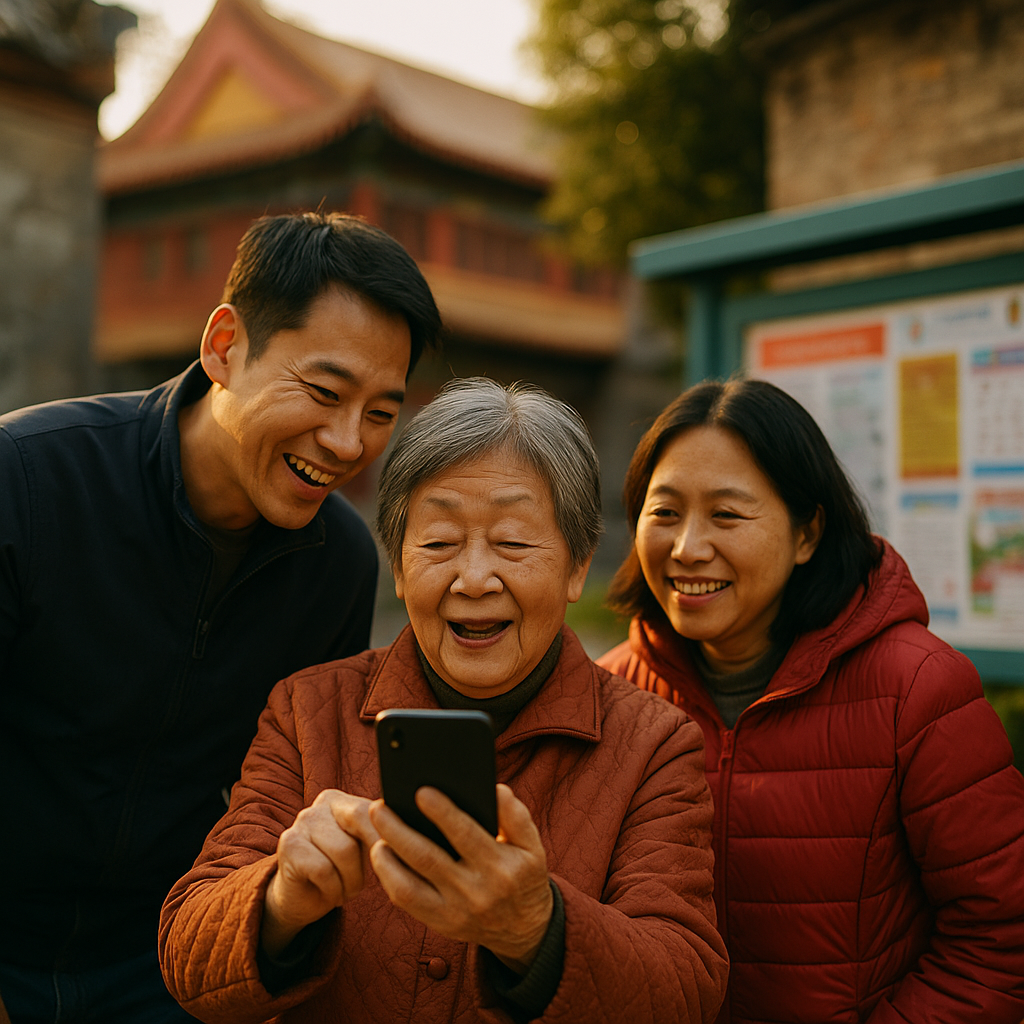
A 25 percent lift in conversion and retention. That’s what disciplined micro-community strategy is delivering for brands operating in China’s tightly-knit social commerce ecosystem. Western marketers still treating “community” as a Discord server nobody checks are watching that number and wondering what they’re missing.
The uncomfortable truth: most Western brands built communities for vanity metrics, not commerce. China built them for revenue. That gap is the whole story.
What the 25 Percent Number Actually Measures
The figure circulating out of China’s retail and social platforms isn’t a single study — it’s a pattern showing up across multiple brand case studies on WeChat groups, Xiaohongshu (RedNote) communities, and Douyin fan clubs. Brands running structured micro-communities of a few hundred to a few thousand highly engaged members report roughly 25 percent higher repeat purchase rates and conversion lift compared to broad-reach campaigns targeting the same audience size.
Why does this matter to a CMO in Chicago or a brand director in London? Because the mechanics driving that lift aren’t culturally specific. They’re structural. Smaller, moderated, purpose-built groups outperform open broadcast channels because trust compounds inside them. That’s a universal marketing principle, not a China-only phenomenon.
Micro-communities in China aren’t a nice-to-have engagement tactic — they’re a commerce infrastructure, built with the same rigor brands apply to paid media budgets.
Compare that to how most Western brands run community: a Facebook Group nobody moderates, an ambassador program with no retention mechanics, a Slack channel that dies after launch week. The structure is the differentiator, not the platform.
Why Reach-First Strategy Is Losing Ground Everywhere
This isn’t happening in isolation. Western platforms are already signaling the same shift. TikTok’s own ranking changes now favor trust signals over raw reach, and Instagram’s friend-content share has collapsed to single digits, pushing brands toward smaller, more intentional engagement pockets whether they like it or not.
Add to that the data from Circana showing creator ROI clustering in a handful of categories rather than spreading evenly across influencer tiers, and a picture emerges: broad reach is commoditizing fast. Brands that keep buying it are paying premium prices for diminishing returns.
Micro-communities sidestep that commoditization entirely. You’re not renting attention from a platform algorithm. You’re owning a relationship. That distinction is exactly what we’ve flagged before when discussing how AI discovery is pushing brands to own audiences instead of renting reach. China’s data just puts a hard number on the payoff.
The Operational Playbook China’s Brands Actually Use
Strip away the cultural specifics and the operational model is surprisingly transferable. Chinese brands running high-performing micro-communities share four traits:
- Tight membership caps. Groups rarely exceed 500 members before splitting into new cohorts. Density of trust matters more than headcount.
- Dedicated community managers, not marketers moonlighting. Someone owns the relationship daily, answering questions and surfacing product feedback in real time.
- Exclusive commerce mechanics. Early access, group-only pricing, and flash drops give members a tangible reason to stay active, not just subscribed.
- Creator-seeded, not brand-seeded, launch. Micro and nano creators recruit the first cohort, lending credibility a brand account can’t manufacture on its own.
That last point connects directly to a trend we’ve tracked closely: micro and nano-influencer rates are rising fast, and community seeding is a big reason why. Brands are paying a premium for creators who can convert an audience into an active member base, not just generate impressions.
Is This Just Ambassador Marketing Rebranded?
Fair question. Skeptics will say Western brands have run ambassador programs for years — what’s actually new here?
The difference is measurement discipline and retention design. Most Western ambassador programs measure output: posts published, hashtags used, follower counts of participants. China’s micro-community model measures input into commerce: repeat purchase rate inside the group, conversion lift versus a lookalike audience outside it, and churn rate month over month.
That’s a fundamentally different operating model. It treats the community as a P&L line, not a PR asset. Brands serious about replicating the 25 percent lift need to adopt that same measurement rigor, which means tracking cohort-level revenue data, not just engagement rate.
This lines up with what Circana’s underspend data has already suggested: brands consistently misallocate budget away from the tactics with the clearest ROI trail because those tactics don’t produce flashy reach numbers. Micro-community investment suffers from the same visibility bias. It’s quieter than a viral campaign, harder to screenshot for a board deck, and it works better.
Where Western Brands Get Community Wrong
Three recurring failure modes show up when Western brands attempt this:
- They launch the community, then abandon moderation. No dedicated owner means engagement decays within weeks.
- They treat it as a broadcast channel. One-way announcements kill the two-way trust dynamic that drives the lift in the first place.
- They can’t tie it to revenue. Without commerce mechanics baked in — early access, exclusive bundles, member pricing — there’s no clean way to attribute lift, and finance teams eventually cut the budget.
The third failure mode is the most costly, because it’s invisible until budget season. A community team without a revenue attribution model looks like a cost center. That’s precisely the trap flagged in coverage of CPG budget freezes tied to unclear creator ROI — anything that can’t prove its number gets cut first when budgets tighten.
Building the Business Case for a Micro-Community Pilot
Nobody’s asking a CMO to reallocate a national campaign budget on a single overseas stat. But a controlled pilot is low-risk and fast to stand up. Here’s a reasonable structure for a first quarter test:
- Cap the pilot at 300-500 highly engaged customers or fans, sourced from your existing CRM or loyalty program.
- Assign one dedicated community manager, not a shared marketing generalist.
- Build in at least one exclusive commerce mechanic — early access or a member-only bundle — within the first 30 days.
- Track cohort repeat purchase rate against a matched control group outside the community.
- Run the pilot for a minimum of 90 days before drawing conclusions. Trust compounds slowly.
This mirrors the shift toward retainer-based creator relationships replacing one-off deals — both trends reward brands willing to invest in depth over breadth. Long-term thinking wins, structurally, over campaign-by-campaign spend.
Platforms are cooperating, too. Meta’s Business Suite and TikTok’s creator marketplace both offer tools to manage smaller cohort engagement rather than pure broadcast, and HubSpot’s community management resources increasingly treat owned communities as a CRM extension rather than a social media afterthought.
The Compliance Angle Nobody’s Talking About Yet
One overlooked benefit: micro-communities are easier to govern than open influencer campaigns. Smaller, moderated groups make disclosure and youth-safety compliance far more manageable, an increasingly urgent concern as youth safety regulation converges globally. When you know who’s in the room, you can enforce FTC disclosure standards and platform policy consistently, rather than chasing violations across an open hashtag.
Check current guidance from the FTC’s endorsement disclosure rules and, for UK-facing brands, the ICO’s data protection guidance before scaling any community that collects member data — moderated groups still count as data processing, and regulators are paying attention.
FAQs
Frequently Asked Questions
What is a micro-community in a brand marketing context?
A micro-community is a small, moderated group of highly engaged customers or fans, typically capped between a few hundred and a few thousand members, built around shared interest in a brand and often incentivized with exclusive access, pricing, or content.
Where does the 25 percent lift figure come from?
It reflects a pattern seen across multiple brand case studies in China’s social commerce ecosystem, primarily on WeChat, Xiaohongshu, and Douyin, comparing repeat purchase and conversion rates inside structured micro-communities against broader reach campaigns.
Can Western brands realistically replicate this model?
Yes, though it requires operational discipline: dedicated community management, membership caps, built-in commerce mechanics, and cohort-level revenue tracking rather than engagement-only metrics.
How is this different from a traditional ambassador or loyalty program?
Traditional programs typically measure output (posts, follower counts). Micro-community strategy measures commerce input: retention, repeat purchase rate, and conversion lift against a control group, treating the community as a revenue channel rather than a PR asset.
What’s the biggest risk in launching a micro-community?
Under-resourcing moderation. Communities that launch without a dedicated owner or clear commerce tie-in tend to decay within weeks and become difficult to justify in budget reviews.
Should brands worry about compliance in smaller communities?
Yes. Moderated communities still count as data processing and require adherence to disclosure and data protection rules, including FTC endorsement guidance and, for UK audiences, ICO data protection standards.
Next step: Don’t wait for a perfect business case. Pull 300 of your highest-LTV customers into a pilot group this quarter, assign one owner, and measure repeat purchase rate against a control cohort for 90 days. That’s the fastest path to proving — or disproving — your own version of the 25 percent lift.
FAQs
What is a micro-community in a brand marketing context?
A micro-community is a small, moderated group of highly engaged customers or fans, typically capped between a few hundred and a few thousand members, built around shared interest in a brand and often incentivized with exclusive access, pricing, or content.
Where does the 25 percent lift figure come from?
It reflects a pattern seen across multiple brand case studies in China’s social commerce ecosystem, primarily on WeChat, Xiaohongshu, and Douyin, comparing repeat purchase and conversion rates inside structured micro-communities against broader reach campaigns.
Can Western brands realistically replicate this model?
Yes, though it requires operational discipline: dedicated community management, membership caps, built-in commerce mechanics, and cohort-level revenue tracking rather than engagement-only metrics.
How is this different from a traditional ambassador or loyalty program?
Traditional programs typically measure output (posts, follower counts). Micro-community strategy measures commerce input: retention, repeat purchase rate, and conversion lift against a control group, treating the community as a revenue channel rather than a PR asset.
What’s the biggest risk in launching a micro-community?
Under-resourcing moderation. Communities that launch without a dedicated owner or clear commerce tie-in tend to decay within weeks and become difficult to justify in budget reviews.
Should brands worry about compliance in smaller communities?
Yes. Moderated communities still count as data processing and require adherence to disclosure and data protection rules, including FTC endorsement guidance and, for UK audiences, ICO data protection standards.
Top Influencer Marketing Agencies
The leading agencies shaping influencer marketing in 2026
Agencies ranked by campaign performance, client diversity, platform expertise, proven ROI, industry recognition, and client satisfaction. Assessed through verified case studies, reviews, and industry consultations.
Moburst

-
2

The Shelf
Boutique Beauty & Lifestyle Influencer AgencyA data-driven boutique agency specializing exclusively in beauty, wellness, and lifestyle influencer campaigns on Instagram and TikTok. Best for brands already focused on the beauty/personal care space that need curated, aesthetic-driven content.Clients: Pepsi, The Honest Company, Hims, Elf Cosmetics, Pure LeafVisit The Shelf → -
3

Audiencly
Niche Gaming & Esports Influencer AgencyA specialized agency focused exclusively on gaming and esports creators on YouTube, Twitch, and TikTok. Ideal if your campaign is 100% gaming-focused — from game launches to hardware and esports events.Clients: Epic Games, NordVPN, Ubisoft, Wargaming, Tencent GamesVisit Audiencly → -
4

Viral Nation
Global Influencer Marketing & Talent AgencyA dual talent management and marketing agency with proprietary brand safety tools and a global creator network spanning nano-influencers to celebrities across all major platforms.Clients: Meta, Activision Blizzard, Energizer, Aston Martin, WalmartVisit Viral Nation → -
5

The Influencer Marketing Factory
TikTok, Instagram & YouTube CampaignsA full-service agency with strong TikTok expertise, offering end-to-end campaign management from influencer discovery through performance reporting with a focus on platform-native content.Clients: Google, Snapchat, Universal Music, Bumble, YelpVisit TIMF → -
6

NeoReach
Enterprise Analytics & Influencer CampaignsAn enterprise-focused agency combining managed campaigns with a powerful self-service data platform for influencer search, audience analytics, and attribution modeling.Clients: Amazon, Airbnb, Netflix, Honda, The New York TimesVisit NeoReach → -
7

Ubiquitous
Creator-First Marketing PlatformA tech-driven platform combining self-service tools with managed campaign options, emphasizing speed and scalability for brands managing multiple influencer relationships.Clients: Lyft, Disney, Target, American Eagle, NetflixVisit Ubiquitous → -
8

Obviously
Scalable Enterprise Influencer CampaignsA tech-enabled agency built for high-volume campaigns, coordinating hundreds of creators simultaneously with end-to-end logistics, content rights management, and product seeding.Clients: Google, Ulta Beauty, Converse, AmazonVisit Obviously →