


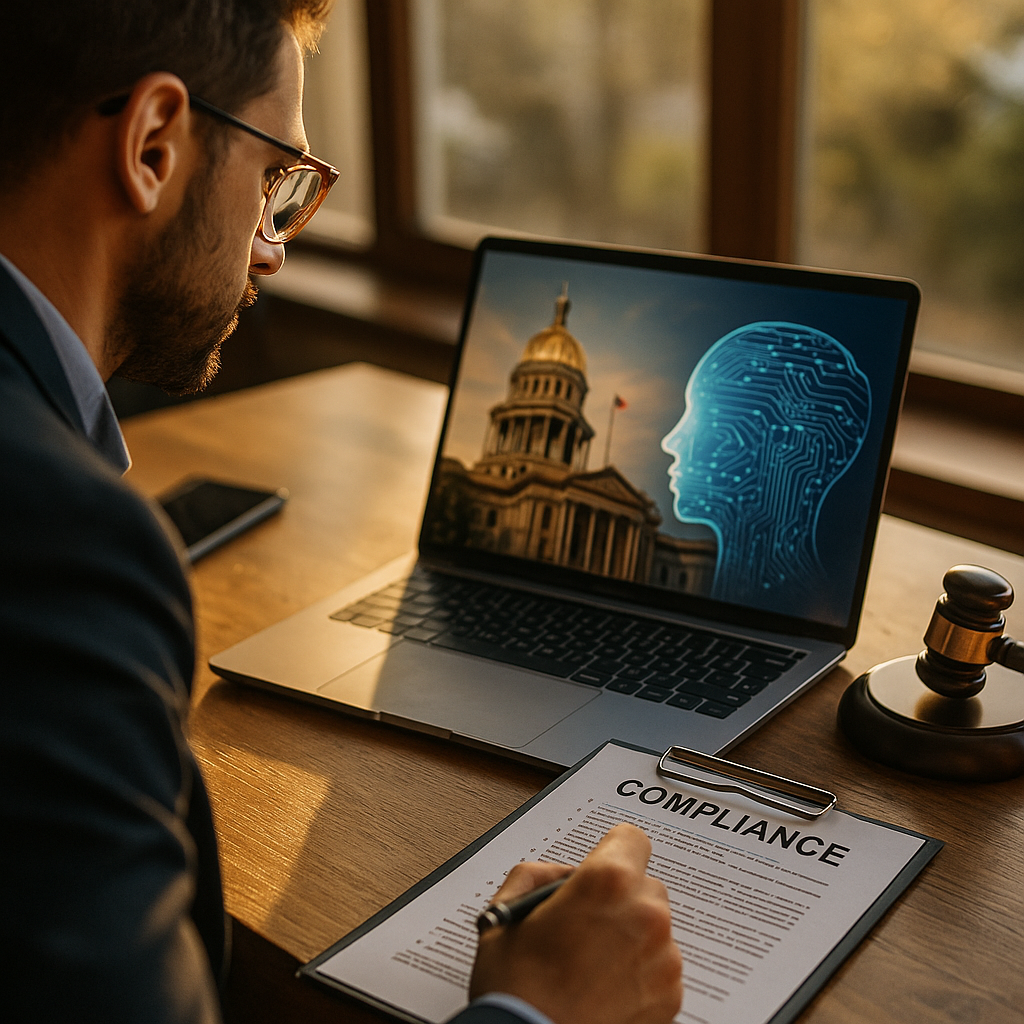
Colorado just handed brands an 18-month reprieve on the strictest AI regulation in the country. The Colorado AI Act, originally set to take effect this year, has been pushed to June 2027. That’s not a green light to ignore it. It’s a countdown clock, and the brands running AI-driven creator campaigns who treat this Colorado AI Act delay as a compliance dress rehearsal will be the ones not scrambling when enforcement finally lands.
Why the Delay Happened, and Why It Doesn’t Change Much
Colorado lawmakers pushed the effective date back for the second time, citing industry pressure and unresolved definitional fights over what counts as a “high-risk” AI system. Trade groups argued the original compliance timeline was unworkable, especially for mid-size companies without dedicated AI governance teams. Sound familiar? It’s the same argument brands made about GDPR in its early days, and about half the state privacy laws that followed.
The delay doesn’t touch the substance of the law. Colorado’s statute still requires “developers” and “deployers” of high-risk AI systems to conduct impact assessments, notify consumers when AI plays a consequential role in a decision, and implement risk-management programs. For marketing teams, the deployer obligations matter most: if you’re using AI tools to screen creators, target ad delivery, personalize influencer content, or automate campaign decisions that affect consumers, you may fall under the law’s scope once it activates.
An 18-month delay is not a pause button on regulatory risk. It’s extra runway for brands to build the documentation trail regulators will eventually ask for.
Marketing teams that spent the last two years bolting AI onto creator workflows, briefing tools, casting algorithms, automated content moderation, now have a second chance to get the paperwork right before it’s mandatory. Waste that runway and you’re back to reactive compliance scrambles, the same pattern brands fell into with early state AI disclosure laws.
What Counts as “High-Risk” in a Creator Campaign Context?
This is where most marketing leads get tripped up. Colorado’s law wasn’t written with influencer marketing in mind, it was written for AI in hiring, lending, healthcare, and housing. But the “consequential decision” language is broad enough to sweep in adjacent marketing use cases, particularly:
- AI-powered creator vetting tools that score influencers for brand safety or fraud risk, and feed into pay-or-pass decisions.
- Algorithmic ad targeting that determines which consumers see which offers, especially in regulated categories like finance, housing, or employment-adjacent products.
- AI content generation systems used to draft, personalize, or dub creator content at scale, where the output could mislead consumers about authenticity.
- Automated moderation or approval workflows that reject or flag creator content without meaningful human review.
Notice the pattern: the risk isn’t the AI tool itself, it’s the absence of a documented human check on decisions that affect real people. That’s the same logic regulators are applying globally, and it echoes what we’ve seen in coverage of human-override clauses in AI media-buying contracts. If your vendor contracts don’t specify who signs off before an AI decision goes live, Colorado’s law (and its inevitable copycats) will treat that gap as a liability.
The Roadmap: Four Things to Build Before Enforcement Starts
Think of the next 18 months as a build phase, not a waiting period. Here’s what a genuinely useful compliance roadmap looks like for brand and agency teams running AI-assisted creator programs.
1. Inventory every AI touchpoint in your creator workflow
Most CMOs underestimate how much AI is already embedded in their influencer stack. Casting platforms use AI scoring. Content moderation tools use AI classifiers. Media buying platforms use AI bidding. Start with a full inventory: which tools, which vendors, which decisions are automated versus human-reviewed. You cannot assess risk on systems you haven’t mapped.
2. Draft impact assessments now, not in 2027
Colorado’s law requires documented impact assessments for high-risk systems. Waiting until the deadline means writing these under pressure, with legal breathing down your neck. Draft them now, even in template form. Cover: what the system does, what data it uses, what harms it could cause, and what safeguards exist. This is functionally similar to the documentation work brands have already done under GDPR’s data protection impact assessment requirements, so legal teams aren’t starting from zero.
3. Fix your vendor contracts before the law forces you to
Here’s the uncomfortable truth: most influencer platform and AI vendor contracts were written before anyone thought seriously about deployer liability. Brands assumed the platform handled compliance. Colorado’s law puts real obligations on deployers, meaning you, the brand, not just the developer building the tool.
Renegotiate now. Push for contract language that specifies data provenance, bias testing results, and — critically — human-override rights. This isn’t hypothetical; it’s the exact contract gap explored in our look at who pays when agentic bidding errors occur. If your vendor contract is silent on liability allocation, you’re the one holding the bag when a regulator comes calling.
4. Align state AI rules with your existing FTC disclosure program
Colorado won’t be regulating alone for long. Similar bills are moving through other statehouses, and brands running national creator campaigns can’t build 50 separate compliance programs. The smarter move is building one unified framework that satisfies the strictest state standard while staying aligned with FTC Section 5 disclosure expectations.
This is exactly the tension covered in our state-by-state breakdown of AI-generated ad exposure. Brands that build a single compliance baseline, then layer state-specific requirements on top, spend less and move faster than teams reinventing the wheel every time a new state law drops.
What This Means for Agencies and In-House Teams
If you run creator campaigns through an agency, ask them directly: do you have documented AI impact assessments for the tools you use on our account? Most agencies don’t, yet. That’s not necessarily a red flag today, but it will be one in 2027. Build the requirement into your next contract renewal or RFP cycle.
In-house teams should treat this delay as an internal audit trigger. Pull your legal, marketing ops, and procurement teams into one room and map every AI decision point in your creator pipeline. According to eMarketer, AI-assisted ad spend continues to climb sharply year over year, which means the surface area for regulatory exposure is growing just as fast as the tools themselves.
Brands that wait for enforcement to start building compliance infrastructure will be doing it under a deadline, with regulators, not vendors, setting the terms.
How Colorado Fits the Broader State Patchwork
Colorado isn’t operating in isolation. California, New York, and a handful of other states have introduced or passed AI-adjacent disclosure and synthetic media rules, each with slightly different triggers and thresholds. New York’s synthetic performer law, for instance, already imposes disclosure duties that overlap meaningfully with what Colorado will eventually require, as we detailed in our coverage of the NY synthetic performer law.
The practical implication: don’t build a “Colorado compliance program.” Build an AI governance framework flexible enough to absorb Colorado, New York, California, and whatever comes next. The FTC has also signaled continued interest in AI-related deceptive practices at the federal level, meaning brands need a framework that satisfies state and federal expectations simultaneously, not two separate compliance tracks.
Legal teams reviewing AI-generated creator content should also revisit disclosure checklists regularly. Our legal review checklist for AI-generated UGC is a useful starting point for building internal sign-off procedures ahead of any state deadline.
The Cost of Getting This Wrong
Regulatory delay creates a false sense of security. Marketing leaders see “2027” and mentally file the issue under “later.” But compliance infrastructure, real infrastructure, takes months to build properly: vendor renegotiation cycles, legal review queues, cross-functional buy-in. Starting in early 2027 means you’re already behind.
There’s also a reputational dimension. Brands that get caught flat-footed on AI compliance don’t just face regulatory fines, they face the PR fallout of looking careless with consumer trust. In a climate where consumers are increasingly skeptical of AI-generated content, per ongoing research from Statista on consumer trust in AI marketing, being early on compliance is itself a brand differentiator.
Use the delay wisely: audit now, fix contracts now, document now. When June 2027 arrives, the goal isn’t to comply, it’s to already have been compliant for a year.
Frequently Asked Questions
What is the Colorado AI Act and who does it apply to?
The Colorado AI Act regulates developers and deployers of “high-risk” artificial intelligence systems, requiring impact assessments, consumer notifications, and risk-management programs. It applies broadly to companies making consequential decisions about Colorado consumers using AI, which can include marketing and creator vetting tools depending on how they’re used.
When does the Colorado AI Act actually take effect now?
The law’s effective date has been delayed to June 2027, giving companies additional time to build compliance programs before enforcement begins.
Does the Colorado AI Act apply to influencer marketing specifically?
Not by name, but its “consequential decision” language can capture AI tools used in creator vetting, algorithmic ad targeting, and automated content moderation if those systems affect consumers in Colorado.
What should brands do during the delay period?
Inventory all AI touchpoints in creator workflows, draft impact assessments, renegotiate vendor contracts for liability and human-override clauses, and align state compliance work with existing FTC disclosure practices.
How does Colorado’s law relate to other state AI regulations?
Colorado is part of a broader wave of state-level AI and synthetic media laws, including rules in New York and California. Brands should build one flexible governance framework rather than separate state-specific programs.
What happens if brands ignore the delay and do nothing?
Companies that wait until closer to the 2027 deadline risk scrambling under time pressure, facing vendor renegotiation bottlenecks, incomplete documentation, and greater exposure to regulatory penalties and reputational damage.
Next step: pull your AI vendor contracts this quarter and check for one thing: does anyone have the explicit right to override an automated decision before it reaches a consumer? If not, that’s your first fix, and it’s the cheapest compliance investment you’ll make before 2027.
Top Influencer Marketing Agencies
The leading agencies shaping influencer marketing in 2026
Agencies ranked by campaign performance, client diversity, platform expertise, proven ROI, industry recognition, and client satisfaction. Assessed through verified case studies, reviews, and industry consultations.
Moburst

-
2

The Shelf
Boutique Beauty & Lifestyle Influencer AgencyA data-driven boutique agency specializing exclusively in beauty, wellness, and lifestyle influencer campaigns on Instagram and TikTok. Best for brands already focused on the beauty/personal care space that need curated, aesthetic-driven content.Clients: Pepsi, The Honest Company, Hims, Elf Cosmetics, Pure LeafVisit The Shelf → -
3

Audiencly
Niche Gaming & Esports Influencer AgencyA specialized agency focused exclusively on gaming and esports creators on YouTube, Twitch, and TikTok. Ideal if your campaign is 100% gaming-focused — from game launches to hardware and esports events.Clients: Epic Games, NordVPN, Ubisoft, Wargaming, Tencent GamesVisit Audiencly → -
4

Viral Nation
Global Influencer Marketing & Talent AgencyA dual talent management and marketing agency with proprietary brand safety tools and a global creator network spanning nano-influencers to celebrities across all major platforms.Clients: Meta, Activision Blizzard, Energizer, Aston Martin, WalmartVisit Viral Nation → -
5

The Influencer Marketing Factory
TikTok, Instagram & YouTube CampaignsA full-service agency with strong TikTok expertise, offering end-to-end campaign management from influencer discovery through performance reporting with a focus on platform-native content.Clients: Google, Snapchat, Universal Music, Bumble, YelpVisit TIMF → -
6

NeoReach
Enterprise Analytics & Influencer CampaignsAn enterprise-focused agency combining managed campaigns with a powerful self-service data platform for influencer search, audience analytics, and attribution modeling.Clients: Amazon, Airbnb, Netflix, Honda, The New York TimesVisit NeoReach → -
7

Ubiquitous
Creator-First Marketing PlatformA tech-driven platform combining self-service tools with managed campaign options, emphasizing speed and scalability for brands managing multiple influencer relationships.Clients: Lyft, Disney, Target, American Eagle, NetflixVisit Ubiquitous → -
8

Obviously
Scalable Enterprise Influencer CampaignsA tech-enabled agency built for high-volume campaigns, coordinating hundreds of creators simultaneously with end-to-end logistics, content rights management, and product seeding.Clients: Google, Ulta Beauty, Converse, AmazonVisit Obviously →