


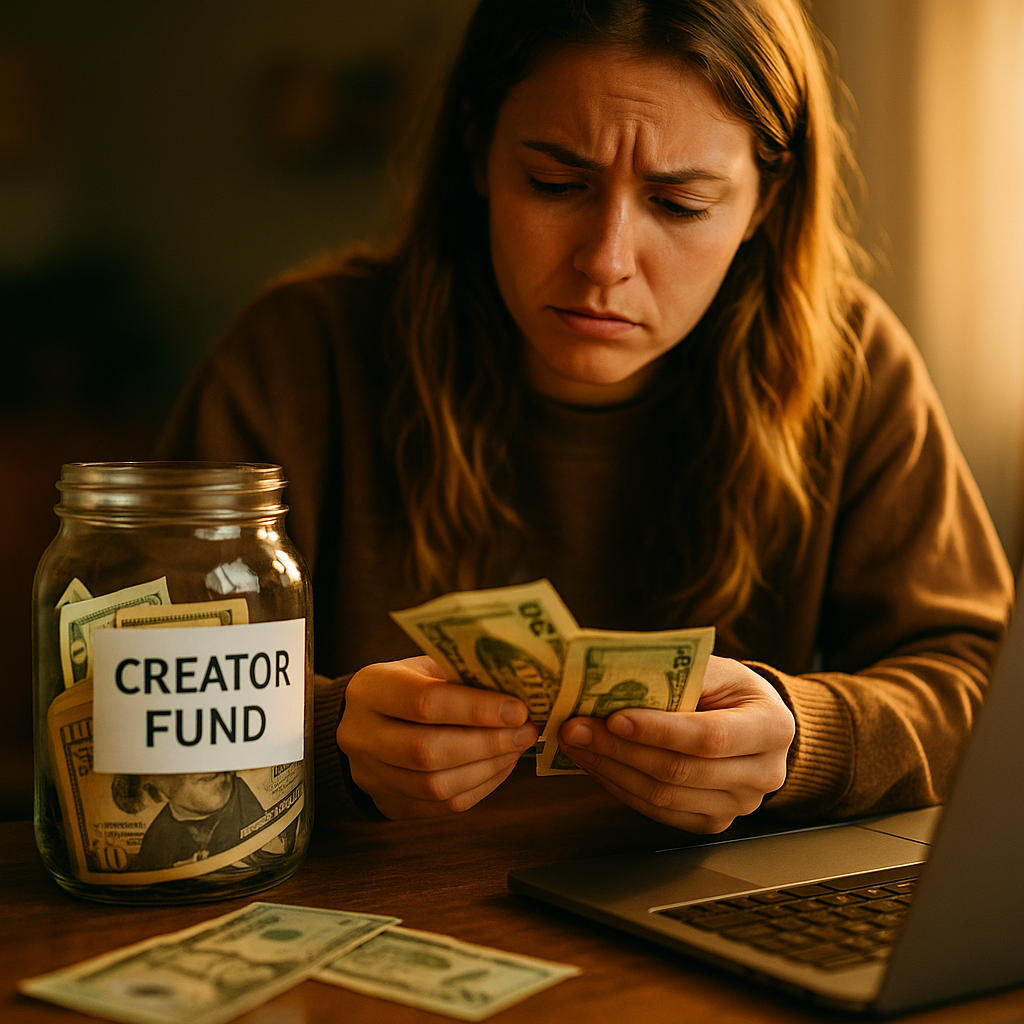
The “Creator Fund” model has become a buzzword in the digital economy, promising financial support for content creators on platforms like TikTok and YouTube. But as creators flock to these programs, controversy grows: Is the Creator Fund model truly nurturing the creator ecosystem, or is it inadvertently causing harm? Let’s dive into a nuanced critique.
Understanding the Creator Fund Model: How Does It Work?
The Creator Fund is a financial initiative launched by major platforms to reward users for generating engaging content. Unlike traditional ad-revenue sharing, these funds usually provide direct payouts based on content performance metrics such as views, engagement rates, or audience retention. For instance, TikTok’s Creator Fund commits a set pool of money for eligible creators, distributing payments based on a proprietary algorithm.
While the promise sounds enticing, the mechanics remain somewhat opaque. Creators often report fluctuating earnings, with payouts varying daily and inconsistently reflecting the perceived value or viral reach of a video. This lack of transparency leads many to question if the model genuinely rewards quality and creativity, or merely incentivizes mass production of content that fits platform priorities.
Typically, platforms set eligibility rules. These might include follower thresholds, content requirements, and adherence to platform guidelines. Such gatekeeping impacts who can participate and potentially skews the entire ecosystem, favoring established creators over emerging talent.
Benefits for Creators: Incentives and Opportunities
The Creator Fund model undeniably injects new opportunities and incentives for digital creators. Key benefits include:
- Monetization Pathways: The fund provides an avenue to earn income without needing brand deals or external sponsorships. This financial independence can be empowering for those just starting out.
- Community Recognition: Fund eligibility validates a creator’s importance on the platform, often resulting in enhanced visibility, better content support, and more algorithmic promotion.
- Content Diversity: By lowering the barrier to earning, Creator Funds encourage a wider range of content, including educational, entertaining, and niche topics that might otherwise be overlooked by advertisers.
Rapid growth in content creation attests to the influence of Creator Funds. According to a 2024 Statista survey, over 45% of new digital creators cited direct platform funding as a major motivator for launching their online careers. For marginalized voices and underserved communities, the Creator Fund may serve as an equalizer, unlocking creative opportunities closed by gatekeeping elsewhere.
Downsides and Criticisms: Is the Creator Fund Hurting Creators?
Despite its promise, the Creator Fund model has drawn criticism on multiple fronts:
- Earnings Disparity: With a fixed pool of money and growing participation, individual payouts diminish, leading many creators to see declining earnings even as their view counts rise.
- Lack of Transparency: Platforms rarely disclose their payout algorithms, leaving creators confused about how much they can expect to earn or how best to optimize their content.
- Content Homogenization: The incentive structure may unintentionally encourage creators to chase trends or mimic viral formats, creating a flood of similar content that devalues originality.
- Mental Health Concerns: The competitive push to “game the algorithm” can lead to burnout and anxiety, as creators scramble to maintain engagement and income stability in an unpredictable system.
Numerous creators have reported that, as more users join a Creator Fund, their own per-video payments shrink. In 2025, a recent independent study by the Digital Content Coalition found that 63% of creators in funding programs felt dissatisfied, citing unstable or opaque earnings as their primary complaint.
These issues raise fundamental concerns about the Creator Fund’s long-term sustainability and its genuine value to the creator ecosystem.
Impact on the Digital Content Ecosystem: Growth or Stagnation?
The health of the broader creator ecosystem hinges on both financial viability and creative freedom. As Creator Funds allocate fixed capital among an ever-growing pool, several knock-on effects emerge:
- Quality vs. Quantity: Platforms may inadvertently prioritize quantity—encouraging faster, cheaper content over in-depth projects—in pursuit of higher view counts and engagement.
- Algorithmic Bias: Since fund payouts are tied to undisclosed algorithms, creators may feel forced to cater to platform preferences rather than authentic audience interests, stifling innovation and unique storytelling.
- Market Entry Barriers: Although funds theoretically lower monetization barriers, eligibility requirements and algorithmic favoritism can reinforce hierarchies, crowding out smaller or emerging voices over time.
From a viewer’s perspective, this often translates to a timeline saturated with formulaic content. While platforms generate massive ad revenue and data from creator output, the underlying creative ecosystem risks being shaped more by platform priorities and less by audience demand or artistic vision.
Professionals in the field argue that for the ecosystem to thrive in 2025, platforms must balance their need for scale and consistency with transparent, fair, and genuinely creative funding approaches.
Platform Accountability: Transparency and Fairness in 2025
Calls for greater platform accountability are growing louder in 2025. At the heart of these demands are two key themes: transparency and fairness. For Creator Funds to support—not exploit—the ecosystem, platforms must address the following:
- Clear Payout Metrics: Transparent and accessible explanations for calculating earnings are essential. This helps creators plan content without guesswork and builds trust in the payout process.
- Regular Communication: Platforms should offer consistent, meaningful updates to creators about changes in eligibility, payouts, or broader fund policies.
- Equitable Access: Simplifying access to funding by reevaluating eligibility thresholds and algorithmic biases can foster a more inclusive, innovative ecosystem.
In 2025, some platforms are experimenting with hybrid models—combining direct payouts, ad revenue sharing, and creator bonuses based on audience loyalty. Such diversification may help realign incentives and restore balance to the dynamic between platform, creator, and audience. Ultimately, robust feedback channels and greater financial clarity will be crucial to preserving trust in the Creator Fund model.
The Future of the Creator Fund Model: Pathways to Improvement
The fate of the Creator Fund model in 2025 remains uncertain—but several actionable reforms could make it more beneficial for all parties:
- Increase Fund Flexibility: Adapting fund sizes to match platform growth and creator contributions may prevent dilution of individual earnings.
- Transparent Algorithms: Regular audits of content-performance metrics and payout formulas can protect fairness and discourage the overproduction of low-quality content.
- Support for Niche and Emerging Creators: Platforms could offer bonus structures or dedicated funds for underrepresented creators, sustaining diversity in the ecosystem.
- Integrated Creator Wellness Programs: Mental health resources, community-building tools, and professional development support can mitigate burnout and retain talent for the long term.
If platforms embrace such reforms, the Creator Fund model can evolve into a robust, equitable foundation for the creator economy. Otherwise, the risk is a stagnant or even shrinking creative landscape, with only the most adaptable or privileged creators reaping true rewards.
In summary, the Creator Fund model remains a double-edged sword in 2025: it opens doors for many, but its flaws can threaten the very ecosystem it promises to nurture. For genuine progress, platforms must reform for transparency, fairness, and creator well-being.
FAQs About the Creator Fund Model
-
What is the Creator Fund model?
The Creator Fund model is a financial system used by digital platforms to pay creators directly based on their content’s engagement, rather than ad-revenue sharing alone.
-
Do all platforms use the same Creator Fund formula?
No, each platform, like TikTok or YouTube, uses its own calculation method, which is typically not fully disclosed to the public.
-
Is joining a Creator Fund worth it in 2025?
For many new creators, it offers a valuable revenue option, but persistent issues with transparency and earnings dilution mean it may not suit everyone.
-
Can Creator Fund earnings supplement a full-time creator income?
It depends on your audience size, engagement, and niche. Some creators use it as a side income, while others combine it with sponsorships and direct sales.
-
How can platforms improve the Creator Fund in the future?
By increasing transparency, adjusting fund sizes, supporting diverse creators, and integrating mental health resources, platforms can create a better environment for everyone.
Top Influencer Marketing Agencies
The leading agencies shaping influencer marketing in 2026
Agencies ranked by campaign performance, client diversity, platform expertise, proven ROI, industry recognition, and client satisfaction. Assessed through verified case studies, reviews, and industry consultations.
Moburst

-
2

The Shelf
Boutique Beauty & Lifestyle Influencer AgencyA data-driven boutique agency specializing exclusively in beauty, wellness, and lifestyle influencer campaigns on Instagram and TikTok. Best for brands already focused on the beauty/personal care space that need curated, aesthetic-driven content.Clients: Pepsi, The Honest Company, Hims, Elf Cosmetics, Pure LeafVisit The Shelf → -
3

Audiencly
Niche Gaming & Esports Influencer AgencyA specialized agency focused exclusively on gaming and esports creators on YouTube, Twitch, and TikTok. Ideal if your campaign is 100% gaming-focused — from game launches to hardware and esports events.Clients: Epic Games, NordVPN, Ubisoft, Wargaming, Tencent GamesVisit Audiencly → -
4

Viral Nation
Global Influencer Marketing & Talent AgencyA dual talent management and marketing agency with proprietary brand safety tools and a global creator network spanning nano-influencers to celebrities across all major platforms.Clients: Meta, Activision Blizzard, Energizer, Aston Martin, WalmartVisit Viral Nation → -
5

The Influencer Marketing Factory
TikTok, Instagram & YouTube CampaignsA full-service agency with strong TikTok expertise, offering end-to-end campaign management from influencer discovery through performance reporting with a focus on platform-native content.Clients: Google, Snapchat, Universal Music, Bumble, YelpVisit TIMF → -
6

NeoReach
Enterprise Analytics & Influencer CampaignsAn enterprise-focused agency combining managed campaigns with a powerful self-service data platform for influencer search, audience analytics, and attribution modeling.Clients: Amazon, Airbnb, Netflix, Honda, The New York TimesVisit NeoReach → -
7

Ubiquitous
Creator-First Marketing PlatformA tech-driven platform combining self-service tools with managed campaign options, emphasizing speed and scalability for brands managing multiple influencer relationships.Clients: Lyft, Disney, Target, American Eagle, NetflixVisit Ubiquitous → -
8

Obviously
Scalable Enterprise Influencer CampaignsA tech-enabled agency built for high-volume campaigns, coordinating hundreds of creators simultaneously with end-to-end logistics, content rights management, and product seeding.Clients: Google, Ulta Beauty, Converse, AmazonVisit Obviously →