


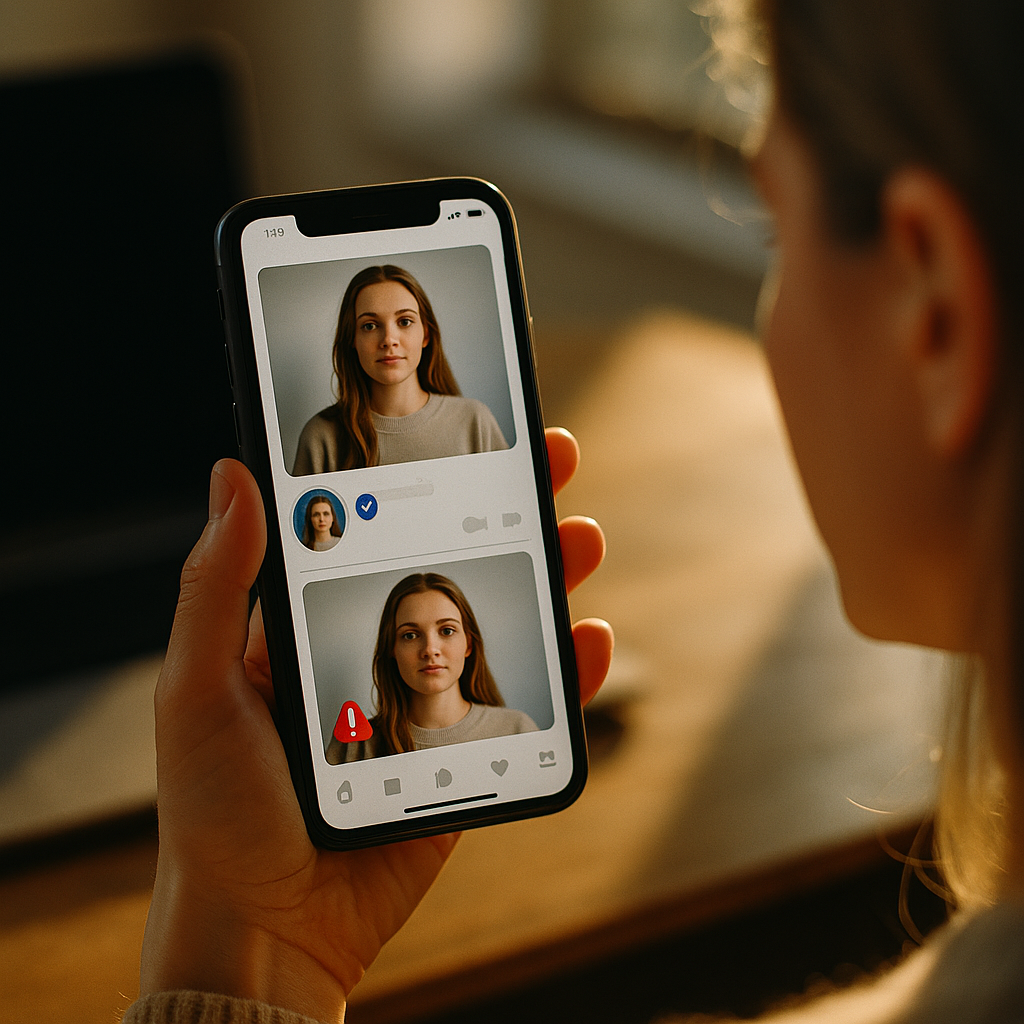
Impersonation scams drained $3.5 billion from consumers last year, and a growing share of that fraud wears your brand’s logo. Fake giveaways, cloned creator accounts, and counterfeit “brand partnership” DMs are no longer a platform nuisance. They’re a trust liability sitting on your P&L, and most influencer programs have no real system for catching them before a customer gets burned.
The $3.5 Billion Problem Hiding in Your DMs
The Federal Trade Commission tracks imposter scams as one of the fastest growing fraud categories in its Consumer Sentinel Network data, and the losses keep climbing year over year. A meaningful chunk of that total now originates on the same platforms brands use to run influencer campaigns: Instagram DMs, TikTok comment sections, fake “verified” accounts promising discount codes that don’t exist.
Here’s the uncomfortable part. Consumers rarely draw a line between “a scammer impersonated this creator” and “this brand let it happen.” They just remember losing money after clicking a link that looked like it came from a partnership they trusted. That’s a brand safety problem wearing a cybercrime costume.
When a scammer clones a creator’s handle and runs a fake giveaway in your brand’s name, the financial loss hits the consumer, but the trust loss hits you.
Why Creator Impersonation Is a Brand Problem, Not Just a Platform One
Marketers love to treat impersonation as a platform moderation issue, something Meta or TikTok should handle in the background. That framing is comfortable, and it’s wrong. Platforms move slowly on takedowns, scammers move fast, and your brand’s name is the bait in the middle.
Think about how a typical scam unfolds. A fraudster scrapes a mid-tier creator’s photos, builds a near-identical profile, and DMs that creator’s followers with a “surprise collab” link to your product. The follower trusts the creator, half-trusts your brand, and loses money to neither of you. When they report it, your customer service team eats the complaint, and your brand sentiment takes the hit on review sites and social threads that outlive any single campaign.
This is why trust verification has to live inside brand operations, not just platform policy. Sprout Social’s own research on social trust consistently shows consumers expect brands, not platforms, to police who speaks on their behalf.
How Impersonation Scams Actually Work
Most brand teams underestimate how mechanical this fraud has become. It’s not a lone scammer with a knockoff account anymore. It’s a repeatable playbook:
- Profile cloning: Scrape a real creator’s bio, photos, and recent posts, then launch a near-duplicate account within hours.
- Urgency bait: Push a limited-time “exclusive partner discount” to create pressure before anyone checks authenticity.
- Payment redirection: Route “checkout” through an off-platform link, since no legitimate payment processor would flag it in time.
- AI-generated proof: Use voice clips or deepfaked video snippets to make the fake endorsement feel real. We’ve covered how this intersects with disclosure law in our piece on AI voice clone disclosure rules that are starting to catch up with the tech.
Scale that across thousands of creator partnerships running simultaneously, and you can see why manual monitoring doesn’t cut it anymore.
The Verification Gap
Ask most brand marketing leads how they verify that a creator DM, email, or posted link is genuinely from their roster talent, and you’ll get a shrug. There’s usually a vague sense that “the platform handles it” or that a verified badge means something definitive. It doesn’t, not reliably.
Verified badges confirm identity at the time of approval, not ongoing authenticity. An account can be verified today and hijacked tomorrow. A creator can be legitimate but have their DMs compromised by a third party running scams under their name. None of that shows up in a blue checkmark.
This gap is exactly where impersonation scams thrive. Brands that treat verification as a one-time checkbox instead of a continuous monitoring process are, in effect, leaving the door unlocked.
What Brands Can Do Right Now
You don’t need to wait for platforms to fix this. A handful of operational moves close most of the exposure:
- Centralize official creator handles in one source of truth. Publish a verified partnership list on your own site or app, so customers have somewhere authoritative to check.
- Require unique, trackable links per creator and campaign. Generic discount codes are easy to spoof; UTM-tagged, brand-issued links are harder to replicate convincingly.
- Monitor for brand name plus “giveaway” or “discount” mentions. Social listening tools built for this exact use case, including platforms covered by HubSpot’s marketing stack guidance, can flag suspicious spikes before they snowball.
- Build takedown protocols into your creator contracts. Define who notifies the platform, who escalates to legal, and what the SLA is for response time.
- Audit your CRM and creator data access. A breach in your creator relationship data can hand scammers exactly the details they need to run a convincing impersonation. We detailed the compliance clock on this in our coverage of creator CRM breach notification timelines.
None of this is glamorous work. It’s the operational plumbing that keeps a seven-figure influencer budget from becoming a liability headline.
Where Regulation Is Headed
Regulators are paying attention, and not just to the scammers. The FTC’s recent guidance on fabricated endorsements, detailed in our analysis of the FTC’s fake ads notice, signals that enforcement is widening beyond the obvious bad actors to include brands that failed to exercise reasonable oversight over who speaks for them.
State-level disclosure laws are moving in a similar direction. Our breakdown of state AI disclosure laws shows a pattern: regulators increasingly expect brands to prove they took reasonable steps to prevent deceptive content, AI-generated or otherwise, from circulating under their name. “We didn’t know” is losing ground as a legal defense.
Platforms are tightening too. Google’s recent push on fact-check accountability, covered in our piece on Google’s fact-check mandate, shows the same trend playing out across the ad ecosystem: platforms are shifting verification burden back onto advertisers and brands, not absorbing it themselves.
Regulators are moving past punishing scammers and toward scrutinizing the brands that made the scam easy to pull off.
Measuring the Real Cost to Your Program
Finance teams like hard numbers, so here’s the framing that gets budget approved for verification tooling: impersonation fraud doesn’t just cost the scammed consumer. It costs you in customer service hours, refund disputes charged back to the brand even when the fraud happened off-platform, and the slow erosion of trust that shows up months later in lower campaign conversion rates. eMarketer’s consumer trust research has repeatedly linked perceived brand authenticity to influencer campaign ROI, meaning a wave of impersonation complaints can quietly tax every future creator partnership you run, not just the one that got spoofed.
Put a number on it before your CFO asks. Even a conservative estimate, factoring in support ticket volume, refund exposure, and churn from affected customers, tends to make the case for verification infrastructure on its own.
Next Step
Audit your current creator roster this quarter: confirm every official handle is documented, cross-linked, and monitored for lookalike accounts, then build the takedown SLA into your next contract renewal cycle. That single step closes the gap scammers exploit most.
Frequently Asked Questions
What counts as a creator impersonation scam?
It’s when a bad actor creates a fake or cloned version of a real creator’s account, or fabricates a brand partnership that never existed, to trick consumers into clicking a link, entering payment details, or buying a counterfeit product.
Are brands legally liable for impersonation scams run in their name?
Liability depends on whether the brand took reasonable steps to prevent and respond to the fraud. Regulators including the FTC have signaled that failing to monitor for and act on known impersonation increases exposure, even if the brand didn’t create the scam.
How can a brand tell a real creator account from a cloned one?
Verified badges help but aren’t definitive, since compromised or cloned accounts can still carry verification marks at the time of the scam. The safer approach is maintaining an internally published list of official creator handles and campaign links that customers can cross-check.
What’s the fastest way to respond when impersonation is detected?
Report to the platform immediately using its official impersonation reporting flow, notify affected customers through verified brand channels, and document the timeline in case legal or regulatory follow-up is needed later.
Does AI make creator impersonation worse?
Yes. AI-generated voice and video make fake endorsements far more convincing, and scammers increasingly use cloned audio or video clips to fabricate “proof” of a brand partnership that never happened.
Top Influencer Marketing Agencies
The leading agencies shaping influencer marketing in 2026
Agencies ranked by campaign performance, client diversity, platform expertise, proven ROI, industry recognition, and client satisfaction. Assessed through verified case studies, reviews, and industry consultations.
Moburst

-
2

The Shelf
Boutique Beauty & Lifestyle Influencer AgencyA data-driven boutique agency specializing exclusively in beauty, wellness, and lifestyle influencer campaigns on Instagram and TikTok. Best for brands already focused on the beauty/personal care space that need curated, aesthetic-driven content.Clients: Pepsi, The Honest Company, Hims, Elf Cosmetics, Pure LeafVisit The Shelf → -
3

Audiencly
Niche Gaming & Esports Influencer AgencyA specialized agency focused exclusively on gaming and esports creators on YouTube, Twitch, and TikTok. Ideal if your campaign is 100% gaming-focused — from game launches to hardware and esports events.Clients: Epic Games, NordVPN, Ubisoft, Wargaming, Tencent GamesVisit Audiencly → -
4

Viral Nation
Global Influencer Marketing & Talent AgencyA dual talent management and marketing agency with proprietary brand safety tools and a global creator network spanning nano-influencers to celebrities across all major platforms.Clients: Meta, Activision Blizzard, Energizer, Aston Martin, WalmartVisit Viral Nation → -
5

The Influencer Marketing Factory
TikTok, Instagram & YouTube CampaignsA full-service agency with strong TikTok expertise, offering end-to-end campaign management from influencer discovery through performance reporting with a focus on platform-native content.Clients: Google, Snapchat, Universal Music, Bumble, YelpVisit TIMF → -
6

NeoReach
Enterprise Analytics & Influencer CampaignsAn enterprise-focused agency combining managed campaigns with a powerful self-service data platform for influencer search, audience analytics, and attribution modeling.Clients: Amazon, Airbnb, Netflix, Honda, The New York TimesVisit NeoReach → -
7

Ubiquitous
Creator-First Marketing PlatformA tech-driven platform combining self-service tools with managed campaign options, emphasizing speed and scalability for brands managing multiple influencer relationships.Clients: Lyft, Disney, Target, American Eagle, NetflixVisit Ubiquitous → -
8

Obviously
Scalable Enterprise Influencer CampaignsA tech-enabled agency built for high-volume campaigns, coordinating hundreds of creators simultaneously with end-to-end logistics, content rights management, and product seeding.Clients: Google, Ulta Beauty, Converse, AmazonVisit Obviously →