


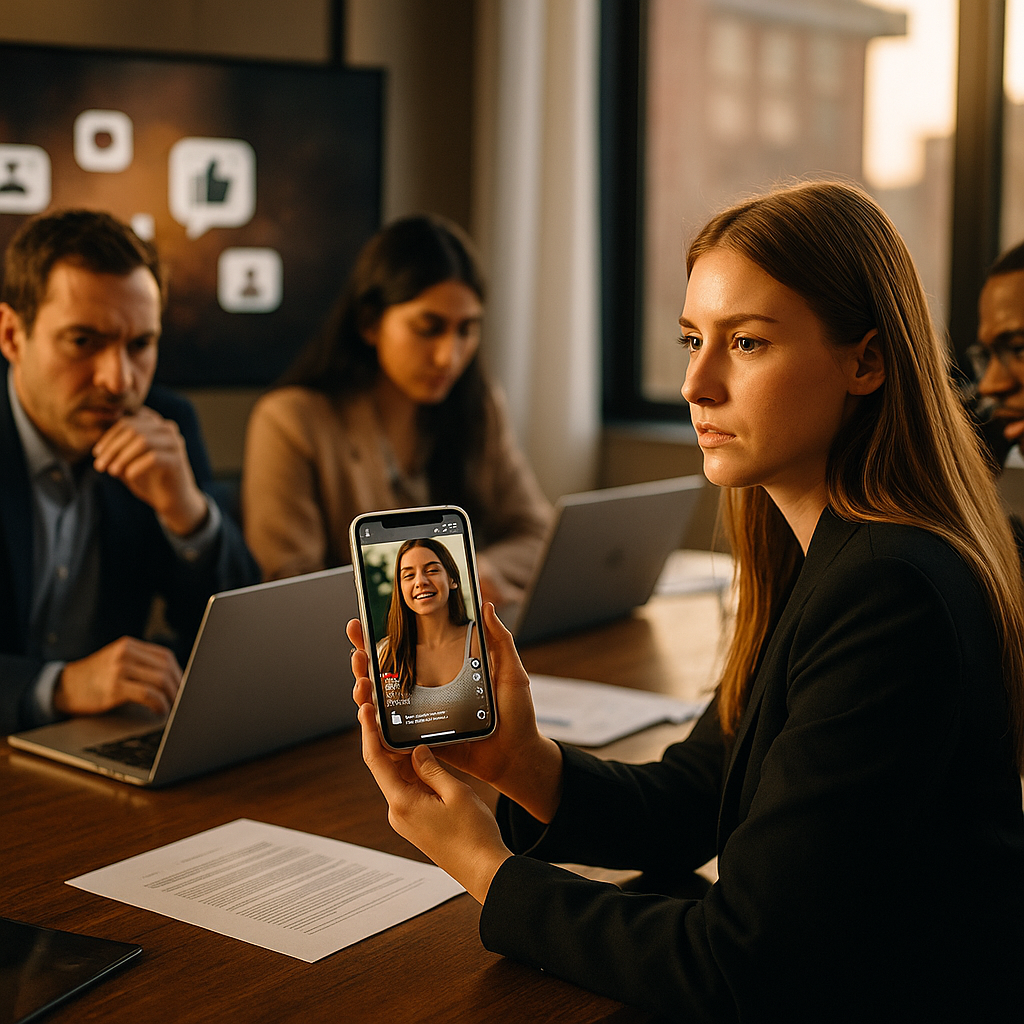
Building a proactive “crisis response team” for influencer campaigns is crucial in 2025’s fast-paced digital landscape, where brand reputation can be won or lost in real time. Influencer collaborations bring both reach and risk; a single misstep may escalate swiftly. Explore how to expertly assemble, train, and empower a team to protect your campaigns before crises emerge.
Understanding Influencer Campaign Risks and Preparedness
Every influencer campaign exposes brands to unique online risks, including public misstatements, misunderstood content, or aggressive backlash. According to a 2024 Kroll digital risk report, 88% of brands experienced at least one significant social media crisis linked to influencer activity in the past 18 months. Recognizing these vulnerabilities is the first step towards crisis prevention and response readiness.
Prepare your organization by:
- Auditing Prior Campaigns: Analyze past events—both wins and failures—to map latent risks in your niche.
- Identifying Stakeholders: List key partners, influencers, and internal departments that influence outcomes and communications.
- Forecasting Scenarios: Simulate likely crisis incidents, from inappropriate influencer posts to product issues amplified by creator voices.
Proactive planning empowers your team to stay prepared instead of reactive, maintaining trust with customers and collaborators alike.
Key Roles for Your Crisis Response Team Structure
Assembling a robust crisis response team for influencer partnerships demands more than ad-hoc contributions. Expert roles foster accountability, clarity, and rapid decision-making when reputation is on the line. Consider the following essential positions:
- Crisis Manager: Oversees strategy, communication, and deployment.
- Influencer Liaison: Connects directly with creators, ensuring alignment and timely responses.
- Legal Advisor: Evaluates contract language, manages legal risks, and crafts public statements.
- Social Media Analyst: Monitors sentiment, flags emerging issues, and gathers audience insight.
- PR Specialist: Crafts internal and external messaging to maintain integrity and transparency.
The composition of your crisis response team should reflect your brand’s size, resources, and typical influencer activity. Appoint deputies for critical roles to ensure 24/7 coverage, particularly for global campaigns operating across diverse time zones.
Training and Protocols: Strengthening Team Readiness
No crisis response team for influencer campaigns can succeed without targeted training and crystal-clear response protocols. “Practice is protection,” says Amanda Liu, a digital communications strategist at Edelman. Develop ongoing workshops and simulate scenarios such as:
- Influencer post backlash—negative trending hashtags or comment floods.
- Unapproved content releases—contractual violations or leaks.
- Reputation attacks—viral misinformation or exposed partnerships.
Key components of solid protocols include:
- Crisis Escalation Paths: Step-by-step flowcharts dictating who is notified at each crisis stage.
- Pre-approved Messaging Templates: Statements that can be adapted rapidly, reducing approval delays.
- Roles and Responsibilities Checklists: Reference sheets clarifying duties and required actions under pressure.
Regular tabletop exercises build muscle memory, boost cross-team trust, and strengthen each member’s ability to think critically in high-stress scenarios.
Real-Time Monitoring and Early Detection Strategies
Early warning is the bedrock of effective risk management for influencer campaigns. Relying on post-incident fixes is outdated; invest in proactive monitoring technologies and processes. Consider leveraging:
- AI Social Listening Tools: Platforms such as Brandwatch and Meltwater, using sentiment analysis and keyword tracking, can flag volatility within minutes.
- Custom Alerts: Set up triggers for rapid spikes in negative engagement or mentions tied to influencers or branded hashtags.
- Direct Line with Influencers: Provide clear reporting paths if creators spot emerging issues among their followers.
Frequent dashboards and status updates should be shared with crisis response team members, keeping everyone informed. According to Insider Intelligence (2025), 71% of crisis events were either prevented or contained effectively when organizations harnessed real-time monitoring tools.
Crisis Communication: Internal and External Best Practices
Crisis communication is as much about timing and tone as it is about message content. Both silence and overreaction can irreparably harm your brand during influencer campaigns. Ensure your crisis response team employs these strategies:
- Transparency and Honesty: Share as much factual information as possible, rapidly dispelling rumors and misinformation.
- Consistency: Align all channels—internal memos, public posts, and influencer statements—to avoid confusion.
- Empathy: Acknowledge concerns from the public and your creator partners; humanize your messaging.
- Speed: Respond within the first hour for most social incidents—the “golden window” for reputation defense, as cited by a 2025 Sprout Social report.
Train your team to prepare FAQs and talking points for spokespeople in advance. Build lasting relationships with influencers rooted in respect and transparency, equipping them to collaborate as crisis mitigators, not simply contributors.
Learning from Each Crisis to Improve Future Campaigns
The most effective crisis response teams treat every incident as a learning opportunity. Post-crisis review ensures sustainable improvement and adaptation. After the situation stabilizes, your team should:
- Conduct a Debrief: Gather all involved parties—internal, influencer partners, and external advisors—to review the timeline, actions taken, and outcomes.
- Document Lessons Learned: Update your crisis protocols, messaging frameworks, and training based on what worked and where you found gaps.
- Recognize and Reward: Celebrate decisive action and integrity among team members, sustaining morale for future readiness.
Continuous improvement is your ultimate shield, future-proofing your influencer campaign strategies in an ever-evolving online arena.
Conclusion: The Value of Proactive Crisis Response
A dedicated, well-trained crisis response team for influencer campaigns allows brands to safeguard reputation, foster creator trust, and respond swiftly to emerging threats. Invest in proactive planning and ongoing education to ensure your influence amplifies brand value, not risk, in 2025’s digital-first marketing world.
FAQs: Crisis Response Teams for Influencer Campaigns
-
Why do influencer campaigns require a crisis response team?
Influencer collaborations can quickly amplify both positive and negative situations. A crisis response team ensures brands react swiftly, preserving reputation and relationships when unexpected challenges arise.
-
What’s the most critical first step when a crisis hits?
Activate your crisis protocol immediately—alert key team members, assess the facts, and prepare an initial holding statement. Rapid, coordinated action is essential to controlling the narrative.
-
How often should you train your crisis response team?
Conduct at least quarterly simulations and reviews, updating protocols to reflect new platforms, regulations, and campaign strategies to stay prepared for evolving risks.
-
Should influencers themselves participate in crisis planning?
Yes. Involve influencers in scenario planning and transparent communications so everyone understands escalation steps and expectations in advance.
-
Which tools can help detect potential crises early?
AI-powered social listening platforms, sentiment trackers, and custom alert systems enable your team to spot and address issues before they escalate.
Top Influencer Marketing Agencies
The leading agencies shaping influencer marketing in 2026
Agencies ranked by campaign performance, client diversity, platform expertise, proven ROI, industry recognition, and client satisfaction. Assessed through verified case studies, reviews, and industry consultations.
Moburst

-
2

The Shelf
Boutique Beauty & Lifestyle Influencer AgencyA data-driven boutique agency specializing exclusively in beauty, wellness, and lifestyle influencer campaigns on Instagram and TikTok. Best for brands already focused on the beauty/personal care space that need curated, aesthetic-driven content.Clients: Pepsi, The Honest Company, Hims, Elf Cosmetics, Pure LeafVisit The Shelf → -
3

Audiencly
Niche Gaming & Esports Influencer AgencyA specialized agency focused exclusively on gaming and esports creators on YouTube, Twitch, and TikTok. Ideal if your campaign is 100% gaming-focused — from game launches to hardware and esports events.Clients: Epic Games, NordVPN, Ubisoft, Wargaming, Tencent GamesVisit Audiencly → -
4

Viral Nation
Global Influencer Marketing & Talent AgencyA dual talent management and marketing agency with proprietary brand safety tools and a global creator network spanning nano-influencers to celebrities across all major platforms.Clients: Meta, Activision Blizzard, Energizer, Aston Martin, WalmartVisit Viral Nation → -
5

The Influencer Marketing Factory
TikTok, Instagram & YouTube CampaignsA full-service agency with strong TikTok expertise, offering end-to-end campaign management from influencer discovery through performance reporting with a focus on platform-native content.Clients: Google, Snapchat, Universal Music, Bumble, YelpVisit TIMF → -
6

NeoReach
Enterprise Analytics & Influencer CampaignsAn enterprise-focused agency combining managed campaigns with a powerful self-service data platform for influencer search, audience analytics, and attribution modeling.Clients: Amazon, Airbnb, Netflix, Honda, The New York TimesVisit NeoReach → -
7

Ubiquitous
Creator-First Marketing PlatformA tech-driven platform combining self-service tools with managed campaign options, emphasizing speed and scalability for brands managing multiple influencer relationships.Clients: Lyft, Disney, Target, American Eagle, NetflixVisit Ubiquitous → -
8

Obviously
Scalable Enterprise Influencer CampaignsA tech-enabled agency built for high-volume campaigns, coordinating hundreds of creators simultaneously with end-to-end logistics, content rights management, and product seeding.Clients: Google, Ulta Beauty, Converse, AmazonVisit Obviously →