


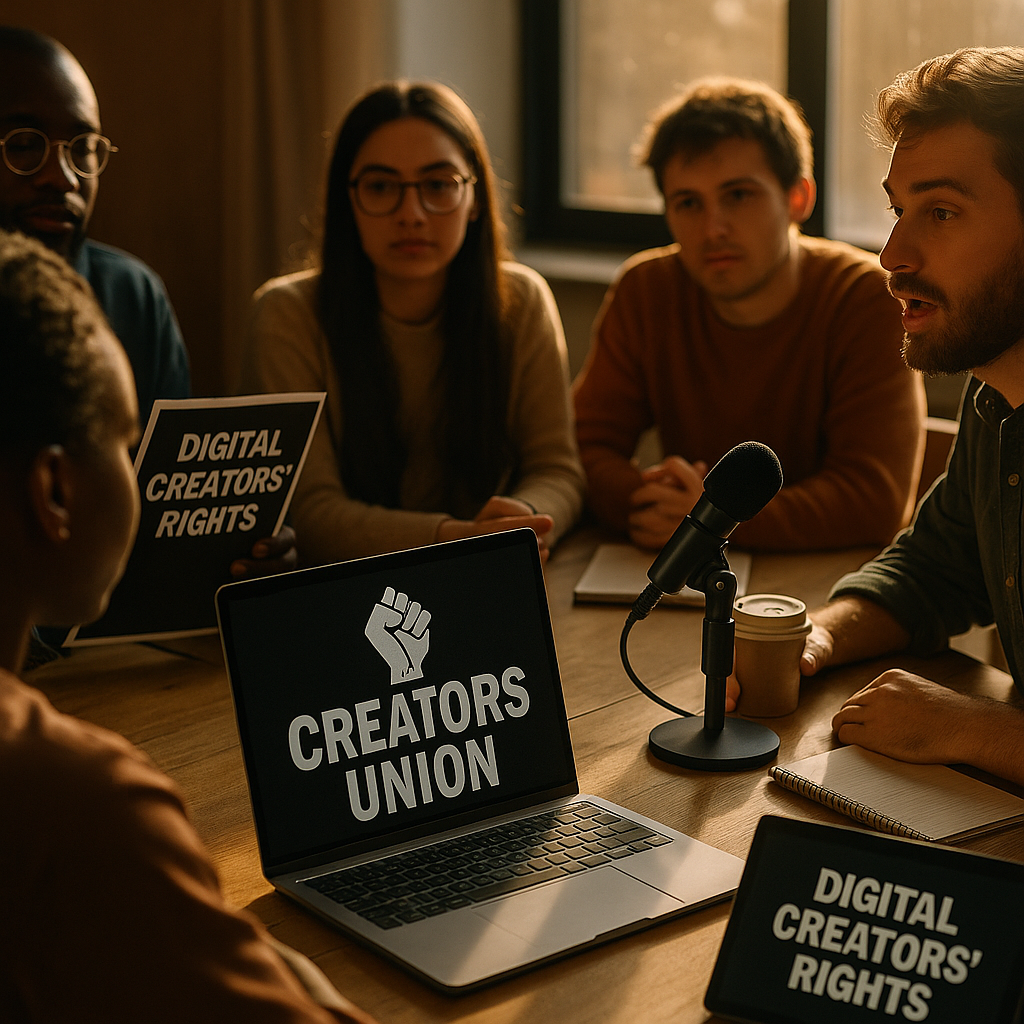
The future of digital unions promises a radical shift in how creators organize and advocate for their rights. As gig work dominates digital marketplaces, creators seek collective bargaining power online. Explore how digital unions are set to reshape creative work, and discover what’s propelling creators to band together in virtual solidarity today.
The Rise of Digital Unions in the Creator Economy
The creator economy has exploded, with millions of individuals producing content, art, music, video, and more for global audiences. While this offers vast opportunities, it also introduces new challenges. Traditional labor protections often don’t apply, and creators must navigate opaque algorithms, shifting platform policies, and unpredictable income. These challenges have driven creators to organize into digital unions—collectives that operate primarily online, using new tools to connect, coordinate, and advocate for better working conditions.
Recent industry data highlights this trend. According to a 2024 survey by the Digital Labor Institute, 78% of creators expressed a desire for collective voice in platform negotiations. Digital unions, once fringe, now represent a growing force as creators recognize the power — and necessity — of unity in the face of technological disruption.
Collective Bargaining Powers for Creators in the Digital Age
Traditional collective bargaining emerged from industrial workplaces, but the digital era demands a different approach. Collective bargaining for creators hinges on new strategies, such as coordinated rate negotiations, unified protests against unfair algorithm changes, and collective copyright enforcement.
- Payment Standards: Digital unions collaborate to set minimum rates for advertising, sponsorships, and licensing, providing members with data-driven benchmarks to guide negotiations.
- Platform Accountability: United creators influence platform policies, urging transparency in issues like content moderation, demonetization, and algorithmic bias.
- IP Rights: Unions help members understand and enforce their intellectual property rights in digital spaces, deterring unauthorized use of creative work.
Digital unions also bring legal resources, mental health support, and peer mentoring to creators who often work in isolation. By leveraging collective strength, even solo creators can negotiate more effectively with platforms and brand partners.
Technology Enabling Virtual Solidarity
The tools that connect creators with audiences also empower them to organize. Virtual solidarity relies on secure communication apps, blockchain-based contract enforcement, and crowdfunding mechanisms for legal support. New platforms, like CoLab and Creators Guild, offer online forums, union management dashboards, and even smart contracts for collective action.
Creators use encrypted group chats to coordinate public campaigns and share best practices. Blockchain verification ensures transparent voting on union decisions and equitable distribution of negotiated benefits. Technology also makes membership accessible internationally, amplifying the collective’s bargaining power against global platforms.
Advancements in artificial intelligence now help unions monitor platform changes in real-time, alerting members to policy updates or sudden demonetization events. Combining these technological tools, virtual unions become agile, borderless, and data-informed advocates for the creative workforce.
Challenges Facing Digital Unions and How They’re Overcoming Them
While digital unionization offers promise, significant hurdles remain. Legal frameworks for online collectives are still evolving, and many platforms resist recognizing digital unions. Furthermore, creators fear possible retaliation or shadowbanning by platforms, and sustaining long-term participation is challenging in a gig-based environment.
Leading digital unions are tackling these issues by:
- Advocacy and Policy Engagement: Collaborating with policymakers and traditional labor organizations to clarify collective bargaining rights for digital workers.
- Transparency: Sharing clear information about union membership, dues, and legal protections to build trust and minimize platform backlash.
- Scalable Digital Infrastructure: Using interoperable tools and AI-driven community management to make union participation seamless and less time-consuming.
- International Networking: Forming cross-platform and cross-border alliances to level power imbalances and extend legal protections for creator rights worldwide.
By continuously adapting, digital unions prove resilient and agile, offering new pathways for creators to safeguard their livelihoods and push for equitable treatment.
The Impact of Digital Unions on Creative Entrepreneurship
The influence of digital collective bargaining extends beyond individual creators. By setting industry standards for pay, credit, and copyright, unions affect the broader business ecosystem—platforms, advertisers, and tech companies alike. Data from the 2025 International Digital Creators Report shows platforms negotiating directly with union representatives to preempt large-scale creator walkouts, signaling a shift in bargaining dynamics.
Creative entrepreneurs benefit from greater predictability, access to legal templates, and shared marketing opportunities cultivated through unions. This fosters a more sustainable creative economy, reducing turnover and empowering creators to take creative risks. Additionally, unions introduce ethical guidelines for influencer marketing and brand partnerships, boosting trust among audiences and businesses.
Ultimately, as collective bargaining becomes the norm, the creative sector gains the stability necessary for long-term innovation—and creators reclaim autonomy over their work and compensation.
The Road Ahead: Opportunities and Risks for Digital Unionization
The future of digital unions and collective bargaining for creators is dynamic and still unfolding. As lawmakers clarify digital worker protections and platforms adapt to collective demands, opportunities for robust creator advocacy will expand. New union formats—such as project-based collectives or decentralized autonomous organizations (DAOs)—are poised to further disrupt the industry.
However, risks remain, including platform retaliation, union fragmentation, and sustainability challenges. The next phase will require creators to remain vigilant and adaptable, ensuring their unions keep pace with fast-moving technological and legal developments.
For creators, the message is clear: collective action is possible, necessary, and increasingly effective in shaping the digital creative landscape of 2025.
FAQs About Digital Unions and Collective Bargaining for Creators
-
What is a digital union?
A digital union is an online collective where creators organize to advocate for fair compensation, clearer contracts, and improved working conditions. These unions leverage digital tools and virtual platforms to unite members and negotiate with digital marketplaces. -
How do digital unions differ from traditional unions?
Digital unions operate primarily online and are tailored to the needs of freelancers and online creators. Unlike traditional unions, they use technology like encrypted messaging, blockchain contracts, and global networks to connect members across borders. -
Do digital unions have legal recognition?
In most jurisdictions, legal recognition for digital unions is evolving. Some countries have started clarifying collective bargaining rights for digital workers, but most unions currently rely on their collective influence rather than formal legal status. -
What are the benefits of joining a digital union as a creator?
Members often access better contract terms, legal resources, community support, and protection against unfair treatment. Unions also help set industry standards and give creators a stronger bargaining position with platforms and brands. -
Is there a risk in joining a digital union?
Some creators worry about potential backlash from platforms. However, many digital unions take precautions to protect member anonymity and work with legal advocates to reduce these risks.
Digital unions are set to redefine creative work in the coming years. By embracing collective bargaining and innovative technologies, creators can secure fair treatment in the evolving digital landscape. For anyone in the creator economy, joining or supporting a digital union is fast becoming the smart—and necessary—move for 2025 and beyond.
Top Influencer Marketing Agencies
The leading agencies shaping influencer marketing in 2026
Agencies ranked by campaign performance, client diversity, platform expertise, proven ROI, industry recognition, and client satisfaction. Assessed through verified case studies, reviews, and industry consultations.
Moburst

-
2

The Shelf
Boutique Beauty & Lifestyle Influencer AgencyA data-driven boutique agency specializing exclusively in beauty, wellness, and lifestyle influencer campaigns on Instagram and TikTok. Best for brands already focused on the beauty/personal care space that need curated, aesthetic-driven content.Clients: Pepsi, The Honest Company, Hims, Elf Cosmetics, Pure LeafVisit The Shelf → -
3

Audiencly
Niche Gaming & Esports Influencer AgencyA specialized agency focused exclusively on gaming and esports creators on YouTube, Twitch, and TikTok. Ideal if your campaign is 100% gaming-focused — from game launches to hardware and esports events.Clients: Epic Games, NordVPN, Ubisoft, Wargaming, Tencent GamesVisit Audiencly → -
4

Viral Nation
Global Influencer Marketing & Talent AgencyA dual talent management and marketing agency with proprietary brand safety tools and a global creator network spanning nano-influencers to celebrities across all major platforms.Clients: Meta, Activision Blizzard, Energizer, Aston Martin, WalmartVisit Viral Nation → -
5

The Influencer Marketing Factory
TikTok, Instagram & YouTube CampaignsA full-service agency with strong TikTok expertise, offering end-to-end campaign management from influencer discovery through performance reporting with a focus on platform-native content.Clients: Google, Snapchat, Universal Music, Bumble, YelpVisit TIMF → -
6

NeoReach
Enterprise Analytics & Influencer CampaignsAn enterprise-focused agency combining managed campaigns with a powerful self-service data platform for influencer search, audience analytics, and attribution modeling.Clients: Amazon, Airbnb, Netflix, Honda, The New York TimesVisit NeoReach → -
7

Ubiquitous
Creator-First Marketing PlatformA tech-driven platform combining self-service tools with managed campaign options, emphasizing speed and scalability for brands managing multiple influencer relationships.Clients: Lyft, Disney, Target, American Eagle, NetflixVisit Ubiquitous → -
8

Obviously
Scalable Enterprise Influencer CampaignsA tech-enabled agency built for high-volume campaigns, coordinating hundreds of creators simultaneously with end-to-end logistics, content rights management, and product seeding.Clients: Google, Ulta Beauty, Converse, AmazonVisit Obviously →