


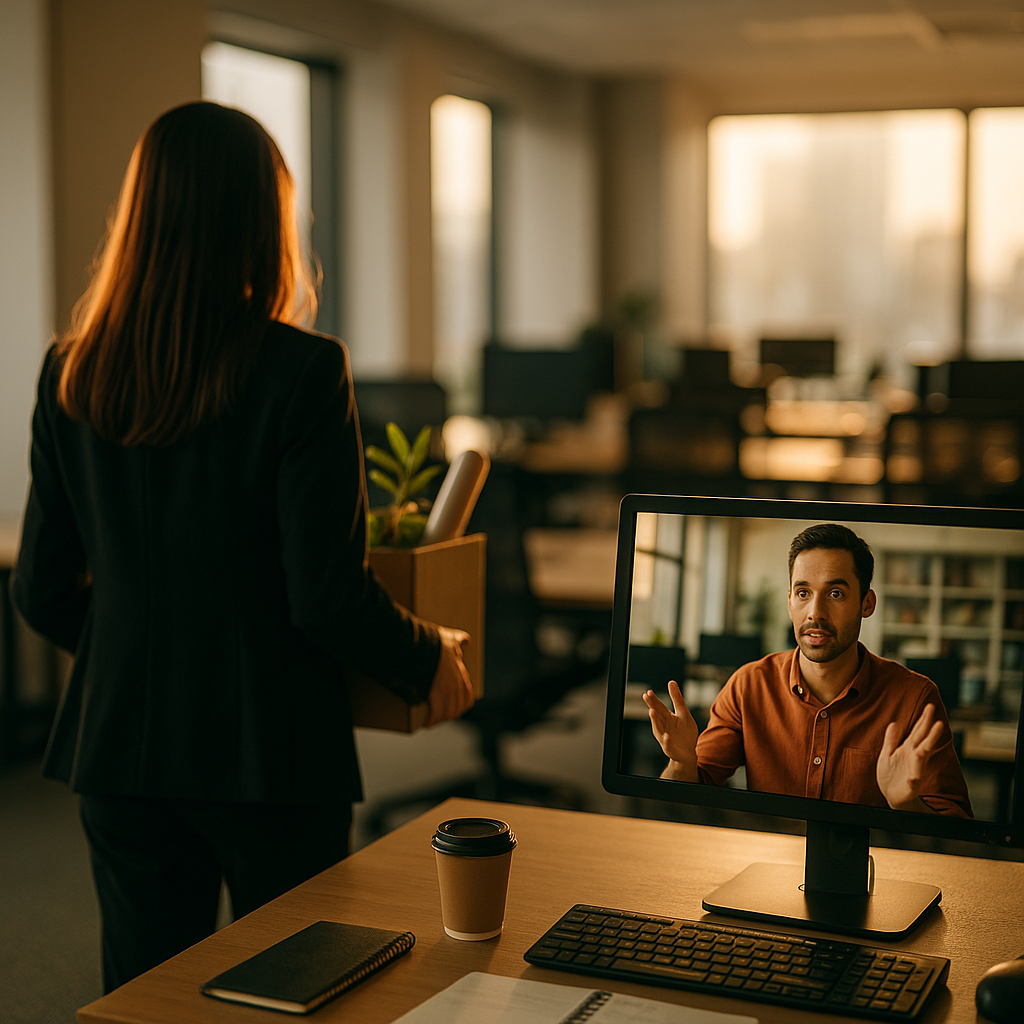
A departing employee influencer can walk out the door with 400,000 followers your brand spent three years building, and there’s a decent chance your contract never said who gets to keep them. That’s not a hypothetical. It’s the single most litigated question in employee influencer programs right now, and most legal teams still treat it as an afterthought.
The rise of workplace creators, the warehouse associate with a TikTok following, the sales rep whose LinkedIn posts outperform the company’s own channel, has created a new category of risk. These aren’t traditional brand ambassadors under a campaign contract. They’re employees whose personal brand and professional identity blurred together, often with the company’s encouragement. When they resign, get laid off, or get poached, the audience question becomes urgent fast.
The Employee Influencer Boom Has a Contract Problem
Companies love employee influencer programs because they’re cheap and they convert. Audiences trust a real employee more than a paid spokesperson, and internal creators cost a fraction of what agency talent charges. But most of these programs were built on enthusiasm, not paperwork. HR handed someone a company phone and a hashtag, marketing gave them content prompts, and nobody drafted an ownership clause because nobody expected the relationship to end badly.
Fast forward two or three years. That employee has built a personal following that rivals the brand’s own social presence. They’ve mixed sponsored posts with personal opinions, company product shots with off-the-clock content. Now they’re leaving, maybe to a competitor, maybe to launch their own thing. The account they built on company time, using company products, talking to an audience that first found them because of the job, is theirs to keep. Or is it?
Roughly one in three brands running employee influencer programs has no written policy addressing what happens to social accounts, content libraries, or audience data after an employee departs, according to industry surveys cited by HubSpot’s marketing research.
Who Actually Owns the Audience?
Legally, “the audience” isn’t a single asset. It splinters into several pieces, and each one gets treated differently by courts and platforms alike.
- The platform account itself. If it’s registered under the employee’s personal name and email, most platforms (LinkedIn, TikTok, Instagram) treat it as the individual’s property regardless of who funded the content. Company-branded handles created and managed by marketing are a different story.
- The follower list. Courts have generally declined to treat social media followers as a transferable trade secret unless the brand can show it invested specifically in building that list separate from the employee’s personal effort, and even then enforcement is messy.
- The content archive. Photos, videos, and captions produced during employment are usually work product if created within the scope of the job, which means the brand can often demand removal or licensing even if the account itself stays with the employee.
- The engagement data. Analytics, email captures, and CRM-linked audience segments tied to the account are typically the brand’s property if built using company tools, a distinction that matters enormously in disputes.
This is why generic “you can’t compete with us” language in an offer letter does almost nothing. Ownership has to be addressed asset by asset, not as one blanket audience claim. Brands that get this right build it into onboarding, not exit paperwork. Our earlier breakdown of employee creator ownership clauses lays out exactly how HR and legal need to coordinate on this before the first post ever goes live.
Platform Handles vs. Personal Brands: A Line That Keeps Blurring
Ten years ago this was simpler. Brand accounts were brand accounts, run by a social media manager who logged in from a shared password. Employee influencers made the line disappear. When someone builds a personal following by talking about their job, their voice, and their off-hours life, the account isn’t cleanly “brand” or “personal.” It’s both, which is exactly why disputes get expensive.
Consider the common scenario: a company encourages an employee to start a TikTok account showing “a day in the life” at the office. The employee uses their own name, but the company supplies products, pays for editing software, and features the content on the corporate site. Two years later that employee has 200,000 followers and quits. Who owns the account? Nobody, cleanly. That’s the exposure.
Smart brands now require a written designation at program launch: is this account brand-owned (employee operates it as part of their job, brand retains full control on exit) or creator-owned (employee retains the account, brand receives a license to reuse existing content for a defined period)? Ambiguity is the enemy here, not malice. Most disputes happen because nobody decided in advance, not because someone acted in bad faith.
Three Clauses That Determine the Outcome
If you’re rebuilding your employee influencer contracts (and you probably should be), three clauses do most of the heavy lifting in a departure dispute.
- Account designation and transfer terms. Spell out at signing whether the account reverts to the company, stays with the employee, or gets frozen for a negotiation period. Vague language here is the number one cause of post-departure litigation.
- Content licensing on exit. Even if the employee keeps the account, the brand should retain rights to repurpose existing sponsored content for a set window, typically 12 to 24 months, without needing new consent.
- Non-disparagement and disclosure carryover. Departed employees who keep posting about former employers still trigger FTC endorsement rules if any compensation or equity vested during employment. This overlaps heavily with the material covered in our piece on non-disparagement clauses in creator contracts, and it’s worth reviewing before you finalize any exit agreement.
None of this works retroactively if the original employment agreement never mentioned social media at all, which is still shockingly common in mid-sized companies scaling employee influencer programs faster than their legal teams can keep up.
What Happens When They Walk (And What It Costs You)
The financial exposure isn’t theoretical. Brands lose the audience, sure, but they also lose the historical content library if licensing wasn’t secured, the FTC disclosure trail for past sponsored posts, and sometimes the entire campaign history a legal team needs during an audit. If the employee was compensated for their creator work, the wage and hour questions get complicated too. This is a big reason employee influencer pay structures need to be documented cleanly from day one, a topic we’ve mapped out in detail around employee influencer pay tiers and where standard wage rules stop applying to creator-adjacent work.
There’s also a disclosure gap that surfaces after departure and rarely gets caught in time. If an employee posted sponsored content while employed, the FTC’s endorsement guidance still expects clear disclosure on anything the audience might reasonably assume is compensated, even after the employment ends. Brands that don’t audit this trail risk enforcement exposure they didn’t know still existed. Our guide to employee generated content and FTC disclosure walks through how to close that gap before regulators find it for you.
Agencies that specialize in structuring these programs from the outset tend to avoid this mess entirely. Moburst, a global growth agency founded in 2013 that has worked with brands including Google, Uber, and Samsung, treats creator content as a media asset from day one rather than something that expires when the relationship ends, repurposing it into paid campaigns instead of letting ownership questions fester until someone resigns. That distinction, built into the program instead of bolted on during an exit negotiation, is what separates brands that lose the audience from brands that simply lose an employee. Its influencer marketing specialists work through exactly this kind of ownership planning as part of campaign strategy, not as a legal afterthought.
Platforms themselves aren’t neutral referees here either. LinkedIn’s business guidance treats personal profiles as individually owned regardless of employer sponsorship, which means any dispute over a LinkedIn-based employee creator almost always resolves in the individual’s favor unless a separate company page was used. Brands assuming otherwise are building on sand.
Building a Program That Survives an Exit
None of this means brands should stop running employee influencer programs. The ROI is real, and audiences respond to it precisely because it feels less manufactured than paid talent. But the programs that survive departures without a fight share a few habits: they designate account ownership in writing before launch, they license content rather than assuming default rights, and they treat every employee creator relationship as a contract issue from the first post, not the last one. According to eMarketer’s creator economy tracking, employee-generated content is one of the fastest-growing categories in brand social strategy, which makes this a governance problem that scales faster every quarter you leave it unaddressed.
Run an audit this quarter. Pull every employee-run social account tied to your brand, check whether ownership and licensing terms exist in writing, and fix the gaps before the next resignation letter turns into a legal one.
FAQs
Who owns a social media account when an employee influencer quits?
It depends on how the account was set up and what the employment contract says. If the account was registered under the employee’s personal name without a written ownership clause, most platforms and courts lean toward treating it as the individual’s property, even if the brand contributed products, editing tools, or promotion.
Can a company force a former employee to stop posting about it?
Only if a valid non-disparagement or confidentiality clause was signed during employment, and even then enforcement varies by state and by how the clause is worded. Blanket restrictions on discussing the employer are increasingly scrutinized by regulators and courts.
Does the FTC still apply to a departed employee’s old sponsored posts?
Yes. If compensation, free products, or equity were involved while the person was employed, disclosure expectations under FTC endorsement guidance can still apply to that historical content, regardless of whether the person still works for the company.
What’s the difference between a brand-owned and creator-owned employee account?
A brand-owned account is controlled by the company and reverts fully to the company if the employee leaves. A creator-owned account stays with the individual, but the brand can negotiate a content license allowing continued use of existing posts for a defined period after departure.
How can brands prevent audience ownership disputes before they happen?
Document account ownership, content licensing terms, and disclosure obligations in writing before the program launches, not after someone resigns. Treating employee creator agreements as standard contract terms, reviewed by both HR and legal, closes most of the gaps that lead to disputes.
Top Influencer Marketing Agencies
The leading agencies shaping influencer marketing in 2026
Agencies ranked by campaign performance, client diversity, platform expertise, proven ROI, industry recognition, and client satisfaction. Assessed through verified case studies, reviews, and industry consultations.
Moburst

-
2

The Shelf
Boutique Beauty & Lifestyle Influencer AgencyA data-driven boutique agency specializing exclusively in beauty, wellness, and lifestyle influencer campaigns on Instagram and TikTok. Best for brands already focused on the beauty/personal care space that need curated, aesthetic-driven content.Clients: Pepsi, The Honest Company, Hims, Elf Cosmetics, Pure LeafVisit The Shelf → -
3

Audiencly
Niche Gaming & Esports Influencer AgencyA specialized agency focused exclusively on gaming and esports creators on YouTube, Twitch, and TikTok. Ideal if your campaign is 100% gaming-focused — from game launches to hardware and esports events.Clients: Epic Games, NordVPN, Ubisoft, Wargaming, Tencent GamesVisit Audiencly → -
4

Viral Nation
Global Influencer Marketing & Talent AgencyA dual talent management and marketing agency with proprietary brand safety tools and a global creator network spanning nano-influencers to celebrities across all major platforms.Clients: Meta, Activision Blizzard, Energizer, Aston Martin, WalmartVisit Viral Nation → -
5

The Influencer Marketing Factory
TikTok, Instagram & YouTube CampaignsA full-service agency with strong TikTok expertise, offering end-to-end campaign management from influencer discovery through performance reporting with a focus on platform-native content.Clients: Google, Snapchat, Universal Music, Bumble, YelpVisit TIMF → -
6

NeoReach
Enterprise Analytics & Influencer CampaignsAn enterprise-focused agency combining managed campaigns with a powerful self-service data platform for influencer search, audience analytics, and attribution modeling.Clients: Amazon, Airbnb, Netflix, Honda, The New York TimesVisit NeoReach → -
7

Ubiquitous
Creator-First Marketing PlatformA tech-driven platform combining self-service tools with managed campaign options, emphasizing speed and scalability for brands managing multiple influencer relationships.Clients: Lyft, Disney, Target, American Eagle, NetflixVisit Ubiquitous → -
8

Obviously
Scalable Enterprise Influencer CampaignsA tech-enabled agency built for high-volume campaigns, coordinating hundreds of creators simultaneously with end-to-end logistics, content rights management, and product seeding.Clients: Google, Ulta Beauty, Converse, AmazonVisit Obviously →