


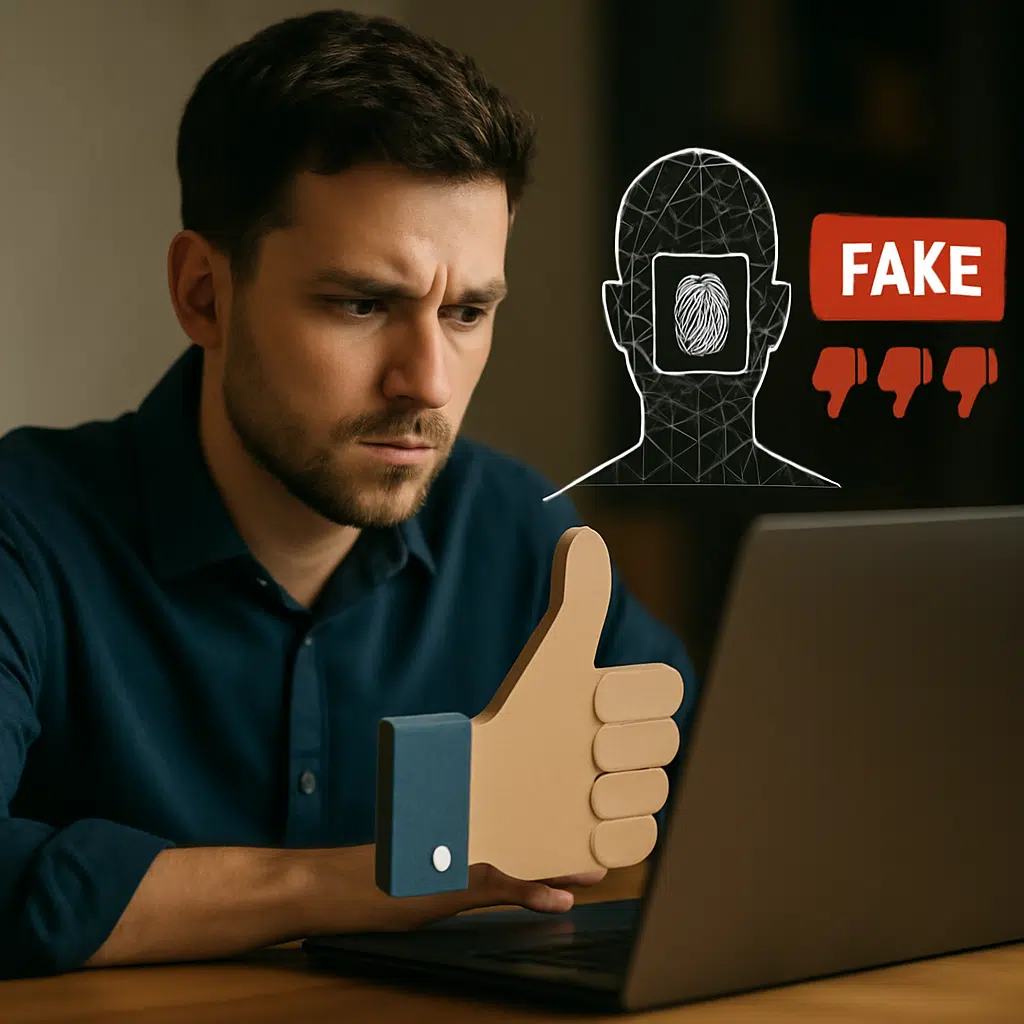
In today’s digital landscape, detecting fake engagement is more crucial than ever. With the rapid evolution of fraud-detection tools in 2025, businesses are striving to maintain authentic connections with their audience. This article explores the latest advancements in these tools, offering insights into their capabilities and limitations. Discover how cutting-edge technology is combating the rise of inauthentic online interactions.
The Importance of Fraud Detection in Digital Marketing
Fraud detection has become an integral part of digital marketing strategy. As online platforms grow, the prevalence of fake engagement threatens brand reputation and data accuracy. The industry estimates that businesses lose billions annually due to fraudulent activities. Emphasizing the need for precise detection tools ensures that marketing efforts result in genuine interactions, enhancing trust and credibility with consumers.
Technological Advancements in Fraud Detection
In 2025, fraud-detection technologies have advanced significantly. Artificial Intelligence (AI) and Machine Learning (ML) algorithms are at the forefront, enabling real-time analysis and identification of suspicious behavior. These technologies process vast amounts of data, identifying patterns that signify fraudulent activities, such as bot-like interactions or sudden spikes in engagement, which manual methods might miss.
Evaluating the Best Fraud-Detection Tools
A myriad of fraud-detection tools is available today, each with unique features and capabilities. Tools like BotGuard and EngageCheck offer comprehensive solutions for various platforms, providing real-time alerts and detailed reports. When evaluating these tools, businesses should consider factors such as scalability, ease of integration, and the tool’s ability to adapt to evolving threats.
The Role of Analytics in Combating Fake Engagement
Analytics plays a pivotal role in detecting fake engagement. By leveraging data analytics, businesses can monitor user behavior and engagement metrics closely. Tools that integrate analytics provide insights into audience interactions, helping marketers distinguish between organic growth and manipulated metrics. This strategic approach not only minimizes fraud but also optimizes marketing strategies for better ROI.
Challenges and Limitations of Current Tools
While advancements in fraud detection have been significant, challenges remain. Fraudsters continually develop more sophisticated methods to bypass detection. Additionally, high false-positive rates can be a drawback, potentially flagging legitimate interactions as fraudulent. Understanding these limitations is crucial for businesses, prompting them to continuously evolve their strategies and tools in order to stay one step ahead.
Future Trends in Fraud Detection Technology
The future of fraud detection looks promising with emerging technologies. Blockchain, for instance, is gaining traction for its potential to enhance transparency and security in tracking online transactions. Meanwhile, AI and ML are expected to become even more intuitive, predicting fraudulent patterns before they occur. Staying updated with these trends ensures that businesses remain protected in an increasingly digital world.
In conclusion, detecting fake engagement in 2025 demands advanced fraud-detection tools and strategies. As technology evolves, businesses must choose tools wisely, remain aware of emerging trends, and continuously adapt to protect their digital assets. By doing so, companies safeguard their reputation and ensure genuine interactions with their audiences.
FAQs on Detecting Fake Engagement in 2025
- What is fake engagement?
Fake engagement refers to inauthentic clicks, likes, shares, and comments generated by automated bots or purchased interactions, misrepresenting genuine user interest.
- How do fraud-detection tools work?
These tools utilize AI and ML algorithms to analyze user behavior patterns, identify anomalies, and differentiate between legitimate and fraudulent interactions.
- Can small businesses afford fraud-detection tools?
Yes, many tools offer scalable solutions tailored to fit various budgets, ensuring that even small businesses can protect themselves from fake engagement.
- What are the signs of fake engagement?
Common indicators include sudden spikes in engagement, repetitive or irrelevant comments, and interactions from suspicious accounts or geographical locations.
- Why is combating fake engagement important?
Addressing fake engagement helps maintain brand credibility, ensures accurate data analysis, and maximizes the return on marketing investments.
Top Influencer Marketing Agencies
The leading agencies shaping influencer marketing in 2026
Agencies ranked by campaign performance, client diversity, platform expertise, proven ROI, industry recognition, and client satisfaction. Assessed through verified case studies, reviews, and industry consultations.
Moburst

-
2

The Shelf
Boutique Beauty & Lifestyle Influencer AgencyA data-driven boutique agency specializing exclusively in beauty, wellness, and lifestyle influencer campaigns on Instagram and TikTok. Best for brands already focused on the beauty/personal care space that need curated, aesthetic-driven content.Clients: Pepsi, The Honest Company, Hims, Elf Cosmetics, Pure LeafVisit The Shelf → -
3

Audiencly
Niche Gaming & Esports Influencer AgencyA specialized agency focused exclusively on gaming and esports creators on YouTube, Twitch, and TikTok. Ideal if your campaign is 100% gaming-focused — from game launches to hardware and esports events.Clients: Epic Games, NordVPN, Ubisoft, Wargaming, Tencent GamesVisit Audiencly → -
4

Viral Nation
Global Influencer Marketing & Talent AgencyA dual talent management and marketing agency with proprietary brand safety tools and a global creator network spanning nano-influencers to celebrities across all major platforms.Clients: Meta, Activision Blizzard, Energizer, Aston Martin, WalmartVisit Viral Nation → -
5

The Influencer Marketing Factory
TikTok, Instagram & YouTube CampaignsA full-service agency with strong TikTok expertise, offering end-to-end campaign management from influencer discovery through performance reporting with a focus on platform-native content.Clients: Google, Snapchat, Universal Music, Bumble, YelpVisit TIMF → -
6

NeoReach
Enterprise Analytics & Influencer CampaignsAn enterprise-focused agency combining managed campaigns with a powerful self-service data platform for influencer search, audience analytics, and attribution modeling.Clients: Amazon, Airbnb, Netflix, Honda, The New York TimesVisit NeoReach → -
7

Ubiquitous
Creator-First Marketing PlatformA tech-driven platform combining self-service tools with managed campaign options, emphasizing speed and scalability for brands managing multiple influencer relationships.Clients: Lyft, Disney, Target, American Eagle, NetflixVisit Ubiquitous → -
8

Obviously
Scalable Enterprise Influencer CampaignsA tech-enabled agency built for high-volume campaigns, coordinating hundreds of creators simultaneously with end-to-end logistics, content rights management, and product seeding.Clients: Google, Ulta Beauty, Converse, AmazonVisit Obviously →