


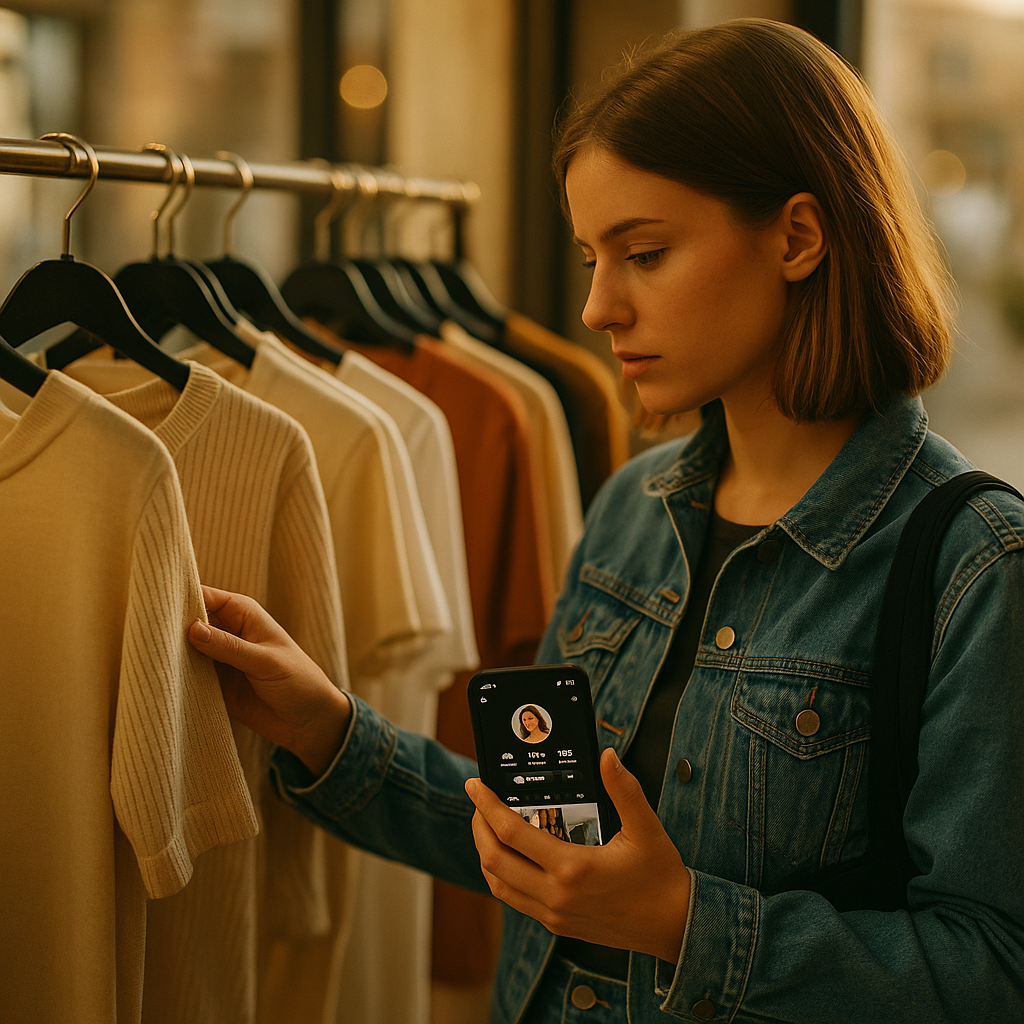
A creator with 50,000 followers and a 12% conversion rate will outsell one with 2 million followers and a 1% conversion rate every single time. That’s the uncomfortable math brands are finally confronting as Gen Z shopping behavior shifts hard toward intent signals over vanity metrics. Follower count used to be the pitch. Now it’s barely a footnote.
The Follower Count Myth Is Officially Dead
For years, media buyers treated follower count as a proxy for influence. Bigger audience, bigger reach, bigger sales. That logic never held up perfectly, but brands tolerated the inefficiency because reach was the only thing easy to measure at scale.
Gen Z broke that model. This is a generation raised on algorithmic feeds, skeptical of polish, and fluent in spotting a paid partnership from three seconds of footage. They don’t equate audience size with trustworthiness. If anything, mega-follower accounts now read as less authentic, more manufactured, more “brand safe” in a way that reads as hollow.
Recent data backs this up. Marketers surveyed by Sprout Social have repeatedly found that engagement quality and audience relevance now outrank raw follower count as purchase drivers among younger consumers. That tracks with what Influencers Time has been reporting for a while: revenue per follower has quietly become the metric that actually predicts sales, not just attention.
A creator’s follower count tells you their audience size. It tells you nothing about whether that audience is ready to buy.
What Purchase Intent Signals Actually Look Like
So what replaces follower count? Purchase intent is messier to measure but far more predictive. Brands are now tracking a cluster of signals that correlate directly with conversion, not just impressions:
- Comment sentiment and specificity. “Where do I buy this” beats a thousand fire emojis.
- Save and share rates. Saves indicate intent to revisit or purchase later, which matters more for considered purchases like skincare or electronics.
- Click through to product pages. Actual traffic, not just video views.
- Repeat purchase attribution. Did the same creator’s audience buy again three months later?
- Native checkout completion. Did the shopper finish the transaction inside the platform or bounce?
This is the same logic behind the shift Influencers Time covered in creator scorecards ditching follower count for sentiment based scoring. It’s not that reach is worthless. It’s that reach without intent is just noise with a nice chart attached.
Why Gen Z Buys Differently Than Millennials Did
Millennials grew up watching influencer marketing mature from blog reviews to sponsored posts. Gen Z never experienced that innocence. They’ve always known creators get paid. That awareness didn’t kill their trust in creators, it just recalibrated what they trust creators for.
Gen Z shoppers trust specificity over polish. A creator who says “this broke me out after two weeks, here’s what worked instead” reads as more credible than a flawless unboxing video. This generation rewards vulnerability, friction, and receipts. Perfect production values now signal an ad, not authority.
There’s also a structural piece here. Zero click search behavior means Gen Z is discovering and evaluating products without ever leaving the platform where they saw the recommendation. Influencers Time reported that zero click search now covers the majority of queries, which means the old funnel of “see ad, search brand, visit site” barely applies anymore. Discovery, evaluation, and purchase increasingly happen in one continuous scroll.
AI shopping agents are compounding this. When a chatbot or AI assistant is doing the product comparison for a shopper, the creator’s original influence can get flattened out of the transaction entirely. We covered this risk in depth in how AI shopping agents erase creator credit at checkout, and it’s a problem brands need to solve for now, not later.
The ROI Case for Prioritizing Intent Over Reach
Here’s the part that should get every CMO’s attention: intent based creator selection is cheaper, not just more accurate. Brands working with micro and mid-tier creators who show strong purchase intent signals are seeing dramatically lower acquisition costs than those relying on celebrity or mega-influencer reach.
Influencers Time reported that micro expert creators cut acquisition cost by 65 percent compared to broad reach campaigns. That’s not a marginal efficiency gain, that’s a fundamentally different unit economics model. When you pair a smaller, high intent audience with a creator who has genuine category authority, the cost per acquisition drops because you’re not paying to reach people who were never going to buy anyway.
This is also why margin based creator KPIs have gained so much traction internally. Reach looks great in a slide deck. Margin is what survives a budget review.
How Brands Are Retooling Vetting and Contracts
Procurement and legal teams are catching up to this shift too. Flat fee deals based on follower tiers made sense when reach was the only currency. Now that intent and conversion drive the value equation, contract structures are changing.
Revenue share and performance based agreements are becoming standard for creators who can demonstrate real purchase influence. Influencers Time detailed this trend in revenue share contracts replacing flat fee sponsorships. It’s a healthier model for both sides: creators with genuine buying influence earn more, and brands stop overpaying for reach that never converts.
Vetting processes are getting more rigorous too. Brands are asking creators for historical conversion data, not just media kits with follower graphs. Platforms like Meta Business Suite and TikTok Ads Manager now surface deeper conversion analytics that make this kind of due diligence possible at scale, which simply wasn’t feasible even a couple of years ago.
The creators winning Gen Z’s wallet aren’t the ones with the biggest audience. They’re the ones whose audience actually listens when they say “buy this.”
Where This Breaks: Compliance and Trust Risks
Chasing intent signals introduces its own risks if brands aren’t careful. Purchase intent data can be gamed almost as easily as follower counts once were, through incentivized comments, bot driven saves, or coordinated engagement pods designed to mimic organic buying signals.
There’s also a disclosure problem. As AI generated and AI assisted content floods creator feeds, audience trust is under pressure. Influencers Time found that AI content trust has fallen sharply, forcing brands to rethink how transparently they label sponsored or AI assisted creator content. Gen Z shoppers are unusually quick to punish brands that feel deceptive, even indirectly.
Regulatory scrutiny isn’t going away either. The FTC continues to enforce disclosure requirements for sponsored content, and brands relying on intent signals still need airtight documentation showing creator relationships were properly disclosed. Compliance gaps here aren’t hypothetical. Influencers Time’s coverage of the IBC Summit’s creator compliance gaps is worth a read if your legal team hasn’t audited your influencer contracts recently.
What This Means for Budget Allocation
If purchase intent is the new currency, budget models need to catch up. That means shifting spend away from broad awareness campaigns and toward creators with proven, trackable influence on actual purchase behavior. It also means investing in attribution infrastructure, not just creator fees.
Marketing mix modeling is getting renewed attention here, since it helps separate genuine incremental sales from correlation. Influencers Time reported that marketing mix modeling now claims a growing share of ad budgets, partly because brands need better tools to validate which creators are actually driving purchase intent versus just riding a trend.
Tools like HubSpot and platforms tracked by eMarketer are increasingly used to connect creator content directly to CRM and purchase data, closing the loop between “who posted it” and “who bought it.” That loop is the whole ballgame now.
Next Step
Audit your current creator roster against intent metrics, not follower counts, before your next campaign cycle. If you can’t tie a creator’s content to save rates, click throughs, or repeat purchases, you’re still buying reach in a market that pays for conviction.
FAQs
What is purchase intent in influencer marketing?
Purchase intent refers to signals that indicate a creator’s audience is actively considering or ready to buy a product, such as save rates, product page clicks, specific purchase related comments, and repeat purchase behavior tied to that creator’s content.
Why is Gen Z less influenced by follower count than previous generations?
Gen Z grew up fully aware that influencer marketing is paid media, so large follower counts don’t automatically signal trust. They respond more to specificity, vulnerability, and creators with proven category authority than to sheer audience size.
How can brands measure purchase intent instead of follower count?
Brands track comment sentiment, save and share rates, product page click throughs, native checkout completion, and repeat purchase attribution tied to specific creators, rather than relying on follower totals or view counts alone.
Does this shift mean follower count is irrelevant now?
Not entirely. Follower count still matters for broad awareness plays, but it’s no longer a reliable predictor of sales. Brands increasingly treat it as one input among several rather than the primary vetting criterion.
What contract models work best for intent driven creator partnerships?
Revenue share and performance based agreements tend to align incentives better than flat fees, since they reward creators whose audiences actually convert rather than paying purely for reach or follower tier.
FAQs
What is purchase intent in influencer marketing?
Purchase intent refers to signals that indicate a creator’s audience is actively considering or ready to buy a product, such as save rates, product page clicks, specific purchase related comments, and repeat purchase behavior tied to that creator’s content.
Why is Gen Z less influenced by follower count than previous generations?
Gen Z grew up fully aware that influencer marketing is paid media, so large follower counts don’t automatically signal trust. They respond more to specificity, vulnerability, and creators with proven category authority than to sheer audience size.
How can brands measure purchase intent instead of follower count?
Brands track comment sentiment, save and share rates, product page click throughs, native checkout completion, and repeat purchase attribution tied to specific creators, rather than relying on follower totals or view counts alone.
Does this shift mean follower count is irrelevant now?
Not entirely. Follower count still matters for broad awareness plays, but it’s no longer a reliable predictor of sales. Brands increasingly treat it as one input among several rather than the primary vetting criterion.
What contract models work best for intent driven creator partnerships?
Revenue share and performance based agreements tend to align incentives better than flat fees, since they reward creators whose audiences actually convert rather than paying purely for reach or follower tier.
Top Influencer Marketing Agencies
The leading agencies shaping influencer marketing in 2026
Agencies ranked by campaign performance, client diversity, platform expertise, proven ROI, industry recognition, and client satisfaction. Assessed through verified case studies, reviews, and industry consultations.
Moburst

-
2

The Shelf
Boutique Beauty & Lifestyle Influencer AgencyA data-driven boutique agency specializing exclusively in beauty, wellness, and lifestyle influencer campaigns on Instagram and TikTok. Best for brands already focused on the beauty/personal care space that need curated, aesthetic-driven content.Clients: Pepsi, The Honest Company, Hims, Elf Cosmetics, Pure LeafVisit The Shelf → -
3

Audiencly
Niche Gaming & Esports Influencer AgencyA specialized agency focused exclusively on gaming and esports creators on YouTube, Twitch, and TikTok. Ideal if your campaign is 100% gaming-focused — from game launches to hardware and esports events.Clients: Epic Games, NordVPN, Ubisoft, Wargaming, Tencent GamesVisit Audiencly → -
4

Viral Nation
Global Influencer Marketing & Talent AgencyA dual talent management and marketing agency with proprietary brand safety tools and a global creator network spanning nano-influencers to celebrities across all major platforms.Clients: Meta, Activision Blizzard, Energizer, Aston Martin, WalmartVisit Viral Nation → -
5

The Influencer Marketing Factory
TikTok, Instagram & YouTube CampaignsA full-service agency with strong TikTok expertise, offering end-to-end campaign management from influencer discovery through performance reporting with a focus on platform-native content.Clients: Google, Snapchat, Universal Music, Bumble, YelpVisit TIMF → -
6

NeoReach
Enterprise Analytics & Influencer CampaignsAn enterprise-focused agency combining managed campaigns with a powerful self-service data platform for influencer search, audience analytics, and attribution modeling.Clients: Amazon, Airbnb, Netflix, Honda, The New York TimesVisit NeoReach → -
7

Ubiquitous
Creator-First Marketing PlatformA tech-driven platform combining self-service tools with managed campaign options, emphasizing speed and scalability for brands managing multiple influencer relationships.Clients: Lyft, Disney, Target, American Eagle, NetflixVisit Ubiquitous → -
8

Obviously
Scalable Enterprise Influencer CampaignsA tech-enabled agency built for high-volume campaigns, coordinating hundreds of creators simultaneously with end-to-end logistics, content rights management, and product seeding.Clients: Google, Ulta Beauty, Converse, AmazonVisit Obviously →