


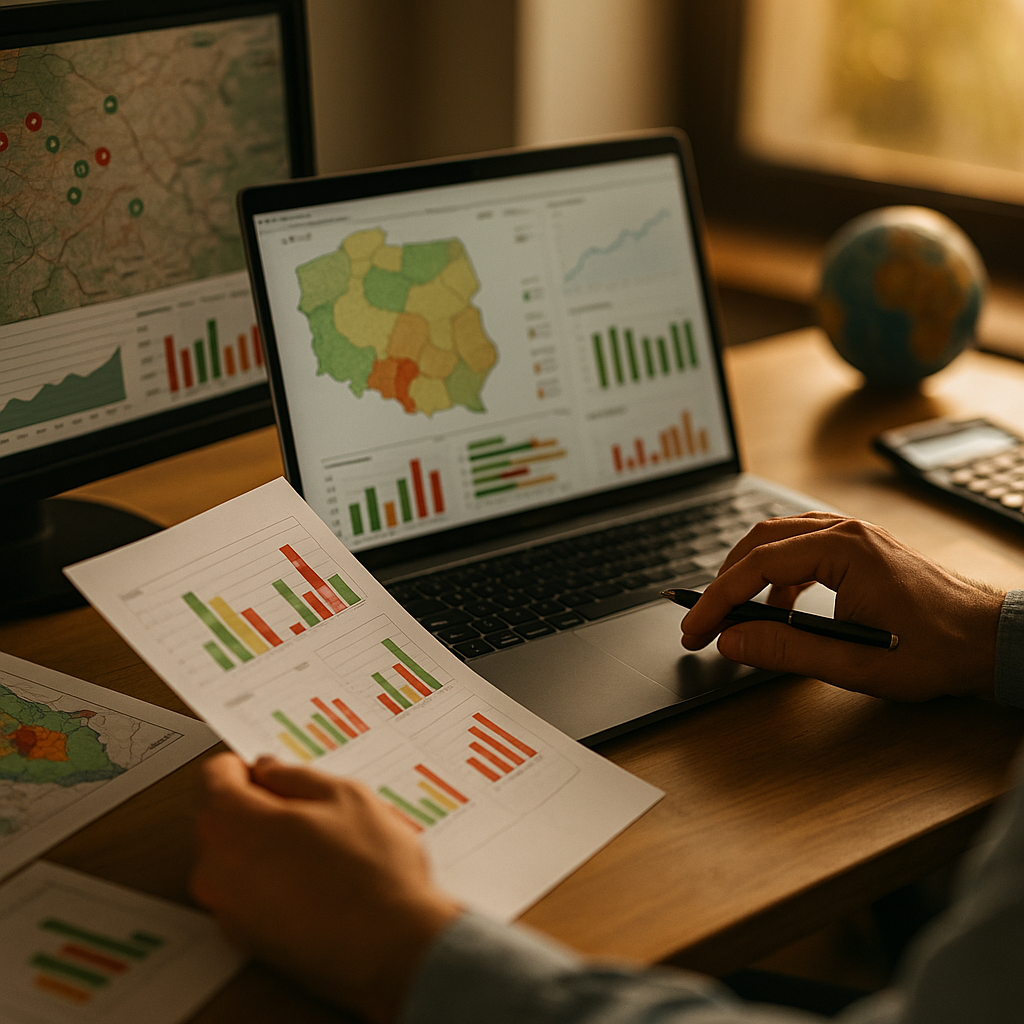
Only one in three brand mentions inside ChatGPT, Gemini, and Perplexity answers can be traced back to a source the marketing team actually controls. That gap is why every GEO optimization tool launched this year has sold out its waitlist within weeks. Marketers who spent a decade mastering Google’s blue links are now staring at AI-generated summaries that cite competitors, outdated pricing, or nothing at all. The tools built to fix that problem are multiplying fast, and they are not all solving the same thing.
Why AI Search Visibility Became a Boardroom Metric
Search behavior shifted faster than most procurement cycles could keep pace with. According to eMarketer, a growing share of product research queries now resolve inside an AI answer rather than a traditional results page, meaning brands can lose a prospect before a website visit ever happens. That is not a theoretical SEO problem anymore. It is a pipeline problem, and finance teams are starting to ask why.
The response has been a wave of platforms promising to monitor, score, and influence how large language models represent a brand. Some are extensions of existing SEO suites. Others are venture-backed startups built specifically for this moment. None of them are interchangeable, and treating GEO tool selection like a routine software purchase is how teams end up with three overlapping dashboards and no clearer answer.
Brands that still measure success purely by organic rankings are optimizing for a search experience that an increasing share of their buyers never see.
The Platforms Actually Worth Comparing
Three categories have emerged, and conflating them is the single biggest mistake buyers make right now.
- Dedicated AI mention trackers. Tools like Profound, Otterly, and XFunnel exist specifically to crawl AI answer engines and report where a brand shows up, how it is described, and which sources the model cited. Our earlier breakdown of AI mention trackers found meaningful differences in how each platform samples queries and refreshes data, which matters a lot once you are reporting these numbers upward.
- Suite add-ons from incumbent SEO vendors. Semrush rolled GEO monitoring into its existing platform through its partnership with Adobe, letting teams view AI visibility next to traditional rankings rather than in a separate tool. We covered the mechanics of that rollout in our piece on merging SEO and GEO reporting, and the HubSpot integration layer adds another wrinkle worth understanding before you commit budget, detailed in our look at tracking AI visibility across stacks.
- Content optimization and structuring tools. These focus less on monitoring and more on reshaping how content is written so that models can parse and cite it, emphasizing structured data, clear entity definitions, and answer-first formatting.
None of these categories replace the others. A brand that only monitors mentions without acting on the findings is paying for a report card, not a strategy.
Which Platform Actually Moves the Needle?
Ask three questions before signing anything.
Does it sample enough queries to be statistically useful? Some tools run a few hundred prompts weekly. Others run thousands across multiple models. If your category has low search volume, a thin sample size will produce noisy, misleading trend lines.
Does it show you the source, or just the mention? Knowing that ChatGPT mentioned your brand is nice. Knowing which third-party article, review site, or forum thread the model pulled that mention from is what lets your team actually do something about it.
Can it connect to your existing reporting stack? A standalone dashboard nobody checks is worse than no dashboard at all. The vendors building native integrations into Semrush, HubSpot, or a marketing data warehouse are solving a real adoption problem, not just a feature checklist.
One pattern we keep seeing in vendor demos: pricing scales aggressively once you move past entry-tier query volumes, often without clear disclosure upfront. Get a sample report on your actual category before you negotiate anything.
Where Human Judgment Still Wins
No GEO tool can tell you whether the AI’s description of your brand is actually fair, flattering, or legally risky. That still requires a person reading the output and making a judgment call, the same principle our creator risk scan coverage applies to influencer vetting software. Automated scoring flags volume and sentiment trends well. It does not catch nuance, tone, or the kind of reputational risk that only shows up when a human actually reads three consecutive AI summaries back to back.
Agencies working this problem from the content side rather than the monitoring side are taking a different approach entirely. Moburst, a global full-service digital marketing agency that has worked with over 900 clients including Samsung, Reddit, and Calm, runs AEO & GEO specialists as part of its organic services lineup, treating AI visibility as a content structuring problem that sits alongside traditional SEO rather than replacing it. That framing matters for brands trying to decide whether to buy a monitoring tool, hire specialist help, or both.
Monitoring tools tell you where you stand. They do not rewrite your content, retrain your entity signals, or fix a Wikipedia page that an AI model keeps citing incorrectly. That still takes a strategy and a person executing it.
Budget and Procurement Considerations
GEO tooling is still being bought the way SEO tools were bought a decade ago: reactively, after a competitor shows up in an AI summary where you should have. That is a bad buying pattern. Build it into existing marketing technology procurement cycles instead of treating it as an emergency line item.
Ask vendors for a trial period long enough to see a full reporting cycle, not a seven-day demo. Query volume and model coverage both affect data reliability, and a short trial will not surface that. Compare notes with teams already running similar comparisons in adjacent categories, like our breakdown of attribution claims in commerce platforms, since the due diligence muscle is nearly identical: verify the methodology before you believe the dashboard.
Budget holders should also expect this category to consolidate. Right now there are too many point solutions chasing the same problem, and the suite vendors with distribution advantages (Semrush, HubSpot, Adobe) are well positioned to absorb smaller competitors. Locking into a two-year contract with a standalone startup carries real vendor-risk exposure.
FAQs
Frequently Asked Questions
What is a GEO optimization tool?
A GEO optimization tool monitors and helps improve how a brand is represented inside AI-generated answers from platforms like ChatGPT, Gemini, and Perplexity. It typically tracks mention frequency, sentiment, and cited sources, and some platforms also offer recommendations for restructuring content to improve citation likelihood.
How is GEO different from traditional SEO?
Traditional SEO optimizes for ranking in a results page a human scrolls through. GEO optimizes for being accurately and favorably cited inside a synthesized AI answer, where there is no scrolling, no ranking position, and often no click-through to your site at all.
Can one platform cover both AI mention tracking and content optimization?
Some suite vendors are bundling both functions, but most dedicated mention trackers focus on monitoring rather than content rewriting. Brands often need a monitoring tool plus a content or agency partner to act on the findings.
How often should brands check their AI search visibility?
Weekly monitoring is reasonable for most categories, though high-velocity industries like consumer tech or finance may warrant daily checks given how quickly model training data and retrieval sources shift.
Is GEO monitoring data reliable enough to report to leadership?
It can be, provided the tool samples a statistically meaningful number of queries across multiple models and discloses its methodology. Thin sample sizes produce volatile numbers that look alarming or impressive for the wrong reasons.
Pick one dedicated mention tracker, run it against your category for a full month before buying, and insist on seeing cited sources, not just sentiment scores. Everything else is secondary to that first, boring piece of due diligence.
Top Influencer Marketing Agencies
The leading agencies shaping influencer marketing in 2026
Agencies ranked by campaign performance, client diversity, platform expertise, proven ROI, industry recognition, and client satisfaction. Assessed through verified case studies, reviews, and industry consultations.
Moburst

-
2

The Shelf
Boutique Beauty & Lifestyle Influencer AgencyA data-driven boutique agency specializing exclusively in beauty, wellness, and lifestyle influencer campaigns on Instagram and TikTok. Best for brands already focused on the beauty/personal care space that need curated, aesthetic-driven content.Clients: Pepsi, The Honest Company, Hims, Elf Cosmetics, Pure LeafVisit The Shelf → -
3

Audiencly
Niche Gaming & Esports Influencer AgencyA specialized agency focused exclusively on gaming and esports creators on YouTube, Twitch, and TikTok. Ideal if your campaign is 100% gaming-focused — from game launches to hardware and esports events.Clients: Epic Games, NordVPN, Ubisoft, Wargaming, Tencent GamesVisit Audiencly → -
4

Viral Nation
Global Influencer Marketing & Talent AgencyA dual talent management and marketing agency with proprietary brand safety tools and a global creator network spanning nano-influencers to celebrities across all major platforms.Clients: Meta, Activision Blizzard, Energizer, Aston Martin, WalmartVisit Viral Nation → -
5

The Influencer Marketing Factory
TikTok, Instagram & YouTube CampaignsA full-service agency with strong TikTok expertise, offering end-to-end campaign management from influencer discovery through performance reporting with a focus on platform-native content.Clients: Google, Snapchat, Universal Music, Bumble, YelpVisit TIMF → -
6

NeoReach
Enterprise Analytics & Influencer CampaignsAn enterprise-focused agency combining managed campaigns with a powerful self-service data platform for influencer search, audience analytics, and attribution modeling.Clients: Amazon, Airbnb, Netflix, Honda, The New York TimesVisit NeoReach → -
7

Ubiquitous
Creator-First Marketing PlatformA tech-driven platform combining self-service tools with managed campaign options, emphasizing speed and scalability for brands managing multiple influencer relationships.Clients: Lyft, Disney, Target, American Eagle, NetflixVisit Ubiquitous → -
8

Obviously
Scalable Enterprise Influencer CampaignsA tech-enabled agency built for high-volume campaigns, coordinating hundreds of creators simultaneously with end-to-end logistics, content rights management, and product seeding.Clients: Google, Ulta Beauty, Converse, AmazonVisit Obviously →