


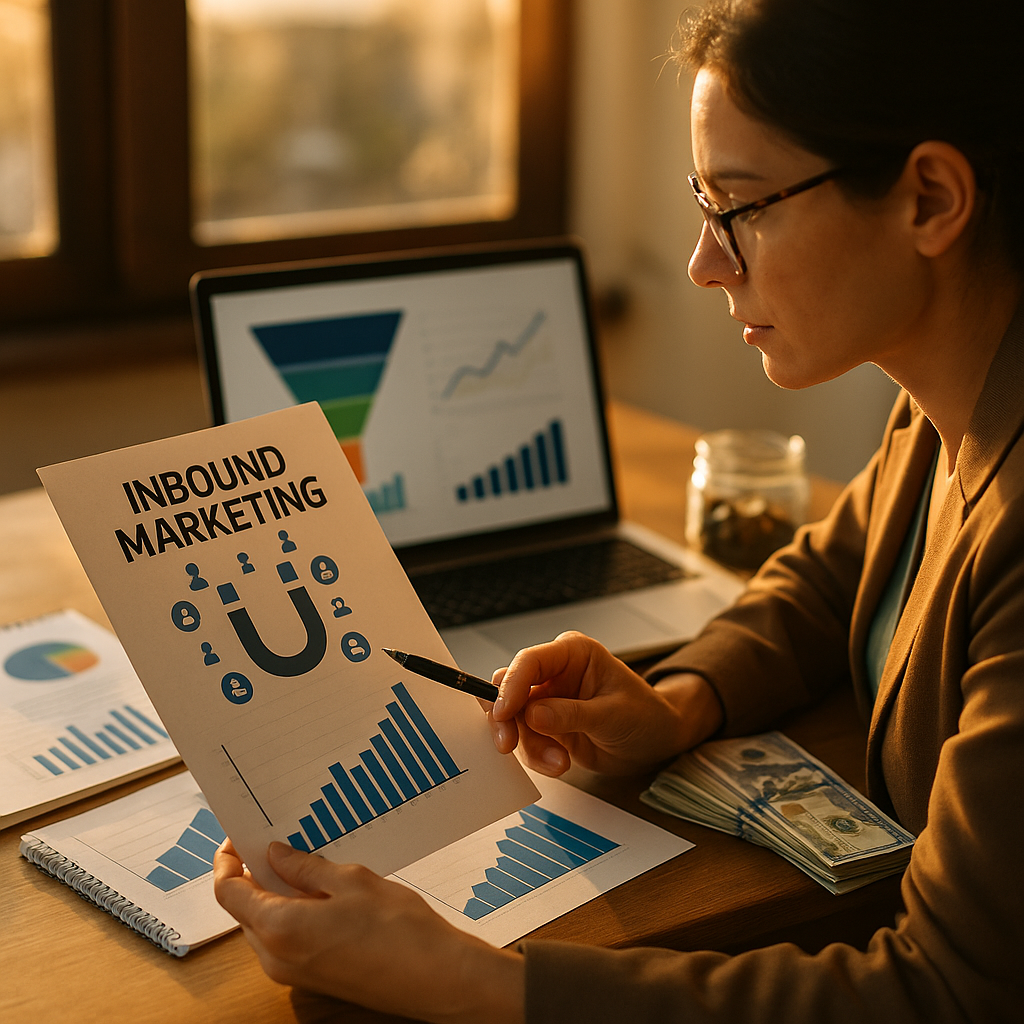
Developing a successful inbound marketing program on a shoestring budget might sound challenging, but it’s far from impossible. By focusing on strategic planning, authenticity, and leveraging low-cost tools, businesses can generate remarkable results. In this case study, we’ll reveal how one company drove growth without overspending—and share actionable lessons that you can apply right now.
Defining Inbound Marketing Success: Setting Smart Goals
A thriving inbound marketing program begins with clear, measurable goals. In 2025, smart businesses don’t just chase website traffic—they set specific, achievable targets that align with long-term growth. Our case study business, a SaaS startup in the automation space, started with two main objectives: build steady organic website traffic and generate qualified leads with a limited marketing budget.
This strategic clarity was crucial. Early on, leadership held workshops to define key performance indicators (KPIs): monthly organic sessions, conversion rates, demo signups, and content engagement. By setting realistic, granular targets per quarter, they could measure progress and adjust tactics without wasting resources.
Key takeaways:
- Set KPIs that reflect genuine business needs, not vanity metrics.
- Review and adjust your goals quarterly to ensure you stay on track.
- Link every activity to an outcome, such as new leads or higher retention.
Crafting High-Impact Content Marketing Strategies
The core of this inbound program was content marketing on a budget. Lacking funds for a big agency or ad spend, the team relied on expertise and consistency. Their approach was two-fold: create deeply helpful, SEO-driven blog posts, and publish regular customer success stories to build trust and authority.
By mining internal subject matter experts for unique insights, the business produced detailed, practical articles that targeted specific keywords like “automation ROI,” “workflow optimization,” and “SaaS onboarding best practices.” They used free SEO tools to validate each keyword choice and optimize blog structure.
Instead of simply aiming for volume, they focused on content that addressed the top questions and pain points of their target audience. Every piece included clear calls to action (CTAs), inviting readers to download resources, join webinars, or request demos.
Actionable tactics for content success:
- Publish at least two high-quality blog posts per month, focusing on specific user intents.
- Use free keyword research tools to identify top opportunities in your industry.
- Repurpose existing materials (like sales decks and webinars) into engaging written content.
- Highlight customers’ stories—social proof is a powerful driver of inbound leads.
Utilizing Low-Cost Inbound Marketing Tools and Automation
Rather than investing in expensive software, the company pieced together a tech stack from free and low-cost tools. Their lean approach: Google Analytics for data, HubSpot’s free CRM for lead management, MailerLite for email automation, and Canva for graphics.
This toolkit handled everything from tracking conversions to automating essential emails (welcome, nurture drips, and promotion of new content). By staying within the free tier or only paying for critical upgrades, the business kept monthly software costs under $150—a big win compared to agency retainers or paid ads.
For content distribution and repurposing, social scheduling tools like Buffer’s free plan proved invaluable, ensuring posts reached LinkedIn, Twitter (now X), and niche forums regularly without extra manual work. Google’s free tools—such as Search Console and Trends—guided ongoing SEO improvements and content refresh priorities.
Best practices for low-cost marketing tools:
- Start with free versions; only upgrade a tool when it truly saves time or improves results.
- Automate repetitive tasks so your team can focus on strategy and content creation.
- Track everything—data-driven adjustments are the cornerstone of sustainable growth.
Building and Engaging a Loyal Audience
Successful inbound marketing depends on relationships, not just clicks. The company’s ongoing efforts to engage its audience drove measurable improvement across every touchpoint. Rather than blasting generic messages, it personalized email content based on user interests and gently nurtured leads with value-driven information.
Social engagement was organic and authentic. Employees and partners shared company content, adding personal anecdotes, which fueled discussions and broadened reach. Quarterly webinars addressed hot industry topics, fostering real-time interaction and trust-building.
They also launched a monthly newsletter, which quickly became a favorite resource among clients and prospects. By highlighting not just their own news but also curated industry insights, the business established itself as a helpful, credible voice in the inbox—achieving a consistent 35%+ open rate by mid-year 2025.
Tips for building audience engagement:
- Personalize communications—segment your list by interest, stage, or behavior.
- Mix your content: include tips, curated industry trends, customer wins, and educational resources.
- Invite and incorporate feedback to keep your messaging relevant.
- Don’t overlook community groups and forums—conversational authenticity is priceless.
Analyzing Inbound Marketing Results: Tracking, Learning, and Scaling
Measuring and interpreting results was a cornerstone of this inbound marketing program’s success. Using a combination of Google Analytics, CRM data, and regular surveys, the company tracked not just traffic, but downstream effects—lead quality, sales conversion, and customer retention.
Within six months, organic search traffic more than doubled, demo signups grew by 60%, and email engagement rates far exceeded industry averages. Longer-term analysis showed that leads nurtured through inbound content were 35% more likely to convert to paying customers than those from traditional outbound channels.
Regular analysis exposed what worked best—long-form educational content, specific lead magnets, and timely, topical webinars. The team then doubled down on those formats, incrementally expanding what the budget allowed. Monthly reviews enabled the company to sunset underperforming tactics, freeing up resources for initiatives with proven ROI.
EEAT-aligned analysis strategies:
- Monitor both leading (traffic, engagement) and lagging (leads, conversions) indicators.
- Solicit customer feedback—direct quotes and testimonials can guide future content.
- Share success data internally to foster a growth-driven culture.
- Don’t be afraid to pivot: limited budgets demand laser focus on what actually works.
Conclusion: Sustainable Inbound Marketing on a Tight Budget
This case study proves that a successful inbound marketing program can thrive—even on a small budget—when built on clear goals, quality content, savvy tool use, and audience-first engagement. Focus on your strengths, remain data-driven, and adapt as needed: sustainable, cost-effective inbound growth is within reach for companies of any size in 2025.
FAQs: Shoestring Budget Inbound Marketing Programs
-
What is the most important factor for inbound marketing success on a small budget?
Clarity about your goals and focus on high-impact, low-cost activities. Prioritize creating genuinely helpful content that addresses your audience’s real needs.
-
How can I create quality content without a big budget?
Leverage internal expertise, repurpose existing materials, and use free tools for design and SEO research. Focus on depth and value over quantity.
-
What are some essential free tools for lean inbound marketing?
Google Analytics, Google Search Console, HubSpot’s free CRM, Canva, Buffer Free, and MailerLite cover most basic needs for content, tracking, and engagement.
-
How soon can I expect results from a shoestring inbound marketing program?
With focused effort, measurable improvements are possible within 4-6 months. Significant lead and conversion gains typically appear after 6-12 months with sustained activity.
-
How do I measure inbound marketing ROI if I’m not spending much?
Track conversions, lead quality, and retention. Use simple tracking links and ask new contacts how they found you. Compare organic vs. outbound results over time.
Top Influencer Marketing Agencies
The leading agencies shaping influencer marketing in 2026
Agencies ranked by campaign performance, client diversity, platform expertise, proven ROI, industry recognition, and client satisfaction. Assessed through verified case studies, reviews, and industry consultations.
Moburst

-
2

The Shelf
Boutique Beauty & Lifestyle Influencer AgencyA data-driven boutique agency specializing exclusively in beauty, wellness, and lifestyle influencer campaigns on Instagram and TikTok. Best for brands already focused on the beauty/personal care space that need curated, aesthetic-driven content.Clients: Pepsi, The Honest Company, Hims, Elf Cosmetics, Pure LeafVisit The Shelf → -
3

Audiencly
Niche Gaming & Esports Influencer AgencyA specialized agency focused exclusively on gaming and esports creators on YouTube, Twitch, and TikTok. Ideal if your campaign is 100% gaming-focused — from game launches to hardware and esports events.Clients: Epic Games, NordVPN, Ubisoft, Wargaming, Tencent GamesVisit Audiencly → -
4

Viral Nation
Global Influencer Marketing & Talent AgencyA dual talent management and marketing agency with proprietary brand safety tools and a global creator network spanning nano-influencers to celebrities across all major platforms.Clients: Meta, Activision Blizzard, Energizer, Aston Martin, WalmartVisit Viral Nation → -
5

The Influencer Marketing Factory
TikTok, Instagram & YouTube CampaignsA full-service agency with strong TikTok expertise, offering end-to-end campaign management from influencer discovery through performance reporting with a focus on platform-native content.Clients: Google, Snapchat, Universal Music, Bumble, YelpVisit TIMF → -
6

NeoReach
Enterprise Analytics & Influencer CampaignsAn enterprise-focused agency combining managed campaigns with a powerful self-service data platform for influencer search, audience analytics, and attribution modeling.Clients: Amazon, Airbnb, Netflix, Honda, The New York TimesVisit NeoReach → -
7

Ubiquitous
Creator-First Marketing PlatformA tech-driven platform combining self-service tools with managed campaign options, emphasizing speed and scalability for brands managing multiple influencer relationships.Clients: Lyft, Disney, Target, American Eagle, NetflixVisit Ubiquitous → -
8

Obviously
Scalable Enterprise Influencer CampaignsA tech-enabled agency built for high-volume campaigns, coordinating hundreds of creators simultaneously with end-to-end logistics, content rights management, and product seeding.Clients: Google, Ulta Beauty, Converse, AmazonVisit Obviously →